

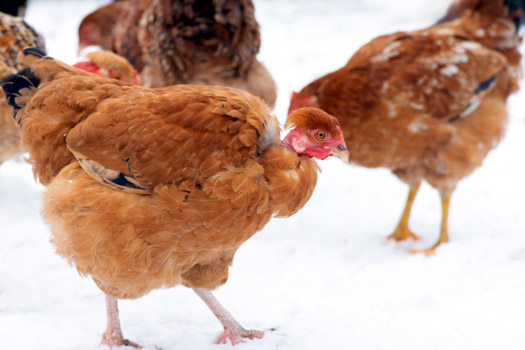
Winter poses significant challenges for poultry farmers. Cold weather, reduced daylight hours, and harsh environmental conditions can place stress on birds, negatively affecting their health, productivity and overall welfare. When the temperature drops below 55ºF during the winter season, a number of issues arise including poor feed conversion ratio in broilers, decreased egg production, lower weight gain, impaired fertility and hatchability, decreased water intake, etc. For this reason, poultry farmers are particularly concerned about how to manage their flocks during the winter.

Microbiologist
shaikhan789@gmail.com
This article provides a detailed guide on how to manage winter stress effectively to maintain a healthy and productive flock.
Understanding Winter Stress in Poultry
Winter stress in poultry arises from environmental and physiological factors. These include:
- Cold Temperatures: Poultry are warm-blooded animals and must maintain a stable body temperature. When temperatures drop, they expend extra energy to stay warm, which impacts their growth and production. In chickens, the brain’s hypothalamus regulates this; if the temperature continues to drop, birds will produce more heat inside and send more blood to their extremities to keep warm.
- Shortened Daylight Hours: Light is a critical factor for laying hens and reduced daylight can significantly lower egg production.
- Poor Ventilation: Closed housing during winter may lead to dampness, poor air quality, ammonia buildup and increasing susceptibility to respiratory diseases.
- Nutritional Deficiencies: Birds may struggle to meet their increased energy and nutrient demands during winter if diets are not adjusted appropriately.
Economic Benefits of Managing Winter Stress
- Investing in winter stress management may require additional resource but the benefits outweigh the costs.
- Increased Productivity: Maintaining egg production and growth rates ensures profitability.
- Reduced Mortality: Healthy, stress-free birds have higher survival rates.
- Lower Veterinary Costs: Preventative measures reduce the need for costly treatments.
Effects of Winter Stress on Poultry
The consequences of unmanaged winter stress can be severe:
- Reduced Egg Production: Layers often experience a decline in productivity due to both cold temperatures and decreased light exposure.
- Slower Growth Rates: Broilers may struggle to gain weight as more energy is diverted toward maintaining body heat.
- Increased Susceptibility to Disease: Stress weakens the immune system, making birds prone to infections, especially respiratory conditions, which is the primary cause in chickens exposure to cold stress.
- Behavioural Issues: Overcrowding near heat sources can lead to aggressive behaviours like feather pecking.
Strategies to Mitigate Winter Stress
Effective management of winter stress involves optimizing nutrition, housing, and husbandry practices. Below are detailed strategies:
1. Nutrition Management
Proper nutrition is the cornerstone of managing winter stress. Birds require additional energy and specific nutrients to deal with the colder environment.
- Increase Caloric Intake: During winter, birds use more energy to regulate their body temperature. Incorporating energy-dense feeds such as corn or wheat can help to meet these requirements.
- Enhance Protein and Fat Content: Protein supports muscle maintenance and egg production, while fats are an excellent energy source. Adding soybean meal, fish oil or tallow to the diet can be beneficial.
- Vitamin and Mineral Supplementation: Certain vitamins and minerals play a vital role in boosting immunity and productivity:
- Vitamin A: Supports mucosal health and reducing susceptibility to respiratory infections.
- Vitamin D: Essential for calcium absorption and crucial for eggshell quality.
- Vitamin E and Selenium: Powerful antioxidants that improve immune function.
- Electrolytes and Probiotics: These help to maintain gut health, enhance nutrients absorption and reduces the impact of stress.
- Warm Water Supply: Provide access to clean, lukewarm water to encourage feed intake and preventing from dehydration.
2. Housing Management
Poultry housing plays a significant role in minimizing winter stress. Properly designed and maintained facilities can make a substantial difference.
Insulation and Heating:
- Insulate walls, roofs, and doors to retain heat.
- Use heat lamps or brooders to provide supplemental warmth, especially for chicks and young birds.
- Position heat sources to prevent overcrowding.
Ventilation: While retaining heat is essential, proper ventilation must be maintained to prevent dampness and ammonia buildup. It is advisable to use adjustable vents or fans to ensure fresh air circulation without creating drafts.
Dry and Clean Bedding: Damp litter can lead to increased humidity and ammonia levels and also causing respiratory issues. Regularly replace bedding materials like straw or wood shavings to keep them dry and clean.
Space Allocation: Provide sufficient space to prevent overcrowding and reduce competition around feeders and heat sources.
3. Lighting Management
- Daylight influences the laying cycle of hens. In the winter season, when daylight hours are reduced, supplemental lighting can help to maintain productivity.
- Provide 14–16 Hours of Light: Use artificial lighting to extend the day length. LED or fluorescent lights are energy-efficient options.
- Gradual Adjustments: Sudden changes in light duration can stress birds. Adjust lighting schedules gradually to mimic natural conditions.
4. Disease Prevention
- Winter stress weakens the immune system, making birds more vulnerable to diseases. Preventative health measures are crucial.
- Vaccination Programs: Ensure birds are vaccinated against common winter diseases such as infectious bronchitis and Newcastle disease.
- Biosecurity Measures: Limit access to wild birds, rodents, and other potential disease carriers. Maintain cleanliness in housing and equipment. Isolate sick birds to prevent the spread of infections among the other birds.
- Regular Monitoring: Observe birds for signs of illness such as lethargy, reduced feed intake, sneezing or nasal discharge. Early intervention can prevent outbreaks.
5. Behavioural Management
Behavioural issues such as feather pecking and aggression can be shown during winter due to stress and overcrowding.
Provide Enrichment:
- Keep birds engaged by scattering grains or providing hanging vegetables such like cabbages. This reduces boredom and aggressive tendencies.
- Adequate Feeder and Waterer Space.
- Ensure there are enough feeders and waterers to minimize competition and aggression.
Group Management:
Separate aggressive birds or overcrowded groups to maintain harmony.
6. Emergency Preparedness
- Winter weather can be unpredictable and power outages or extreme cold snaps can exacerbate stress. Farmers should be prepared for such events.
- Backup Power Sources.
- Invest in generators to ensure uninterrupted heat and light supply.
- Stockpile Feed and Water Supplies.
- Maintain a reserve of feed and water to avoid shortages during snowstorms or transport disruptions.
- Inspect Housing Regularly for monitoring and maintaining the healthy environment.
- Check for leaks, drafts or other structural issues that could worsen during extreme weather.
Conclusion
Managing winter stress in poultry requires a holistic approach that combines proper nutrition, housing, disease prevention and proper care. By addressing these factors, farmers can ensure their flocks remain healthy, productive and resilient throughout the cold months. Proactive planning, attention to detail and consistent monitoring will not only reduce stress but also contribute to a successful and sustainable poultry operation.