
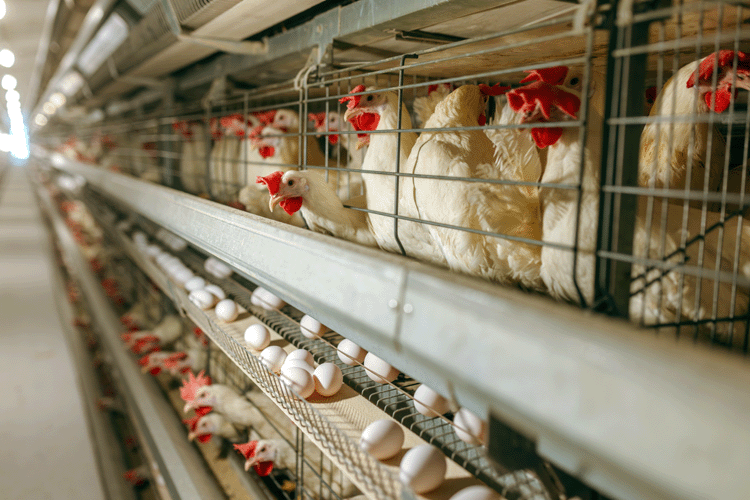
The egg production in the hen is complicated as it is involved with many system, including the Reproductive system and the Endocrine system. Today’s poultry industry has been dominated by the white leg horn breeds especially in the tropical countries like India, Bangladesh, Sri Lanka and Pakistan for their commercial benefits of the optimum hen house production.

CEO, Geenat
rammoorthyd@gmail.com
W: www.geenat.co.in
Phone: +91 93446 42382
Achieving the desired egg production in the old hens after 50 weeks is the real challenge in both the open and the Environmentally Controlled (EC) sheds, as the age advances, the breeding efficiency gradually slows down.
The ‘egg Production time’ in the Hen
The duration of the egg production in the commercial chicken is the deciding factor of each egg produced.
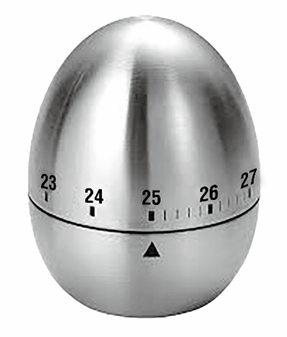
In young flock, it is lesser than 25 hours and in the old flocks, it is more than 25 hours. This duration decides the layer farm’s egg production.
How Chicken’s Oviduct makes eggs
Chicken’s Oviduct makes egg in the following steps:
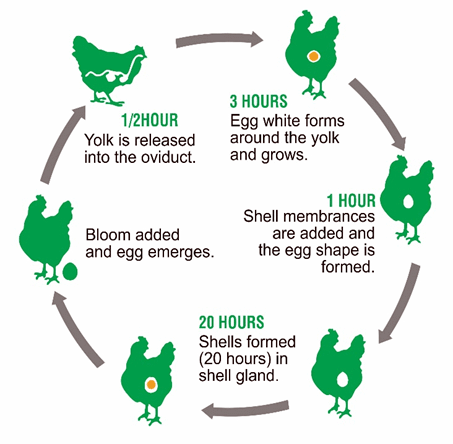 Infundibulum the mouth of the hen’s oviduct lengths about 9 cm receives a yolk within 10 to 30 minutes; the egg is fertilised if the sperm is present, otherwise the egg remains unfertilized.
- Magnum the center portion of the hen’s oviduct lengths about 33 cm secretes albumen (egg white) and it’s layered around the yolk in and around 3 hours.
- Isthmus the mid lower portion of a hen’s oviduct, length about 10 cm ; adds inner and outer cell membranes around the egg white in and around 1 hour.
- Shell Gland is the real uterus of a hen’s oviduct positioned in the lower portion, length about 10 to 12 cm , adds sheel material to the egg. Pigments are added here to make the brown shell. The process takes about 20 hours.
- In the Vent at the end of the oviduct, the egg passes through, before it was laid down.
Factors involved in the Egg production
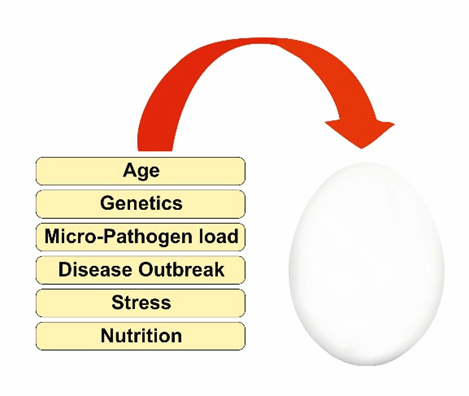 Age – High production in Young Flock and it gradually declines when the age advances.
- Genetics – ‘Controlled Traits of a breed
- Micro-Pathogen load– Viral, Bacterial & Fungi etc.
- Disease Outbreak
- Stress
- Nutrition
Among the above factors we have a complete control on Nutrition especially through feed to improve the production in the old flocks that are above 48 weeks.
Nutrition for the old Chicken
We can tune the commercial Layer Feed Formulation above 48 weeks (Phase 2 – 48 to 65 weeks & Phase 3 – 65 weeks & above) with the following guidelines to achieve the maximum egg production and to improve the farm average egg production %.
Optimum CP – Crude Protein
In the layer feed for the old flcok (Phase 2 & 3) we need to give high energy diet to meet the bird’s BMR. However, we need to emphasize the optimum Crude Protein level 4% higher than the routine CP level irrespective of the breeds.
Optimum Amino Acids
We can maintain the Optimum Amino Acids level in the Phase 2&3. Optimum Methionine level can be not lesser than 0.4 & Lysiene level can be not lesser than 0.75. The above values are for 1 MT of feed.
Feed Additives
Vitamins & Minerals
We can top up the Vitamin & Trace Mineral premixes 10% higher than the regular dosage.
Emulsifier & Choline Chloride
Fat deposition in the old flocks will hamper the breeding efficiency and the egg production which is a natural and Adding Emulsifiers along with choline chloride can reduce the overall body fat and lean birds tend to yield more eggs. Dosage can be adjusted as per the local vet’s advice and brand claims.
Chromium Picolinate
There are studies and references available that chromium Picolinate improves the breeding efficiency in the laying hens. Chromium Picolinate a non-toxic chromium can be added in the layer feed for Phase 2 &3 as per the manufacturers’ label claims.
Anterior Pituitary – The Key Organ of a Laying Hen.
There are two Gonadotropin hormones ‘secreted in the Anterior Pituitary gland of the chicken which decide and determine the egg production of the chicken as the hormones link ovary & oviduct.
- FSH – Follicle Stimulating Hormone.
FSH maintains the matured follicles in the ovary which ensures the ovulation (egg production) at the chicken’s old age of 80+ weeks - LH – Luteinizing Hormone
LH ruptures the matured follicles in the ovary and releases the ova.
Phytochemicals
-
- There are many references that a few specific phytochemicals that are discussed here which can induce the endocrine system (Anterior Pituitary) of the Chicken and releases the Gonadotropin Hormones to improve the egg production. We can include the dry powder of these phytochemicals in the Phase 2- & 3-layer feed.
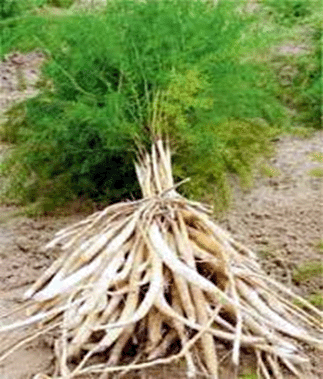
- Asparagus racemosus – roots
-
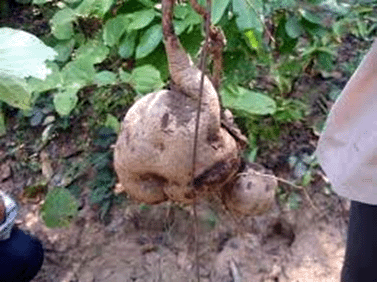
 Pueraria tuberosa
-
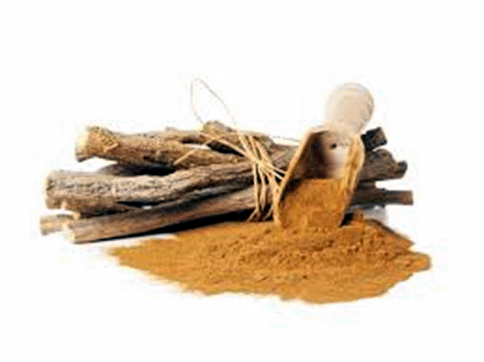
 Glycyrrhiza glabra
 Summary
Egg is an economical and affordable protein commodity, rich in nutrition. Moreover, egg can be consumed by all the age groups which is easily available for all the economical classes and it is without adulteration.
We need to ensure a high farm average of the egg production of every layer farm by implementing the nutritional guidelines discussed here by improving the production performance of the old age chicken.
The money invested for the value-added nutritional benefits discussed here will certainly ensure a high return through additional egg production and low egg breakage and the farmer can relish hassle-free farming.
We can use similar guidelines to the breeding farms to make the non-laying hens yield eggs which can improve the farm average of the egg production & better hatchability.
Author: Dr. Ram Moorthy D, CEO, Geenat
Previous article by same author: Pin Bone Syndrome in Commercial Chicken

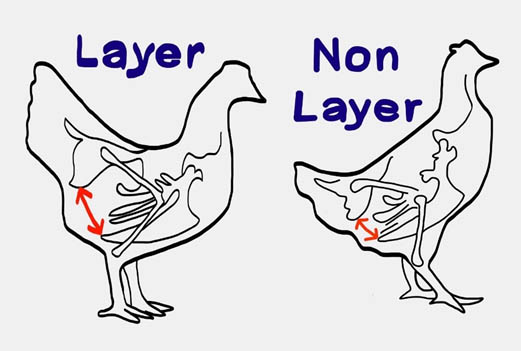
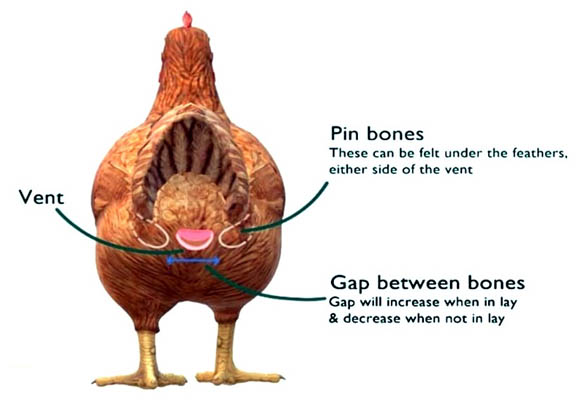 Pin Bone distance of a hen and the determination of laying stage
 Body weight