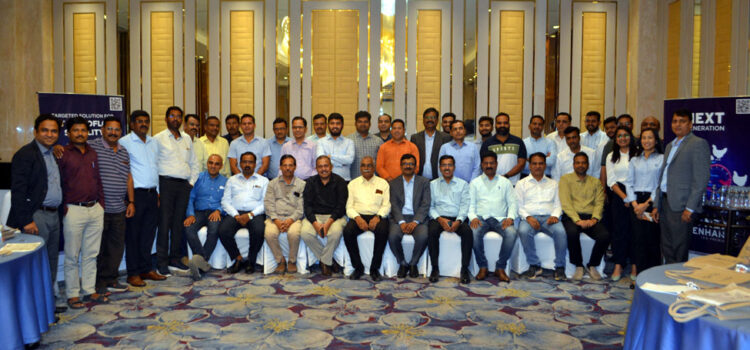
BANGALORE, INDIA – As a way to share knowledge on how gut health can impact poultry production, Novus International, Inc., hosted the first in a series of informational forums titled Gut Health Optimization in Poultry in the cities of Kolkata (West Bengal) and Pune (Maharashtra) on 15 and 17 June 2022 respectively.
Kolkata and Pune are prominent poultry-producing areas in India. Both the markets consist of strongly integrated farming, commercial feed operations, and a mix of layer farms. With increases in demand for broiler meat and eggs, the challenge of getting good quality raw feed materials at a competitive price is increasing. At the same time, maintaining good gut health is an ongoing challenge for poultry producers. There are certain organic acids and essential oil complexes that have become an important tool to improve/optimize bird gut health. Novus hosted these events with an aim to provide insight on how to use these feed additives and other options to positively impact poultry gut health.
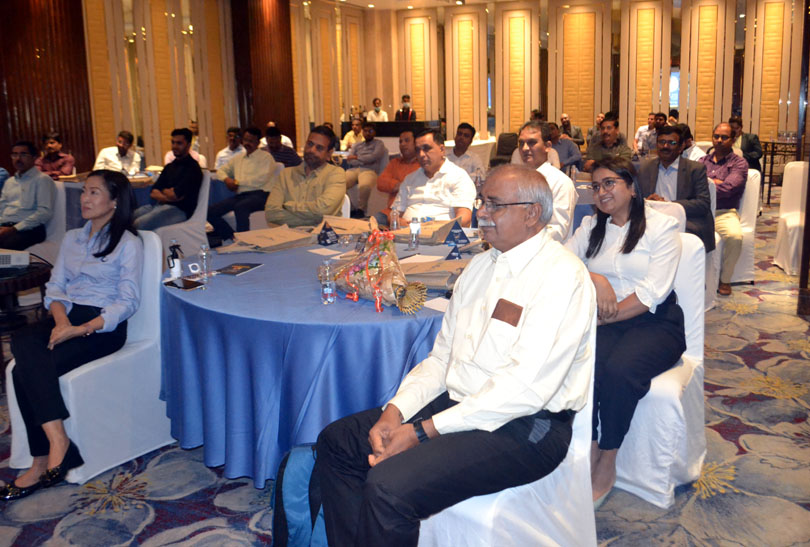
The Novus Forums received an overwhelming response with over 70 attendees that included integrators, feed millers, and layer farmers, along with eminent thought leaders from the poultry industry.
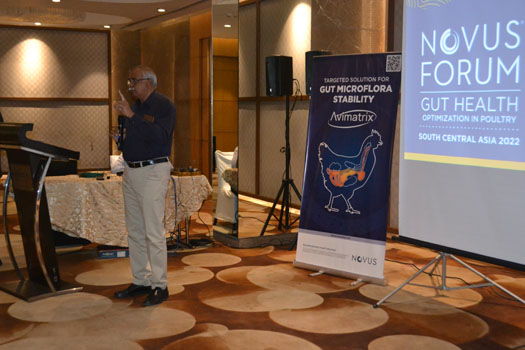
The keynote speaker was Dr. D. Chandrasekaran, a retired professor of animal nutrition at TANUVAS (Tamil Nadu Veterinary and Animal Sciences University). Having published more than 75 scientific articles in national and international journals, Chandrasekaran is a renowned poultry expert, nutritionist, and researcher in India and the subcontinent.
Chandrasekaran spoke on how maintaining gut health is the first priority for every nutritionist in the poultry industry. Linked to better immunity, nutrient utilization, improve digestibility and overall performance, the bird’s gut health is the most important factor. He said it’s possible to impact gut health through the usage of nonantibiotic additives, acidifiers, enzymes, and protected organic acid to control many gut pathogens and improve beneficial microbes.
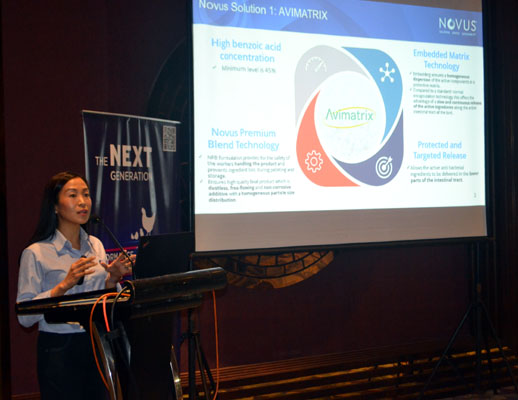
During the event, Annafe Perino, Novus poultry solution manager in Asia, explained how Novus gut health solutions are unique and help poultry producers to maximize their profit by reducing the pathogen load in the intestine. She talked about various research trials conducted to show how Novus products they work in controlling pathogens in the gut and increase beneficial bacteria, highlighting Novus eubiotic solutions AVIMATRIX® feed supplement and NEXT ENHANCE® 150 feed additive.
“Novus believes in providing our customers solutions with demonstrable value,” Perino said. “With our unique eubiotic solutions for optimizing gut health and farm profitability, we are strategically well-positioned to serve our customers and increase their profits.”
Perino explained how AVIMATRIX®, Novus’s premium blend of high benzoic acid concentration in embedded matrix technology helps create homogeneous dispersion and the slow and continuous release of active ingredients along the entire intestinal tract. AVIMATRIX® also ensures a dustless free-flowing and non-corrosive product, which allows the active antibacterial ingredients to be delivered to the lower part of the intestinal tract.
For NEXT ENHANCE® 150, Perino explained how the high level of essential oil compounds are thermostable through a patented micro-encapsulation technology that ensures the release of active ingredients at the right site in the gut.
“This allows NEXT ENHANCE® 150 to reduce pathogenic bacteria and improve gut morphology, controlling Eimeria species pathogenic bacteria and increasing beneficial bacteria in the gut. These changes help to improve the overall performance of the bird,” she said.
The sessions were moderated by Reena Rani L C, Novus senior marketing communication specialist for South Central Asia. Dr. Manish Kumar Singh, Novus director of strategic marketing in Asia, led the event with details about Novus; sharing details about the company’s foundation in feed additive products based on science and research, as well as its strong presence in India.

The event was supported by the Novus India team including, Dr. Krishnamurthy Dasappa- sales director, Dr. Koushik De – technical service director, Sukanta Nandy – national sales manager, Santu Nandy – sales manager, Dr. Milind Rainchwar – technical service manager, Dr. Rajesh Kharvi – product category manager for Asia/Pacific, Vikram Tambewagh – sales manager, Nilesh Sen – sales manager, and Anand Srivastava – key account manager.
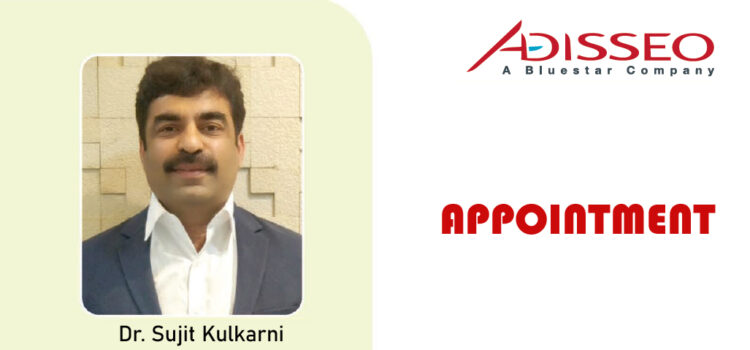
Adisseo Animal Nutrition ISC (Indian Subcontinent) appoints Dr. Sujit Kulkarni as Commercial Director, Indian Subcontinent.
Dr. Sujit Kulkarni brings with him 20+ years of experience in Operations Management, Sales & Marketing, Supply Chain and HR Operations with organizations like Trouw Nutrition (A Nutreco group), Biomin India, and Orffa. In his last assignment, he was titled Director – Feed Additives, South Asia for Trouw Nutrition (a Nutreco group). He has attended the Executive Program in Business Finance IIM Ahmedabad. Also, he has completed his MBA in International Marketing from the Indian Institute of Business Management, Pune, and LL. B from Bharathi Vidyapeeth, Pune. He holds a bachelor’s degree in Veterinary Science & Animal Husbandry from Marathwada Agricultural University, Prabhani. He has been associated with leading Poultry, Dairy, and Aqua associations. He is serving as Vice President of PFI (Poultry Federation of India) West Zone, Ex-Managing Committee member CLFMA, EC committee member VIP, and VIPWA.
Dr. Sujit said “I am delighted to be part of a wonderful Adisseo family and would like to express my deep gratitude. A great place with a good work culture and a wonderful team I look forward to associate”. Adisseo is one of global leaders in Speciality Solutions, Microvit (Vitamins range) and Essential Amino Acid profile. Apart from various solutions Adisseo is very strong in Nutritional services to support for competitive feed cost, accurate analysis of ingredients of feed with NIR services, most advance digital tools, and strong R & D facilities to validate all solutions. Feeling excited to learn and share all know how technology to Adisseo’s customers in Indian Subcontinent.
Mr. Ganesh Sundararajan MD of Adisseo India, said we are very excited to have Dr. Sujit Kulkarni on board with his experience, technical knowledge, and management capabilities will complement our growing team.
Source: Adisseo Animal Nutrition Indian Subcontinent
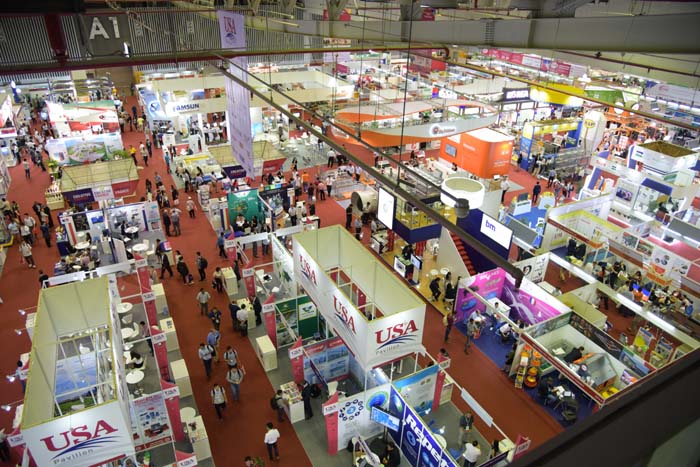
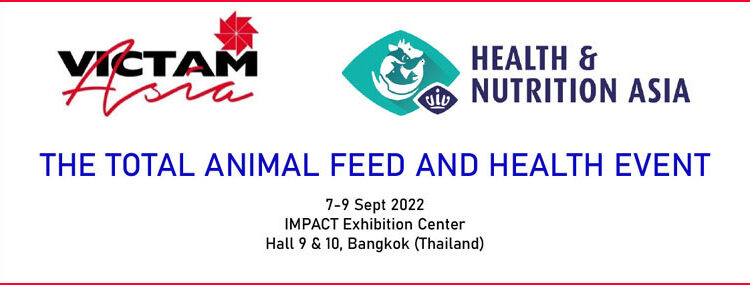
VICTAM Asia in co-location with Health & Nutrition Asia is officially opening from September 7-9, 2022, and will be hosted at the IMPACTHalls 9 and 10, in Bangkok, Thailand.
The international trade show organizers VICTAM and VIV worldwide, after a couple of postponements due to the pandemic, are finally ready to stage this co-location and present in Bangkok the much-awaited Animal Feed and Health event for Asia.
The event program was presented at the official press conference held in Utrecht, the Netherlands where both organizers are currently hosting their first joint partnership, with the co-location of VIV Europe and VICTAM International already proving the powerful synergy of this cooperation.
Thailand: relaxed entry measures for travelers and expanding animal feed additives & health market
The Press Conference was honored by the presence of H.E. Mr. Chatri Archjananun, Ambassador, Royal Thai Embassy, Hague, the Netherlands who showed his unfeigned support to this first in-person animal health and feed event for Asia and wished for it to run smoothly and contribute to the MICE Industry in Thailand.
H.E. Mr. Chatri Archjananun reassured on Thailand’s relaxed Covid-19 measures for travelers. Fully vaccinated travelers will no longer need to book a quarantine hotel or show a pre-post departure PCR test. For non-vaccinated travelers, PCR test 72 hours before arrival is mandatory, but no quarantine required.

The Ambassador also focused on a few key industry insights and highlighted that statistically for Thailand, the feed additives market is projected to reach 2.56 billion USD by 2025, with the poultry market and compound feed industry as the major growth drivers. “There are many international as well as local companies in the Thai feed additive market, which are adopting various strategies, like expansions and partnerships to increase their market presence” he said.
Concluding, he addressed both the event organizers and added: “To sum up, you have made the right choice choosing Thailand to host this event.”
Gateway to the Total Animal Health and Feed Solution for ASEAN
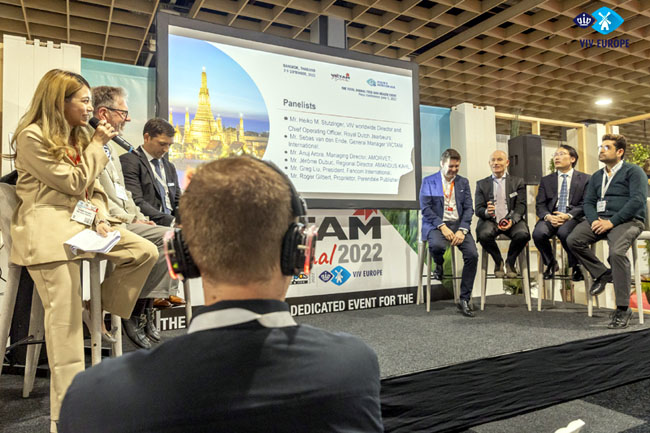
At the subsequent open discussion moderated by Ms. Panadda Kongma, Director of Agribusiness and Operations for VNU Asia Pacific, the 50+ press representatives attending the conference gained latest insights about the show and its program from various panelists – Mr. Heiko M. Stutzinger, VIV worldwide Director and Chief Operating Officer, Royal Dutch Jaarbeurs; Mr. Sebas van den Ende, General Manager VICTAM International; Mr. Anuj Arora, AMORVET; Mr. Jérôme Dubuc, AMANDUS KAHL; Mr. Greg Liu, FAMSUN; and Mr. Roger Gilbert, Perendale Publishers Limited.
“We are finally ready to present to the Asian markets, a complete Animal Feed and Health event that we have been working on for the last couple of years. Booth confirmations are well underway and we will be able to jointly present a total of 300 exhibitors at the modern IMPACT venue in Bangkok. We expect professional visitors from the whole ASEAN region and the rest of Asia with the main profiles being CEOs, feed formulators, mill managers, nutritionists, operation directors, transportation managers, and veterinarians,” said Mr. Sebas van den Ende.
“VIV and VICTAM are committed in serving Asia’s feed and animal protein industries by jointly developing business opportunities within the feed ingredients and additives segments, which is the fastest growing sector of the Feed to Food supply chain. After more than 2 years without a dedicated show in the region, the market needs a face-to-face show to get back to action,” said Mr. Heiko M. Stutzinger.
Nutrition-related illnesses that affect livestock animals are daily struggles for the industry. Deficiencies and malnutrition severely impact animal growth, development, and production. The tropical environment of many regions in Asia, represents a high-risk element for pathogen growth in livestock. At the same time, drug residue & bacteria resistance in animals are concerning issues that require attention.
VICTAM Asia in co-location with Health & Nutrition Asia, want to serve as the business stage where top supplier solutions, innovations and expert knowledge are presented to this booming and growing market.
An elaborate conference & technical seminar program is being organized alongside the exhibition halls. A wide range of topics will be discussed including feed milling and formulation, feed safety, aquafeed, petfood, grain and rice milling, high-tech animal health technology, genetics, pharmaceutical solutions for Asia, veterinary equipment, feed additives, bio-energy & biomass pelleting technology and much more.
As one of the main partners, FAVA, the Federation of Asian Veterinary Associations, will hold the Asian Animal Health Award 2022 during the event with two award categories open for qualified veterinarians – field practitioner and academician/researcher – to recognize their involvement and engagement in animal health. Candidates can apply until August 5th. All information about the FAVA application are available on the NEWS section at www.vivhealthandnutrition.nl.
VICTAM Corporation and VIV worldwide are confident that the co-location in Bangkok will mark another milestone in this win-win cooperation. Registration for professional buyers and visitors is now open on the official websites www.victamasia.com and www.vivhealthandnutrition.nl.
See you in Bangkok, Thailand from September 7-9, 2022 at VICTAM Asia and Health & Nutrition Asia, by VICTAM and VIV.
Waste-to-Energy Pavilion – a new feature will be launched first time in Vietstock Expo & Forum 2022 to highlight the concept of Biogas and emphasize the importance of renewable energy in the livestock production community. Furthermore, the pavilion will create tremendous opportunities for international & local biogas service & technology providers to connect with farmers & buyers in Vietnam and other countries in the region.
Ms. Rose Chitanuwat
According to Ms. Rose Chitanuwat – Regional Portfolio Director – ASEAN, Informa Markets: “Global trend on sustainability is now driving all business sectors to reshape their business by building in sustainability insight. The livestock sector also comes up with the innovation on how they can make a sustainable farming system. Livestock production is one of the businesses that have more opportunities to improve for a sustainable direction. Poultry and pig meat are still in growing demand in the ASEAN region due to the culture, lifestyle, and preference, and the ASEAN contributes as one of the top suppliers in the world market.”
She also added, “As a well-known and established livestock exhibition, this year we will not only bring sustainability insight into our content and exhibits but also with the launch of the Waste-to-Energy Pavilion, we expect to bring in the technologies and solutions from global suppliers. We hope the content session on Biomass, Biogas & Wastewater Management at the farm during the show will create more value for our livestock community. We will have different experts sharing sessions at the show to ensure the message on how to move towards sustainable farming is shared in Vietnam”.
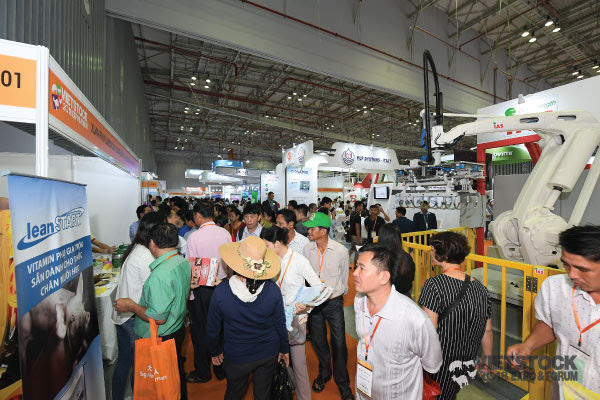
VIETSTOCK 2022 is the leading trade show for Vietnam’s Premier International Feed, Livestock & Meat Industry. The event will be back from 12 – 14 October 2022, at Saigon Exhibition & Convention Center, Ho Chi Minh City, and will be celebrating its 10th anniversary this edition. VIETSTOCK 2022, held in conjunction with VIETFEED & VIETMEAT, is where industry professionals involved in the farm-to-fork value chain for livestock products meet up and form a huge community from which to share and create new business opportunities, partnerships, ideas, and solutions. The practical synergies of these 3 combined exhibitions provide a unique one-stop show to bring together all feed, livestock, and meat sectors, representing the entire animal protein value chain from production to consumption.

VIETSTOCK 2022 EXPO & FORUM will welcome more than 200 leading international exhibitors and 10,000 trade visitors & delegates from the feed, livestock as well as meat sectors in Vietnam. The show is expected to be the biggest Livestock, Feed & Meat event in Vietnam to restart the market.
For Exhibiting under Waste-to-Energy Pavilion, please contact our team for further information:
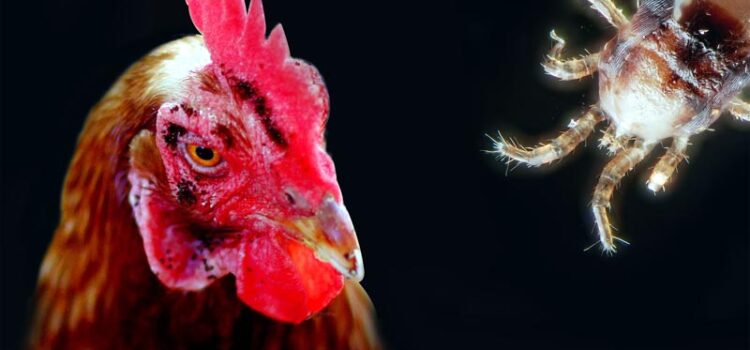
The ubiquitous presence of hematophagous avian mites threatens the poultry industry majorly in Asia and Europe. This leads to huge economic loss and welfare-related issues worldwide. Likewise, the recent review indicated that the prevalence of mites was higher in layer hens (85.2%) than in broilers (0.6%).
Author: Jaiguru Kadam
Avian mites are of both veterinary and medical concerns due to their potential roles as vectors for bacterial and viral pathogens.
Poultry Red Mite, Dermanyssus gallinae, is the most significant ectoparasite globally, affecting production systems in the chicken egg-laying industry. Though chemical control of poultry red mites remains the dominant method in commercial farms, conventional Acaricidal treatments may give only limited or short-lived reductions in mite populations.
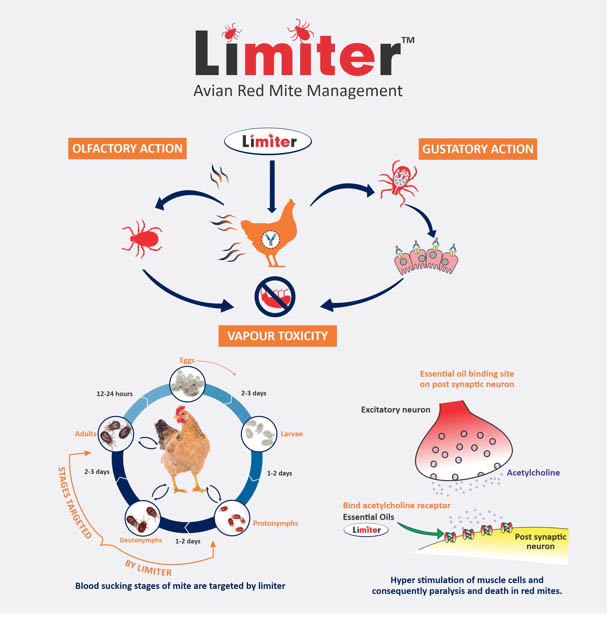
LIMITER is a stable combination of plant-derived oils designed on a pragmatic and rational approach of reducing mites through a multipronged strategy. It induces gustatory avoidance along with olfactory repellency, contact and vapour toxicity.
Mechanism of Action
The essential oil present in Limiter acts on postsynaptic acetylcholine receptors via competitive inhibition, hindering the acetylcholine binding. The absence of signal transmission results in depolarization of nicotinic acetylcholine receptors (acetylcholine receptors at neuromuscular junction) via an increased flow of chloride ions into the muscle cells, resulting in hyperstimulation of muscle cells and consequently paralysis and death in red mites.
Benefits of Limiter
Strong acaricidal activity
Acarine repellent
Highly water-soluble
Stable, no loss of activity of volatile compounds
Long term post-application effect
Non-toxic to birds
Non-hazardous to the environment
Vinayak Ingredients (India) Pvt. Ltd. is a FAMI-QS, GMP, and ISO 22000:2018 certified company, having a legacy of over 40 years in the global market. Revolutionizing the animal feed segment with herbal ingredients, Vinayak Ingredients, operates research, manufacturing, and customization of organic animal feed supplements and additives for poultry, ruminants, pigs, aqua, and pet species.
We harness the power of animal science and Ayurveda to support animal health and performance. We analyze the market needs and use our cutting-edge R & D facility to deliver researched and proven animal nutrition products. Our aim is to provide natural, sustainable, and value-added solutions to the feed mills, livestock, poultry, and aquaculture industries.
About the author: Dr. Jaiguru Kadam, having 25 years of experience in product development, he believes in adding value to customers’ business through unique, innovative and sustainable solutions to animal agriculture.
In the summer season, as the temperature increases, poultry suffers from the condition called heat stress, also known as summer stress. This is a condition of imbalance between heat generation and heat loss in the body. This condition not only brings poor performance in birds but is also responsible for huge economic losses in terms of poor growth, lowered production, and higher mortality. This condition becomes a greater challenge when coupled with a high humidity environment, making the birds even more vulnerable. According to research, poultry is most comfortable in an environmental temperature around 22-28°C (known as their thermoneutral zone). Once the temperature rises beyond this point, poultry show symptoms of heat stress: reduction in feed intake, poor growth, poor production, and increased mortality.
Dr. Milind D. Rainchwar (author), Technical Service Manager Novus South Central Asia
In general, birds are susceptible to high environmental temperature due to an absence of sweat glands, their full body of feathers, their higher body temperature, and the fatty nature of the birds. This heat or summer stress not only brings lowered performance in poultry but also leads to immunosuppression issues, which can result in disease outbreaks and cause heavy mortality. This is mainly due to an absence of sweat glands in poultry making it impossible for them to dissipate heat. In this, males are found to be more prone to heat stress than females.
Ultimately, heat stress causes acid-base disequilibrium, or the inability to cool the body to maintain normal body temperature. Panting allows birds to release heat through an evaporative cooling kind of method, but high humidity coupled with high temperature causes insufficient panting to control body temperature resulting in heat stress.
Behavioural, neuroendocrinal, and physiological changes are observed in birds during heat stress. Behavioural changes can include decreased feed intake, increased water intake, panting, less walking, and elevated wings. Physiological changes include oxidative stress, acid-base imbalance, and respiratory alkalosis. Internally the bird may experience decreased protein digestion and absorption, increased metabolic disorders, Increased chances of disease prevalence, and fertility issues. Production challenges can include reduced feed intake, poor feed conversion ratio, reduced body weight, impaired meat, and egg quality, and, as mentioned before, increased mortality.
Summer Poultry Management: The following steps can help birds combat heat stress
Water management
Housing management
Feed management
General management
Water management is crucial in heat stress management. In summer, water consumption goes up 3-4 times feed intake. So, a good quality water supply is essential. A water hygiene process must be followed because bad bacteria can prevail rapidly under poor conditions, which will lead to disease conditions. Water pipelines must be cleaned well and flushed with organic acids or hydrogen peroxide periodically. Treat water with a quality water acidifier and sanitizer. In general, try to make the water pH in acidic conditions (5.5-6). As feed intake is less during times of increased temperatures, nutritional water acidifiers should be used to help combat heat stress.
Housing management can be divided into two parts, inside shed management, and outside shed management.
Thatching of the roof with green grass or agricultural waste can help reduce shed temperature. Paddy straw can be used for this purpose.
Whitewashing the roof with lime helps mitigate the temperature inside the shed.
Applying sprinklers above the shed.
The use of gunny bags on the side walls (grill) of the shed over which drip water is set.
Allowing trees to grow near the shed to provide shade on the shed.
Prohibit wild birds, which can carry diseases like Avian Influenza, from entering the shed.
Provide 4-6 feet of roof overhang to protect birds from direct sunlight.
Provide ridge ventilation to help remove hot air from inside the shed.
Inside the shed
Use of fans
Use of a fogger
Provide a continuous supply of cool water (if not possible, periodically flush the water to provide cooler water for birds)
Reduce litter thickness (ideally around 400-450 grams per square foot)
Feeding Management
Research shows feed intake is reduced by 1.25% with every 1° rise in temperature. Further, it is observed that there is a decline in feed intake by almost 5% with every degree rise in temperature from 32-38° C. Knowing this it’s best practice to feed a good quality feed during times when heat stress can occur.
Feeding should be done during the cooler hours of the morning or evening but too much gap in feeding time is not advisable.
Increase the number of feeders and drinkers during feeding time to reduce competition among birds.
Adding antioxidants is shown to be helpful to reduce stress and improve feed consumption while maintaining or improving body weight gain. (Vitamin E, Vitamin C, Selenium).
A high-energy diet should be provided during summer because birds lose more energy while panting.
Energy in feed should be supplemented with oil rather than grain because fat has the lowest heat increment value compared to carbohydrates and protein.
Feed consumption is reduced in summer. To overcome nutritional and productive losses it is suggested to supplement the diet with 10-15% more amino acids, vitamins, and minerals rather than increasing the protein level directly.
Increase calcium and phosphorus levels to overcome thin eggshells more often seen during summer due to respiratory alkalosis (more carbon dioxide is lost due to panting).
Instances of viral challenges increase during this time as immunosuppression is common. Fumaric acid is shown to have good antiviral properties and can help to reduce viral challenges. A combination of coated benzoic acid and fumaric acid as an acidifier (as AVIMATRIX® feed supplement) can help to reduce stress and improve the performance of the flock.
MINTREX® chelated trace minerals, a supplement of organic trace minerals zinc, copper, or manganese, and methionine source HMTBa are shown to help heat stress conditions. HMTBa molecules undergo absorption through diffusion, which doesn’t require energy. Thus, using minerals with HMTBa can reduce heat stress during summer and help improve performance.
Essential oils have a broad range of action from being immunomodulators to performance enhancers. Adding essential oils – especially thymol and carvacrol – to the diet can help mitigate summer stress challenges and improve meat yield and overall performance.
Use of MOS and B Glucans during heat stress conditions is convincing due to the possibility to reverse or compensate physiological alterations induced by heat stress and by restoring immune function and promoting robust inflammatory responses.
The addition of ammonium chloride, potassium chloride, and/or sodium bicarbonate has shown improved performance in broilers by improving water quality and feed intake.
Probiotics can be used to help control the corticosterone level and the excessive release of pro-inflammatory agents. Lactobacillus-based probiotics enhance goblet cell count in the duodenum and jejunum of heat-stressed broilers thereby improving the feed conversion ratio.
Since a hot humid climate favors the growth of mould/fungi in feed the consistent use of an antifungal is recommended.
General Management
The depth of litter should be 2-3 inches on the floor.
10% extra floor space should be provided in summer. Bird overcrowding only contributed to heat stress and must be avoided.
Shifting, transportation, debeaking, and vaccination should take place during the night or cool hours in the morning.
Birds severely heat stressed may be dipped in cold water for 2-3 minutes to provide relief. Be sure to keep their head and neck above the water level.
Use foggers in the shed, which can reduce the shed temperature up to 5-10°C depending on the quality of the fogger.
The house should be situated away from other buildings to facilitate the free movement of air.
“Summer management is crucial not only to improve the performance but to gain profit in adverse conditions. So, effective use of feeding, Water, shed management brings the good health of birds and thereby profit to the farmer”.
Indian Poultry Sector: At a glance
The Indian poultry Sector has over the years grown exponentially and playing a significant role in contributing to the India’s Gross value added among all the primary sectors. The sector has witnessed a whopping growth in last 10 years at a compounded annualized growth rate (CAGR) of 7.5% with a cumulative revenue of ~ INR 130 billion producing ~ 6+ Million MT of Broiler meet and ~90 billion edible eggs annually.
Dr. Anjan Goswami (Author)
The Indian poultry sector generates direct and indirect employment to more than 5 million rural and urban Indians, contributing to the 5% of Agriculture GDP. The production efficiencies in the poultry sector have improved significantly over last one decade.
The feed conversion ratio (FCR) in broiler meat production has come down to 1.55-1.6 against 1.8-1.9 a decade ago with an efficiency improvement of ~14%. Similarly, in the layer and breeder sector as well, the hen housed eggs and hen housed hatching eggs has improvised to a great extent. Today a layer bird during her economic life cycle is able to produce 330 edible eggs and a breeder bird lay about 180 egg is her economic lifecycle of 68-70 weeks. The greatness of Indian Poultry sector and its contribution to the nation is known to all within the sector and beyond with the growing traction, growth and developments in the sector.
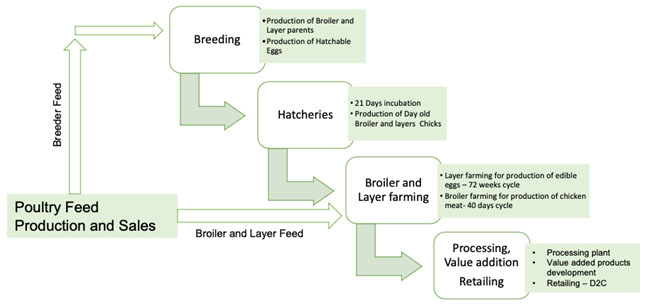
Fig: Traditional Value chain of a poultry Production Cycle:
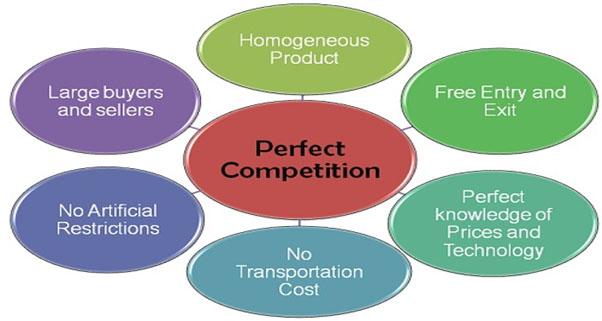
The Perfect competition in Poultry:
In the recent years, the Indian poultry sector has advanced significantly towards brand building and value addition of chicken meat and eggs. However, the fact of the matter is, about 91% of chicken meat and eggs in the market is still being sold through wet market and open wholesale market as a commodity in a perfect competition scenario. Under such circumstances, the price becomes the only differentiations between the products. Therefore, the poultry farmers are most often compelled to fall into trap of competition from fellow producers and sell their produced at a under-price and incur losses in spite of the performance efficiencies.
Fig: Fundamental Components of a perfect competition environment
Demand & Supply in Poultry sector:
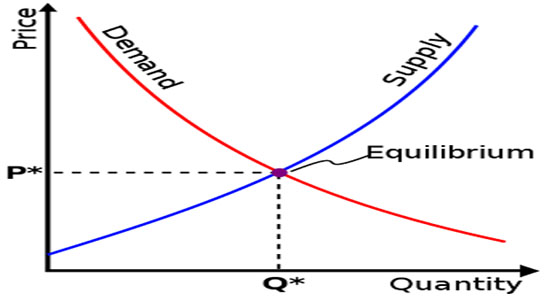
In this article, an attempt has been made to discuss a few key aspects of demand and supply which applies to the all-range poultry products. Fundamentally, when the demand matches the supply, the price optimises, but in the sectors like poultry wherein the supply and demand data are not available in secondary sources, demand is predicted on the available produced based on a given price.
Fig: Traditional demand and supply Curve with optimal price point
The price above cost of production is a major indicator for demand in perfectly competitive market. If the poultry produce is sold in a price which is higher than the cost of production, the producers consider that to be the optimally available quantity. On the other hand, when the produced goods are sold in a price lesser than or closer to the cost of production, it is considered to be either a lower consumption demand or higher supply level with nominal demand. But the irony is, in the most of the cases, the actual consumption demand is measured through the price being offered by the intermediary buyers which may not be the right reflection of actual willingness to pay by consumers.
Price dynamics and volume of sales is the indicative of demand. A poultry farmer or a producer organisation identifies the demand based on the enquiry being made by customers over the previous period and price is obtained from that. Given the fact that measuring demand without knowing the actual pattern of consumption and supply is highly critical, the article aims at evaluating the fundamental facts which is to be looked at while deciding price of the poultry products.
Below are a few fundamental microeconomic concepts which are highly relevant with poultry sector in this regard.
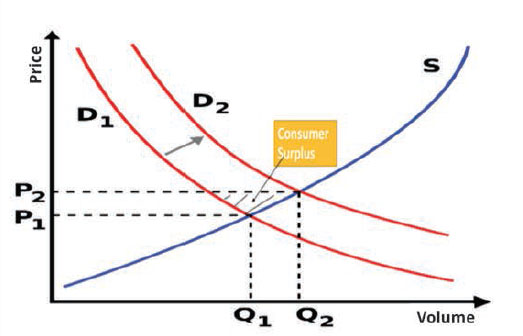
Fig: Illustration of demand curve shifting leading to consumer surplus
Consumer Surplus:
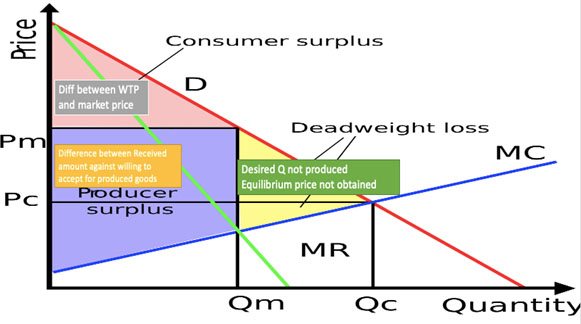
It is an economic measurement of consumer benefits. A consumer surplus happens when the price that consumers pay for the poultry products is less than the price, they’re willing to pay. It’s a measure of the additional benefit that consumers receive because they’re paying less for something than what they were willing to pay. Lack of market information and desperate sales by the farmers mostly leads to a situation wherein the intermediary buyers gets the consumers benefit due the fact that the producers are not informed enough on the market prevailing price and available volume.
Producer Surplus:
On the other hand, a producer always tries to increase his producer surplus by trying to sell more and more at higher prices. However, it is simply not possible to increase the producer surplus indefinitely since at higher prices there might be very little or no demand for the produced goods. In a given circumstances, it is important for the producers to take an informed decision and identify the optimal production.
Both consumer surplus and the producer surplus occur in poultry sector in most of the time during the year due to the lack of information on supply and demand.
Deadweight Loss:
It is the excess burden created due to loss of benefit to the participants in the transaction which may be individuals as consumers or producers. In the supply chain of poultry produced, it is extremely important to maintain and streamline margins of intermediaries to eliminate the chances of deadweight loss for the consumers or producers.
Fig: Schematic representation of consumer and producer surplus and Deadweight loss
Opportunity Cost:
Opportunity costs represent the potential benefits that a poultry producer misses out on when choosing one alternative over another. Because opportunity costs are unseen by definition, they can easily be overlooked. Understanding the potential missed opportunities when a poultry farmer or a producer company chooses one options over another allows for better decision making.
Demand Measurement: Predictive Demand Vs Actual Demand
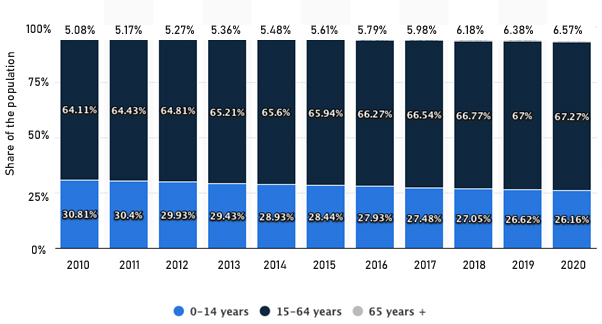
Sources: Statista 2022
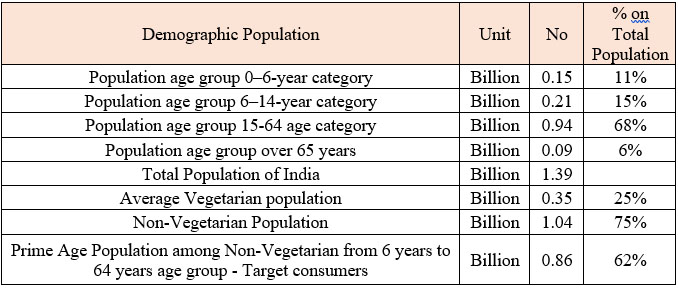
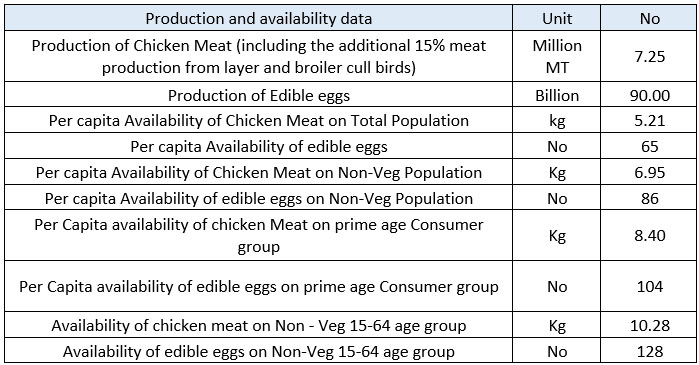
The statistics depicts that the current population of India is at 1.39 billion or 1393.4 million. Out of the total population, 26.16 % of the Indian population fall into the 0–14-year category, 67.27% into the 15-64 age group and 6.57 % are over 65 years of age. According to the to the Indian National Family Health 2015–16 NFHS survey 75% of Indians are not vegetarian, the number is 78% for women and 70% for men. On the other hand, as per the poultry industry data, the per capita availability of chicken meat is ~ 5 Kg and edible egg is at ~65 numbers.
Segmentation of Consumers:
Table: Illustration of Indian population DemographyTable: Illustration of Availability of Chicken meat and eggs on target Population
Above table reflects that although the per capita availability of chicken meat and egg is at 5 kg and 65 eggs respectively, but actual availability on target group of consumers is at 10.28 kg and 128 eggs. Moreover 65% of the Indian population are reported to be from rural and purchase power parity is limited. The demand for meat and eggs drop drastically as soon as price goes up beyond a point leading to a surplus supply at the same production level.
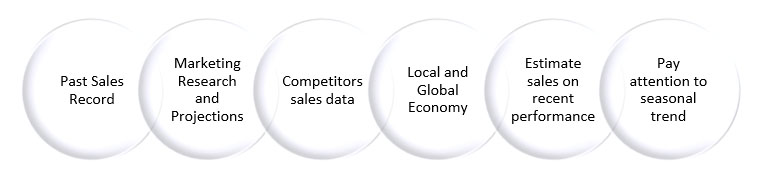
Fig: Demand Measurement tools
Summary:
Price optimization in correlation with supply and demand measurement with the help of information and technology is the key for Indian poultry sector to ensure protect return on investment and benefit the most.
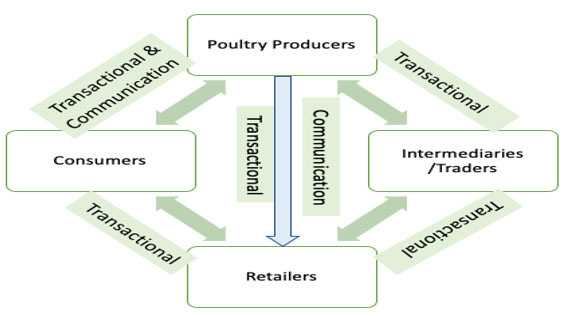
Fig: Schematic representation of desired relationship framework among the stake holders
The producer companies are required to consider at business models adding value towards vertical forward integration and reach out to the direct consumers so that the margins are maximised in the value chain which can be in turn passed on to the consumers to boost the consumption at a reasonable price. Establishing communication between the retailers and producers is the need of the hour to measure the actual demand at retail level based on which the dynamics of the price of different poultry products may be determined more efficiently.
Sustainable Specialty Chemicals provider Perstorp Group to be acquired by PETRONAS Chemicals Group.
Perstorp Group, a leading sustainability-driven global specialty chemicals company, said that it is to be acquired by PETRONAS Chemicals Group Berhad (PCG). PCG announced that it has signed a Securities Purchase Agreement on 14 May 2022 to acquire the entire equity interest in Perstorp Holding AB. The agreement was signed with Financière Forêt S.à.r.l, a company under PAI Partners, a European private equity firm.
Jan Secher, President and CEO Perstorp
Jan Secher, President and CEO of Perstorp said, “We are excited to become part of the PETRONAS family. I see a strong commonality in values and priorities for how to take our respective businesses forward, meeting the challenges and opportunities of the future. By tapping into PCG’s strength and market leading position in the Asia Pacific region, we are confident that Perstorp can continue to develop into its next phase of growth. Being part of PCG means Perstorp gets the scale to increase the pace of innovation and accelerate our sustainable transformation, which is at the forefront of the chemical industry. PCG’s and Perstorp’s businesses complement each other very well.”
“Perstorp is an outstanding strategic fit for PCG and enables us to participate in attractive end-markets such as paints and coatings, construction, plastic additives, personal care and food, feed & nutrition, paints and coatings that share a robust growth outlook. This acquisition will also provide us critical talent, know-how, technological platforms and proven customer channels to address the pressing needs of the market for more eco-friendly and sustainable solutions,” said PCG Managing Director and CEO, Ir. Mohd Yusri Mohamed Yusof.
Established more than 140 years ago, Perstorp is a leading niche specialty chemicals player that develops sustainable solutions with focus on the Resins & Coatings, Engineered Fluids and Animal Nutrition markets. The company has a global sales presence, seven state-of-the art manufacturing sites in Europe, US and China (the 8th plant will be ready in India in 2023) and three research and development (R&D) centres worldwide with approximately 1,500 employees serving more than 2,600 customers globally. Perstorp is highly regarded among its customers for its product quality and application expertise, supply reliability, customer centricity and Pro-Environment products and solutions.
“We find Perstorp attractive for their expansive range of products, established customer base as well as their market leadership in selected chemicals, which are complementary to PCG. It is our intention to make Perstorp our growth platform into the Specialty chemicals field. With Perstorp’s holistic and innovative approach to reduce environmental impact in line with PCG’s aim for positive environmental and social contribution, we are confident that together we can accelerate our sustainability journey towards circular economy and carbon neutrality by 2050”, concluded Ir. Mohd Yusri.
PCG’s journey to achieve its vision of becoming the preferred chemical company providing innovative customer solutions is based on a clear strategy; to strengthen its basic petrochemicals portfolio, and to selectively diversify into derivatives, specialty chemicals and solutions. In the execution of this strategy, the acquisition of Perstorp group marks the creation of a significant specialty chemicals portfolio, while enhancing PCG’s overall earnings. This transaction follows the acquisition of BRB Group in 2019, a leading global independent producer and formulator of silicones, lube oil additives and chemicals, which launched PCG into new areas aligned with its long-term growth ambitions.
“I am convinced that Perstorp and PCG can learn from each other’s capabilities to ensure we bring the best of our two companies to our customers and our employees. I am confident that PCG will provide the best possible ownership for Perstorp in the years to come” concluded Jan Secher.
The completion of the acquisition is subject to relevant regulatory and shareholders’ approvals.
For more information please find PCG:s media release here
Phileoby Lesaffre, the Global Key Player in fermentation is organising Online Conference Phileo Microbiota Days from 14–15, June, 2022. This virtual conference will provide an overview of the latest scientific results and future developments and their importance to animal health across the lifespan of different animal species.
The event will have High level keynote speeches by scientists from academia, institutes, and industry from Europa, USA and Asia. Followed by Lesaffre & Phileo experts, who will elaborate further on microbiota specie specific topics including poultry, ruminants, swine, aquaculture and pets.
The article explains how essential oils and herbs emerged as effective wound healer and helps in constructive wound management. Due to presence of active ingredients, having wide range of bioactivity, they help in eliminating various skin ailments and wounds and exert beneficial effect on performance of livestock and birds.
Dr. Vandana Sharma Technical Manager Nutricare Lifesciences
External injuries to domesticated animals are common, ranging from tiny scratches to lacerated wounds to catastrophic deep damage. Such wounds have a negative impact on their health, their ability to function, and the owner’s financial situation. Accidental cutaneous injuries, if left untreated, can result in a cascade of pathophysiological changes such as myiasis, sepsis, and, in certain cases, cellulites.
Antibiotic-based treatments have been promoted as a means of encouraging healthy and rapid healing. However, in the quest of side effect free derma care, phytomedicines are a promising choice and are gaining popularity in wound care. It involves disinfection, debridement and ensuring a pathogen-free environment to accelerate healing with minimal side effects is a pressing necessity.
Wound and its consequences
Wounds are injuries caused by external aggression or a mechanical agent rather than disease, and frequently involve tissue division or rupture of the integument or mucous membrane. Domestic animals may sustain wounds as a result of fighting injuries, animal/insect bites, barbed wire injuries when grazing, accidents, and blows. The issues connected with a wound emerge as a result of an infection caused by toxins generated by bacteria at the wound site, resulting in abscess, necrosis, and slough, among other things. Microorganisms enter the wound in a variety of ways. They enter through direct contact with an infective surface, surgical equipment, air, and occasionally self-contamination by scratching or biting the wound. Staphylococcus aureus, Streptococcus pyogenus, Enterococci, Pseudomonas aeruginosa, and Pseudomonas aeruginosa are the most prevalent causal organisms associated with wound infections. Therefore, timely and correct dressing of the wound is required for complete healing process.
Wound healing is a complex process
Wound healing is separated into three phases, each of which has its own time period, as well as specific tissues and cell lines. The inflammatory phase begins with the formation of a clot to halt the bleeding, followed by vasodilation and the activation of immunological defence mechanisms. Following that is the proliferative phase of epidermal, endothelial, and fibroblast cells, which results in the formation of early granulation tissue and angiogenesis. The granular tissue is modified in the final phase by the formation of new collagen fibres and the differentiation of fibroblasts into myofibroblasts, which increases tensile strength and allows the borders of the lesion to be closer together. Wound fail to heal when there is disruption of the normal delicate balance of the growth factors and inflammatory mediators and when left unmanaged leads to formation of biofilms, Sepsis, Myiasis and Cellulitis.
Wound management is a vital step for effective healing
Wound management is an ongoing treatment of a wound, by providing appropriate environment for healing, by both direct and indirect methods, together with the prevention of skin breakdown.
Basic principles of wound management are universally identifiable and include the following:
Reduce bioburden
Reduce edema
Maintain a moist wound environment
Wound lavaging is important in initial wound treatment. Irrigation of the wound, washes away both visible and microscopic debris. This reduces the bacterial load in the tissue, which helps decrease wound complications and also allows better examination of underlying tissues. Open wounds often must be managed for several days, weeks, or even months until they can be closed or they heal by second intention.
The majority of wounds heals effectively with standard wound management approaches and good bandaging; however, topical medications may be explored as an adjuvant for chronic, non-healing wounds. Non-healing wounds are halted during one of the healing phases, most commonly the inflammatory phase 2. As a result, topical treatments help the body move from an inflammatory to a proliferative state.
There are a number of factors that influence how well and quickly wounds heal. Healing is influenced by a variety of factors, including the environment, the animal’s overall health, and pharmacological treatments. One environmental component that influences wound healing is temperature. The optimal temperature for wound healing is around 86°F (30°C). Cold temperatures can weaken wounds, causing them to take longer to heal. Wounds require oxygen to heal as well. Bandages should not be too tight to allow blood to flow freely through the wound.
Herbs in wound healing
Many topical drugs are used to treat wounds. These may be intended to promote natural wound closure, prevent infection, or reduce pain. However, other topical drugs (used for other purposes) may slow wound healing. Plants can help manage and cure wounds in a variety of ways. In many areas, tribal and traditional heal wounds and burns using a wide variety of plants. The molecular and physiological effects of therapeutic plant extracts and components are frequently studied in mammalian systems; in 2008, 68 percent of all pharmaceutical medicines were derived from or inspired by plants.
Aloe vera has been used as a first-line treatment for burns, ulcers, and surgical wounds. Pyrocatechol, saponins, acemannan, anthraquinones, glycosides, oleic acid, phytol, and simple and complex water-soluble polysaccharides are among the many natural bioactive substances found in aloe vera. Acetone extracts from Aloe vera leaves are rich in saponins, acemannan, and anthraquinone possess antibacterial activity. Gram-positive bacteria appear to be more responsive to Aloe vera than Gram-negative bacteria.
Safflower seeds, or Carthamus tinctorius, has been linked to a variety of biological actions, including vasodilation, immunological modulation, anticoagulation and thromboprophylaxis, antioxidation, anti-inflammation, antihepatic fibrosis, and analgesia. The primary water-soluble monomer of safflower yellow pigments, has antioxidant, anti-inflammatory , proangiogenic, and apoptosis-inhibiting characteristics. Topical administration promotes neovascularization, reepithelialization, and granulation tissue development in wounds.
Curcumin, an active ingredient found in the root of Curcuma longa, has been used as a medication for centuries. Curcumin is used to treat inflammation, lung problems, and liver problems by traditional Ayurvedic medicine practitioners. Abdominal pain is often treated with curcumin. At the transcriptional, translational, and posttranslational levels, this highly pleiotropic protein has been shown to interact with critical physiological pathways. Epithelial malignancies are treated with curcumin. Curcumin promotes fibroblast proliferation, granulation tissue development, and collagen deposition in the healing of cutaneous wounds, which is maybe not surprising.
Wondrous role of essential oils
Essential oils are recognised for their natural protective role for host plants, as well as the fact that they contain characteristics that are several times stronger than those found in dried herbs. Antibacterial, antimicrobial, antiviral, and antifungal qualities, as well as some specific therapeutic benefits, are among the features that make essential oils of great interest. The herbal bioactives present in the essential oils change the chemical and cellular environment of the wound bed. Essential oils create a wonderful wound environment by enhancing the intrinsic factors such as cytokines and other growth factors, enhance body defense, aid in proliferation of fibroblasts and result in effective healing.
Moist environment is necessary for healing. Essential oils are lipophilic and stick to the wound texture easily. They form a layer on the surface thus shielding the wound completely, hence preventing dessication, and maintaining moist wound surface. Since, the intracellular moisture remains intact and celluar integrity, is maintained, perfect wound environment is thus generated.
We at Nutricare offer a unique combination of essential oils and phytobioactives for wound, eczema, ringworm, pruritis and other problems.
Pine oil treats various skin problems like psoriasis, itching, pimples, eczema, skin diseases, scabies, sores and fleas. It can also act as an antioxidant and prevents free radicals attack on the healthy skin cells.
Eucalyptus oil is antibacterial and analgesic. Cineole in eucalyptus oil has anti-inflammatory and antimicrobial activity. Eucalyptus oil has larvicidal activity and repellency has been tested against Aedes albopictus, Aedes aegypti, and Culex pipiens.
Himachalenes and Atlantones from Cedar oil have been found to have immunemodulatory, antiseptic, insecticidal, anti-fungal activity, anti-inflammatory, anti-oxidant and molluscidal activity. Cedrol treats eczema and cure the inflammation that leads to this irritating skin issue. It reduces skin pealing and treats the infection with its antifungal properties.
Ocimum basilicum oil significantly inhibits the growth of bacterial strains S. aureus, E. faecalis, E. coli, P.aeruginosa and the yeast Candida albicans, which are the common causatives of mastitis.
α-turmerone, β-turmerone and ar-turmerone from Curcuma longa oil have insecticidal, antimicrobial, antifungal and antioxidant actions. They also have healing ability and avoid udder cracks.
Ingredients like Nimbine from Neem oil prevent secondary infection. The alpha-linolenic acid and related chemicals are anti-inflammatory and remove hardness of tissues.
Hemostasis, inflammation, debridement, repair (proliferation), and remodeling are all aspects of wound healing that occur simultaneously. Various endogenous and external factors influence each phase. Essential oils shows promising results in skin wound healing by modulating processes involved in the inflammatory, proliferative, and remodeling stages.