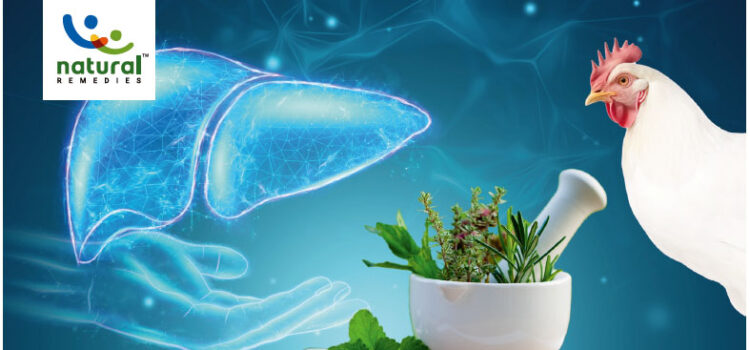
Role of liver in detoxification. How Phytogenics helps during toxicity of liver?
The poultry industry plays a crucial role in meeting the global demand for animal protein. However, the quality of the feed that poultry consumes has a significant impact on both their health and production. The liver is a significant organ that is vulnerable to harm from improperly formulated or contaminated feed, which can result in a variety of health problems.
Authors
The liver health of poultry birds is seriously threatened by the toxification of poultry feed, which happens when dangerous compounds enter the feed supply chain. Toxification in poultry feed refers to the introduction of harmful substances such as mycotoxins, heavy metals, pesticides, and other contaminants into the feed. During cultivation, storage, shipping, and processing, among other steps of the feed production and distribution process, these chemicals might appear. Once these toxins find their way into the feed, they can have profound effects on the health of poultry, particularly on the liver.
Toxins and their impact
Mycotoxicosis: Mycotoxins, produced by Molds that grow on feed ingredients, are a common form of feed contamination. Mycotoxins that can harm the liver include aflatoxins, ochratoxins, triclothenes type A, and fumonisins. They create inflammation, change liver enzymes, hinder detoxification, and jeopardise the liver’s capacity to operate normally.
Pesticide Residues: Residues of pesticides used on crops or feed ingredients can find their way into poultry feed. Chronic exposure to these chemicals can strain the liver’s detoxification capacity and negatively impact liver health.
Heavy Metal Poisoning: Some feed ingredients may contain heavy metals like lead, mercury, and cadmium. These metals accumulate in the liver, causing oxidative stress and interfering with metabolic processes. The liver’s role in detoxifying these metals can lead to cellular damage and inflammation.
The Liver’s Role in Poultry Health
The liver serves several purposes in the physiology of chickens, including metabolism, detoxification, and the control of many physiological processes. It is essential for metabolizing and eliminating toxins that enter the body of the chicken. However, regular exposure to contaminated feed may hamper the liver’s ability to detoxify, which can result in several health problems. The liver is the major detoxification organ in the body. A wide range of fat-soluble substances, such as metabolic end products (such as ammonia, byproducts of blood cell lysis, and bile pigments), contaminants (e.g., pesticides), anti-nutrients, heavy metals, additives (e.g., antibiotics), and drugs, are among the potential toxins. These can harm the bird’s health to varied degrees depending on its concentration. During the process of detoxification, through oxidation, reduction, hydrolysis, and conjugation, the liver converts these toxins to more polar and water-soluble waste products, which are then eliminated via the kidneys and gall bladder. Importantly, the phagocytic action of Kupffer cells is a principal mechanism by which the microorganisms entering the blood are destroyed.
Can phytogenic enhance liver detoxification function?
Considering the rising demand for chicken that has been grown organically, employing naturally occurring nutrients may be a cost-effective method to boost farm output and wellbeing. The liver has been shown to benefit from a variety of herbs, which may increase farm productivity. Phytogenic feed additives are made up of elements that come from plants, including alkaloids, flavonoids, saponins, phenolic compounds, and essential oils. Numerous studies have documented the numerous functions of Phytogenic Feed Additives (PFAs), including advantages in feed palatability, intestinal growth, and health as well as antimicrobial, antioxidant, anthelminthic, anti-inflammatory, anti-stress, and nutrigenomic effects.
With all these properties of phytogenic,Natural Remedieshas come up with a new formulation of phytogenic that enhances poultry liver functioning. Zigbir NEU, an NRSBP, is selectively crafted with the finest phytoconstituents to meet the needs of high-performing modern birds. Zigbir NEU with NEU function provides natural protection of the liver against known and unknown toxins in poultry, enhances liver health and metabolism, and provides uniform growth and productivity.
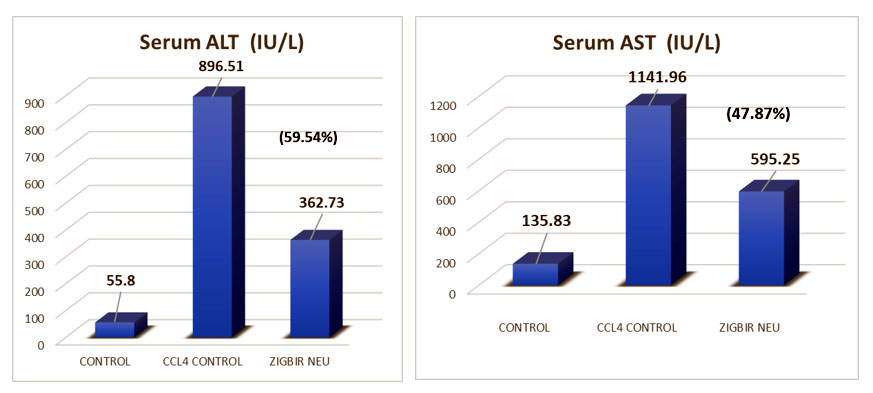
In an experiment conducted on Wistar rats, they were treated with CCl4 (Carbon Tetra Chloride), which directly affects the liver. It was observed that rats supplemented with Zigbir NEU have significantly less damage to the liver as compared to rats not supplemented with Zigbir NEU. The hepatic enzymes (ALT and AST) were significantly increased in the non-supplemented group as compared to the Zigbir NEU and control groups.
In conclusion, high-performing modern breeds are always at risk of contact with toxins, whether known or unknown, and the liver is under continuous pressure to meet the requirements of modern birds, whether metabolism, secretion, storage, detoxification, or other, to have high productivity and growth.
Zigbir NEU is a polyherbal formulation that facilitates enhanced liver functions and optimum metabolism, along with hepatoprotective activity.
Authors: Midhun Raj and Dr. Jagritee Singh

Reference:
https://mycotoxinsite.com/effects-of-mycotoxins-in-poultry/
Ipçak, H.H., 2023. The Role of Phytogenic Feed Additives in Modulating Poultry Nutritional Physiology and Genomics.
Zaefarian, F., Abdollahi, M.R., Cowieson, A. and Ravindran, V., 2019. Avian liver: the forgotten organ. Animals, 9(2), p.63
Usually, the term monsoon is used to refer to the rainy phase of a seasonally changing pattern. It is the time of year when most of a region’s average annual rainfall occurs. Monsoon comes with the challenges of high relative humidity and fluctuations of temperature.
Extremes of weather are always harmful for living beings, especially monsoon that favours the propagation of different kind of pathogenic organisms like bacteria, virus, fungus, parasites and different vectors like flies, mosquitoes etc. This requires due considerations and appropriate measures in chicken farming for maintaining livability and efficient production.
Housing management: A well maintained shed helps minimizing the climatic stress and health challenges in birds.
Before the ensuing monsoon the roof of the house, walls should be duly inspected and any kind of holes or leakages anywhere should be properly repaired. The drainage ditch around the shed should be clear. In the roofs, the side overhangs should be minimum 3 to 4 ft to prevent entry of direct rain water into the shed. The side walls of the empty shed should be completely covered with polythene curtains. Curtains should be in good condition and can easily be regulated depending on the ammonia concentration in the shed or rain intensity. Improper curtain management can result in poor ventilation in the shed leading to ammonia built up and associated issues like improper digestion, abnormal respiratory sounds, and high incidence of ascites. Allow a 1-2 ft opening at the top of side curtains during the day to ventilate ammonia and other undesirable gases out.
Maggot wound
At least 10 ft outside the shed should be kept properly cleaned and free from bushes and grasses. If there is any water logging in the surrounding area it may cause a huge problem of insects in the poultry shed. Since monsoon is the breeding season for flies, there is always a big concern. Flies act as vector for many viral, bacterial and parasitic infections in poultry. Also, there is every chance of developing maggot wounds in case of loose drops/ pasty vents. Cleanliness along with judicious use of insecticides and regular bleaching powder & formalin spray (3-5%) outside the shed can keep the insect population under control.
Reduction in daylight hours (photoperiod) during the rainy season, can be alleviated by providing artificial light to maintain optimum feed intake and egg production.
Litter management: Litter is where the chickens spend all their life in deep litter system. Rice husk, saw dust and wood shavings are commonly used litter materials in poultry farming. Adequate care must be taken to manage litter.
A good quality litter should be highly absorbent and should dilute the concentration of droppings. The litter thickness should be around 3 inches. Store at least 20% more litter material in a dry place to replace the wet litter material when required. There should not be any seepage from the floor wetting the litter.
Caked litter
Wet and caked litter leads to high built-up ammonia in the poultry house. Ammonia is generated by chemical and microbial degradation of uric acid, which is excreted by the birds. The resulting ammonium ions (NH4+) are converted into volatile ammonia, especially under alkaline conditions, higher temperatures, higher moisture, and higher NH4+ concentration (Bittman and Mikkelsen, 2009). The maximum permissible level of ammonia in the litter is 25 ppm, though at 6 ppm concentration only, there will be irritation of the eyes & the respiratory tract and at 11 ppm reduced animal performance. Ammonia & other noxious gases irritate the eyes and by inhalation, damage the inner lining of the respiratory tract of the birds exposing them to infections.
Wet litter causes growth of mould, bacteria, viruses & germination of coccidial oocysts leading to various diseases & poor performance. Wet litter is also responsible for breast blisters & sores on the foot pads & hocks of the birds and hence, cases of more refusal by lifters or traders. Normally the ideal moisture content of the litter should be 20- 25%. If the litter is too dry, the air becomes quite dusty and the respiratory system gets irritated and then easily invaded by microbes, in the process, the resistance against respiratory diseases goes down tremendously. Examine the litter regularly in monsoon, particularly where the drinkers are placed.
The caked litter, if formed (indicating litter moisture> 40%), should immediately be discarded, and replaced with fresh litter. To get rid of this caked litter practice twice a day litter racking. To reduce the litter moisture, add 1 kg slaked lime and 150 gm bleaching powder per 100 ft2 floor area. Ceiling fan should be operated @ 1 per 300 birds in deep litter broiler farms. To prevent the growth of mould, new litter can be treated with 2% aqueous solution of copper sulphate spray. To assess the litter moisture at farm level, a sample of litter can be taken on the hand and pressed in the palm with the help of fingers. If the litter moisture is optimum, the compressed litter material shows crevices and gently falls apart. If the litter is too wet, it will form a cohesive ball or lump. If the litter is too dry, it will form no impression, it will crumble easily and fall apart.
Feed management: During monsoon, because of high temperature and relative humidity, birds may decrease their feed intake. Care should be taken while diet formulation about all the vital nutrients considering the seasonal impact on the feed intake.
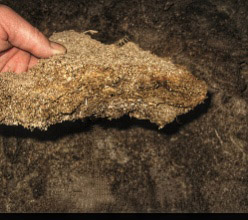
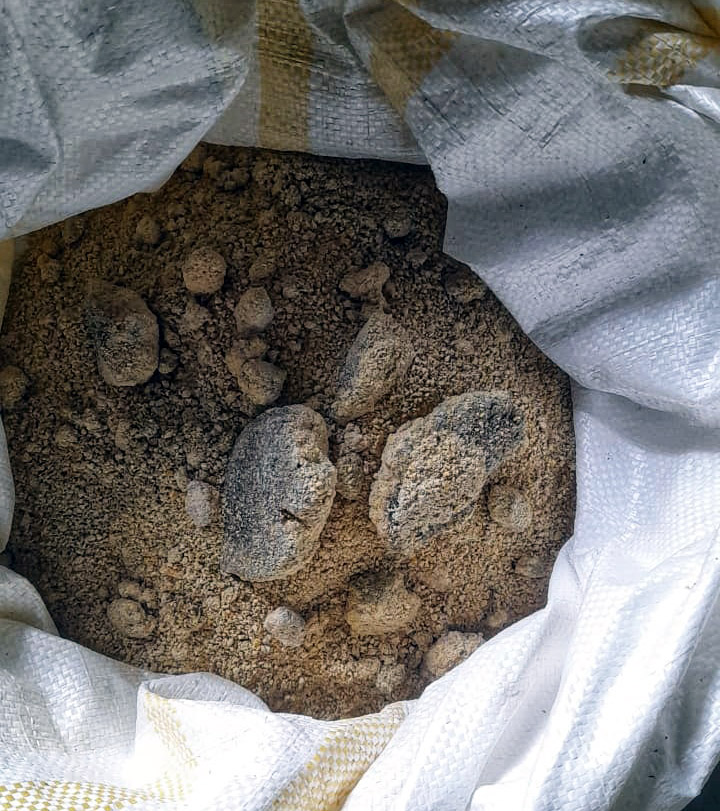
Lumps in feed bag
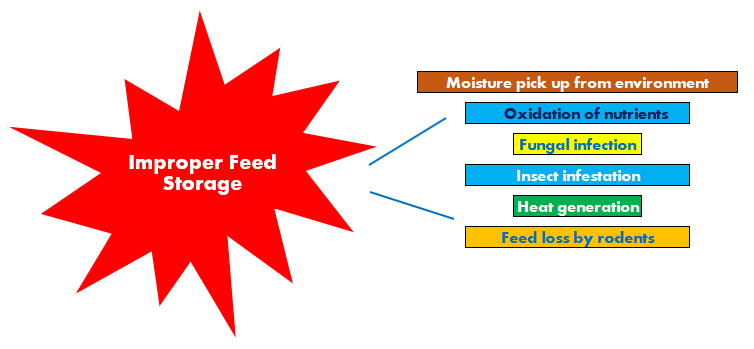
Do not store feed for long in monsoon. The shelf-life of feed is shorter due to high humid condition in monsoon. Never allow feed in the bags to get heated up, and/ or cake formation. These are preliminary signs of decompositions and mould growth. If the feed is coming from a faraway place, make sure that the transport vehicle is completely closed and there is no water leakage inside the vehicle. 4-5 days extra feed stock should be kept in the farm to avoid frequent transportation in rainy days.
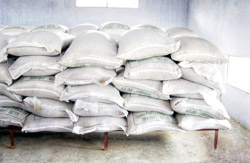
Feed storage
The best way to store the feed bags is on Dunnage system. The feed bags should be stacked in an elevated platform using wooden/ bamboo pallet minimum 1 ft off the floor and away from the side walls to avoid any moisture contact and also there will be facility for free air movements under the bags. This will help to minimize the toxicity related issues. Try to maintain the FIFO system in feed distribution.
Improper feed storage
Avoid strictly use of wooden feed trough since it always leads to growth of moulds giving rise to toxin production. Plastic / polythene trough will be far better to use for easy cleaning and disinfectant purpose. At least once daily the feeder should be wiped with dry cloths.
Special care should be taken during feed formulation in monsoon while selecting the in feed anticoccidial and a broad-spectrum mycotoxin binder.
Water management: Drinking water quality is often an afterthought in many poultry farms. However, a clean, safe water supply can have a huge impact on flock performance. Water quality can be easily affected during rainy season especially the surface water. E. coli and other coliforms count in water is generally higher during this season. Contaminated water sources can easily cause outbreaks in chicken. So, it is essential to maintain regular water sanitation.
Water sanitizers should be used with sufficient contact times and applied with an appropriate dosing. Acidification of drinking water lowers the pH and a lower water pH has been shown to reduce populations of bacteria, such as Salmonella, Campylobacter, and Clostridia in the crop before they reach the lower digestive system (Watkins S et al., 2004). Research shows that poultry prefers water with a pH ranging from 6 to 6.8. But a target can be taken to keep the drinking water pH around 5.0 to 5.5 to retard the growth of most pathogens.
Acidified drinking water also can help mitigate the adverse effects of stress (Hamid H et al., 2018). Drinkers should be cleaned daily with detergents and bleaching powder to reduce the occurrences of water-borne diseases. Pipelines should be cleaned at least once in a week. This will help in reducing the biofilm formation inside the line.
Oxidation- Reduction – Potential (ORP) is one method used to evaluate the ability of a sanitizer to be a strong oxidizer for destroying bacteria, viruses, and other organic materials present in water or for reacting with harmful minerals such as iron and manganese. An ORP value in the range of > 650 mv indicates good quality water that can effectively be sanitized by as little as 2-4 ppm free chlorine (Oviedo, 2006).
Disease Control
Disease control: The inclement weather during monsoon can cause birds’ immunity take a beating as infections are rampant and the increased humidity can contribute to several outbreaks. Insect population and rodent activities also increase during this time as a result of local crop growth. All together creates a huge challenge to the poultry farmers with high morbidity and mortality rates.
Below are some of the diseases commonly encountered in chicken rearing during the rainy season.
Mycotoxicoses are diseases resulting from consumption or exposure to mycotoxins. Mycotoxins are secondary metabolites of certain filamentous fungi (primarily to the species of the Aspergillus, Penicillium, and Fusarium genera) found in grains, cereals and forages, that can cause serious health problems in animals, especially chickens. Mycotoxins affect all poultry species, mainly causing severe immunosuppression along with decreased weight gain, poor feed efficiency, reduced egg production and egg weight, liver, and kidney damages etc. Preventive measures, like proper monitoring of ingredients, limiting highly contaminated raw materials and use of a broad-spectrum toxin binder in the feed, can help a great extent reducing the risk of mycotoxins in poultry production.
Typical IBH lesions
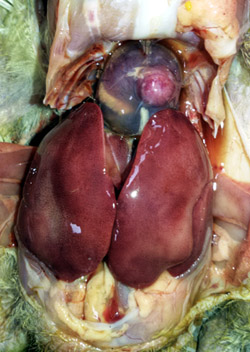
Inclusion Body Hepatitis (IBH) and Hydro-pericardium Syndrome (HPS) are highly contagious diseases caused by chicken Adeno viruses, predominantly in young broilers, characterized by haemorrhages & necrotic changes in liver and kidneys, accompanied by intra-nuclear inclusion bodies and hydropericardium resulting sudden onset of mortality with high FCR. Immunosuppressive diseases, like Infectious Bursal Disease (IBD) and Chicken Infectious Anaemia (CIA), help Adeno viruses to produce IBH. Both live and inactivated vaccines are available for control. Strict bio-security measures at farm level must be implemented to restrict horizontal transmission.
Infectious bursal disease (IBD)or Gumboro disease is a highly contagious viral disease of young chickens characterised by depression, watery diarrhoea, ruffled feathers, and dehydration. The virus infects immature B-lymphocytes and causes an immune suppression that leads to secondary infections in convalescent birds. The infection spreads easily from bird to bird by way of droppings. Infected clothing and equipment are means of transmission between farms. In monsoon, the disease may be further complicated with mycotoxicoses. There is no such treatment. Vaccination of breeders and young chicks is the best means of control.
Coccidiosis is one of the biggest causes of economic losses in poultry worldwide. It is caused by a protozoan parasite Eimeria spp. in poultry. The disease course is rapid (prepatent period 4–7 days) and is characterized by parasite replication in host cells with extensive damage to intestinal mucosa.
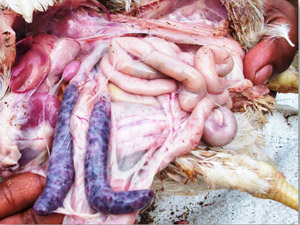
Caecal coccidiosis
In monsoon, wet litter, oxygen and warm temperature create the ideal environment to induce sporulation of the coccidian oocysts and therefore, the outbreak of coccidiosis. Clinical form of the disease is generally characterised by defective digestion and absorption, diarrhoea, blood loss, dehydration, increase susceptibility to other diseases.
The main financial losses are caused by the subclinical form of the disease, leading to poor performances. Treatment is costlier, so control should be followed in broiler chicken. Anticoccidial compounds are used in feed to prevent disease and the economic loss often associated with subacute infection. At farm level, during terminal disinfection, using 10% liquor ammon forte (0.89%), i.e., 2.5 lit liquor ammon forte in 25 lit of water per 1000 ft2 of shed can reduce the chance of occurrence of coccidiosis in the next flock to a great extent.
Necrotic enteritis (NE) is the most common and financially devastating bacterial infection in modern broiler flocks. Necrotic Enteritis is caused by the Gram+, toxin forming, spore forming, anaerobe Clostridium perfringens found in soil, litter, dust and at low levels in the hind gut of healthy birds.
Chickens infected with coccidiosis are more likely to develop the disease. 2 to 5 week old broiler chickens raised on litter are more prone to the acute clinical form, showing severe depression, reluctance to move, diarrhoea, ruffled feathers and sudden death and increased mortality. The subclinical form produces no outward signs but has big impact on performance, like weight loss, reduced weight gain and impaired FCR. For decades, antibiotic growth promoters, like BMD, enramycin, lincomycin, avilamycin have been used on a regular basis to prevent necrotic enteritis. On chicken farms, heating the humid litter considerably decreases the number of viable spores. Adding consortium of probiotics to feed is the most effective and sustainable solution in both preventing and treating clinical necrotic enteritis, presumably by competitive exclusion of C. perfringens.
Colibacillosis is caused by infection with avian pathogenic Escherichia coli (APEC). It is an ever-green disease in poultry and considered among the most economically devastating bacterial diseases of poultry worldwide. During rainy season, E. coli is transmitted to chickens mainly from faecal contamination of water. Immunosuppression from IBD &/or aflatoxicosis makes the bird more susceptible to the infection. Antibiotics based on antibiotic sensitivity test can be used for treatment. Prevention of colibacillosis relies on good hygiene management, hatching egg management and drinking water management practices like proper water sanitization, regular cleaning of drinkers, pipelines and tanks etc.
Aspergillosis, popularly known as brooder pneumonia is an upper respiratory tract infection of young chickens caused by the fungus Aspergillus fumigatus. Transmission is by inhalation of fungus spores from contaminated litter (e.g., damp saw dust, wood shavings, straw) or contaminated feed. Hatcheries may also contribute to infection of chicks. Symptoms include respiratory distress (dyspnoea and gasping), sleepiness, emaciation etc. There no specific treatment for infected birds. Use of 1: 2000 copper sulphate solution mixed with vinegar (acetic acid) in drinking water has shown some results in checking initial mortality. Strict hatchery hygiene, litter management with 2% CuSO4 spray, proper ventilation and adopting strict bio-security measures can reduce the chance of infection.
Conclusion: Monsoon wields unprecedented challenges to the poultry farmers in India, necessitating the implementation of effective strategies. By following effective farm management techniques, bio-security measures and adopting judicious nutritional approach poultry producers can overcome the myriad challenges and maintain productivity level in the farm.
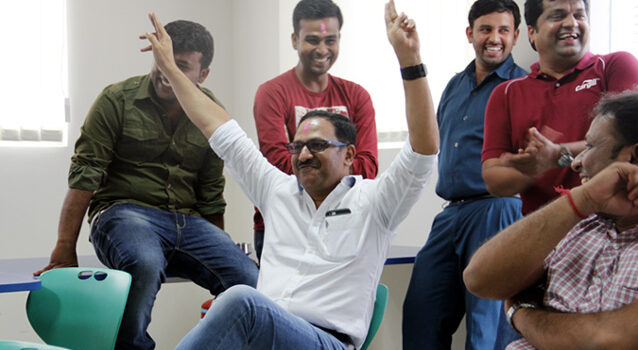
For the purpose of the article, I will use the word “Humour / Fun” as synonyms & contextual. When young, I belonged to a modest family and my father invested everything in our education (incidentally, we were a family of 3 brothers). In those hard times, having fun all the time and laughing at our silly jokes & actions were our way of life. Humour was a single thread that kept us all together in good & hard times. Slowly our times changed and humour kept us grounded, in times of economic trajectory & professional successes. As we know, Humour / Fun does not care about Economic Status. It is an unabashed, intellectual, free-spirited, seamless Emotion and spreads happiness.
Cut to Professional life. I started my career in Human Resources Function, carrying FUN / HUMOUR in my DNA. During my HR Education / Training, we were taught that “O God, give me a person, who sings at work”, “If you are happy at Work, you are happy at Home”, “A happy employee is an engaged employee” and many more, which are little more than cliché.
It’s a proven fact that having fun at workplace fosters productivity. This means employees are more engaged, deliveries are more impactful and they look forward to the next working day. We, as employees, spend most of our waking time at work and during that time, if we pursue our professions with fun / humour, it does a whole lot of good to our emotional well-being.
In our Employee Life-cycle, we work as a Leader and sometimes as followers. In these roles, fun acts an important ingredient to build relationships and trust. Relationships needs Trust and Trust is serious business. Humor & Laughter adds that additional tinge to strengthen relationships. Relationships in all seriousness, personal or professional, is a boring affair and invites stress. Fun releases that stress and creates an atmosphere of lightness, where relationships thrive.
As a Director of HR, some peers, especially Finance, ask me, why are we indulging & spending so much on fun activities? To this my simple answer is – Our employees work in Teams, Teams will have relationships and intensity of work will take a toll on these teams. Having fun together is a great way for people to learn more about one another, to understand each other’s traits, strengths, weaknesses and boundaries. To include fun their team environment, they feel safe, secure and they create a language of oneness. The simple mantra being – The team that laughs together, stays together.
Now the big question – Is there a metrics for Fun? Little, Moderate or Excessive. How much fun is acceptable? Here are few tips on good clean fun:
Fun should be seen as light, harmless, and should evoke happiness to all, it touches.
When working in teams, as far as possible, one should not have fun at the cost of others – though it is easily said than done. If that happens, please focus on the incidence and not on the person.
Poking fun at a person & Mocking are two different things. When the thin line between Poking & Mocking is crossed, someone should step in and regulate.
It is generally seen that some employees have the knack of mimicking their superiors in public functions. Care needs to be taken that the mimicking is aimed at evoking special characteristics of that person and in no way derogatory.
Focus of fun should be at an intellectual level and not on physical levels. Having pranks or physical fun, often leads to fights. Be mindful here.
Humour / Fun aimed at colleagues, with sexual connotations / innuendoes are the cheapest form of entertainment, but liked by many. This could land you in real and legal trouble. AVOID AT ALL COSTS.
No sexist and/or casteist fun, as most of the workplaces are Diverse & Inclusive.
No matter how careful we are, we sometimes overstep and make fun of people or situations. If the cost of having fun is great, then be prepared to take the consequences as well. The best way is to apologize sincerely and move on.
The underlying philosophy should be “All Work and No Play – Makes one a dull person” AND NOT “All Play and No Work – Makes one a painful employee”.
Keeping these in view, being a humorous person myself, I tried to be “Happy / Funny / Humorous” and when I applied it too much, it back fired. Here are two real anecdotes:
Incident No. 1: Having Pungent Sense of Humour proved costly but beneficial
I worked with this HUGE Corporate Conglomerate in one of the Divisions as HR Manager. As a part of our learning, we were required to conduct HR audits periodically to some of our Group Divisions. Hotels were one amongst them. Since all the Hotels were 5-stars, we were treated with good food and sometimes liquor too. After sometime, we all become friends and get some discounts too. Frequenting those hotels on a weekend became a habit and there were times, due to hangover, taking sick leave on Monday was becoming normal. My boss was, naturally, irritated by this behaviour, but was tolerant. I presume it was due to my high deliveries & contribution to HR Dept.
On one such Monday, I had to take sick leave due to diarrhoea, as I ate some street fast food, during rainy season. Next day when I joined office, my boss came to my seat, which was an open office, with around 50 people working in the Hall. My Boss started shouting at me at the top of voice saying that I took leave on Monday, as I was drunk on Sunday, at the cost of Company’s hotel cost. I, politely and calmly, was trying to explain that I was genuinely sick due to diarrhoea and that he should trust me. Everyone was looking at us and some expecting that this showdown will not end well. My boss shouted back saying “Why should I trust you & what is the proof”. This statement triggered my funny bone and I replied back in bold voice “You have to trust me or else, next time I will attach my stool sample with the leave form”. Whoever could hear this, started laughing and my boss went back to his office. I bit my tongue and realised what a grave mistake I have done. This incident was taken seriously and I was transferred from core HR to PF / ESI section, where I was expected to manually calculate PF / ESI calculation for 1000s of employees and submit it before due date. I emphasize on “manually” as that time software automation had just started and computers were yet to be introduced to companies. Though this was considered as Punishment, considering my profile, I took it as a learning. What did I learn? I learnt patience, perseverance, accuracy in work, time management, consistency in efforts & results AND NOT TO BE TOO FUNNY WITH BOSSES.
Incident No. 2: Having Nasty Sense of Humour impacted career
I was working for an MNC and the Managing Director was an expat. He was new to India and I was assigned as a cultural coach to him. That time I was HR Director for Asia. Though I was reporting to him administratively, he respected me as his local coach. He was a very young professional from a reputed international University. As a personality, he was tall and extremely obese, with a pleasant face & temperament. We were extremely fond of each other and quite often we cut jokes during the meetings.
Once we conducted an Assessment Centre to identify core talent pool and leadership bench for critical roles. As Assessment Centre, we had 3 different rooms with 3 panels of judges to interview HiPos (High Potentials). I was sitting as a panel in one of the rooms. The MD was moving from room to another, just to see that everything is under control. One of the candidates was speaking very passionately & animatedly to us, proving her point. At that very moment, the MD entered our Room and the entire Room became silent due to his presence. He asked “What happened? Why is everyone silent?” My funny bone betrayed me and I blurted out “Everyone is quiet because they saw an Elephant in the room”. Suddenly he became red-faced (as he was obese) and everyone laughed out loud. The dictionary meaning of the phrase of Elephant in the Room is “a major problem or controversial issue which is obviously present but is avoided as a subject for discussion”. He left the room quietly. I ran out and apologized to him. I knew I body-shamed him with my nasty sense of humour and he will not forget this mistake of mine. As expected, after a year, HR transformation took place worldwide and many senior HR profiles were impacted. Some bosses saved “their people” by justifying their roles. But my MD did not support me. He could have fought for me, but he remained silent and I know for sure, he did not forget my comment “Elephant-in-the-Room”. I deserved this punishment. I paid heavily for this inhuman sense of humour and I promised myself, NOT TO USE MY SENSE OF HUMOUR TO HURT PEOPLE.
The above incidents have negative connotations. Nevertheless, if we do not take time to relax and have fun at workplace, we will live a miserable working life. Each day will be serious and stressful. Without fun, either we will burn-out or rust-out. Both will be harmful. Having fun has lots of biological effects. The happy hormones – Serotonin, Oxytocin, Dopamine and Endorphins – play an important part, but that’s a different topic altogether.
Our working life is a journey. Its upto us how do you want to travel – Either have fun & laughter OR travel with a grumpy face. My take – Have fun, even if you make mistakes or cross the line – At least you will have some “spicy” stories to tell your grandchildren or your teams. It’s better to have fun and live life.
About the Author:
Trideep Chowdhury is an astute Human Resources Management professional with extensive experience of over 3 decades working in Companies viz. Provimi India/Cargill Inc., ITC Limited, Intervet/Schering Plough, Voith India, etc. He had been in the Board of Directors for Provimi India (a Cargill Inc. Company) for many years. Some of the sectors served by him are Manufacturing, Process, Pharma, Engineering and Consulting. He had worked with MNCs in most of his career and had rich Regional (Asia) & Global project experiences. Currently he runs his own firm, Invictus HRM Consulting. He could be contacted at trideep2000@yahoo.com or invictus.hrm@yahoo.com
With over three decades of cross functional leadership experience across highly reputed business establishments producing sustained revenue and turnaround growth in domestic and international venues. Dr. Tarun brings with him a wealth of knowledge and experience from the Animal Health & Nutrition sector.
A Veterinarian with MBA, the new CEO of Optima Life Sciences, Dr. Tarun Pal will be responsible for overseeing the strategic direction and overall operations of the Company. He will work closely with the management team to further strengthen Optima Life Sciences’ position as a pathbreaker & trend setter in the Industry and drive the next phase of innovation & growth.
“We are delighted to welcome Dr. Tarun Pal to Optima Life Sciences Pvt Ltd as CEO,” said Executive Chairman of the Board, Mr. Vinay Kulkarni, He further said, “With his rich knowledge, experience and innovative ideas and brilliant approaches, we are looking forward to our Company’s progress. With Dr. Tarun’s induction, I am sure Optima will scale new heights under his inclusive leadership”.
Dr. Tarun expressed his excitement about joining Optima Life Sciences stating, “I am honoured to have been chosen as the CEO of such an innovative organisation. I am grateful for the opportunity and looking forward to fostering a positive and inclusive environment where everyone can thrive. Together with the talented team of Optima Life Sciences through innovation and customer centric approach, I would focus on expanding on our market presence – domestically & internationally, and co-create value for our customers and stakeholders.”
About: Optima Life Sciences Pvt Ltd
Optima Life Sciences Pvt. Ltd. is a leading and fast-growing Company in the animal health and nutrition sector. Optima is an innovative, pathbreaker and trendsetter in conceiving, developing, and marketing a range of feed additives and bio-security products. It uses cutting- edge technology, the best laboratory facilities with modern infrastructure and skilled manpower. Being an innovative Company, it concentrates on R&D as an essential component of Optima’s vision & culture.
23rd Sept 2023:Indian Federation of Animal Health Companies (INFAH)held its 12th Annual General Body Meeting on 23rd Sep 2023 at “Hotel The West in Mumbai Garden City”. Emerging trends in AH sector & a picture gallery showcasing key INFAH activities for 2022-2023 were displayed at the venue. The AGM was attended by ~ 100 industry colleagues representing Indian animal health industry.
During the Inaugural session Dr Ram Prakash delivered a welcome note. He appreciated the enthusiastic participation of members & the delegates.
Presidential address was given by Dr Vijay Makhija reinforcing the INFAHs motto of Healthy Animals, Healthier India. INFAH is recognized as unified force of AH companies having member strength as 57.
INFAH plays the role of a catalyst in shaping policy framework to unlock and unleash the potential of the Indian Animal Husbandry and Animal Health sector in line with the National Priorities of Atma Nirbharta, ensuring the access of all classes of veterinary medicines and animal health products to the benefit of animal health and welfare promoting their responsible use.
INFAHs objective has been that the Animal owners especially the Farmers should stand to be benefitted and in the process their income levels should go up significantly. INFAHs focus has been to foster a greater understanding of animal health and the importance of the ‘One Health’ approach & focus on preventing Zoonosis. INFAH is committed to work closely with Government and Research Institutions to promote seamless availability of Vaccines and newer Technology Solutions focused on disease prevention and mitigation.
The inaugural session was addressed by Chief Guest Dr. Abhijit Mitra Animal Husbandry Commissioner DADF, New Delhi. Dr. Mitra highlighted the various initiatives undertaken by the Government towards Disease Mitigation & Improving Farm Productivity. Dr. Mitra stressed on collaboration between INFAH and DADF for enhancing Animal Husbandry and Animal Health in India. INFAH members had the unique opportunity of listening & interacting with Animal Husbandry Commissioner.
Dr P S Mahesh Joint Commissioner & Director of Centre of Excellence of Animal husbandry ( CEAH) shared his views on the topic of Future Trends in Indian Poultry Sector ,Mr Shiva Mudgil , Food & Agri Business Services , International Finance Corporation ( World Bank ) shared insights on Growth Opportunities in Animal Husbandry Sector ,Mr Manish Singh QSRC Advisor Consumer & Food Services Global Markets Fonterra Brands Singapore Pte Ltd shared experiences regards to Dairy Value Chain – Evolution & Challenges .
In the post lunch session, John Rollins Director Pharmexcil shared insights on Export Opportunities for Indian Animal Health Companies, a presentation on Talent & Reward Trends in Animal Health was made by Mr Arvind Ladha, Ms. Nidhi Lal & Mr Adrish Singh the Team from Mercer, and Dr D K Dey delivered a presentation about Data Manthan – Veterinary Market Research.
Delegates got an opportunity to interact with the invited speakers during the networking session.
Recipients of INFAH Awards 2023
Two distinguished personalities, Dr T.G Chandramohan and Mr Sunil Madhok, were conferred with INFAH Awards 2023. Delegates were enlightened & felt inspired to learn the spectacular journeys of these two leaders.
Dr. Shirish Nigam General Secretary INFAH presented the full year activity report for 2022-2023. Key achievements as under:
Successful Organization of National Seminar on theme Disease Mitigation & Farm Productivity engaging Ministry of Fisheries, Animal Husbandry and Dairying, Drug Controller General of India office, Principal Scientific Advisor Office, Veterinary Council of India, Indian Pharmacopeia Commission, ICAR, IVRI, FSSAI, Health for Animals, GALVmed
Published White Paper on Veterinary use of Antibiotics vis-a-vis emergence of AMR- Indian Animal Healthcare Industry Perspective by INFAH, having estimation of Antimicrobial Usage (AMU) in India for animal use.
Published Vision Document Ayurveda in Animal Health Care, released during 9th World Ayurveda Congress and International conclave on Pashu Ayurveda
Contributed towards policy initiative of DADF on National Action Plan on AMR 2.0 (2022-2026)
INFAHs recommendations for Pre Budget proposals 2023-2024: Seeking clarity on classification of animal feed supplements and feed additives under correct Chapter Headings of the Customs Tariff Act, 1975 and request for release of Bank Guarantees submitted by importers.
Representations to DADF: on inclusion of additional Animal Feed Supplements / Additives for facilitating swift importation, INFAH members comments on Guideline for conducting clinical trial/field trial pertaining to the vaccines for veterinary use.
Representations to IPC: Veterinary Vaccines General Chapter Requirements, Deletion / Waiver of Target Animal Batch Safety Tests (TABST)
Representation to VCI: addendum to be incorporated in the Draft Minimum Standards of Veterinary Practice Regulation 2023 (MSVPR)
INFAH Outreach Programme in collaboration with VCI on Career Opportunities for in the Animal Health Industry which was attended by more than 1000 Veterinary Students.
Development of Draft Standard Operating Procedures for Good Marketing Practices
Enhancing Market Access & boosting exports of Animal Health Care products in Collaboration with Pharmexcil, showcased INFAH at Pet Fair Southeast Asia organized by VNU Exhibitions at Thailand
INFAH Connect Digital initiatives – Successfully conducted Webinars- Impact of Union Budget 2023-2024 on Animal Husbandry sector, AMR-An Animal Healthcare Perspective.
Presented INFAH views at the launch of Animal Pandemic Preparedness Initiative (APPI) and Animal Health System Support for One Health (AHSSOH), Why ONE HEALTH matters at IPR Radio Podcast
INFAH presentation at the ICAR-Industry Stakeholder Consultation meet by Agrinnovate India Ltd
Presented INFAH views on the Role of Animal Health in Achieving Sustainable Development Goals
INFAH received Indian Poultry Journalist Association of India (IPJA) Appreciation Award for the year 2022, in recognition of significant contribution to the Indian Poultry Industry
Dr. P.G. Phalke, Treasurer conducted the AGM proceedings & thanked members for exemplary support. INFAH Members participated in the electoral process for selecting Managing Committee for the year 2023-2025 term. Mr. N. M Sampat Returning Officer conducted the electoral process. During the Members Forum a wide range of topics were discussed by members for Ease of Doing Business & towards the betterment of AH sector.
AGM concluded on a very positive note with a resolve to continue the contribution of INFAH towards betterment of the Industry and Society.
Post AGM Managing Committee members selected the Office Bearers & the Managing Committee Members for the term 2023-2025, details are as under:
1) Dr Shirish Nigam (President) 2) Dr Aman Sayed (Vice President) 3) Dr Ram Prakash (General Secretary) 4) Dr Anup Kalra (Joint Secretary) 5) Dr Manoj Sood (Treasurer) 6) Mr Gautam Chatterjee 7) Dr Vinayak Surve 8) Mr Sushanta Dey 9) Ms. Ashwini Deshpande 10) Dr Vijay Makhija 11) Mr Vijay Teng 12) Dr Arun Atrey 13) Mr Satish Pasrija
It was also decided that Dr P.G. Phalke shall function as Director- INFAH Secretariat. Moreover Dr D. K. Dey was nominated as Honorary Member of INFAH, and his expertise shall be utilized as an Advisor to INFAH / Subcommittees.
Ramakrishna Balasubramanian will drive customer-centric growth through experience and dedication
Aviagen® India proudly introduces Ramakrishna Balasubramanian as its new Business Manager. With a remarkable record of knowledge and proficiency, Balasubramanian will help ensure the success of Aviagen India and its valued customers. He takes over from previous Business Manager Marc Scott, who has led the India team over the past five years in establishing a solid foundation for the growth and success of Aviagen and its esteemed customer base.
Ramakrishna Balasubramanian Business Manager, Aviagen® India
With more than 25 years of poultry experience, including 13 years at Aviagen India and Hy-Line Layers, Balasubramanian has excelled across various positions, including administration, farming and operations, planning, sales, and customer service.
He skillfully managed Hy-Line Layers’ profit and loss, production, planning, and customer support functions. His previous tenure in sales also saw a commendable expansion of Aviagen India’s customer base. His demonstrated ability to manage challenging situations will prove to be of value to the ever-growing Aviagen India business.
As Business Manager for India, Balasubramanian will spearhead Aviagen India operations, encompassing production, feed mill, and laboratory functions. Based in the Tamil Nadu region, his role involves financial, commercial, and production oversight. He will lead the execution of strategic plans, manage profit and loss, guide his team to ensure seamless implementation, ensure the needs of the customer base, maintain production and service excellence, and ensure compliance with all legal and regulatory requirements. Reporting to President of Aviagen Asia Peter Fisher, Balasubramanian will work closely with the Asia regional and global teams.
He is fluent in multiple languages, including English, Hindi, Tamil, and Telugu, and achieved a Bachelor of Veterinary Science degree from Veterinary College and Research Institute, Namakkal, Tamil Nadu.
Peter Fisher, President of Aviagen Asia, expressed his confidence in the new appointment, stating, “We are thrilled to welcome Ramakrishna and extend our best wishes as he undertakes this strategically vital role. With his dynamic, customer-focused approach, Ramakrishna is poised to lead our business in India to new heights of success and growth.”
About Aviagen
Since 1923, Aviagen® has been a preferred global poultry breeding company with a mission to help its customers — the world’s chicken meat producers — supply sustainable, affordable and nutritious protein to their growing communities. Putting into practice its corporate value of “Breeding for Welfare and Sustainability,” Aviagen implements efficiencies that make commercial chicken production environmentally and socially responsible and economically beneficial to producers, while at the same time promoting bird performance, health and welfare.
To meet varied market demands, Aviagen offers a full portfolio of breeding stock under the Arbor Acres®, Indian River® and Ross® brand names. The Rowan Range® and Specialty Males® target slower-growing and other niche market needs. Aviagen is based in Huntsville, Alabama, US., with operations across the UK, Europe, Turkey, Latin America, India, Australia, New Zealand, Africa and the US, and joint ventures in Asia. The company employs close to 8,000 people, and serves customers in 100 countries.
For more information, please visit Aviagen.com, or follow Aviagen on LinkedIn.
Water is a crucial nutrient for poultry, as it accounts for 70% of their body weight and is essential for many physiological functions, such as digestion, temperature regulation, and waste excretion. However, the quality of the water can have a significant impact on the health and productivity of the birds.
One critical aspect of water quality is pH, which can affect the availability and absorption of nutrients, as well as the growth and survival of microorganisms in the bird’s digestive tract.
Water is the most essential nutrient for poultry.
Water is a medium for transporting nutrients along the gastrointestinal tract.
Water plays an important role in regulating body temperature and is a component of many basic chemical reactions.
Good quality water is very important for good digestion and to create a healthy gut flora, which will help the bird to absorb all the essential nutrients.
Constant monitoring of drinking water pH & coliform count is essential.
It is important for water to remain hygienic all the way until it reaches the birds.
Water lines should be thoroughly cleaned and sanitized at regular intervals.
The pH of water refers to its acidity or alkalinity level and is measured on a scale of 0 to 14, with 7 being neutral. Water with a pH level below 7 is considered acidic, while water with a pH level above 7 is alkaline. The ideal pH level for poultry water is between 6.0 and 6.5, as this range provides optimal conditions for nutrient absorption and microbial control in the digestive tract.
Water that is too acidic or too alkaline can have negative effects on poultry health and productivity. Acidic water with a pH level below 6.0 can corrode water pipes and equipment, leading to increased levels of heavy metals and other contaminants in the water. It can also cause irritation and damage to the bird’s digestive tract, reducing nutrient absorption and increasing the risk of disease.
On the other hand, alkaline water with a pH level above 8.0 can reduce the solubility of minerals and nutrients in the water, making them less available for absorption by the birds. It can also promote the growth of harmful microorganisms, such as bacteria and algae, in the water, increasing the risk of disease transmission.
To maintain the ideal pH level in poultry water, several factors need to be considered.
The first is the quality of the water source. Water with a high mineral content or alkalinity level may require treatment, such as reverse osmosis or acidification, to adjust the pH level to the optimal range. Sanitation and acidification are the two practices that work together to improve water quality.
The second factor is the type and concentration of minerals and nutrients in the water. Certain minerals, such as calcium and magnesium, can increase the pH level of the water, while others, such as iron and manganese, can decrease it. It’s essential to monitor the levels of these minerals and adjust the pH level as necessary.
The hydrogen ion concentration in water determines the pH level and is very critical for microbial growth. Salmonella, E. coli and Campylobacter can survive in a pH range 4.5 to 8 with an optimum pH for growth around 7 the microorganisms can survive and grow better at an optimum temperature of 37.0 C.
Your water treatment program should complement the water and make the quality consistent over time. Monitoring the water quality before and after water treatment should be part of your program.
pH of Sample:
Poultry prefer a pH between 6.1-6.8.
pH less than 6 begins to affect broiler performance due to palatability.
Low pH water may be corrosive to equipment over a prolonged period.
High pH water indicates the presence of calcium and magnesium and can negatively affect bird performance and clog water systems. Certain bacteria prefer an acidic environment while others prefer an alkaline environment.
Beneficial bacteria typically prefer an acidic environment.
Lactobacillus (beneficial bacteria) prefer a pH of 3.5-6.8.
A recent study showed that gram negative bacteria (coliforms) had a 7% survival rate at a 6.9pH and a 66.1% survival rate at 8.3 pH.
pH Summary:
Target a pH of 6.3-7 to maximize performance.
Birds will drink less when pH is less than 6 or higher than 7.5.
In general, beneficial bacteria prefer a low pH environment (acidic) and a harmful bacteria prefer a high pH environment (alkaline).
Water Acidifiers:
The Key to Improved Poultry Health Water acidifiers are a type of feed additive that can improve the health and productivity of poultry. They work by reducing the pH level of the water, which can help to control the growth of harmful bacteria and other microorganisms in the bird’s digestive tract. In this article, we’ll explore the benefits of water acidifiers in poultry farming and how they can be used effectively.
Water acidifiers are commonly used in poultry farming as a way to improve the health and productivity of birds. By reducing the pH level of the water, they can help to prevent the growth of harmful bacteria, such as E. coli and Salmonella, in the bird’s digestive tract. This can help to reduce the risk of disease and improve the overall health of the flock.
In addition to their antimicrobial properties, water acidifiers can also improve the absorption of nutrients in the bird’s digestive system. By reducing the pH level of the water, they can help to break down feed particles and improve the efficiency of nutrient uptake. This can lead to improved growth rates and better feed conversion ratios in poultry.
Water acidifiers are also an effective way to reduce the use of antibiotics in poultry farming. By controlling the growth of harmful bacteria in the bird’s digestive tract, water acidifiers can help to reduce the risk of disease and the need for antibiotics. This can help to improve the overall health of the birds and reduce the risk of antibiotic resistance in the flock.
To use water acidifiers effectively, poultry farmers need to take several steps. The first step is to test the pH level of their water sources regularly. This can be done using a simple test kit or by sending water samples to a laboratory for analysis. If the pH level is too high, farmers can use a water acidifier to lower the pH level and improve the quality of the water.
It’s important to note that water acidifiers should be used in conjunction with other management practices, such as good sanitation and hygiene, to ensure the health and productivity of the flock. Poultry farmers should also follow the manufacturer’s instructions when using water acidifiers and be sure to monitor the health and performance of their birds.
Relationship of pH and Sanitisation (Chlorination):
Chlorination becomes even more effective when combined with a proper approach to water pH.
pH is an important factor in making sure the chlorine is an effective disinfectant.
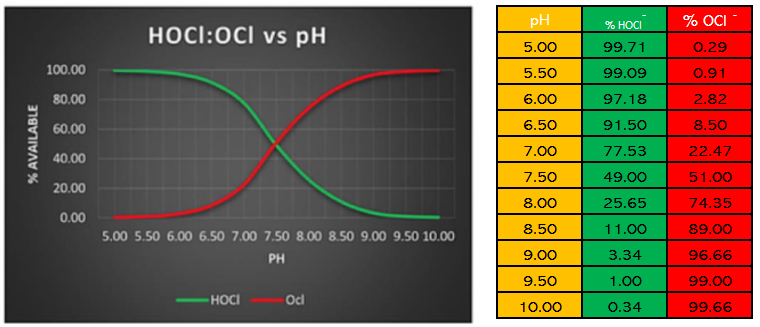
The relationship between pH and the balance of the forms of chlorine is shown below in the graph and table.
Relationship between pH and the balance of the forms of chlorine
Chlorination becomes even more effective when combined with a proper approach to acidification. Chlorine reaction (HOCl ↔ OCl- + H+) is pH dependent. At a pH 5 to 6, the chlorine species is nearly 100% hypochlorous acid (HOCl) and highly effective at killing bacteria. Above pH 6, it starts to convert to the hypochlorite ion (OCl-) and acts mainly as an oxidizer. Water with a pH ≥ 7 may need to be lowered for chlorine to achieve optimal bacteria-killing efficacy.
Use High Quality Acidifier in Water for Desired ph Level:
In water with high buffer capacity (high alkalinity), a higher inclusion rate of acidifiers is required to reach this target pH. Less-buffered acidifiers can help reach the target pH at lower doses. Use of organic acids may be worth considering when the objective is to combat biofilm and improve animal digestion, gastrointestinal microbial balance or animal performance.
Water source gets contaminated with various organic and inorganic substances resulting in high pH thus chances of growing pathogens including salmonella sp., E. coli and fungi is high. Contamination of drinking water in poultry is formidable.
Generally, it is recommended that optimum pH of drinking water of poultry should be around 6.0 to 6.8 to maintain normal gastric pH of birds. Since gastric pH is higher in chicks than in growers and adult birds, an utmost care should be taken during brooding period of chicks for:
-» Reducing chick mortality.
-» Controlling E. coli, Salmonella and fungi.
-» Improving FCR and weight gain.
-» Reducing ammonia in litter.
-» Reducing moisture in litters.
Usage of Water Acidifiers:
Several commercial preparations are available in the market.
We must standardize the dosage of product based on local quality of water esp. Ph of water & TDS.
In general, getting of water Ph of 6.0 – 6.8 at bird level is desirable.
In field conditions some farmers are using Citric acid powder or Acetic acid 99.7% food grade in water.
Citric acid 0.5gm/per liter of water or Acetic acid 1-1.5ml per liter of drinking water (Reduction of water pH 0.75 is observed depending on the existing quality of water).
Good Water Acidifier: Properties
It Should be stable in all pH ranges.
Must work in fore gut as well as in hind gut.
Must suppress bacteria that are “pH sensitive” like E. coli, Salmonella, Campylobacter, C. perfringens, Listeria etc.
Generally organic acids with antimicrobial activities have a pH value in the range of 3 and 5.
Common Water Acidifiers:
• Short chain acids(c1:c7) products with antimicrobial activity.
• Formic, Acetic, Propionic & Butyric acids -Mono carbolic acids
• Lactic, Malic, Tartaric & Citric acids –Carbolic acids with Hydroxyl group
• Fumaric & Sorbic acids–Carbolic acids with double bonds
Advantages of Using Water Acidifiers
Improvement of Nutrient digestibility. (Protein, Ca & P in early ages).
Significantly increases the villus width, height in the duodenum, jejunum, and ileum of chicks.
Improves digestive enzyme activity and Litter quality.
Improves H.H eggs by decreasing soft shelled eggs plus broken eggs% (Less porosity).
Decreased mortality% and good uniformity in Chicks & growers.
Improves external egg qualities like egg weight, egg colour and egg diameter.
Reduces number of soiled eggs in daily production.
To have an efficient disinfection with chlorine, decrease the PH.
It increases the quality of litter.
By reducing the pH of water, Acidic pH creates an environment that promotes optimal digestion and microbial balance in the gastrointestinal tract. This leads to improved feed utilization, resulting in optimal weight gain and an enhanced feed conversion ratio.
Acidification is a vital component of our health program, designed to maintain microbial balance, reduce antibiotic usage, and enhance animal performance. Acidic pH is your ultimate solution for effective litter management.
Effective litter management is crucial for optimal animal nutrition. Proper litter management practices ensure a clean and healthy environment for animals, reducing the risk of contamination and disease. By maintaining clean and dry litter, for better hygiene, minimize bacterial growth, and enhance feed safety.
In conclusion, the pH of water is a critical factor in maintaining the health and productivity of poultry. Water with a pH level between 6.0 and 6.5 provides optimal conditions for nutrient absorption and microbial control in the digestive tract. By monitoring and adjusting the pH level of their water sources, poultry farmers can ensure that their birds have access to clean and healthy water, promoting optimal growth and performance.
Water acidifiers are a valuable tool in poultry farming. They can help to improve the health and productivity of birds by reducing the growth of harmful bacteria in the digestive tract and improving nutrient absorption. By using water acidifiers effectively, poultry farmers can improve the overall health of their flocks and reduce the need for antibiotics.
About the Author:
Focused Business Development Manager/Strategist with over 27 years of experience in all segments of Poultry from Breeding Farms, Layer and Broiler Farming, Medicine Manufacturing, Water Treatment and Poultry Health Management.
Focussed on the Implementation of processes in Water Quality Management and Treatment in Poultry Farms for over 6 years. Had a short journey in 3 start-up’s which helped him understand the value of time and execution.
Exposure to fintech, Banking technologies, social network market place and Last mile trade helped him understand the dynamics of tier 2 and tier 3 marketplaces.
A Proven track record of implementing the necessary business development strategies for the last mile and tier 2 cities to accomplish breakthrough sales objectives while creating unique market entry strategies, managing business relationships, building credibility and establishing rapport with potential clients.
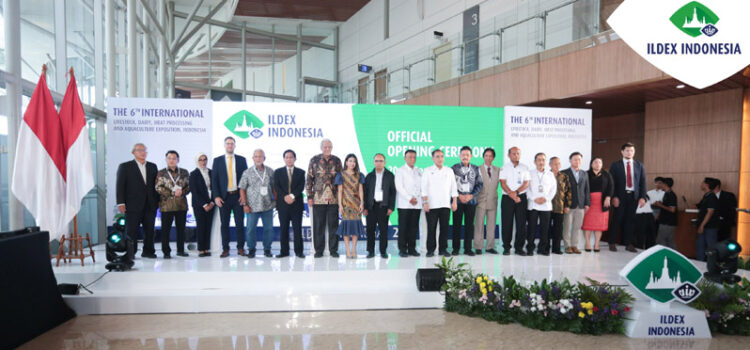
20 September 2023 – ILDEX Indonesia 2023, the 6th International Livestock, Dairy, Meat Processing and Aquaculture Exposition, kicked off today with an exciting line-up of exhibitors and activities. The show serves as a vital platform for industry professionals to explore the latest technology & advancements, exchange knowledge, expand their networks, and foster business relationships in these crucial sectors in the Asia region.
The opening day witnessed a series of insightful speeches from esteemed personalities, setting the tone for this exceptional event. Mr. Ruri Sarasono, Marketing Director of Permata Kreasi Media, extended a warm welcome to all participants.
This was followed by Mr. Igor Palka, Managing Director of VNU Asia Pacific, who expressed his enthusiasm about the event, emphasizing its role in connecting stakeholders from across the globe. He remarked, “ILDEX Indonesia has gathered the leading brands in the livestock industry together. Their expertise and innovation have shaped the industry, and their presence here at ILDEX Indonesia confirms the success of this exhibition as a hub of knowledge and collaboration. At this 6th edition, ILDEX Indonesia will be stronger with the new show highlights; Aquatica Asia, Meat Pro Conference and Han Select Indonesia Conference.”
Among the distinguished speakers, Tb. Haeru Rahayu, General Director, Ministry of Marine Affairs and Fisheries and Mr. Nasrullah, Director General of Livestock and Animal Health Ministry, Agriculture Republic of Indonesia delivered a compelling opening speech that resonated with the event’s central theme of advancing the livestock and aquaculture sectors. Mr. Nasrullah emphasized the strategic importance of the region in propelling these industries forward, reflecting the region’s commitment to growth and progress.
The VIP attendees, including industry leaders, government officials, international delegates, leading companies, media and press, were given an exclusive tour of the event grounds to witness first-hand the diverse range of products, technologies, and solutions on display. This VIP tour highlighted the event’s dedication to providing an enriching experience for all participants.
ILDEX Indonesia 2023 will be held from 20-22 September 2023 at Indonesia Convention Exhibition (ICE), Jakarta, and it is confirmed by the industry that ILDEX is one of the most important trade & conference platforms for livestock, dairy, meat processing, and aquaculture expositions in Indonesia. This year – the show records more than 250 exhibitors from 30 countries, including industry giants like PT CHAROEN POKPHAND INDONESIA Tbk. and Japfa Comfeed Indonesia, who are ready to showcase their cutting-edge products and technologies.
Conference Highlights:
● Meat Pro Conference
Topic: Sustainable Meat Production: Pathway for Indonesia
Date/Place: 20 September 2023 at ILDEX Conference 3A (in hall), ICE
● Aquatica Asia Conference
Topic: Swimming Through Aquaculture Diseases: Challenges and Solutions with Emphasis on EMS, EHP, IMNV, and WFS
Date/Place: 21 September at ILDEX Conference 3 at Aquatica Conference room, ICE
● HAN Select Indonesia Conference: The Newest Highlight for Palm Sugar Producers
Topic: Maximizing the Marketing and Production of Processed Palm Sugar in Indonesia
Date/Place: 21 September at Garuda Main Hall 2, ICE
Upcoming Shows:
Health & Nutrition Asia 12-14 March 2024 BITEC, Bangkok
ILDEX Vietnam 29-31 May 2024 SECC, Ho Chi Minh City
ILDEX Philippines 28-30 August 2024 SMX, Manila
VIV Asia 12-14 March 2025 IMPACT, Bangkok
Meat Pro Asia 12-14 March 2025 IMPACT, Bangkok
ILDEX Indonesia 17-19 September 2025 ICE, Jakarta
Don’t miss the chance to be at the forefront of innovation, knowledge, and collaboration. Register onsite and join us atILDEX Indonesia 2023to witness the future of livestock and agriculture unfold before your eyes. Don’t lose your business connections and find some more at ILDEX Indonesia 2023. Register now and find more details about the show at www.ildex-indonesia.com
Endorsed by the Department of Livestock Production – The Ministry of Agriculture and Rural Development, the prestigious VIETSTOCK AWARDS 2023 will honor typical businesses and organizations that have made many positive and meaningful activities to the Vietnam’s livestock industry. Nominations are now open!
VIETSTOCK AWARDS – THE PRESTIGIOUS LIVESTOCK AWARDS
The prestigious awards – Vietstock Awards is one of highlights of Vietstock exhibition. The award is chaired by the Department of Livestock Production – The Ministry of Agriculture and Rural Development. With 11 editions, VIETSTOCK AWARD honored the esteemed businesses and organizations with valuable and outstanding activities in the livestock & aquaculture industry in Vietnam. Award decisions.
The award is reviewed, evaluated, and decided by the Award Committee, which consists of representatives of the livestock industry agencies and prestigious organizations in Vietnam. The award evaluation criteria are clear, transparent, and fair.
VIETSTOCK AWARDS is a prestigious award that all businesses and organizations operating in the livestock & aquaculture industry in Vietnam aim to achieve. VIETSTOCK AWARDS 2023 is pleased to announce the following categories of 18 awards in livestock industry and 07 awards in aquaculture industry.
18 Livestock Awards have 05 Groups:
Group of Awards for Feed: Best Swine Feed Producer Award, Best Poultry Feed Producer Award; Best Ruminant Feed Producer Award; Best Local Premix Feed Producer Award; Best International Premix Feed Producer Award
Group of Awards for Livestock Breeds: Best Pig Breeder Farm Award, Best Poultry Breeder Farm Award, Best Duck Breeder Farm Award
Group of Awards for Livestock Cooperatives/Farms: Best Swine Farm Award, Best Broiler Farm Award, Best Layer Farm Award, Best Dairy Farm Award. Best Beef Cattle Farm Award, Best Livestock Cooperative Award
Group of Awards for Value Chains (production / slaughter / processing, consumption) and Export of livestock products: Best Enterprise contributing to Chain “From Farm to Fork” Award, Best Livestock Product Exporter Award
Group of Awards for remarkable contributions to Vietnam livestock industry: Livestock Industry Achievement Award, Best Livestock Equipment Manufacturer Award
07 Aquaculture Awards: Best Aquaculture Hatchery Award, Best Aquaculture Feed Producer Award, Best Environmental Management Product Enterprise Award, Best Aquaculture Farm Award, Best Aquaculture Cooperative Society Award, Best Aquaculture Equipment Manufacturer Award, Best Seafood Processor Award
Find out more details about the Vietstock Award here.
All VIETSTOCK 2023 nominations must be submitted by September 21, 2023. In the Vietstock exhibition program from October 11 to 13 at Saigon Exhibition & Convention Center (SECC), Ho Chi Minh City, 18 livestock awards and 07 aquaculture awards will be officially announced at the Vietstock Awards Ceremony, which will be held on the Gala Dinner of October 11.
At the Vietstock Awards Ceremony, the winning individuals and organizations will be honored and awarded by representatives of the Ministry of Agriculture and Rural Development
Vietstock Awards is not only an award honoring outstanding achievements and development, this is also a certification for the continuous efforts of individuals and organizations operating in the livestock industry in Vietnam.
Nominate Vietstock Awards 2023 now!
For more information, please contact our team:
• Ms. Trang –Anita.Pham@informa.com
• Ms. Phương – Phuong.C@informa.com(Hỗ trợ đăng ký theo đoàn)
• Tel: (+84) 28 3622 2588
Perstorp is proud to announce that Katharina Haydn has joined the Animal Nutrition team as Product Manager Gut Health, with effect from 1 August 2023.
Haydn will focus on running strategic projects as a part of the company’s Gut Health Product Management team and report to Dr. Antonia Tacconi.
“I am delighted to welcome a new member to our dynamic product management team. This holds immense significance as it solidifies our ability to offer unparalleled support and expert guidance for future advancements. With the addition of Katharina, we are well-equipped to propel our endeavors towards providing exceptional assistance and shaping innovations that will undoubtedly contribute to our continued success with our ProPhorce™ and Gastrivix™ gut health portfolios.” commented Dr. Tacconi, Global Product Manager Gut Health – Perstorp Animal Nutrition.
Katharina is already an experienced product manager, with 5 years as a product manager for mineral feeds and combinations of feed additives in her previous role under her belt. Haydn graduated from the University of Natural Resources and Life Sciences in Vienna, Austria in 2017.
“This is a very exciting opportunity for me. I have always seen Perstorp as a reliable and innovative company, that not only innovates in animal nutrition, but for example also in the field of sustainability. Now I get to use my knowledge and experience to help drive the gut health portfolio forward and together with this motivated team take it to new levels” commented Haydn.
The gut health segment is at the core of Perstorp’s strategic direction, and Haydn’s role will be crucial for its success. As an expert and known innovator in the field of esterified organic acids for both gut health and preservation, Perstorp is developing a healthy innovation pipeline to meet the requirements of the future.





 Before the ensuing monsoon the roof of the house, walls should be duly inspected and any kind of holes or leakages anywhere should be properly repaired. The drainage ditch around the shed should be clear. In the roofs, the side overhangs should be minimum 3 to 4 ft to prevent entry of direct rain water into the shed. The side walls of the empty shed should be completely covered with polythene curtains. Curtains should be in good condition and can easily be regulated depending on the ammonia concentration in the shed or rain intensity. Improper curtain management can result in poor ventilation in the shed leading to ammonia built up and associated issues like improper digestion, abnormal respiratory sounds, and high incidence of ascites. Allow a 1-2 ft opening at the top of side curtains during the day to ventilate ammonia and other undesirable gases out.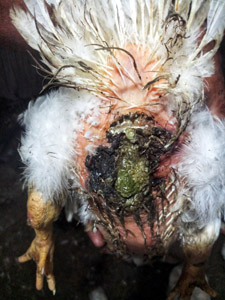

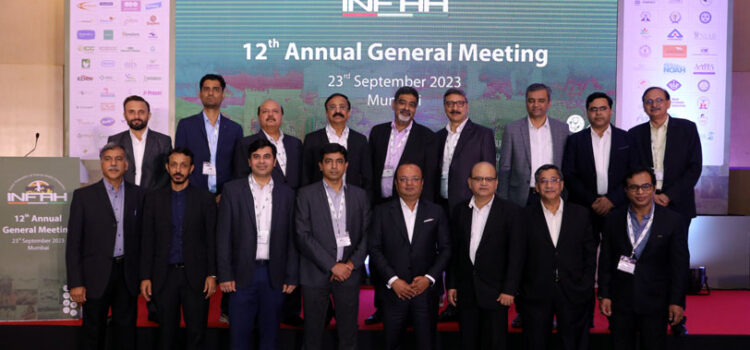
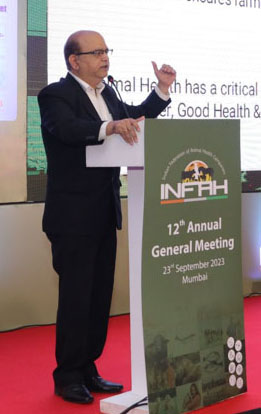 Presidential address was given by Dr Vijay Makhija reinforcing the INFAHs motto of Healthy Animals, Healthier India. INFAH is recognized as unified force of AH companies having member strength as 57.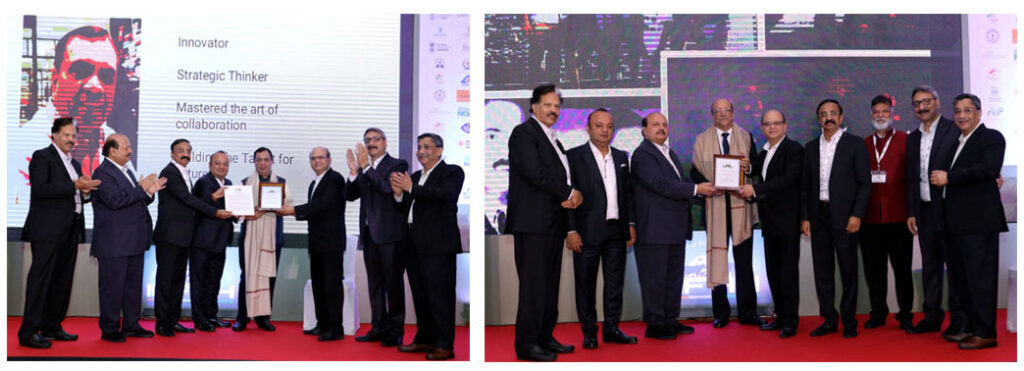
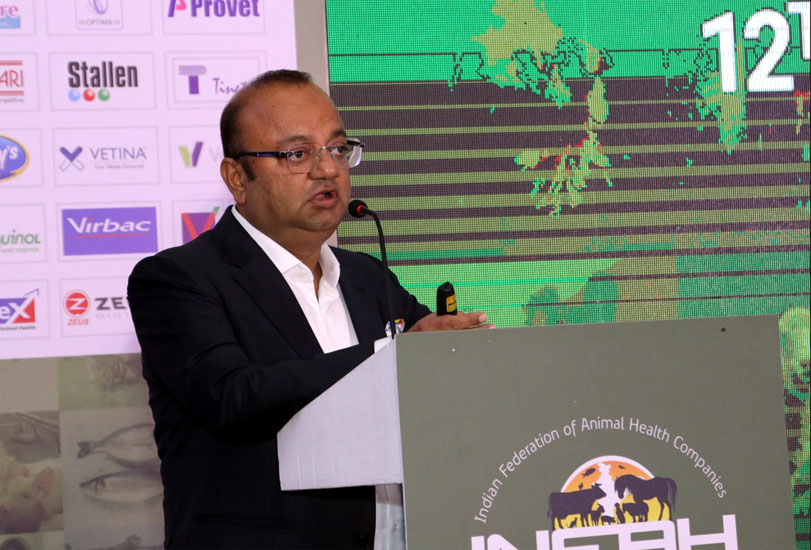 Dr. Shirish Nigam General Secretary INFAH presented the full year activity report for 2022-2023. Key achievements as under:
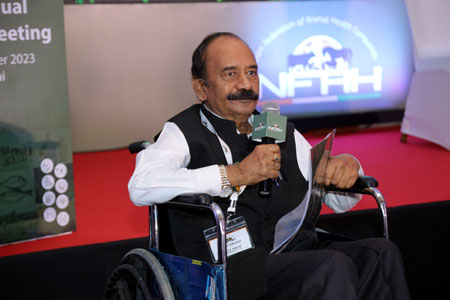 Dr. P.G. Phalke, Treasurer conducted the AGM proceedings & thanked members for exemplary support. INFAH Members participated in the electoral process for selecting Managing Committee for the year 2023-2025 term. Mr. N. M Sampat Returning Officer conducted the electoral process. During the Members Forum a wide range of topics were discussed by members for Ease of Doing Business & towards the betterment of AH sector.


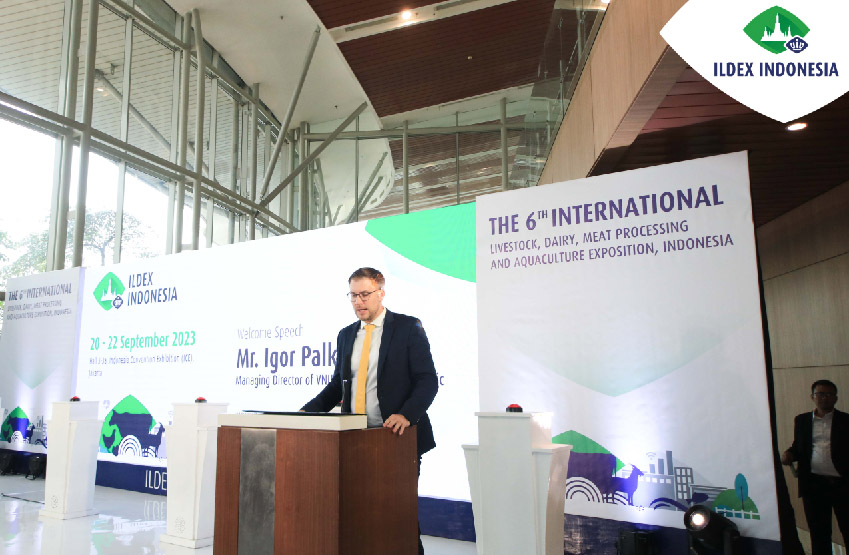 This was followed by Mr. Igor Palka, Managing Director of VNU Asia Pacific, who expressed his enthusiasm about the event, emphasizing its role in connecting stakeholders from across the globe. He remarked, “ILDEX Indonesia has gathered the leading brands in the livestock industry together. Their expertise and innovation have shaped the industry, and their presence here at ILDEX Indonesia confirms the success of this exhibition as a hub of knowledge and collaboration. At this 6th edition, ILDEX Indonesia will be stronger with the new show highlights; Aquatica Asia, Meat Pro Conference and Han Select Indonesia Conference.”
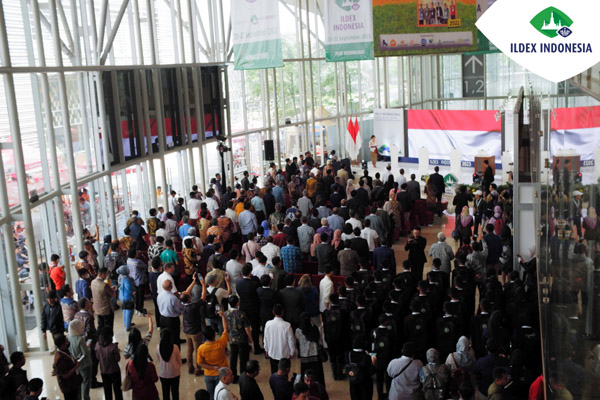 The VIP attendees, including industry leaders, government officials, international delegates, leading companies, media and press, were given an exclusive tour of the event grounds to witness first-hand the diverse range of products, technologies, and solutions on display. This VIP tour highlighted the event’s dedication to providing an enriching experience for all participants.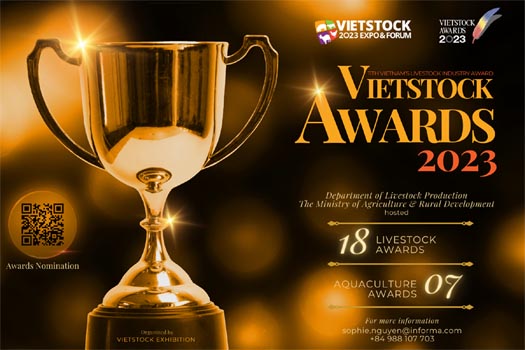


 Haydn will focus on running strategic projects as a part of the company’s Gut Health Product Management team and report to Dr. Antonia Tacconi.
 “I am delighted to welcome a new member to our dynamic product management team. This holds immense significance as it solidifies our ability to offer unparalleled support and expert guidance for future advancements. With the addition of Katharina, we are well-equipped to propel our endeavors towards providing exceptional assistance and shaping innovations that will undoubtedly contribute to our continued success with our ProPhorce™ and Gastrivix™ gut health portfolios.” commented Dr. Tacconi, Global Product Manager Gut Health – Perstorp Animal Nutrition.