

Poultry Industry is a very dynamic Industry and has its ups and downs. While there are commercial / manufacturing challenges, one big challenge faced by many Poultry organizations are Retaining its HiPo (High-Potential) employees. In the previous part, we had discussed about the backdrop of Employee Retention. We had also discussed about:

  • What are the Macro signs of disengagement / unhappy employee?
  • Why do people leave organisations?
  • What make an employee tick / stay in the organisation?
By Trideep Chowdhury
Chief Consultant
Invictus HRM Consulting
trideep2000@yahoo.com

Going ahead from there, in this concluding part, we will talk about other crucial aspects of

  • When should the organization, use tools / techniques of retention?
  • What are the tested methods of Employee Retention?? And finally
  • The big question – Whether Employee Retention to be considered as Strategy or Operation?

When should the organization use tools / techniques of retention?

Many HR Heads / Managers make the mistake of using the tools / techniques of retention, just when the employee has put in their papers. In general, the typical process is employee puts in papers ➔ HOD sends the papers with recommendations to the HR Department ➔ HR Manager takes Exit Interview and tries to find the reason of leaving ➔ HR Manager submits report with counter offers ➔ Management approves the offer ➔ HR Manager offers the counter offer to the employee ➔ Employee either takes it OR leaves.

However, the above process is very pathetic and unprofessional. In fact, Retention technique should start right at the beginning, when the employee joins the organization – Hire to Retire, should be the concept. The organization should take care in designing a robust induction program, a meaty job description, definite career path, T&D opportunities, Project possibilities, compensation & benefit plan in line with current CompBen trends, etc. etc. The organization should start taking STAY INTERVIEWS rather than EXIT INTERVIEWS. The organization should also design efficient Employee Engagement Programs, with a sole aim to attract and retain people. The bottom line is that the Retention plan to start during recruitment and if that bus is missed, the plan should start at the nearest point of sensing that the HiPo (High Potential) is worthy of retention.

What are the tested methods of Retention?

Further to the aspects of retention provided in the section “What make an employee tick / stay in the organisation?”, a detailed action plan is provided to retain and engage talent. Organizations need to do more than increase payroll and expand benefits. Organizations need to consider employees’ life-stage needs and values. In its endeavour, the organization should consider the following methods, which are to be used as per need / relevance / occasion:

  1. Leadership Style of Reporting Manager: Many companies go extra-length to train their new people Managers and/or re-train their existing people managers to learn tips / tricks of managing their people – efficiently, effectively, compassionately, empathetically, truly and without any bias / pre-conceived notions. For all DIY enthusiasts, there are plethora of Management books available in hardcopies or online which are as effective. As you know, the proof of the pudding, is in its eating. So, apply all gathered knowledge in your day-to-day work. When you are a good manager, you will have a good team and both will enjoy a long fruitful career.
  2. Work Culture: The organization should take extreme care and professional help to inculcate work culture. The work culture should be transparent and relatable. People should bask in the sunshine of this culture and lead a happy professional life. For this, the Management needs to inculcate the shared Value System, Company Philosophy and Management Styles, which should be unique to the organization and its line of business. Efforts need to be made that people should live the values, love the business and execute with excellence.
  3. Empathy: The Management should empathize with its employees and support / cooperate with them, considering their life stages (and its responsibilities connected with it). This is one of the most effective retention tools. A timely support in terms of listening to their concerns, a few caring words, providing time to meet contingencies, extending financial support at time of need, providing out-of-the-way facilities, etc are just few examples. Trust me, this goes a long way.
  4. Appreciation: Nothing works better than a simple note as “Congratulations on the job well done!!” “Keep up the good work going!!!” “We knew with your kind of talent and competency; you will successfully complete this project – in time. Way to Go!!!!”. These simple notes make the employee feel valued and take pride in their work. Organizations can make a Rewards & Recognition program to motivate and engage employees.
  5. Work itself: The Organizations should provide to each employee, “a life – size job”, which should be fulfilling, satisfying and which provides a compelling future. It should keep its antennae up – to detect signs of burn-out or rust-out. Should keep an extra eye on work stress and provide avenues for work-life balance.
  6. Management Support: The Management should encourage risk taking amongst employees to stretch and reach new milestones. However, caution should be taken that Mistakes should not be punished and Blunders should not be spared.
  7. Employee Feedback: When Employees talk – The Organizations should listen (with interest). Even to the non-verbal communication. Employees have lot of feedback to give, probably about themselves, about company policies & procedures, business plans or simply pointing fingers at the things which are going wrong. The Organizations should take good notes of this feedback and make a genuine effort to address such feedback. It will be good for both the organization as well as the employee. Be cautious and don’t kill the messenger (read as Whistle Blower).
  8. Communication: It is one of the best tools to inform the employees about each and everything about the organization – strategies, business plans, happenings, events, etc. The organization should open communication channels – BOTH WAYS. Through discussions and open communication, many problems are easily resolved. Having Townhalls works the best, instead of memos, bulletins, handouts, etc.
  9. Employee Empowerment: It’s an addiction. Once employees feels that they are empowered to take certain decisions, they will do responsibly well in their jobs. The Management should give them more authority via self-managed work teams where employees can take turns leading, developing new products and have more decision-making opportunities. The key here is “Decision making at the nearest point of action”.
  10. CSR: Corporate Social Responsibility or popularly known as CSR. It is a good concept to introduce in the organization and take employees out of their routine to explore and contribute to society. It works as a morale booster and gives ultimate satisfaction to employees. Employee will feel that they have contributed and added value to the society and in turn, the organization will also get mileage out of this social work. One of the most sought after, Employee Engagement tools.
  11. Learning: Employees want to learn, work, earn and re-learn. Work and Earn are connected and very much expected. It is the Learning that they look forward to. “What is the new thing that this organization is going to teach” or “What new skill or area of work that I will be learning?” This seems to be the question. If the employees learn, while they work, they are more likely to stay.
  12. Exposure to Higher Management: Employees need to meet and exchange notes with the Managing Director / CEO or the Board of Management, perhaps, once in a quarter. The Employees will feel privileged & valued to meet and express their thoughts to the Management.
  13. Diversity & Inclusion: These are being spoken in hushed tones as to what the Organizations are doing to understand, accept and value employees with diverse background, caste, religion, physical appearances, geographical backgrounds etc. Also, how employees’ inclusions are collaborated, supported and respected. An Organization with higher D&I will have more engaged employees and less attrition.
  14. Compensation & Benefits: Finally, Money is a great Motivator. The organization should see that the Comp & Benefits plans are in sync with the industry trends. The benchmark should be with organizations that fall between 50% – 75% of the industry, at least. Anything < 50% should be looked into.

Whether Employee Retention to be considered as Strategy or Operation?

Retention of employees is both a STRATEGY and an OPERATION. It is a cyclic process. The Organization should formulate STRATEGY first and equip all Managers with the tools / techniques, decision making powers & train them to detect early signs of employee attrition. Once the strategy is in place, then the next move is to convert that strategy into a policy and a process – to make it operational at the ground level. Over a certain period, the operation has to be reviewed to modify or amend or change the Strategy of retention. Remember – STRATEGY drives OPERATIONS and OPERATIONS drive STRATEGY.

Managing employee retention is a serious, tough and satisfying activity in a Manager’s role. Many organizations are linking their increment by attaching Retention as one of their Key Result Areas (KRAs). It is, now, not uncommon to see Retention as one of the key items in organizations’ Balance Scorecards. Retention is not solely an HR’s job. It is everybody’s job who have people responsibilities.

In conclusion, every Man-Manager should realize and treat PEOPLE as PEOPLE. People are very fragile and can be broken with one single inhuman act. Thereafter, no matter what one does, the employee will not come back to their original form. Managers should understand that people get motivated by their work and work environment. Most importantly, Managers should realize that people need to be trusted, respected, loved, admired, challenged, rewarded and appreciated for what they are. These are basics and key to employee retention.

About the Author:
Trideep Chowdhury is an astute Human Resources Management professional with extensive experience of over 3 decades working in Companies viz. Provimi India/Cargill Inc., ITC Limited, Intervet/Schering Plough, Voith India, etc. He had been in the Board of Directors for Provimi India (a Cargill Inc. Company) for many years. Some of the sectors served by him are Manufacturing, Process, Pharma, Engineering and Consulting. He had worked with MNCs in most of his career and had rich Regional (Asia) & Global project experiences. Currently he runs his own firm, Invictus HRM Consulting. He could be contacted at trideep2000@yahoo.com orinvictus.hrm@yahoo.com


Title Image Source: Adobestock.com

Animal feed serves a critical role in the global food sector by enabling cost-effective manufacturing of animal proteins all over the world. Feed is the most important and most significant component in providing safe, abundant, and economical animal proteins.

RKBFM LogoIt is well known that the Indian animal feed market can be summarised into three basic categories: poultry feed, aqua feed and cattle feed. The poultry feed market has dominated the animal feed sector, accounting for over 44% of the global market.

Mr. Deepak Bhandari
Mr. Deepak Bhandari
Managing Director – RKBFM

The manufacturing process of animal feed can be divided into various stages, with specialised feed processing equipment available at each stage. In this particular article we will discuss about animal feed grinding and feed particle size which is the initial stage of animal feed manufacturing.

Feed particle size is one of the most overlooked aspects of poultry production.

Animal feed grinding can be broadly categorized in two major categories:-

  • Coarse grinding – generally used in poultry feed
  • Fine grinding – generally used in aqua feed

Though the basic principle of grinding is the same in all types of feed grinding, some of the process parameters, equipment design, etc. get changed as per the category.

Though it has been hypothesised that finer grinding increases substrate availability for enzymatic digestion, there is evidence that coarser grinding to a more uniform particle size improves the performance of the birds kept on mash or on pellet.

In this article, we cover coarse grinding, grinding equipment, their specific features & engineering data of poultry feed grinding.

COARSE GRINDING

Particle size is an important factor that determines feed efficiency and gut health in poultry. Generally, the mash particle size which gets pass through 2.5 mm (& more) hole perforated sieve, is considered as coarse grinding.

Coarse particles stimulate gizzard development, and a well-developed gizzard improves energy utilisation and the digestibility of nutrients and lowers the pH value of the digested material. Coarse grinding also saves energy and time in the grinding process. On the other hand, it is well known that pelleting reduces the size of the microparticles that make up the pellets, but coarser grinding prior to pelleting is expected to increase the proportion of coarse particles in the pellets to some extent, which will promote stomach development.

GRINDING UNIT OF THE FEED MILL

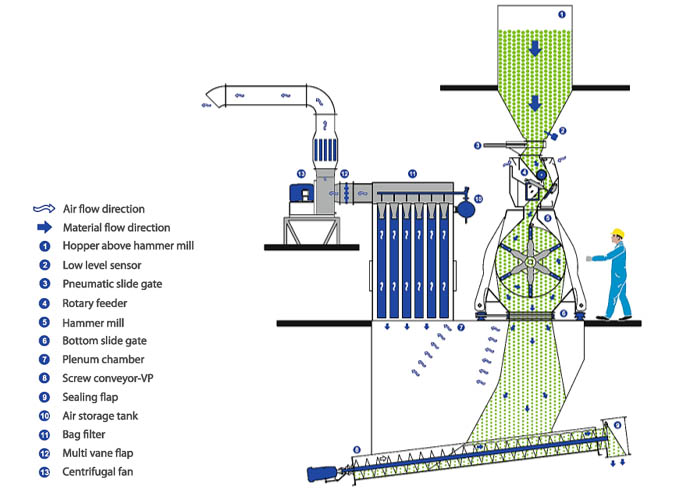
To achieve effective grinding, a hammer mill alone is not sufficient. The supporting system has a great role in achieving the best throughput from the hammer mill. It is common practice to refer to the grinding unit as a hammer mill alone, but it is the entire grinding station comprise of:

a) Hammer mill

b) Aspiration unit

c) Plenum chamber

Some elaboration along with engineering data and parameters on the above component of grinding station is as follows:

a) Hammer mill: A hammer mill is one of the key machines of feed mill. Optimum throughput and perfect particle size are the two factors that define the quality of hammer mill operation. A hammer mill should be designed & manufactured with the utmost care and the following points should be maintained:

Figure 1
(Figure 1: Double hole concept)
    • Sturdy, Heavy-weight base for minimising vibration.
    • Sliding or rotating doors for better accessibility of the rotor.
    • Doors with door safety switches & zero speed sensors to avoid any human accident.
    • A specially designed rotor having plug – in / plug – out type beater holding arm assembly.
    • Double hole concept (dual hammer position) in rotor plates for increasing/decreasing the distance between beater and sieve as per the requirement of fineness of powder.
      • Sieve perforation: For poultry feed milling, 2.5/3.0/3.5 mm perforations are being used in the industry depending upon the raw material used.
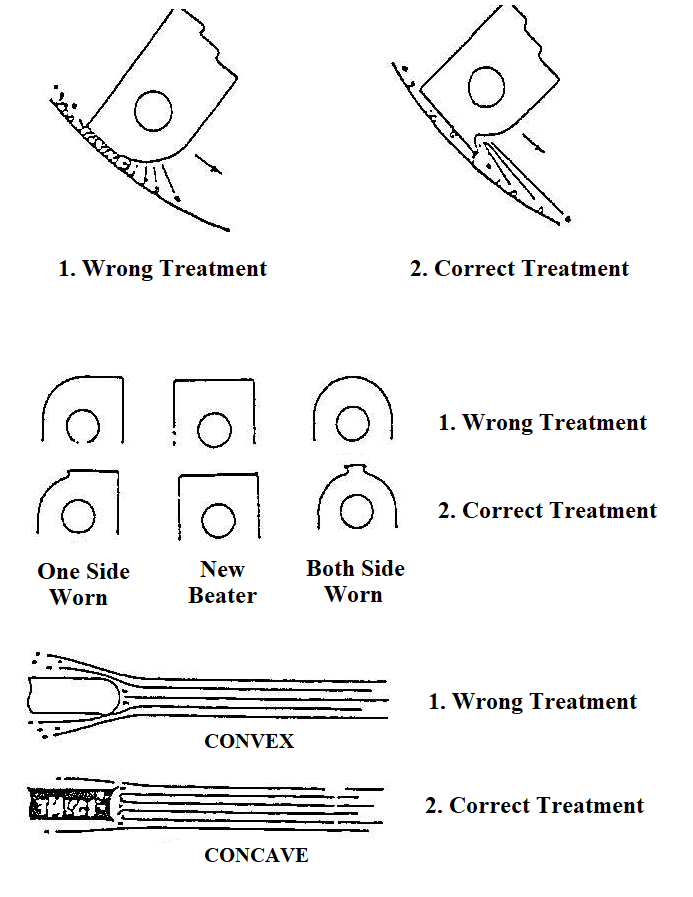
      • Hammer mill beater – A hammer mill beater’s function is to smash and grind materials that are supplied into the hammer mill. The beaters strike the material as the shaft rotates, breaking it down into smaller particles. The hammer mill beater is the most significant component because it performs the majority of the grinding operation.
Fig. 2 Beater treatment vs wearing effect
(Fig. 2 Beater treatment vs wearing effect)
      • Hammer mill rotor speed – Unlike previous type of power transmission through belt-pulley arrangement, now a days direct drive through coupling is the preferred design.
        For poultry feed milling, Hammer mills directly coupled with high rpm (2600-3000) motor with smaller diameter rotor and hammer mills directly coupled with Low rpm (1200-1500) motor with larger diameter rotor (to keep the same tip speed) are being used. VFD operated mill can be used to run the motor at lower rpm.


  • b) Aspiration unit: The right kind of aspiration unit with a sufficiently large plenum chamber is the back bone of the grinding station. The effectiveness of the aspiration unit ensures the cleaning of perforations of the hammer mill Sieve, which is directly proportional to get more output from hammer mill, less jamming & better current control of hammer mill motor.

Design of aspiration system needs the following factors:

    • Size of the blower (Air flow rate and air pressure)
    • Surface area of the filtering media

Following is the engineering data on the above

a) Airflow through hammer mill screen – 8300 to 8500 m3/hr per square meter of screen area.
b) Differential air pressure across the system – 300 to 500 mm water column.
c) Surface area of the filtering media – 120 to 130 m3/hr of air per square meter cloth.

Fig. 3: Grinding Process Flow Diagram
(Fig. 3: Grinding Process Flow Diagram)
  • c) Plenum chamber: Generally, least importance is given to volume of the plenum chamber and consider it a transition piece. The size of the plenum chamber should be large enough to provide space for air circulation generated by hammer mill rotor. In absence of the space for air circulation, the air gets trapped in the grinding chamber. It may cause the hindrance in letting the raw material into the grinding chamber from the hammer mill feeder or overloading the filtering media, resulting in increase in pressure drop across the system.

We at RKBFM are putting our constant efforts to improve the design of the feed mill machines. We are attempting to share what we know and have gained over the course of more than 25 years of experience.

We welcome and appreciate if you can send us the topics of your interests. We will try to include your requests in future publications. You may send your topic suggestions at info@Poultrytrends.in

In our next article, we will briefly discuss the next step of animal feed manufacturing process.

Since inception, RKBFM has been continuously contributing towards the development of innovative designs thus generating lasting value for its clients. We possess the capability to deliver a wide range of animal feed, wood and biomass pellet plants and our experience of over 25 years in this field enable us to manufacture top quality products. Over the years, we have expanded our reach across the world including Nigeria, Malawi, Egypt, Uganda, Kenya in African region for feed plant, machines and its spares.

We commit ourselves to provide the best solutions in design, manufacturing and supply of world class feed plants, machinery and spares by leveraging our expertise, proprietary information and ingenuity to enhance the business performance of our clients. At RKBFM we value the unique requirements of every client and thus believing in investing time in understanding the client’s needs.

To know more about us, you can visit our website www.rkbfm.com

Author: Mr. Deepak Bhandari, Managing Director – RKBFM


About the company

The poultry industry is a significant sector of global agriculture, with the market growing significantly from $352.02 billion in 2022 to $378.84 billion in 2023, representing a compound annual growth rate (CAGR) of 7.6% (The Business Research Company, 2023).

NRPL LogoUnfortunately, poultry raised for commercial purposes are susceptible to a variety of environmental pathogen exposures (Sharma, 1999). There is nonetheless optimism because specific dietary treatments can have a significant impact on immunological function (Poultry World, 2019). The immune system in birds and other vertebrates is made up of two complementary parts, called the innate and adaptive systems, that cooperate to identify and defend against pathogens (Poultry World, 2019).

AuthorsGut immunity
The intestine is crucial for the absorption of nutrients, the tolerance of benign and helpful microorganisms, and the capacity to react appropriately to harmful microbes or microbial products while preventing their translocation to more sterile body compartments. The mucus layer(s), antimicrobial peptides, and IgA, which serves as the first line of defence, are a few elements that contribute to antimicrobial defences in the colon (Broom and Kogut, 2018).

In the intestine of monogastric animals like poultry, there is a complex system of submucosal and mucosal lymphatic tissue known as gut-associated lymphoid tissue (GALT). As it is exposed to the microflora from both feed and the environment, GALT has a crucial role in regulating the occurrence of poultry enteric illnesses through its immune capabilities (Talkad et al., 2019). The distinct GALT features include Meckel’s diverticulum, Peyer’s patches, lymphoid clusters inside the lamina propria, and cecal tonsils. GALT includes 75% of all lymphoid cells in the body, and of these, the gut produces 50% of lymphocytes and about 80% of all immunoglobulins (Ig). The distinguishing characteristic of the GALT system is the synthesis of IgA antibodies produced on the mucosal surface (Talkad et al., 2019).

STODI in gut immunity
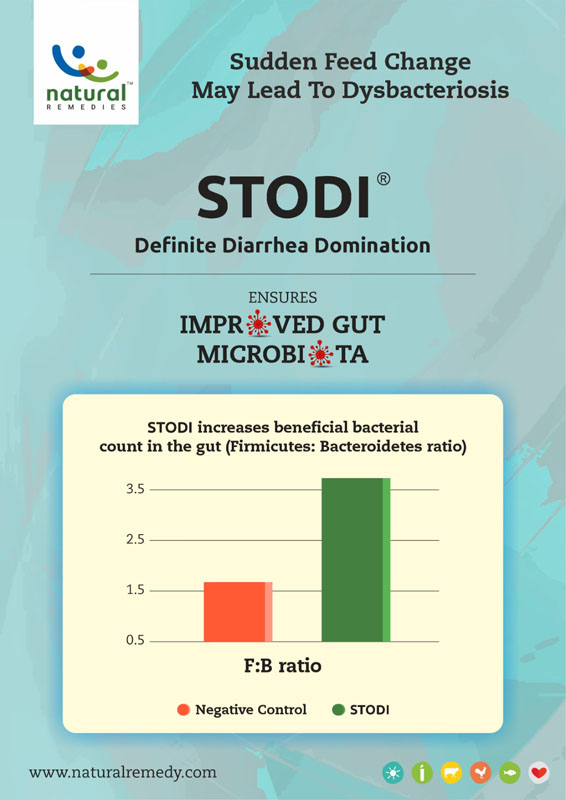
STODI GALTTo improve poultry’s immune system, there is a need to enhance gut immunity. STODI, a polyherbal formulation with major bioactive compounds include andrographolides, catechins, ellagitannins, punicalagin, and other polyphenols are responsible for better immunity by increasing the surface area of the gut-associated lymphoid tissue.

In a study by Talkad et al. (2019) on broiler chicks (Ross 308), when supplemented with STODI (750 g/ton), it significantly increased the GALT area (μm2) of the lamina propria of the ileum and Meckel’s diverticulum. Study has shown 96% increase surface area of GALT over negative control in ileum and 86% increase surface area of GALT over negative control in Meckel’s diverticulum. The surface area of the GALT plays a crucial role in its ability to mount an effective immune response. The larger the surface area, the more immune cells and antibodies can be produced, leading to better protection against infections.

Conclusion
In conclusion, the poultry industry is a significant sector of world agriculture, and the gut immunity of commercial birds can be enhanced through certain nutritional interventions, including the use of polyherbal formulations such as STODI. By increasing the surface area of the gut-associated lymphoid tissue, STODI can improve the immune system of poultry and help control the incidence of enteric disorders.

References
• Sharma, J.M., 1999. Introduction to poultry vaccines and immunity. Advances in veterinary medicine, 41, pp.481-494.
• https://www.thebusinessresearchcompany.com/report/poultry-global-market-reporthttps://www.poultryworld.net/health-nutrition/avian-immunity-101-the-basics/
• Broom, L.J. and Kogut, M.H., 2018. Gut immunity: its development and reasons and opportunities for modulation in monogastric production animals. Animal health research reviews, 19(1), pp.46-52
• Talkad, M.S., D’souza, P. and Marimuthu, S., 2019. Small intestinal gut-associated lymphoid tissue histomorphometry analysis in broilers supplemented with Stodi®. Journal of Medicinal Plants, 7(5), pp.141-145

Article by same organisation: Standardized Botanical Powders : What? Why? How?

Sustainability is the catchword of this decade. Every corporation and industry is harbouring steps to be sustainable and compliant. But why has it become the demand of the hour? Because if you are sustainable today, you are working towards a better and promising world tomorrow.

Authors pic
Mrs Meghana Mukherjee Salvi
Director – Glamac International Pvt. Ltd

Sustainability and the poultry industry run parallel for a long time. With an ever-growing global demand for quality protein, promoting bird welfare and optimum utilisation and preservation of resources is imperative. Ceaseless innovation, genetic evolution, advanced feed formulation and better animal husbandry practices have helped the poultry industry minimise its environmental footprint and swell sustainability.

Sustainability and the Poultry Industry

There is no alternative for the poultry fraternity but to be ecologically aware and accountable. After all, it takes fertile soil, a healthy farm atmosphere, clean water, and quality feed to produce your most valued protein asset: eggs and meat.

The poultry industry leaves the most negligible environmental impact compared to other animal husbandry industries. For instance, the American poultry sector accounts for only 0.6% of all agriculture-oriented greenhouse gas emissions. In comparison, beef cattle and dairy cattle account for 37% and 11.5%, respectively. Moreover, the entire sector is driven to reduce the Feed Conversion Ratio (FCR) of chickens to boost profitability. FCR means the quantity of feed required in kgs to produce 1kg of chicken. Their diets mainly comprise a combination of soybean and maize and access to a well-formulated feed helps chickens grow faster, requiring less feed. You will be surprised to know that in India, just a decade ago, the FCR, which stood at 1.9, has come down to 1.5 presently. Thus only 1.5kgs of feed is required to produce 1kg of chicken.

Disease-mitigated poultry production backed by lower FCRs is the key to sustainable poultry farming. Technological advancements and nutrition-rich feed curated to meet the feed requirements at each stage of the chicken’s life have reduced the usage of electricity, water, greenhouse gases, farmland and other resources.

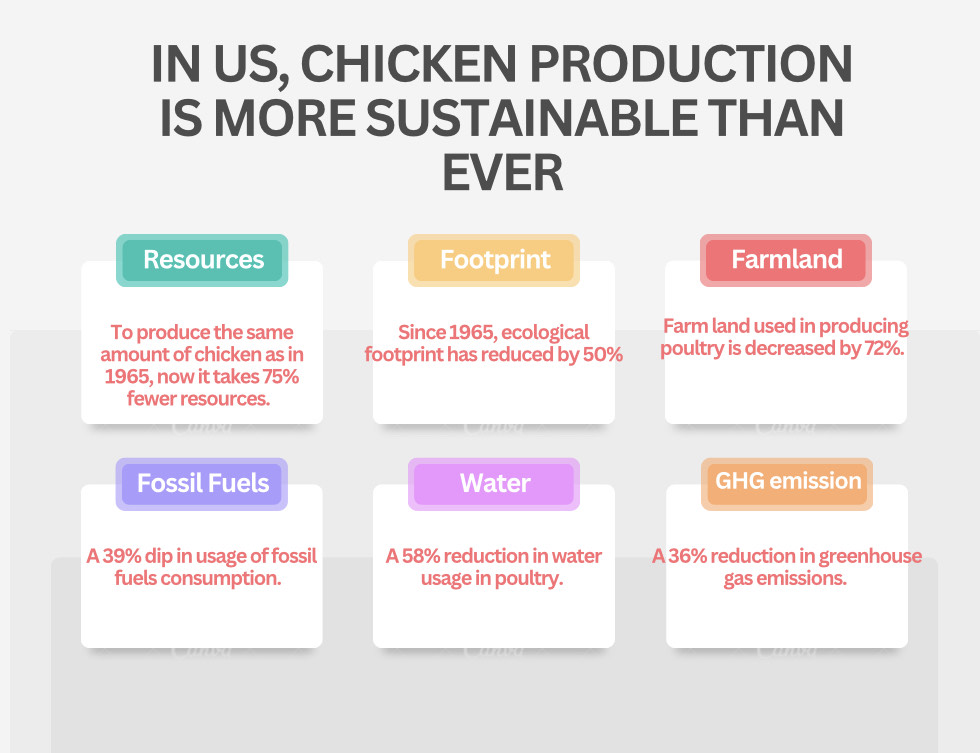
A study conducted by the Department of Biological and Agricultural Engineering at the University of Arkansas revealed fascinating results in the poultry industry’s pursuit of fostering sustainability.

US chicken more sustainable

The Role of Poultry Towards Sustainability

Today, the progression of the poultry industry has permitted it to be an affordable staple meal for consumers worldwide. Since it is an integral part of a global food chain, it impacts sustainability in a multi-dimensional framework.

Let’s look at how poultry contributes to environmental, social and governance aspects.

Environmental Impact

1. Water
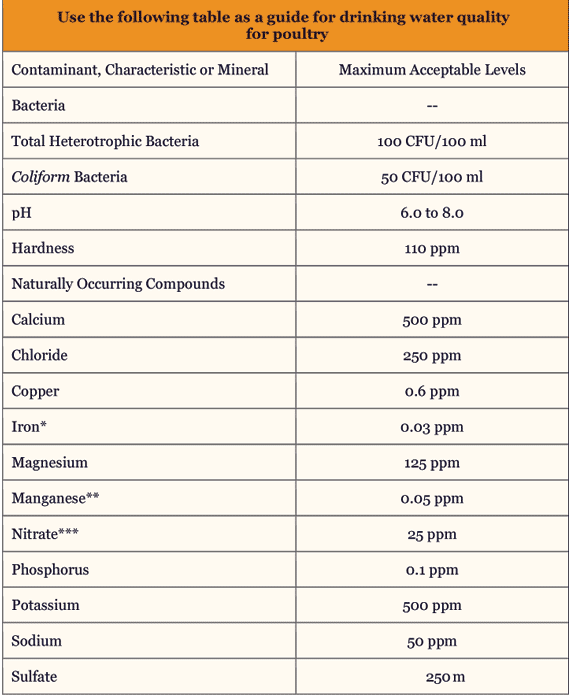
Water is an essential element in poultry production. Crops for poultry feed (Soybean and Maize) require water, the birds on the farm need water for survival, water is used for maintaining biosafety and sanitisation in the farms, and water also plays a huge role in balancing the farm environment. But, with continuous innovations in the industry, water consumption is significantly easing. Since 1965, the chicken industry curtailed water usage in the US by 58%.

Steps Taken:

  • The creation of poultry processing plants facilitated water conservation and reuse.
  • Development of apps and technical tools aids in analysing and monitoring water usage in farms.
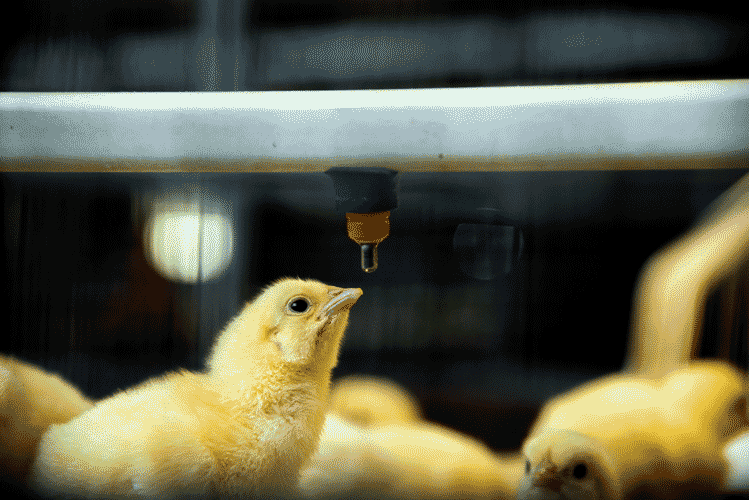
  • Nipple water drinking systems reduce water wastage and spillage on poultry litter.
  • Adopting cool cell pads in the farm’s cooling system keeps chickens cool and recycles water.

2. Food
The industry is committed to promoting feed formulations which provide the right nutrients in the right proportion at the right time. Presently, chickens require much lesser feed than they did a decade ago. In 2021, there were 25.8 billion chickens in the world. When you look at the volume, you realise the sector’s significant reduction in food usage. Moreover, earlier antibiotic usage was a necessary component of poultry production. Due to antibiotics, chickens develop resistant bacteria in due time or leave residues which pollute the environment. Multiple countries are taking numerous steps to reduce or eliminate antibiotic usage and switch to natural/phytogenic-based medicines for poultry.

Steps Taken:

  • The UK, EU, and Namibia have banned growth-promoting antibiotics in the poultry industry.
  • Research is assisting the industry in using plant-based compounds as growth promoters. Many poultry pharmaceutical companies are switching to phytogenics and herbal medicines.
  • Nutraceuticals’ utilisation reduces crude protein in poultry diets, boosts protein metabolism, and leads to low ammonia excretion in the environment.
  • Emulsifiers reduce oil usage in feed, making it possible to feed poultry low-energy diets without impacting performance.

3. Poultry Litter
Poultry litter is the waste generated by any poultry-rearing system. It can arise from deep litter systems or cage layer waste. It comprises bedding materials (wood savings, rice or peanut hulls), manure, feathers, poultry excreta, etc. If not managed properly, it can be a breeding ground for life-threatening diseases in poultry. However, poultry manure consists of Nitrogen, Zinc, Phosphorus, Potassium, Calcium etc. Thus, with efficient litter management, poultry litter can be a valuable agricultural resource.

Steps Taken:

  • Farmers utilise poultry litter as organic fertiliser.
  • Poultry litter is a great alternative to fuel and can be used for Biogas /Electricity generation.
  • After proper treatment, poultry manure can become a feed for fish and cattle.
  • Litter treatments aid in ammonia retention in the litter.

Every step towards poultry welfare in the poultry sector automatically correlates to sustainability. Overall, advancements in the industry are reducing the volume of GHG emissions. Additionally, since every part of the chicken meat converts into utility, there is limited wastage. From chicken feet to feathers, each has its consumption market.

Social Impact

The refined integration of poultry farming in rural and urban rearing systems has left a positive social impact. Yet, many industry stakeholders, like contract farmers, are exploited. Since they often do not receive a fair price for their produce, several governments are trying to bridge the price gap in meat’s journey from farm to table.

1. Gender Parity: 

Poultry production is an industry which heavily involves women. From backyard poultry to commercial poultry farming often witnesses substantial women employment.

2. Fair Price for Produce:

Recently, soybean and maize prices witnessed a staggering jump in India, sending poultry farmers into a frenzy. The government facilitated the import of alternative protein sources to stabilise the prices. The country has organisations like Suguna, which started with Suguna Delfrez, providing fresh chicken and eggs sourced from farmers. Such initiatives reduce the dependency on intermediaries and ascertain farmers receive their fair price.

3. Animal Welfare:

The global consumption trend is shifting towards antibiotic-free, organic produce or free-range chickens. Free-range chickens depict better behavioural and physiological patterns and tend to be healthier. Many countries have strict policies to provide adequate space for each bird and do not permit overcrowding on the farm. There are also well-defined policies for overall farm management. It reduces disease load and improves bird welfare. Though many countries are yet to shift due to numerous infrastructural, economic and climactic challenges, ample steps are being taken towards sustainability.

Governance Impact

Accountability and transparency are two pillars of effective governance. Many countries follow a code of conduct with welfare regulations to monitor farm practices. UK’s Animal Welfare Act 2006 mandates animal welfare laws, and a failure to adhere to the guidelines can attract strict penalties.

Furthermore, in India, there is a proliferation of clean teach startups that enable enterprises to meet their sustainability goals and comply. In the Indian government’s pursuit to bolster compliance, it has made EPR (plastic waste management certificate) registration mandatory for industries. In 2021, Canada defined plastic as a toxic substance and banned a ban on single-use plastics. Economies worldwide are progressing towards an economy backed by robust governance and compliance-supported companies.

In A Nutshell

Herbal growth promoters in poultry nutrition are definitely going to have a positive impact on human and environmental health. While India has not been fully able to discontinue the use of AGPs in poultry farming, the shifting trend to a safer alternative has been noticed.

The journey towards sustainability has begun, but the pathway ahead is crooked and entails many challenges. Poultry production has considerably reduced its ecological footprint, but there are multiple innovative ways to improve its role in sustainability. The sector has the potential to become resilient, compliant and profitable if it continues to strive for superior nutrition, safeguard animal welfare and promote advancements in technology.

About The author

Meghana Mukherjee Salvi is a poet, writer and blogger. She likes to study the market, analyse the trends and talk about everything related to Economics.

Bumping into a good book is her guilty pleasure. She is a bibliophile from Bombay living with her husband and exceptional inlaws.

She followed in her father’s footsteps to set her foot in the pharmaceutical industry. Before being a rookie in the poultry industry, Meghana completed her graduation in Mathematics followed by a master’s degree in Economics.

Title Image Source: FreePik

Previous article by author: Challenges To Indian Poultry : What Can Be Done

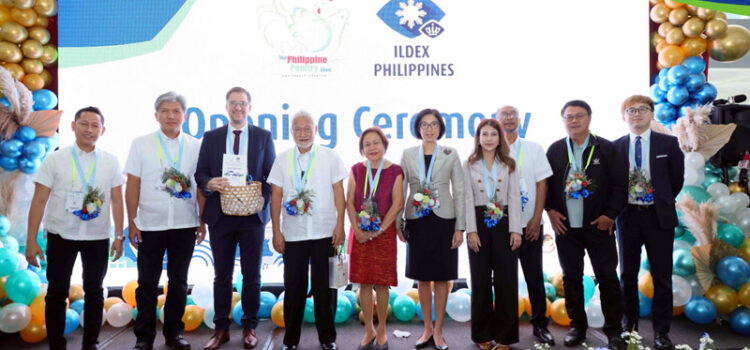
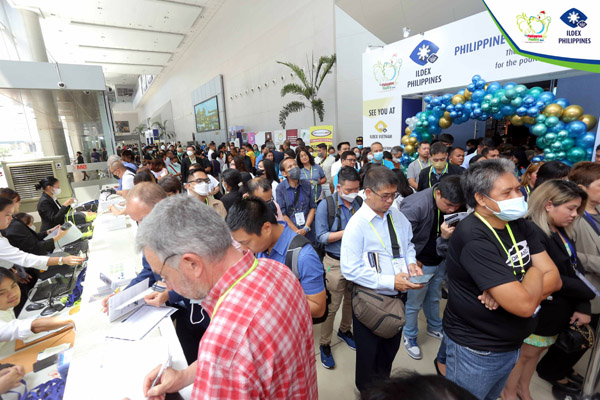
7 June 2023, Manila: The Philippines Poultry Show & ILDEX Philippines 2023 opened its doors today, marking the beginning of a momentous event that will showcase the best of the livestock supply chain. “We are thrilled by the success of the first-time show in the Philippines and the overwhelmingly positive feedback from the industry. The partnership between ILDEX Philippines and the Philippine Poultry Show has been truly remarkable. Together, we have created a powerful platform that not only strengthens the show but also benefits the Philippine market in multiple aspects. This collaboration has the potential to reshape the poultry industry, driving innovation, fostering partnerships, and ultimately contributing to the growth and prosperity of the Philippine market.” said Mr. Igor Palka, Managing Director of VNU Asia Pacific.

Ildex PH 23 Visitors“It’s very exciting for the Philippines poultry and livestock industry to be part of this globally competitive landscape. This is the opportunity for our stakeholders to become engaged and really take advantage of the technological innovations and advancements as they come and reach our shores. With the promising developments in our national economy, coupled with a growing population. This is our chance to emerge as a stronger, more resilient, more sustainable, and more innovative industry.” said Mr. Jose Gerardo Feliciano, Exhibit chairman of Philippine Poultry Show.


This show also welcomes industry partners as well as the government federation. Senator Cynthia Villar, chairman of senate committee of Agriculture, delivered inspiring speeches, underscoring the importance of the poultry industry and its impact on the national economy. Mr. Gregorio A. San Diego,jr., Chairman of Philippine Poultry Show who shared valuable insights and perspectives on the industry’s future. The Philippines Poultry Show & ILDEX Philippines 2023 is set to be a groundbreaking event, providing a dynamic platform for knowledge sharing, networking, and business opportunities within the poultry industry. With over 100+ esteemed brands in attendance, the exhibition is ready to showcase the latest innovations and services tailored to meet the needs of livestock stakeholders and farm owners in the Philippines. Our team of professionals will be on hand to guide attendees towards the best solutions to address their farm-related challenges.

As part of the VIV worldwide portfolio, ILDEX Philippines remains committed to empowering the livestock industry, supporting its growth, and facilitating sustainable development in the Asia region. Through its global reach and expertise, ILDEX Philippines contributes to the overall success and impact of the VIV worldwide platform, solidifying its position as a leading force in the livestock exhibition landscape. Livestock experts and leading exhibitors have consistently affirmed that ILDEX Philippines serves as the premier marketplace and international business platform for the Philippines market, which is emerging as a new investment destination in Asia.

For more information and to register for the Philippines Poultry Show & ILDEX Philippines 2023, please visit https://ildex-philippines.com. The onsite registration is available for all visitors.


Related article:

ILDEX Philippines 2023: The Premier International Livestock Exhibition, Powered By VIV Worldwide

The voluntary label introduced in 2021 by the public-health awareness initiative, ‘Right To Protein’ is a step towards better sustainability and quality in the ecosystem.

27th April, 2023, India: Delfrez, India’s leading omni-channel poultry brand from the house of Suguna Foods adopts the voluntary ‘Soy Fed Product’ label across all their range of Ready-to-cook and Ready-to-eat meat products.

The ‘Soy Fed’ Product label aims to enable consumers to make informed food decisions and distinguish packaged poultry, meat, and fish that are fed with soy meals, as soy’s superior amino acid profile and amino acid digestibility have a significant impact on the growth and development of the meat, which ultimately benefits the end consumer. With this association, Suguna Foods also extends its support to ‘Right To Protein’, a public health initiative that launched this unique feed label for animal protein foods in September 2021.

On this association, Vignesh Soundararajan, Managing Director at Suguna Foods, said, “As a protein Vignesh Soundararajanleader of the country providing protein-rich foods has always been our prime objective. We are India’s leading poultry group with diversified operations that extend to hatcheries, feed mills, processing plants, animal healthcare products, and nutrition supplements. We are excited to extend our support to the ‘Right to Protein’ initiative and to also adopt the ‘Soy Fed Product’ label that will help highlight the role of high-quality protein feed, such as soy, to improve the protein content of animal-based foods. We believe this initiative will help consumers choose quality animal protein sources and understand the nutritional benefits of the feed to the food. Consumers are increasingly relying on trusted brands like ours for quality and transparency, which motivates us to further reassure them of our commitment to their growing needs.

Deeba Giannoulis, Head of U.S. Soy Marketing – South Asia & Sub-Sahara Africa (SAASSA) and supporter of the Right To Protein initiative added, “The label drives awareness about how we are what our food is fed. Sustainable and high-quality soybean meal is a vital factor in the growth and development of animal stock and directly impacts the quality of protein consumed by humans. It is encouraging to see leading Indian poultry and livestock product producers to adopt the Soy Fed Product label, especially a market leader like Suguna Foods wheeling in for the cause on this occasion of Global Soy Month in April 2023.

It is a delight to witness the ‘Soy Fed Product’ label onboard another key supporter with Suguna Foods joining the forces with the voluntary feed label. Protein is indisputably a key requirement for livestock and aquaculture which plays a significant role in their overall growth. And soy feed plays a crucial to define the quality of protein for human consumption. The voluntary adoption of this label therefore is a huge step towards to uphold the quality of protein feed and its importance for end consumers.” added Jaison John, Lead – India, US Soybean Export Council (USSEC) and a Right To Protein supporter.

As we celebrate ‘Soy Month 2023’, Right to Protein urges the industry to come together and celebrate the super feed and super food in innovative ways that will empower citizens to make informed choices and consume adequate protein in every meal.

To know more about Soy Fed, click here

About Delfrez
Experience the new retail commute of Suguna towards a bigger change called “Delfrez”. In this era of growth and easy access to comfort, Suguna introduces a new way of shopping for meat. Delfrez has the appeal of making a powerful impact all around the country to make healthy and hygienic meat with ease of access.

Delfrez provides the luxury of selecting from a range of fresh chilled chicken, eggs, mutton, and ready- to-eat products under your convenience that are available in different types of portions; in desired quantities. Each portion is precisely cut into equal pieces just the way you like them. The backbone of Delfrez is the processing plant which ensures the highest quality and hygiene standards are met when it comes to meat supply. The plants are FSSC 22000 certified catering to various domestic and international markets as per customer demands and have been focusing primarily on food safety and quality by adapting HACCP – Hazard Analysis Critical Control Point, GMP – Good Manufacturing Practices, and GHP – Good Hygiene Practices.

About Right To Protein: “Right to Protein” is a public health initiative that aims to raise awareness about the importance of protein in the diet and the right of every individual to have access to sufficient, affordable, and high-quality protein. The campaign emphasizes the role of protein in supporting good health, reducing malnutrition, and promoting sustainable development.

The “Right to Protein” campaign aims to increase public understanding of the importance of protein and to encourage governments, businesses, and other organizations to prioritize protein production, distribution, and consumption in their policies and practices. This can include promoting sustainable agriculture and animal husbandry practices, supporting research and development in the field of protein science, and ensuring that people have access to a variety of affordable and nutritious protein sources. The campaign also works to raise awareness about the global burden of protein deficiency, which is a significant public health concern, particularly in developing nations. By promoting the “Right to Protein,” the goal is to improve nutrition security to improve health outcomes, reduce poverty and hunger, and support sustainable development.


Related article: Over 100 Restaurants Across India Join Hands To Curate SOY-FED Menus

Livestock Philippines 2023: Creating new opportunities for livestock, poultry and aquaculture

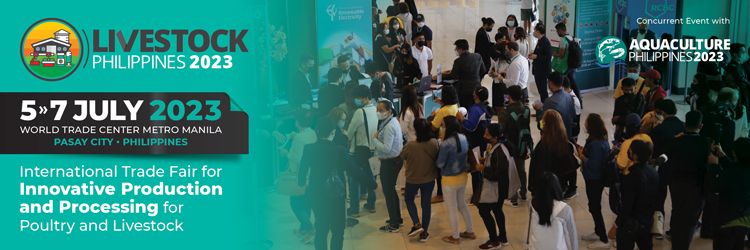
The stage is set for the biggest and most comprehensive livestock show in the Philippines that will take place on July 5-7, 2023, at the World Trade Center in Pasay City, Metro Manila.

Livestock Philippines is known as a frontrunner international trade fair focusing on B2B for livestock and poultry in the country. In its 12th year, Livestock Philippines continues to be a comprehensive platform that creates new business opportunities, connects, and sustains networks, and brings solutions to the entire agriculture industry in the Philippines. It expects to attract 300 local and international exhibitors who will showcase impressive displays of cutting-edge technology for livestock, poultry, and aquaculture production. The show also expects to welcome around 10,000 trade visitors across different regions in the Philippines including international visitors.

The theme this year highlights the ecosystem of livestock, poultry, and aquaculture production, and mainly focuses on food Safety, Security, and Sustainability.

It is timely and relevant to the celebration of Nutrition Month which falls in July. Expect to see comprehensive discussions headed by various agencies of the Department of Agriculture and other invited industry experts.


Strong support from the livestock and poultry industry

The Department of Agriculture and the Bureau of Fisheries and Aquatic Resources host both Livestock Philippines and Aquaculture Philippines this year, respectively. Several other industry associations continue to show and extend their full support to the show together with the Batangas Egg Producers Cooperative, National Federation of Hog Farmers, Inc., Pork Producers Federation of the Philippines, Philippine Veterinary Medical Association, and the Soro-Soro Ibaba Development Cooperative.

VisitorsHighlighting the booming aquaculture sector in the Philippines

The aquaculture sector significantly contributes in terms of food security in the country and provides livelihood to the community. Thus, this year’s event becomes more relevant as it is a concurrent event with Aquaculture Philippines, a side-pocket event that focuses on aquaculture nutrition, health, and production. It highlights a small pavilion of exhibiting companies with their products and services that are beneficial to the aquaculture sector. A pavilion will be instituted to exclusively cater to fisherfolks and the entire aquaculture community, and a series of talks will be staged to discuss the outlook of the aquaculture sector in the country, address various foregoing aquaculture-related issues and provide solutions to them, highlight trends and innovations, and share knowledge to create a learning ecosystem that can make an impact to the industry.

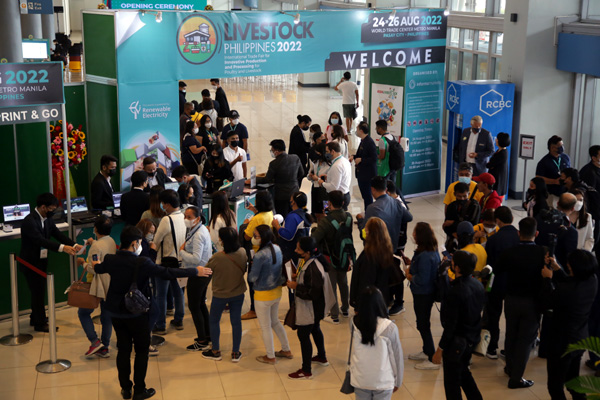
VisitorsLivestock Philippines is among the series of livestock shows in Southeast Asia organized by Informa Markets. Since 2011, Informa Markets has successfully held Livestock Philippines which has become the official hub of the livestock and poultry sectors in the country as it continuously creates new opportunities for livestock, poultry, and most recently, to work more in aquaculture. For more than a decade, the show has evolved into a centerpiece for markets, buyers, and traders as it has effectively connected the industry’s value chain from the domestic front up to the global scale which significantly helped improve the country’s livestock and feed production.

Visit www.livestockphilippines.com for more information about the event

Click here for visitor registration


Previous article: Livestock Philippines 2022 To Showcase New DA Programs

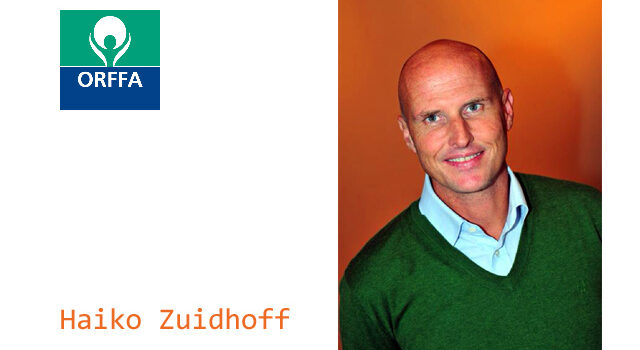
Eddy Ketels will step down as CEO of Orffa – Haiko Zuidhoff appointed as successor

Eddy Ketels will step down as CEO of Orffa at the end of 2023. He will be succeeded by Haiko Zuidhoff, who will start in his new role as of 1 October 2023.

Orffa logoEddy Ketels has been working for 35 years at Orffa. He became CEO in 2001. Under his leadership Orffa has developed from a local player, mainly focused on ingredients in Belgium and the Netherlands, into a global innovative value-adding company having presence in the main feed producing countries, offering a balanced portfolio of feed additives.

Haiko Zuidhoff has worked in Asia for 25 years and moved back to The Netherlands in 2022. He most recently served IMCD as President for the Asia region, overseeing IMCD’s vision, strategy and accelerated growth through both organic growth and M&A. Prior to IMCD he served in various senior leadership roles at Trouw Nutrition Nutreco and Corbion. His knowledge and expertise will contribute to Orffa’s strategy and vision to be a value-adding partner to the global animal production of today and tomorrow.

Haiko Zuidhoff will be based at Orffa’s headquarter in Breda, the Netherlands.

For more information, please reach out to info@orffa.com.

Poultry Industry is a very dynamic Industry and has its ups and downs. The typical challenges are pricing of Soya & Maize, Avian Influenza (Bird Flu), gut health, diseases, sanitation, quality of feed, spoilage due to light, oxygen, heat, humidity, temperature, etc. While these are commercial / manufacturing challenges, one big challenge faced by many Poultry organizations are Retaining its HiPo (High-Potential) employees. Organizations spend huge money and years & years to groom its people, to develop them. But one call from a different organization / head hunter may poach the employee. Not only Poultry, but Animal Nutrition & Health (ANH) is a very niche, small and well-connected industry. Funnily it is said, if someone sneezes in one company, it resonates in the other company. People are also reluctant to attend interviews in offices as someone may spill the beans. It has a very strong grapevine.

Trideep Chowdhury
By Trideep Chowdhury
Chief Consultant
Invictus HRM Consulting
trideep2000@yahoo.com

In this context, this article was written to provide few practical tips & tricks for employee retention (not text-bookish). In my own experience of leading HR for many MNCs, I have used these. Consider this conversation:

Two HR Heads, reporting to their Managing Directors, accidentally meet at the Airport, after a long time. For the purpose of this article, let’s name them as Priya & Rohit. Both are seasoned HR professionals and had been in the Animal Nutrition & Health (ANH) industry for more than a decade. Both of them know each other for some time. Owing to their busy schedules, they had not been in touch. Here’s how their conversation goes:

Priya: Hey Rohit!!!! Wassup, my man? Long time no see? Trust all ok with you?

Rohit: (coming straight to the point) Yeah, sort of? Employee Attrition rate is killing the Company and my boss does not take any cognizance of it. He neither takes any decision nor allows me enough decision-making powers to retain efficient people. He’s just focussed on the Business and P&L. Things suck man.

Priya: Totally understand, my friend. What’s the attrition rate?

Rohit: About 20%. How’s yours?

Priya: Around 12%. As you know the industry norm is between 8% – 10%. But don’t you think 20% is way too high?

Rohit: Yeah, I know. But how does one retain people? Does your Company have any strategy to retain people? I am sure, you guys are doing many things right. Please share some tips and I will show my boss, as to how to retain people, if proper strategies, tactics and operations, are in place.

Priya: It’s quite simple. We just see the offer of the employee and try to better it. Its operational and no strategy is required to counter these.

Rohit: (Now looks more confused than surprised) Does it work and what is the retention period? (He was actually expecting a “Life Saving” tips from Priya)

Priya: Mostly, it works and retention is also for quite some time. My boss is happy and I don’t have to struggle to retain them. I don’t waste my time on these & take this way out.

Rohit: Oh Ok… Actually, I was looking for more scientific, sustainable, long-term solution. In my opinion, quick-fixes don’t last long. In case any tips or suggestion, let me know.

Priya: Let me think about it, Rohit and will get back. Hey, that’s my flight announcement. Let’s keep in touch! Adios Amigos.

Now Rohit is in a dilemma. All the way back to his destination, he was toying with the idea of whether to take an easy way out OR be true to the organization (and to himself), provide a workable solution, using his HR and Man-Management skills, for which he was known for. He chose the latter.

Of late, this conversation is quite common in HR corridors. As the rumblings in the underbelly of Corporate grow louder with discussions on Retention, the HR illusionists, begin to worry. Why have employee retention become a hot topic and why HR Heads generally shy away giving vague reasons, such as:

  • “India is a developing economy and many opportunities are available” OR
  • “The competitor is poaching on our people as our people policies are not good” OR
  • “You know, there is always another Company who will pay more to our people” OR
  • “Our HR policies are not liberal enough to satisfy employee aspirations,” etc. etc.

Even if the above statements are true, what we as HR Professionals have to offer the Organisation and to our People. Let’s address some basic questions:

  1. What are the Macro signs of disengagement / unhappy employee?
  2. Why do people leave organisations?
  3. What make an employee tick / stay in the organisation?
  4. When should the organization, use tools / techniques of retention?
  5. What are the tested methods of Employee Retention?? And finally
  6. The big question – Whether Employee Retention to be considered as Strategy or Operation?

From here on, we take each of these questions diligently and as per my experience & exposure, the following may provide some tips, when an organisation / HR designs their retention plans.

1. What are the Macro signs of disengagement / unhappy employee?

The macro signs do not manifest overnight. The signals are in latent form and provide enough pointers to let the Management observe these. The Management should be sensitive to observe and many such signal may be:

  • Absenteeism rate is slowly creeping up.
  • Quality of employee deliverables are sliding down.
  • Employees making excuses to avoid attending Meetings, Townhalls, Events, etc.
  • Sales is going down and so is the profitability.
  • Productivity is uneven or going south.
  • Plunge in Customer Satisfaction ratings.
  • Spike in Customer complaints.
  • Suddenly employee(s) going silent or do not react to any progressive development.
  • Employee(s) becoming overtly critical on all things that are happening around.
  • Employee(s) becoming a doomsday prophet and bringing down the morale of others.

We need to have all our senses in peak condition to spot these and many more.

2. Why do people leave organisations?

Everybody knows this cliché – People don’t leave organisations; they leave bad bosses. While to this is true some extent, but there are many other attributes of the organisation, apart from the Boss, that compel an employee to leave. Consider:

1. Poor Leadership Style of Reporting Manager: Mr. Narayanmurthy of Infosys has rightly said, “People don’t leave organization – they leave bad bosses!” This is #1 reason why an employee will leave an organisation.

2. Poor relationship with boss, peer & subordinates: Many employees either burn-out or rust-out due to colleagues’ higher speeds or lethargy, respectively. Poor relationships also lead to lack of trust, which is very harmful for an organization where people work without trusting each other. If there are no peer pressures also, it may lead to attrition.

3. Role Expectation: When an employee joins an organization or promoted to a new role, if there is a role distance between the expectations and ground reality, s/he gets dissatisfied. Sometimes, the job has only responsibility and accountability but without any authority. The seeds to leave the organization are sown.

4. No perceived growth in current situation: The talented are ambitious – there is no doubt about it. If these people foresee that there is no growth (vertical / lateral) or challenging role ahead in the next 2 – 3 years, they will act as “tourists” and will leave as soon as a suitable role appears in other organizations.

5. No recognition / appreciation: People have an inherent desire to be appreciated / recognized for their jobs well done and on their achievements. This works as a panacea for success and the desperate intrinsic need “to be wanted”. If at all the appreciation / recognition is delayed or done at a wrong time / place, people tend to get dissatisfied.

6. Poor culture: An organization is known by its people and the culture that manifests values, beliefs, management style and freedom to work & experiment. Office gossip, politics, groupism, etc. de-motivate employees and propels them to the exit door.

7. Job stress: If the work pressures are more and lead to stressful life style, then such employees look out for changing their jobs. The stress could be due to any / many reasons such as demanding boss, micro-management, perfectionism, unrealistic timelines, unreal expectations, results, etc.

8. Work-Life imbalance: It is a proven fact that if you are happy at work, you will keep your folks happy at home. If the work pressures take a toll on your family life, please take it for granted that it is your spouse, who will not allow you to work in that organization – even if you are very happy with your work / the difficult working hours.

9. Better Prospects or Compensation or new job offer: Again, this is one of the commonest reasons provided by employees while leaving their organization. There is no reason or season for people to leave. When the employee’s need overtakes greed, the employee will leave. These are welcome attritions and we should show them the exit door quickly, before they disturb other employees.

Apart from the above, there are other reasons such as unsuitable location, higher studies, difficult working hours, marriages, family disruptions viz. ailing family members, divorce, deaths, etc. which are considered as genuine or true attritions.

3. What make an employee tick / stay in the organisation?

This is no rocket science. Everybody knows it and have experienced it. There are many surveys done on this topic. The outcomes are mostly similar and screams for attention on these four basic professional aspects. They are:

  1. Meaningful Role / Responsibilities
  2. Growth Opportunities – Vertically and/or Laterally
  3. Great Leadership with Respect & Trust as shared Values
  4. Good Working Environment

All the above aspects are self-explanatory and it fits all employees, irrespective of their levels / grades / hierarchy / roles. You will find more tips, as you read ahead.

(This is the end of Part 1 and look out for Part 2 in the next edition, where we will discuss about When should the organization use tools / techniques of retention? What are the tested methods of Retention? And Whether Employee Retention to be considered as Strategy or Operation?)

About the Author:
Trideep Chowdhury is an astute Human Resources Management professional with extensive experience of over 3 decades working in Companies viz. Provimi India/Cargill Inc., ITC Limited, Intervet/Schering Plough, Voith India, etc. He had been in the Board of Directors for Provimi India (a Cargill Inc. Company) for many years. Some of the sectors served by him are Manufacturing, Process, Pharma, Engineering and Consulting. He had worked with MNCs in most of his career and had rich Regional (Asia) & Global project experiences. Currently he runs his own firm, Invictus HRM Consulting. He could be contacted at trideep2000@yahoo.com or invictus.hrm@yahoo.com

18 May 2023: VIETSTOCK 2023 – The Premier International Feed, Livestock & Meat Industry show in Vietnam, is scheduled for 11-13 Oct 2023 at SECC, Ho Chi Minh City, Vietnam. The exhibition is now officially open for visitor registration.

Vietstock 2023 – Vietnam’s leading livestock exhibition
VIETSTOCK 2023 will be the unique one-stop business platform for professionals in Vietnam & region, who are involved in the farm-to-fork value chain for feed, livestock, meat & aquaculture products, to meet up, create new business opportunities, come up with new ideas and solutions. VIETSTOCK 2023 will be co-located with Aquaculture Vietnam 2023, open up more opportunities for cooperation and business development.

VIETSTOCK 2023 will be held for 3 days from October 11 to 13, 2023 (Wednesday – Friday) At Saigon Exhibition and Convention Center (SECC), 799 Nguyen Van Linh, District 7, City. Ho Chi Minh City.

At Vietstock 2023, more than 350 exhibitors and over 11,000 visitors from 30 different countries are expected to join.

Vietstock Expo Illustration
Vietstock 2023 – specialized exhibition on Feed, Livestock & Meat Industry

Open up new opportunities with Vietstock 2023
Visitors to Vietstock 2023 exhibition will be updated on trends and market information through all technical & specialized seminars, presented by leading experts in the livestock and aquaculture industry, and meat processing comes from many countries.

Visitor Registration OpenAt the same time, this is the perfect event to seek out new products, solutions and ideas from leading brands in the livestock, aquaculture and meat processing industries, perfect ways to grow their businesses and increase profits.

Register to visit Vietstock 2023 easily in 5 steps
Visitors to Vietstock 2023 can easily register online with just 5 quick steps.

Visit the registration link: https://ers.ubmthailand.com/vs23 or scan the QR code .

For more details about the exhibition, please visit https://vietstock.org/en/