As India celebrates Protein Day on February 27th this year, Right To Protein invites everyone to understand the basics of food science, debunk myths around food security to achieve a protein-sufficient future.
Mumbai, January 31, 2022: Right to Protein, ahead of India’s third annual Protein Day celebration on 27th February, declares ‘Food Futurism’ as the theme for 2022 as it takes ahead its mission to drive food and especially protein sufficiency in the country through awareness, advocacy, and action. ‘Food Futurism’ as a conversation will bring together nutrition experts, food scientists, biologists, among others to help Indians better understand the basic science behind healthy nutrition and its role in food security and protein sufficiency.
The pandemic highlighted the need to “build back better” sustainably. The effects of global warming on agriculture, the inequality in access to food have further necessitated a paradigm shift in how we think about food. Emerging scientific innovations present us with a growing range of opportunities to transform our food and agriculture structures to fulfill the vision of a hunger-free India. Therefore, through this educative initiative, this year, Right to Protein will be initiating informed discussions and dialogues about the role of science and how methods such as genetically engineered foods can have in achieving food security. The discussions will address genuine concerns, misperceptions, and ‘GMO anxiety’ among other topics.
Supporting the effort, Varun Deshpande, Managing Director of Good Food Institute India (GFI India) says, “In the face of challenges like climate change and pandemics, India needs a more secure, sustainable, and just food system. Reimagining our protein supply is key to that future. Plant-based foods and other smart protein sources are a generational opportunity to align planetary health stewardship, public health resilience, and economic growth. But to bring delicious, sustainable protein onto plates across the country, we need to invest in science, develop talent, and bridge knowledge gaps. We are glad to support Food Futurism as the theme of Protein Day 2022 to achieve these goals in service of a better future.”
Dr. Suresh Itapu, Nutraceutical Expert, Director – NutriTech India, Human Nutrition Consultant – USSEC and Supporter of the Right To Protein initiative said “As with any stream of science, we’ve often looked at different nuances of ‘food science’ with skepticism mainly due to lack of knowledge leading to confusion, overblown fears, and myths. For instance, our concern about GMOs stems from a lack of awareness of how genes function – it is simply a production technique. I believe that Food Futurism as the theme for Protein Day 2022 will help address some of these apprehensions while enhancing our scientific understanding as we collectively deliver on our larger food security and sufficiency goals.”
Since the inception of India’s first Protein Day in 2020, Right To Protein is all set to complete a treble, where like-minded citizens, nutritionists, food industry experts, chefs, and brands will come together to raise awareness and take a step towards making India a protein sufficient country through food science.
About Right To Protein
Right To Protein is India’s first awareness initiative to educate citizens about the importance of adequate protein consumption for better nutrition, health, and wellbeing. #RightToProtein initiative aspires to build knowledge of different types of protein sources amongst Indians, especially plant protein, to meet larger nutritional goals. Right To Protein aims to develop an ecosystem of professionals to drive protein awareness and debunk myths and misconceptions about protein as a critical macro-nutrient for human health and of many protein foods sources. The ecosystem will aim to improve the production and consumption quality and consistency of both, plant, and animal proteins. Right To Protein is supported by several like-minded Indian and global individuals, academicians, professionals, and institutions. The initiative is open for those who would like to join and/or contribute in any capacity, including providing knowledge, technical support or as promotion partners. For more information, visit www.righttoprotein.com
Food safety is one of the main buzz in the present time. As of now food safety was limited to only human and pet food with little concern of livestock feed. But with time now consumers are not only becoming more aware of the quality aspects of livestock rearing but also on the quality of inputs being fed to reared poultry & cattle. One important aspect of prepared feed quality is the stability of the final product.
Changes in physical, chemical or microbiological properties of feed can be considered loss of stability. Water activity (Aw) is one of several important parameters that affect stability of livestock feed. Water activity is a measure of the free moisture in a foodstuff. It is also defined as the quotient of the water vapor pressure of the substance divided by the vapor pressure of pure water at the same temperature.
The water activity scale extends from 0 (bone dry) to 1.0 (pure water) but most foods have a water activity level in the range of 0.2 for very dry foods to 0.99 for moist fresh foods.
Water activity need not to be confused with moisture content. Moisture content is the combination of free and bound moisture. Free moisture can be explained as water that is available to participate in physical, chemical and biological reactions.
Water activity plays a vital role in the microbial stability of ingredients and final livestock feeds. Bacteria, molds and yeast require water for growth; and every microorganism has a minimum water activity below, which it will not grow.
In the previous part, we discussed the Water Activity stability in terms of degradative reactions rates and microbial growth limits as a function of water activity along with different scenario of damages due to uncontrolled water activity. This is the concluding part of the article.
Storage of soymeal in bulk warehouse
Water activity may affect physical properties such as moisture migration, texture and etcetera.
Advertisement
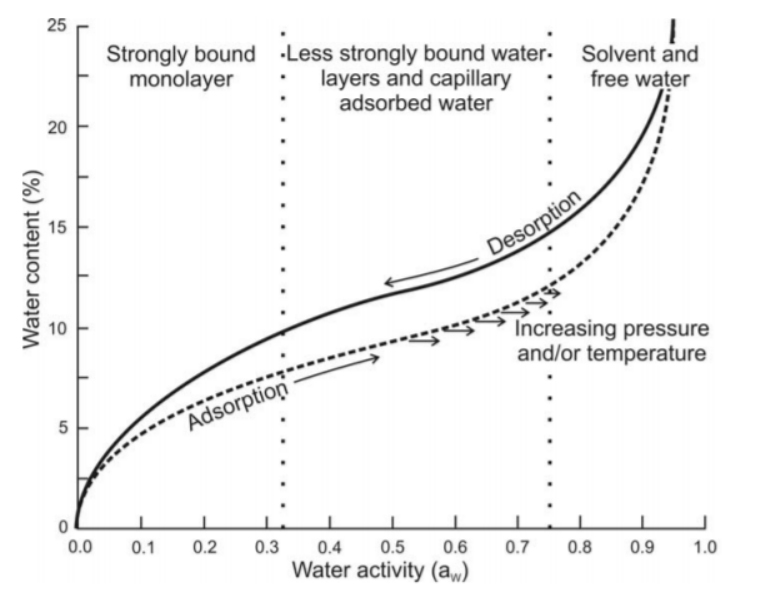
Moisture migration occurs when there is a aw difference between components or with the surrounding environment as the system comes to an equilibrium. Undesirable textural changes can result from moisture migration in multicomponent product. Water migrates from region with high aw to region with low aw until an equilibrium of aw is achieved but the rate of migration depends on structure or diffusion process (o’Connor et al., 2017). Effect of moisture migration with humidity on aw can be illustrated in moisture sorption isotherm as shown in Figure 7. Figure 7 shows how aw changes as water is adsorbed into and desorbed from a product at equilibrium relative humidity and constant temperature. In practice, this moisture sorption isotherm maybe impractical to use as it is complex and unique for each product. Besides, the relationship between moisture content and water activity changes when temperature varies and also when there are any variations in material composition with a modifying effect.
Figure 7. A schematic representation of a sorption isotherm with a hysteresis between the adsorption and desorption isotherms (Airaksinen, 2005).
Water activity affects the biochemical reactions and physical properties of the product.
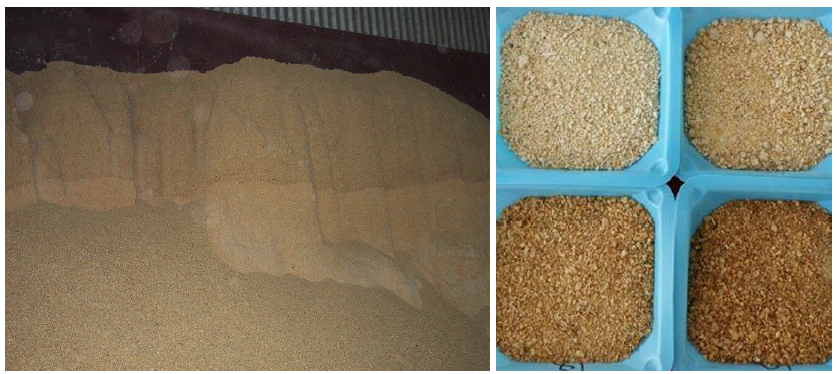
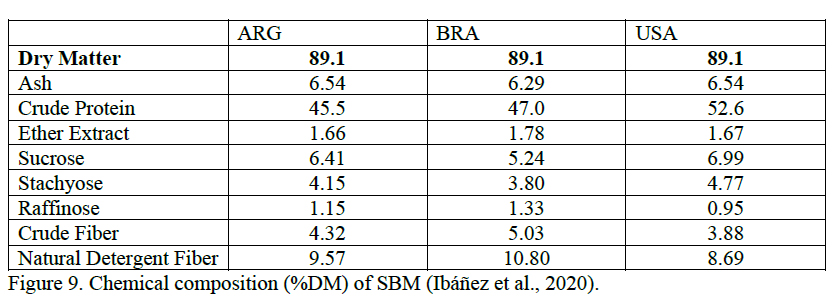
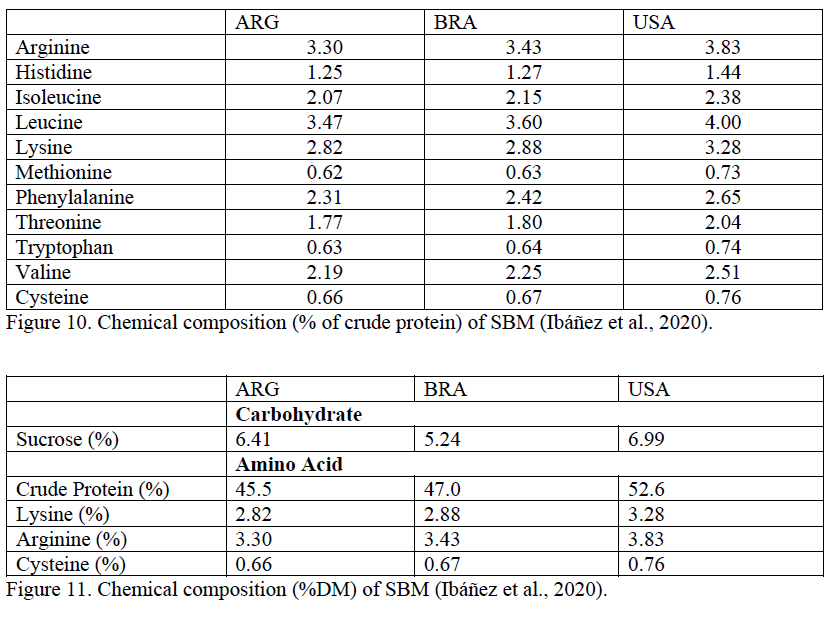
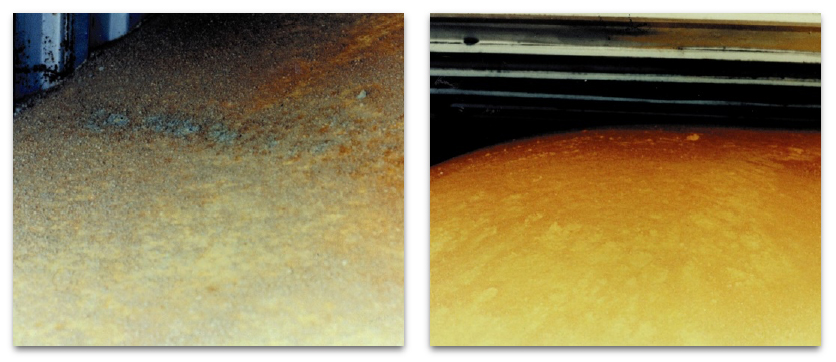
Uncontrolled aw in soybean meal (SBM) storage can cause non-enzymatic browning reaction during processing and moisture migration in the storage. Due to moisture migration, it leads to caking of SBM in storage. Besides, water activity has the ability to influence both the rate and color of non-enzymatic browning reaction, which is also known as Maillard reaction. Maillard reaction (MR) is a biochemical reaction between reducing sugars and amino acids to form Maillard reaction products (MRP) and further progress to Advanced glycation end products (AGEs). MR takes place even at room temperature but at a slower rate. The rate of reaction increases when time and temperature increases, and at a humidity of 40-70%. MR is mostly responsible for the deterioration in protein quality, especially lysine is the most susceptible amino acid (Tanaka at al., 1977). SBM is very vulnerable to MR over storage in a hot and humid tropical condition. SBM has high percentage of lysine, arginine, cysteine and tryptophan which easily react with reducing sugars, resulting in MR and the degradation of amino acids (Ibáñez et al., 2020). Since SBM is widely used as a feed ingredient in feed formula, MR is an unavoidable issue in moist heat feed pelleting process. There are inconsistencies in performance of birds fed with mash and pelleted feed which is highly due to the quality of SBM (Araba and Dale, 1990). A good indicator to determine the degree of MR is the colour change in product. Generally, as water activity approaches 0.70, the rate of Maillard reaction increases. When aw is higher than 0.70, Maillard reaction slows down because the reactants are diluted by too much free water.
Figure 8. Picture on the Left shows caking issue in SBM stored in a flat warehouse. Picture on the Right shows the effect of different stages of Maillard reaction in SBM.
Shipment of corn gluten meal in containers
A trial was done to monitor the effects of moisture migration and aw in corn gluten meal (CGM) during shipment from USA to the Pacific Rims.
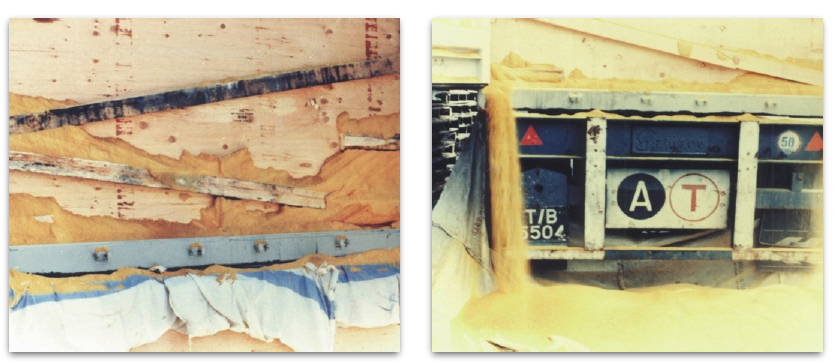
Moisture movement creates stickyness, caking, and mobility issue on mealy material as Figure 12 (Left). However, when aw is controlled, the corn gluten meal has a very different free-flowing characteristic as observed in Figure 12 (Right).
Figure 12. Picture on the Left shows caking in corn gluten meal whereas Right picture shows free flowing corn gluten meal.
What is worst is that aw has increased substantially with free moisture movement, and the material gets moldy upon reaching port. See Figure 13 (Left). The treated CGM prevents free moisture movement, and aw is hence controlled at a safe level maintaining freshness and the original quality at point of loading, shown in Figure 13 (Right)
Figure 13. (Left) Crusted top layer and mold in corn gluten meal. (Right) picture shows free-flowing corn gluten meal inside the container.
Quality integrity of palm kernel pellets
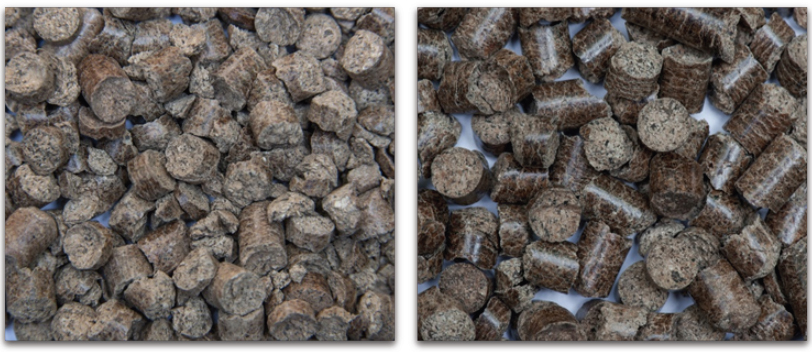
This trial was done to investigate the complain of staleness of products from Malaysia shipped in container to Japan and Korea. 2 MT of fresh products from the same production batch was used with 1 MT Control PKE pellets was bagged and another treated 1 MT PKE pellets bagged. All the bags are stacked on pellets and stored at the hottest areas in production for 90 days to simulate a challenge.
After 90 days, the result was astonishing. Figure 13 shows clearly the difference between control and treatment. The control group (Figure 14 Left) look discoloured, with a stale appearance, and without the aroma of PKE. The treatment group (Figure 14 Right) has a very fresh appearance, maintaining its original quality, and still has a strong PKE smell.
This is another classic case of moisture movement and activated aw compromising the chemical stability of the product. Nutrients and lipids are degraded which explains the poor quality of the control group.
Figure 14. Picture (Left) shows the control group with non-treated PKE and Picture (right) shows the treated PKE.
Water activity and moisture content in processed poultry pellet feed
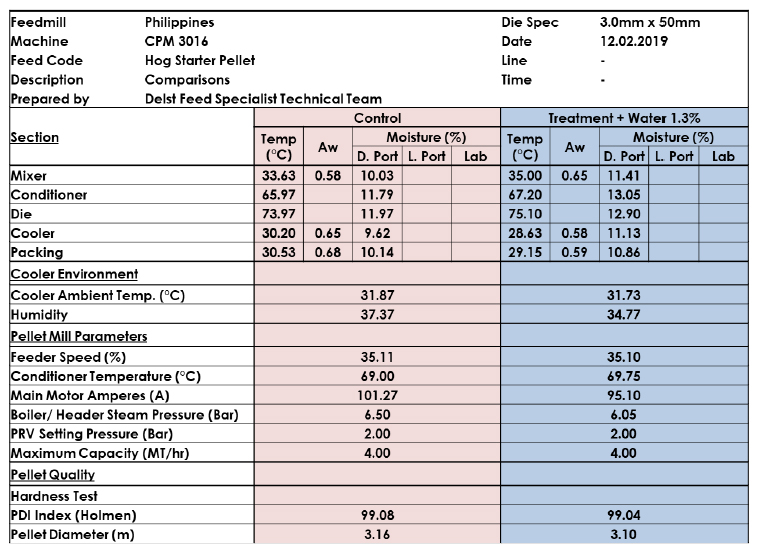
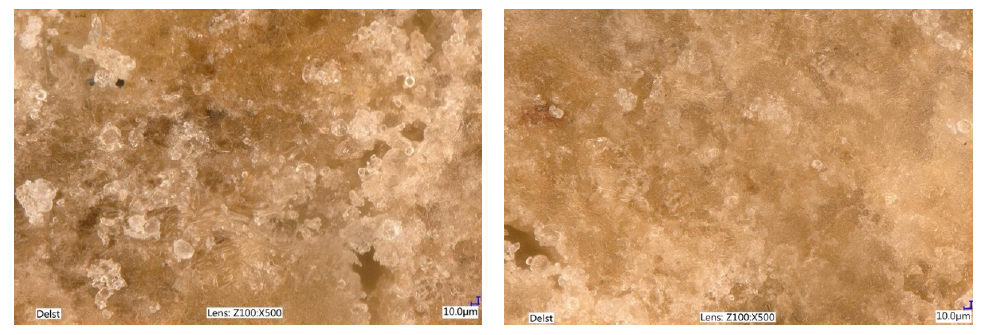
A feed trial was conducted to investigate the addition and capturing of water on the processed pellet feed quality, for starch cooking/gelatinization, data shown in Figure 15. To show the effect of working on a program to capturing water, as in getting moisture from water added at the mixer plus microscopic moisture from steam into the feed chemistry. A process addressed as “positive mash hydration” (This is for the sole purpose of starch granule swelling and sufficient degree of protein denaturation). The result in starch gelatinization is later captured by feed imaging, indicating a loss of birefringence.
With the treatment feed, notice the spike on aw after water has been added at the mixer. Interestingly, the finished feed of the treatment group has a higher moisture content, but water activity is lower compared to the control group. The capturing of moisture for the purpose of starch gelatinization which in turn lock up the hydrolyzed water used in the process of starch swelling/cooking indicates the positive chemistry changes of feed processing.
Figure 15. Feed Quality parameters that were recorded during a pelleted feed trial.Figure 16. Picture on the Left is the control group with aw of 0.68 and moisture content of 10.14%. Picture on the Right is the treatment group with aw of 0.59 and moisture content of 10.86%.
Conclusion
Water activity is a critical parameter in controlling the quality of feed and feed ingredient as it is a reliable indicator and predictor of chemical reactions and microbial responses in the industry. This is how we need to manage and control aw with proper grain storage, shipment of feedstuff, feed processing on both pellets and extruded feed, and handling of mash feed. This will dictate how well we face up to the challenges in keeping the quality of grain over storage, and the processed feed in post-production. A proven approach to managing and controlling aw has been established with proven results. Chasing down a moldy problem with mold inhibitors is like attempting to save a building on fire with extinguishers. The building still gets burnt and ravaged.
References:
Ahn, J. Y., Kil, D. Y., Kong, C. and Kim, B. G. (2014). Comparison of Oven-drying Methods for Determination of Moisture Content in Feed Ingredients. Asian-Australasian journal of animal sciences. 27(11). 1615–1622. 10.5713/ajas.2014.14305

Airaksinen, Sari. (2005). Role of Excipients in Moisture Sorption and Physical Stability of Solid Pharmaceutical Formulations.

Araba, M. and Dale, N. (1990). Evaluation of Protein Solubility as an Indicator of Overprocessing
Soybean Meal. Poultry Science. 69. 76-83. 10.3382/ps.0690076.

Gadient, M. (1986). Effect of Pelleting on Nutritional Quality of Feed. Proceedings of 1986 Maryland Nutrition Conference for Feed Manufacturers (USA). 73-79

Jung, H. B., Lee, Y. J. and Yoon, W. (2018). Effect of Moisture Content on the Grinding Process
and Powder Properties in Food: A Review. Processes. 6. 69. 10.3390/pr6060069

Labuza, T.P., McNally, L., Gallagher, D., Hawkes, J. and Hurtado, F. (1972). Stability of
Intermediate Moisture Foods. 1. Lipid Oxidation. Journal of Food Science. 37. 154-159.
10.1111/j.1365-2621.1972.tb03408.x

Leeson, S. (2015). Vitamin Deficiencies in Poultry. MSD Manual Veterinary Manual.

Mathlouthi, M. (2001). Water Content, Water Activity, Water Structure and the Stability of Foodstuffs. Food Control. 12. 409-417. 10.1016/S0956-7135(01)00032-9

Ibáñez M.A., de Blas, C., Cámara, L., Mateos, G.G. (2020). Chemical Composition, Protein Quality and Nutritive Value of Commercial Soybean Meals Produced from Beans from Different Countries: A Meta-analytical Study. Animal Feed Science and Technology. 267, 114531

o'Connor, L., Favreau-Farhadi, N. and Barrett, A. (2017). Use of edible barriers in intermediate moisture food systems to inhibit moisture migration. Journal of Food Processing and Preservation. 42. e13512. 10.1111/jfpp.13512.

Reid, D.S. (2007). Water Activity: Fundamentals and Relationships. In Water Activity in Foods (eds G.V. Barbosa-Cánovas, A.J. Fontana, S.J. Schmidt and T.P. Labuza). 10.1002/9780470376454.ch2

Tanaka M., Kimiagar M., Lee TC., Chichester C.O. (1977). Effect of Maillard Browning Reaction on Nutritional Quality of Protein. In: Friedman M. (eds) Protein Crosslinking. Advances in Experimental Medicine and Biology. 86. Springer, Boston, MA. 10.1007/978-1-4757-9113-6_22

Tapia, M.S., Alzamora, S.M. and Chirife, J. (2020). Effects of Water Activity (a w ) on Microbial Stability as a Hurdle in Food Preservation. In Water Activity in Foods (eds G.V. Barbosa-Cánovas,
A.J. Fontana, S.J. Schmidt and T.P. Labuza). 1002/9781118765982.ch14

Zambrano, M., Dutta, B., Mercer, D., Maclean, H. and Touchie, M. (2019). Assessment of Moisture Content Measurement Methods of Dried Food Products in Small-scale Operations in Developing Countries: A Review. Trends in Food Science & Technology. 88. 10.1016/j.tifs.2019.04.006
Poultry rearing is an art as well as a science and management plays most crucial role in deciding profitability of this business. It has been observed in past several years that high market rates of broiler meat & eggs are observed only in those times when rearing is very difficult due to harsh climate and thus, demand is more than supply. Therefore, it is very important to understand and implement the best management practices in such harsh climate.
Dr Milind Rainchwar, Technical Service Manager – South Central Asia, Novus International
Every region in India has different climatic challenges and variable climate extremes and thus management practices differ between different parts of country. But almost all parts of India experience three to five distinct seasons across the year.
Winter is one of the seasons which presents very harsh temperature extremes and maintaining liveability and production becomes very difficult without taking extra measures. Management in winter is very difficult and often described as double edges sword, as a very perfect balance is required between climate management and ventilation management. Similarly, a very careful decision making is required to reduce cost of production and to provide healthy environment at the same time. It requires ample of experience to understand the economic feasibility of cost involving management practices.
Chickens are unable to maintain body temperature in young age and although they improve their tolerance to cold with age, they cannot perform well when ambient temperature drops below 20 degrees Celsius and start exhibiting stress and drop in productivity. Failure to provide optimum temperature very frequently results in high mortality, high disease incidence and drop in performance.
Although ways of practicing the management in harsh climate may differ slightly across region, the basic principles remain same. Below listed are few basic principles which may guide proper decision making.
Proper temperature and humidity suitable for the age is always required
Proper ventilation to provide fresh air and removing gases inside house is always required
The rearing surface and bedding material should be always warm and dry
The drinking water should be maintained at suitable temperature to promote water intake
The feed & feeding practice should help bird to maintain their body temperature, metabolism, and osmo-regulation
To achieve these goals, following practices are implemented across country
External heat source is provided to keep the poultry shed warm and dry
False ceiling is often used to reduce the volume of shed
Various types and layers of curtains and jute bags are used to insulate the farm
Round brooding is often practiced when spot heating is done
As stopping the air flow becomes necessary to maintain temperature, it is very difficult to remove the gases like ammonia and to keep bedding material dry in winter. These challenges affect the respiratory, hepatic, and gut health directly.
The wet litter and humid conditions provide a very suitable environment for gut pathogens like Coccidiosis and Clostridium. The stressed and immunosuppressed birds become easy target for these gut pathogens and therefore, very high-performance losses are observed due to poor gut health. It is a well-known fact that body only gets that part of nutrition, which gut retains. An unhealthy gut loses a lot of nutrients which are necessary for weight gain and egg production. The major part of poultry immune system is also situated in gut. Thus, healthy gut is key to a developed immune system.
While managing good managemental practices, essential needs such as Proper feed and water is an utmost need to optimise performance during this difficult time. Gut health compromise always leads to poor performance and thus loss in business. Different feed additives play crucial role in maintaining and improving gut health such as Protease, NSPase Enzyme, Probiotics, Essential oils, Organic Acids, etc.
Serine Protease, A broad spectrum protease when added in the feed improves the digestibility and absorption of Amino acids which otherwise are the food for pathogens in the hind gut like Clostridium, Salmonella, etc. This Protease thus enables the improved digestion of Nutrients and reduces the pathogenic load and helps to improve litter condition.
Serine protease has other benefits as well. It has good impact on neutralisation of trypsin inhibitor, an Antinutritional factor in Soybean. Use of Serine Protease also helps to reduce the allergen proteins like Lectins, B Conglycinin by significant amount which otherwise causes the gut irritation. Hence, Proper use of Protease in winter leads to improved litter quality with better absorption of nutrients.
NSPase when added in the feed improves the absorption of nutrients and helps to reduce wet litter condition. Improvement in litter quality leads to the less damage by pathogens.
Organic Copper has the strong impact on litter quality in winter (copper is antifungal in nature). It helps to improve the Clostridium cluster IV & XIVA which are responsible to increase the Lactobacillus count in the gut and maintains or improve microflora through competitive expulsion. This, then enables to improve the litter quality.
Organic Acids such as Coated Benzoic acids helps not only to reduce pathogenic bacteria such Clostridium, Salmonella as well they help to improve Lactobacillus count in gut through increase in Clostridium clusters IV and XIVA which are responsible for Increase in Lactobacillus count.
Essential oils are considered primarily Digestive enhancers apart from their immune function. They help to digest the nutrients in early stages effectively where endogenous enzyme is not active fully. Also, they impede quorum sensing, thus acts as Antibacterial in nature too.
Addition of God organic Acids such as formic Acids, Propionic acids in water to keep water acidification at par is key to improve water quality. Water intake is always a concern in winter. Thus, Effective use of Organic acids along with water Sanitisers to improve water quality and intake should always be considered in winter season.
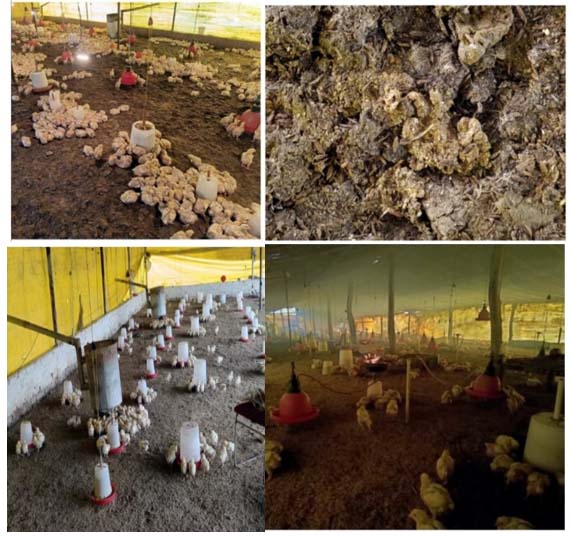
Below are some pics showing the brooding in Winter and Impact of Winter on gut Health if not managed well…
The major cost in any system of poultry production is feed which accounts for up to 70 % of total cost per bird. The upsurge feed cost has been a major constraint in profitable poultry production in most of the developing countries. In order to cut down the feed cost, cheaper and non-conventional feed ingredients are sometimes in use which contain a higher percentage of Non-Starch Polysaccharides (soluble and insoluble/crude fiber) along with starch. Non Starch Polysaccharides (NSPs) are polymeric carbohydrates that differ in composition and structure from starch with beta linkage (Morgan et al., 1995) and possess chemical cross-linking among them therefore, are not easily digested by poultry (Adams and Pough, 1993).
Impact of NSP and Phosphorous:
A portion of NSPs is water-soluble which is the culprit for forming a gel-like viscous consistency in the intestinal tract (Ward, 1995) and reduces gut performance. Predominantly water-soluble NSP like arabinoxylans,ß-glucan,ß-galactoside which belong to the pentosan group, are assumed to be the factor responsible for the increase in viscosity of ingesta. These pentosans also critically increase the water intake by the birds leading to unmanageable litter problems caused due to wet and sticky droppings. This deteriorates the hygienic conditions and carcass quality of birds.
Impact on Environment:
In areas with intensive poultry production, the phosphorus output is terribly high, leading to environmental issues like eutrophication. This happens as most of the phosphorus contained in typical feedstuffs is in the form of plant storage phytate, which is not digested by birds.
In order to overcome this problem, use of enzymes in poultry is a growing trend and is going to be established as an inevitable resource in formulating and making balanced and nutritious diets. Enzymes are proteins in nature in biological systems. Their function is to catalyze and accelerate the rate of a reaction but are not themselves altered during the process. Enzymes are non-living organisms and are not concerned about viability or cross-infection/cross-contamination. They are stable at 80-85 degrees centigrade for a short period of time.
Another vital function of enzymes is that the rate of an enzyme catalyzed reaction increases with increasing substrate concentration, to the point where there is no more response and the enzyme is said to be saturated. So, we need to match the amount of enzyme with the quantity of substrate present in the feed grain (Acamovic and McCleary, 1996).
Enzymes are classified into 2 types based on their production site ie., inside the body and from an external source:
Source of enzyme :
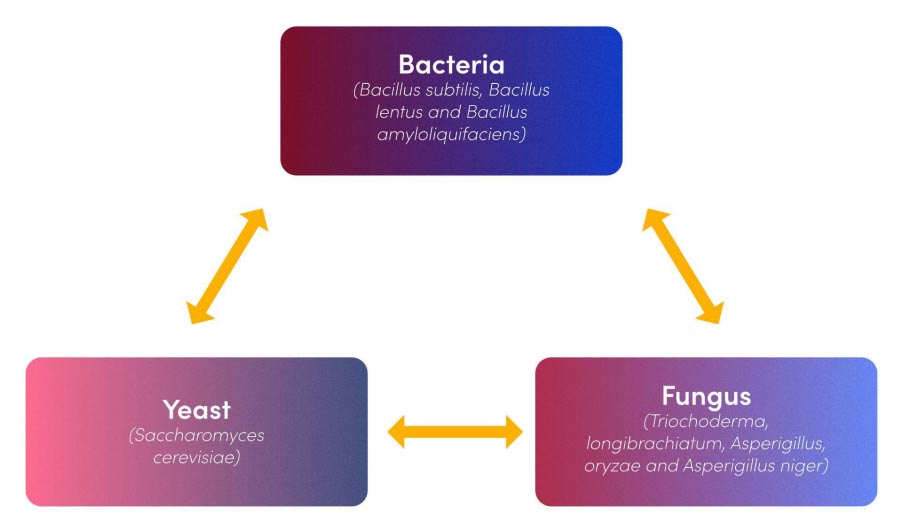
Enzymes are produced in large scale in a controlled fermentation process where either yeast or specific bacteria strains are used. While these microbes grow and multiply in media, release enzymes. Bacteria like Bacillus subtilis, Bacillus lentus and Bacillus amyloliquefaciens, Bacillus niger are commonly used to produce enzymes.
Khattak et al., (2006)
Mode of action:
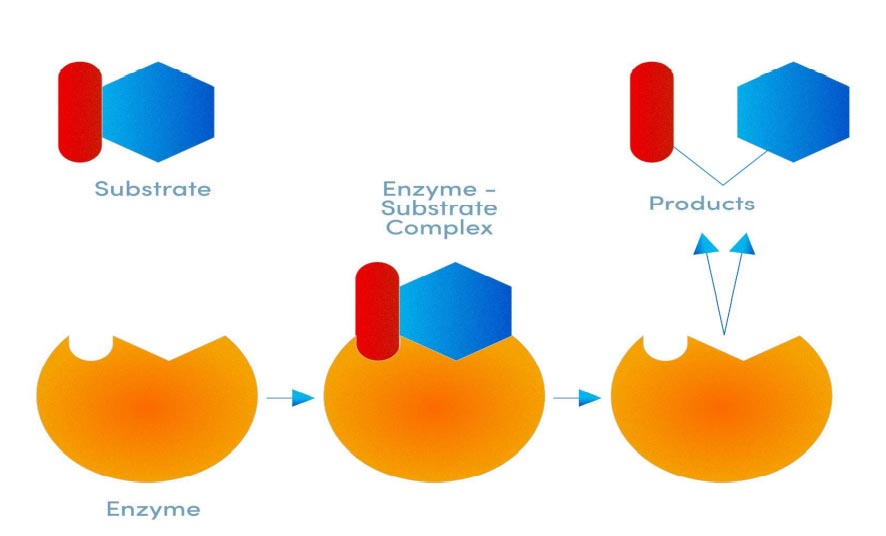
Enzymes are substrate-specific and work with the basis of lock and key methods. Once lock and key matches it releases the nutrients and searches the other substrate to release nutrients.
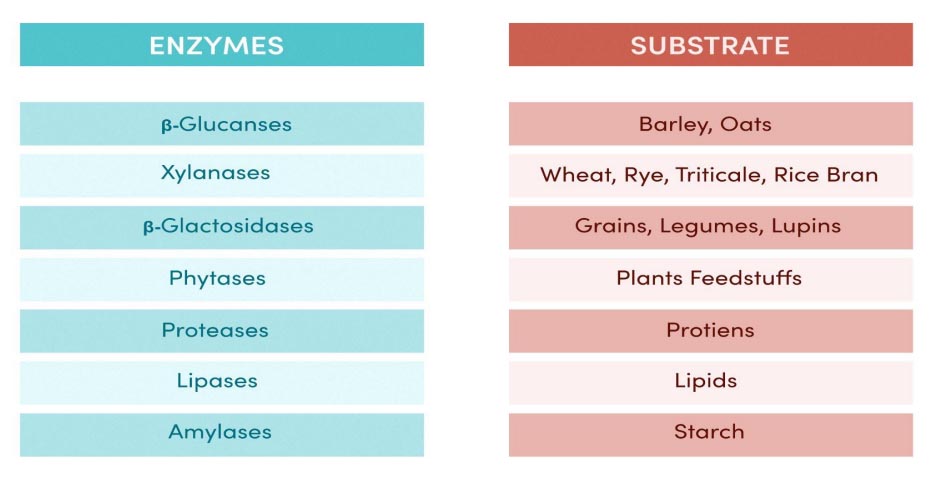
Some enzymes and substrate present in feed grain
Scope for cocktail enzyme:
The cell wall of cereal or legume grain provide tensile strength, protect them against mechanical and osmotic stress .The main substance responsible for rigidity is non-starch polysaccharides (NSPs) like cellulose microfibrils, hemicellulose and pectins. Some of the commonly used ingredients in poultry feed are corn which have NSP level of 9.7%-10.3% of DM and is 91% insoluble (Bach et al., 1997),wheat have NSP of 10.2%-11.9% of dry matter and in which 19.5%-21% soluble fiber(Simon et al., 2015) and Soybean meal (SBM) have 19.6%-21.7% NSP of DM, with 29% soluble fibre (Dierick et al., 1994).
Due to the presence of this substance, they form a dense, flexible and sometimes rigid matrix which may deplete nutrient digestion of ingredients. Effect of cocktail enzyme will have better effect on such feed formulation:
Zanella et al., (1999) reported better ileal N digestibility which may be due to improved solubility and digestibility of dietary protein, reduced secretion of endogenous proteins and also a reduction in ileal microbial load.
Morgan et al., (1995) reported that use of enzyme supplementation of wheat-based diets significantly reduced foregut digesta viscosity of birds.
Partridge and Wyatt 1995 stated that increased availability of carbohydrates for energy utilization in birds with association with increased energy digestibility.
Conclusion:
The use of exogenous enzymes as a feed additive has hastily expanded. In the last two decades, extensive studies have been conducted to study the effects of feeding exogenous enzymes on the performance of poultry. The economic and social advantages of enzymes are well established and therefore the way forward for feed enzymes could be a bright one. However additionally the right enzyme cocktail for a selected batch of a feed ingredient will permit the formulation of better rations using an extensive range of ingredients. Any developments in this field must eventually improve the welfare of chickens, reduce the production of wastes and preserve resources.
References:
1. Acamovic, T. and B. McCleary. (1996). Enzyme Special Series-Optimising the response. Feed Mix 4: 14- 19.
2. Adams, E.A. and R. Pough.(1993). Non-starch polysaccharides and their digestion in poultry. Feed Compounder 13: 19-21.
3. Bach Knudsen, K. E. 1997. “Carbohydrate and Lignin Contents of Plant Materials Used in Animal Feeding.” Anim. Feed Sci. Technol. 67: 319-38
4. Dierick, N. A., and Decuypere, J. A. 1994. “Enzyme and Growth in Pigs.” In Principles of Pig Science, edited by D. Cole, J. Wiseman and M. Varley. Notthingham: Notthingham University Press, 169-95
5. Khattak, F.M., Pasha, T.N., Hayat, Z. and Mahmud, A., 2006. Enzymes in poultry nutrition. J. Anim. Pl. Sci, 16(1-2), pp.1-7.
6. Morgan, A.J. and M. R.Bedford. (1995). Advances in the development and application of feed
enzymes. Australian Poultry Science Symposium 7: 109– 115.
7. Partridge, G. and C. Wyatt(1995). More flexibility with new generation of enzymes. World Poultry 11(4),17–21.
8. Simon, K., Vries Reilingh, G. De, Bolhuis, J. E., Kemp, B., and Lammers, A. 2015. “Early Feeding and Early Life Housing Conditions Influence the Response towards a Noninfectious Lung Challenge in Broilers.” Poult Sci. 94: 2041-8
9. Zanella, I., Sakomura, N.K., Silversides, F.G., Fiqueirdo, A. & Pack, M.(1999) Effect of enzyme supplementation of broiler diets based on maize and soybeans. Poultry Science, 78: 561–568.
CLFMA OF INDIA in association with AICOSCAis organizing a Webinar on the “Decorticated Cottonseed Meal (A Rich Source of Protein) for Milch Cattle, Poultry & Aqua”
DATE: 18 Feb 2022
TIME : 2:00 PM – 4:30 PM
SPEAKERS :
1) Mr. Neeraj Kumar Srivastava (Chairman – CLFMA OF INDIA) – Opening Remark
2) Shri Sandeep Bajoria (Chairman – AICOSCA) – Opening Remark
3) Shri R. D. Bohra (Hon. Treasurer – AICOSCA)
4) Dr. S. V. Rama Rao (Directorate of Poultry Research)
5) Dr. R. H. Balasubramanya (Principal Scientist (Retd.) – CIRCOT – ICAR)
6) Dr. D. Srinivas Kumar (Professor & Head – Sri Venkateswara Veterinary University)
7) Dr. Devender Hooda (Zonal President – North – CLFMA OF INDIA) – Moderator
8) Mr. Suresh Deora (Honorary Secretary – CLFMA OF INDIA) – Concluding Remarks
9) Mr. Peravali Kotirao, Hon. Secretary, AICOSCA – Vote of Thanks
Please fill up the registration form below to get the joining information.
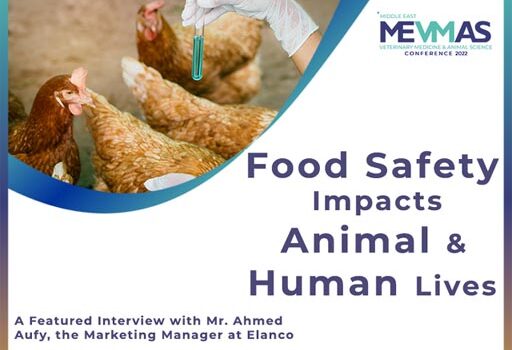
If animals aren’t vaccinated, or they face health difficulty, they will turn into unsafe food and they will produce disease filled products. Thus, this will have a major impact and influence on our wellbeing and safety, which is why its highly important to protect poultry and livestock health, to secure their well-being and ours in return.
Unsafe food poses global health threats, endangering everyone. Infants, young children, pregnant women, the elderly and those with an underlying illness are particularly vulnerable. According to the world health organization: “Every year 220 million children contract diarrheal diseases and 96 000 die. Unsafe food creates a vicious cycle of diarrhea and malnutrition, threatening the nutritional status of the most vulnerable.”
On this note, Mr. Ahmed Aufy the Marketing Manager at Elanco, a global health company that work to improve the health of animals through innovative products and services for pets and farm animals around the world, has shared some valuable intel when it comes to food safety and its impact.
When we asked Mr. Ahmed Aufy about his standpoint and expertise on how Food Safety impacts animal and human lives, he mentioned:
“Food safety is an intact approach which is designed to protect consumers from any hazards related to Salmonella infection and/or contamination in their food.”
He added on his answer, a brief about Human salmonellosis disease by saying that:
“Food-borne Salmonella poses a significant risk to human health where at global level impact millions of people’s lives.” He continues: “Data shows that 94 million humans get infected every year with about 155 thousand death.”
This brought us to ask him a very important question revolving around the Regulations impact and their Poultry disease’s management system, which he graciously answered as follows:
“It varies from country to another one. In some countries in EU, regulations are there and even advanced at all production and supply chain levels just to minimize the risk of infection. Regarding MENAGSE, regulators and authorities are giving special focus these days on the subject, we see a trend of ongoing investigations/discussions from several countries in the gulf region and even outside.”
Mr. Ahmed also continued to mention about the importance of live vaccines on counteracting Salmonella disease, by saying:
“Live salmonella vaccines represent more powerful solution as they work at the level of cell-mediated immunity where it can be used from day 0 which means earlier protection.”
Have you heard of the Lion Code? Perhaps you’ve read about its impact on Salmonella’s control History in the United Kingdom. Mr. Ahmed discussed with us the terminolody and he identified it as follows: “Lion code is a Britain’s specific method to stamp the eggs where it gives the message to the end users that the stamped eggs are safe for consumption.”
He continues:
“It is kind of regulations that were created at breeders, hatcheries, layers, packaging, feed mills and retailers with very extensive protocols just to avoid or minimize any kind of Salmonella infection or contamination. By other meaning protecting the entire production, supply and market chain to provide healthy and safe food.”
In addition of being the gold sponsors for MEVMAS 2022, Elanco will be discussing Food Safety and Dr. Ahmed Aufy will be there as a speaker where he will be having an in-depth speaking slot followed by participating in panel discussion where answers will be provided to all of the questions of the attendees at the Middle East Veterinary Medicine and Animal Science Conference, which will be from February 7-10, 2022; online.
For more information about MEVMAS and to register for FREE, please visit: www.mevmas.com
Mr. Akshay Dhumal, Managing Director, Dhumal Industries (India)
An Exclusive Interview with Poultry TRENDS magazine, Mr. Akshay Dhumal, Managing Director, Dhumal Industries shares why adoption of Environmentally Controlled ( EC) houses is a must for the industry and how this changes production levels and increases efficiency.
Excerpts of the interview is as under:
Q. How do you see the trend of environmentally controlled sheds in India?
There is widespread awareness about EC Houses all across India now. Majority of the Breeders are upgrading to Environment Control.
The medium & large farmers will plan their own farms where along with enhanced bird performance they will also get better uniformity & biosecurity. These kinds of houses are also very well suited for processing.
Q. The initial investment for EC sheds is high, how do companies like yours help producers move towards EC houses?
It’s a myth that Initial Investment in EC Sheds is high with changing modern poultry scenario and land cost. The two most important parameters about rearing a bird in EC and Farming generally as well is the volume of birds one can grow & the initial investment in terms of COST PER BIRD. Both of these parameters are only viable in EC and modern farming, the cost per bird is well justified in terms of the ROI and enhanced bird performance that we achieve in these kinds of houses.
Dhumal Industries is the only company in India and among few in the world that has developed technical expertise in structures as well as the equipment inside which enables our team to design & execute complex EC houses end to end. Our integrated approach means we can integrate the structure and housing equipment in such a way that it optimises bird performance, improves bio-security, and helps the producers transition towards EC Houses in an efficient & effective way.
The work that companies like us have put in over the years have ensured that the Initial Investment in EC Sheds is kept to an optimal and the farmers reap the benefits in terms of a faster payback on their investment.
Q. Is it possible to design an EC house according to the budget and needs of the poultry farmer?
It is possible to design and economise an EC house according to the budget and needs of the poultry farmer without compromising on the quality of the product. An example is our Ecolite series of houses, wherein we have developed a high tensile pre galvanised EC compatible steel structure along with curtains or panels especially for the individual farmer who grows chicken for an integrator on a fixed growing charge. Considering a standard fixed charge growing scenario in India, the grower can payback his investment in 3.5 years & establish a stable income source and means of sustainability for years to come.
Similarly, it is possible to build our Ecolite EC Houses for Layers farmers within a budget and also incorporate our unique plastic metal composite cages which makes it more ergonomic for the birds & farmers, and facilitates improved operational and automation levels.
Q. How important is the adoption of EC houses for the industry at the moment? Will this dramatically change production levels?
Efficiency, Bio security & Green Technology with animal welfare will be key for our poultry Industry going forward. Poultry – chicken & eggs is one of the best, cleanest and most difficult to adulterate kind of protein source available to us. Dhumal takes immense pride to work in an Industry where we are solving a real problem and playing our part to make proteins available to the masses at a competitive price comparable to other protein sources.
Adoption of EC Houses is already a trend for the poultry industry at the moment and it has dramatically changed production levels and brought in efficiency. Now we move on to the next phase wherein we focus on Operating efficiency and economics inside EC Houses, making sure we consume the lowest per capita of energy and resources per bird inside the poultry house and ensuring it comes from green and sustainable mediums.
January 24, 2022 – HUNTSVILLE, Ala. – How can the food production chain meet the needs of the world’s ever-growing communities without overwhelming the planet? Aviagen® addresses this question through “Breeding Sustainability.” Sustainable poultry breeding contributes to a decrease in carbon emissions through a continuous improvement in biological efficiency, fitness and welfare traits. Feed Conversion Ratio (FCR) or the rate at which feed is converted to body weight is a key indicator of biological efficiency and has the greatest direct impact on the industry’s carbon footprint.
Due to an FCR improvement of 1.5-2.0 points per year, Aviagen contributes to a 1% year-on-year carbon footprint reduction. This video tells the story of the “FCR Advantage” through a balanced breeding approach, resulting in a yearly reduction in the poultry industry’s greenhouse gas (GHG) emissions.
Feeding the world, preserving the planet – The FCR advantage
The global population is growing. The United Nations (UN) estimates just over 8.5 billion people by 2030, and the world will face the challenge of providing food for everyone. The OECD-FAO Agricultural Outlook 2021-2030 predicts that meat production will need to rise by 44 million metric tonnes by 2030, with half of the increase supplied by poultry. The food industry currently contributes close to 25% of the world’s annual GHG emissions, and of this amount, poultry meat is responsible for about 6%.
Advertisement
As a result of FCR improvements, the modern broiler generates 50% less carbon footprint than the bird in 1970, and fast forwarding to 2030, the bird of the future will create a 15% lower carbon footprint than the bird of today.
In 2020, 133.3 million metric tonnes of poultry meat were produced globally, at a carbon cost of 6 kilograms CO2 for every kilogram of meat. That translates to 800 million tonnes of CO2.
“To illustrate the impact with a hypothetical example, based on our FCR gains, if every bird were an Aviagen bird, this amount would be reduced by 8 million metric tonnes per year. To put it in perspective, this is the carbon equivalent of flying around the world on a Boeing 747-400 5,906 times,” explained Aviagen’s Director of Global Genetics Dr. Santiago Avendaño. “As a poultry breeder, we are at the beginning of the food production chain, and we take our responsibility of contributing to the sustainability of the entire industry seriously. We have worked for years to breed efficiencies that make poultry production more sustainable, while at the same time advancing bird health, welfare and performance. Because we care about the planet, our customers and the communities they serve, we are committed to continually breeding for sustainability for decades to come.”
Breeding a greener future
Aviagen has made Balanced Breeding one of its top 5 corporate commitments. Balanced Breeding simultaneously promotes the Environmental, Economic and Social pillars of sustainability, helping farmers around the world feed their communities with a healthy, affordable and sustainable source of protein, while breeding efficiencies that help to preserve our planet for today and for generations to come.
This year at the International Production and Processing Expo (IPPE), which takes place Jan. 25-27 in Atlanta, Ga., US, Santiago will delve into this topic in his presentation entitled, “Poultry breeding’s contribution to the environmental sustainability of the meat sector.” You may join him in this discussion on Jan. 26 11:30 am in booth B3649. To talk “Breeding Sustainability” with the Aviagen team, IPPE visitors can stop by booth B4225.
About Aviagen
Since 1923, Aviagen® has been a preferred global poultry breeding company with a mission to help its customers — the world’s chicken meat producers — supply sustainable, affordable and nutritious protein to their growing communities. Putting into practice its corporate value of “Breeding Sustainability,” Aviagen implements efficiencies that make commercial chicken production environmentally and socially responsible and economically beneficial to producers, while at the same time promoting bird performance, health and welfare.
To meet varied market demands, Aviagen offers a full portfolio of breeding stock under the Arbor Acres®, Indian River® and Ross® brand names. The Rowan Range® and Specialty Males® target slower-growing and other niche market needs. Aviagen is based in Huntsville, Alabama, US., with operations across the UK, Europe, Turkey, Latin America, India, Australia, New Zealand, Africa and the US, and joint ventures in Asia. The company employs close to 8,000 people, and serves customers in 100 countries.
For more information, please visit Aviagen.com, or follow Aviagen on LinkedIn.
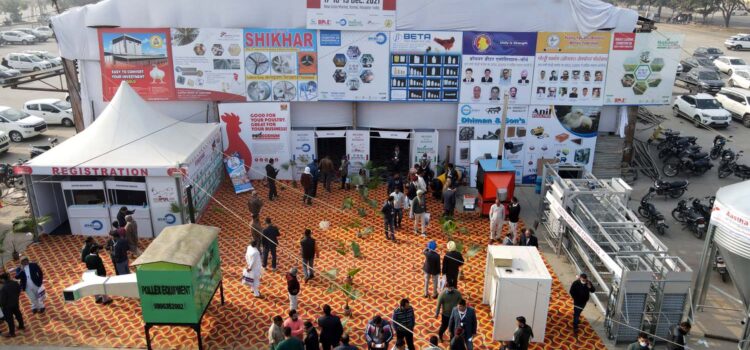
After a gap of almost 2 years due to pandemic restrictions, the 2nd edition of IPDL Expo – North India’s biggest Poultry Exhibition was successfully organised from 17 to 19 December 2021 at New Grain Market, Karnal, HARYANA (India).
Organised by ADAMAS Events Pvt. Ltd., IPDL 2021 was supported by Broiler Breeders Association North (BBAN), Poultry Federation of INDIA (PFI), Poultry Farmers (Broilers) Welfare Federation (PFBWF), NSIC and MSME. Poultry TRENDS was the official media partner of the event.
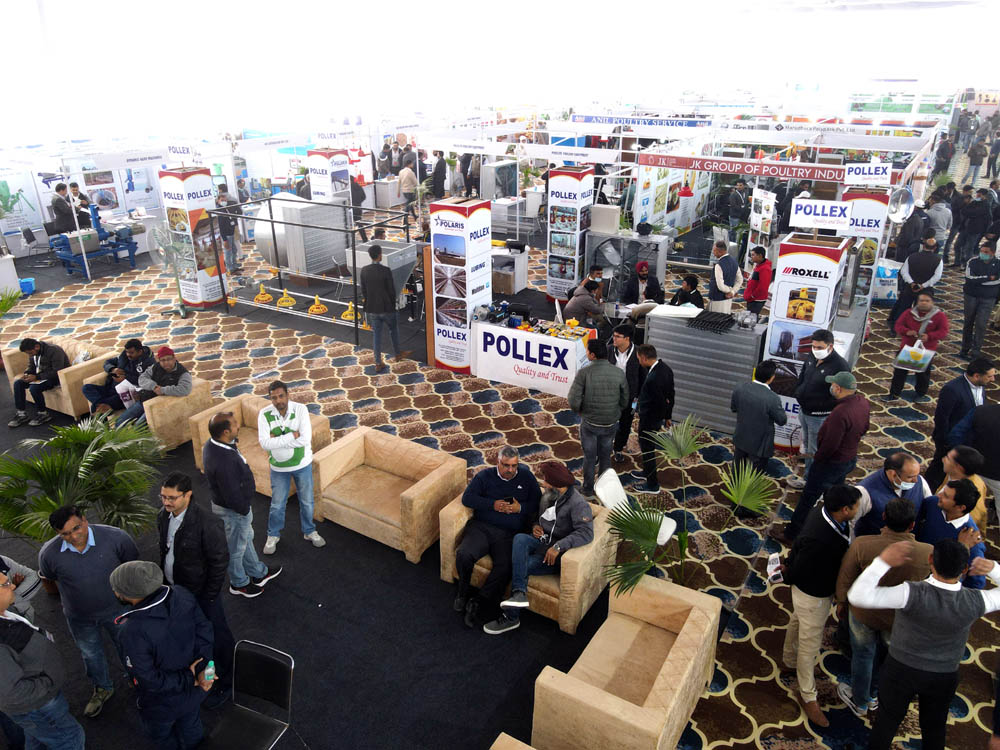
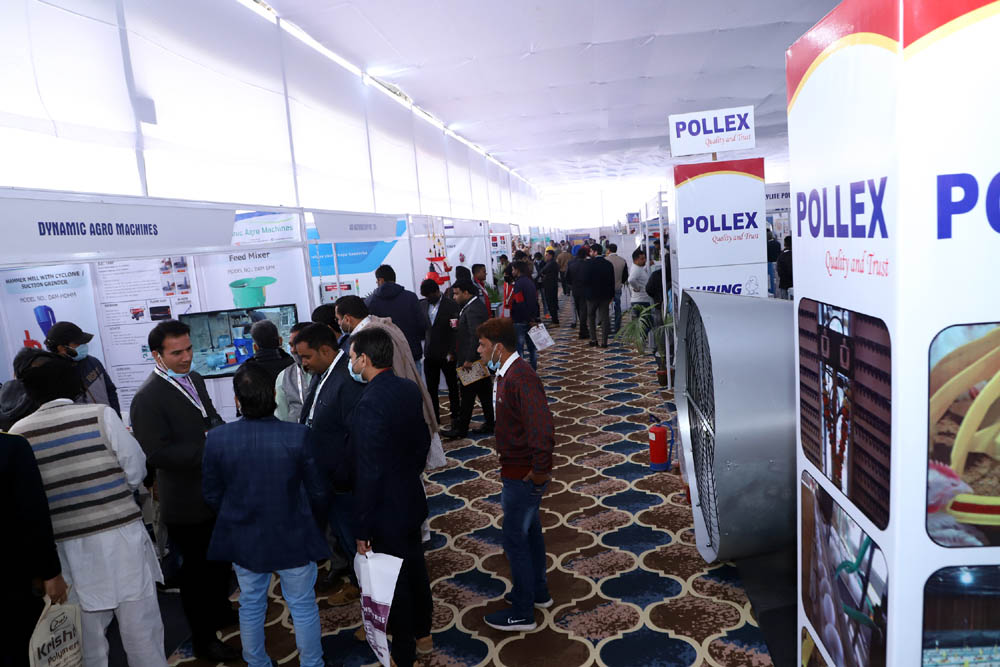
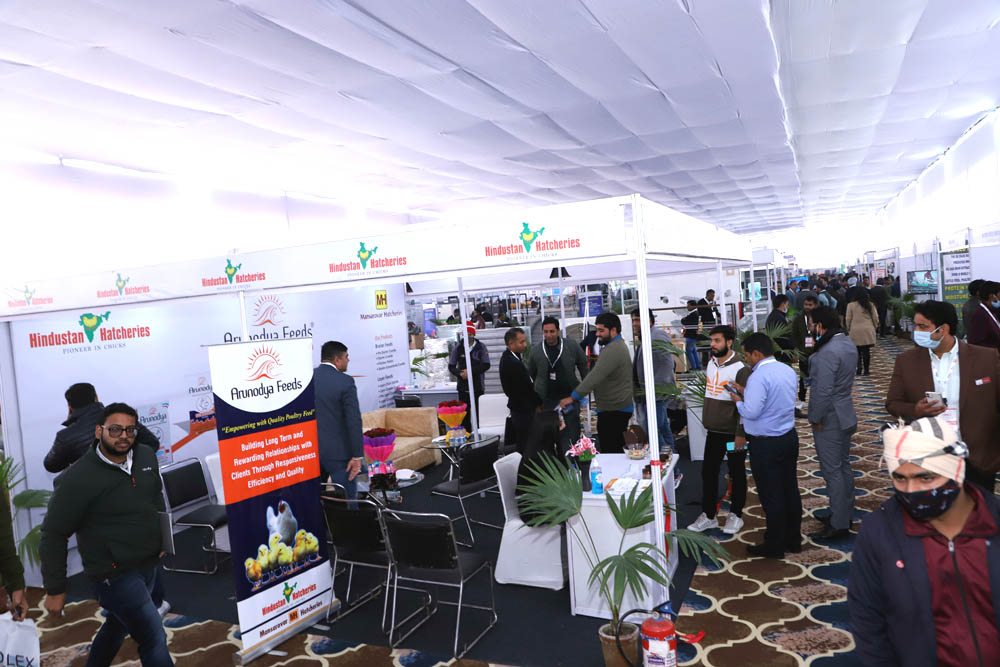
Spread over an area of about 2800 sqm, the exhibition was dominated by exhibitors from poultry farm equipment companies Like Quality Systems, Keyul Enterprises, Dhiman & Sons, Pollex Equipment, S.V Industries and many more followed by processing equipment manufacturers like Deccan Automation, Qumach Industries and allied industries.
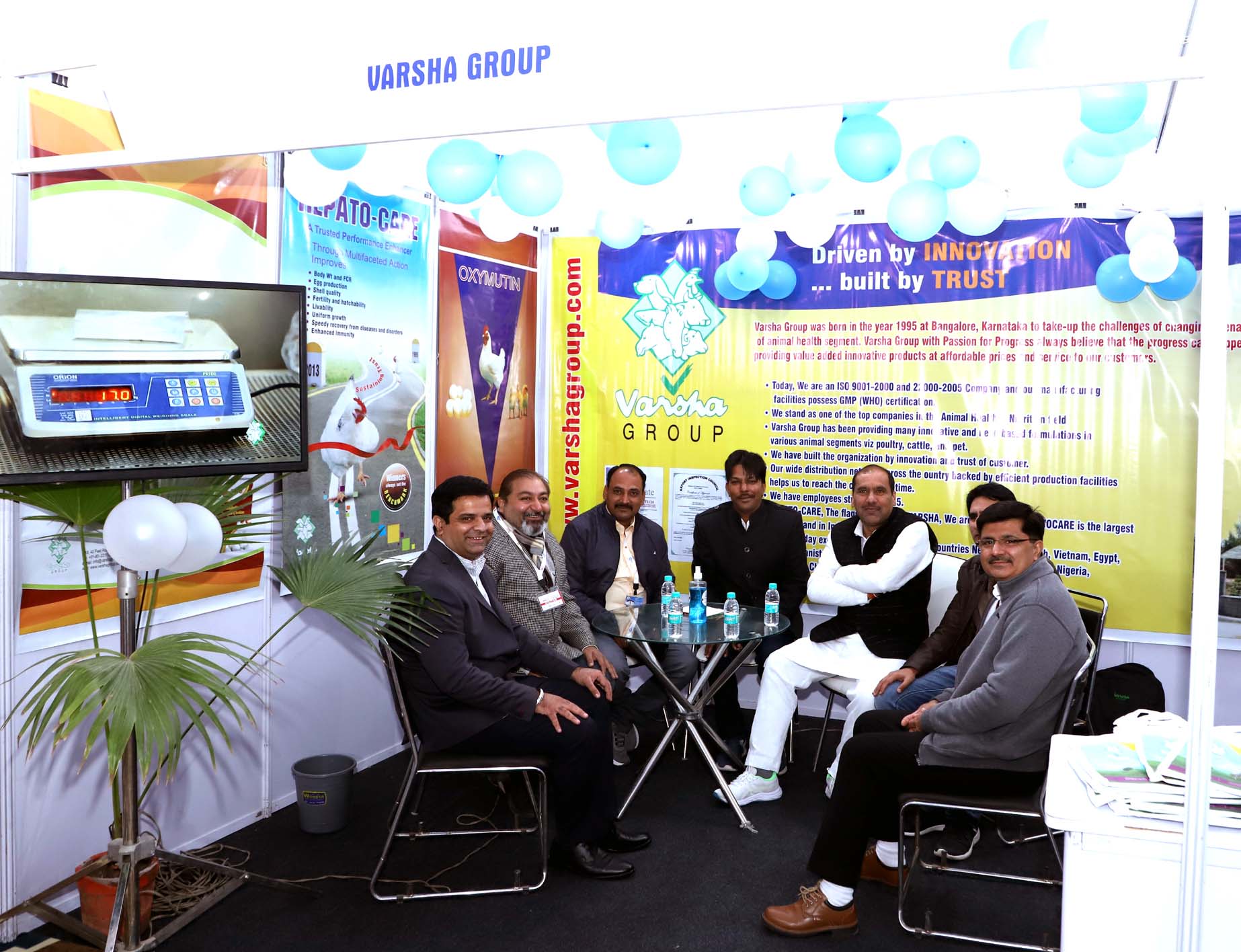
Few Veterinary / Pharmaceutical companies like Cadila Healthcare, Varsha Group, Shukla Homeo Pharmacy participated while majority opted to play safe and abstain from participation. However, large number of seniors from the pharma and veterinary companies visited the event and commended with the outcome of the event.
A total of 95 exhibitors showcased their products and services.
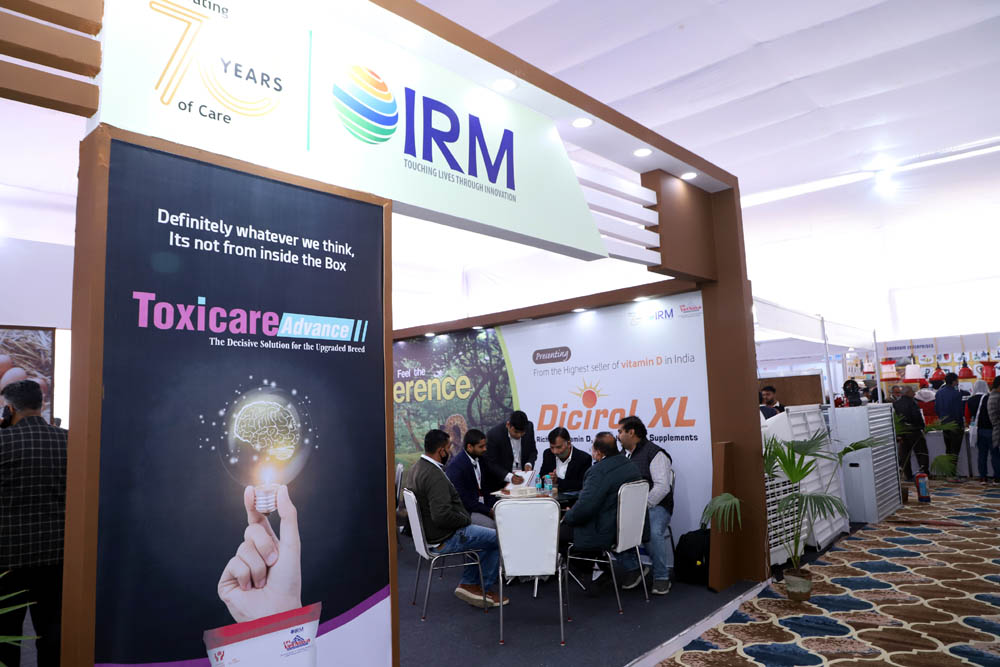
Unprecedentedly, the IPDL Expo was inaugurated by the very first trade visitor on day 1. The 3 days exhibition attracted over 5000 plus trade visitors from Haryana, Punjab, Jammu, Himachal, Uttar Pradesh, Rajasthan, Madhya Pradesh, Maharashtra, Chhattisgarh, Andhra Pradesh, Gujarat as well as visitors from Nepal, who took the opportunity to network and update on latest available technologies.
Ensuring proper visitor safety issues, the organiser distributed free masks as well as hand sanitized every visitor on entry. Hand sanitizers were also available at each booth, and at the end of each day, the entire exhibition area was re- sanitized. The efforts were appreciated by one and all.
Mr. Ranpal Dandha (now President of PFI) was very enthusiastic about the event and shared that IPDL Expo was a very good initiative by organizers, especially for the North India’s market, which will support the industry to grow their business.
Mr. Gurwinder Bisla, President (BBAN) and Mr. F.M Sheikh, President (PFBWF) shared their happiness and excitement on the exhibition success.
The dates of next edition of IPDL Expo will be announced shortly. For participation queries, contact Mr. Yogesh Kaushik (Project Director) at +91 90343 66069. Website: www.ipdlexpo.com.
SAINT CHARLES, MO (January 20, 2022) – Novus International, Inc., is bringing new research and a new look to the International Production and Processing Expo (IPPE), January 25-27, at the Georgia World Congress Center in Atlanta, Georgia.
As a global leader in health and nutrition solutions for the animal agriculture industry, Novus has been a long-time supporter of IPPE. The event in 2021 was held virtually due to the COVID-19 pandemic and Ed Galo, Novus vice president and chief commercial officer for Americas & EMEA said he and his colleagues are excited about this year’s in-person show.
“This is an industry built on relationships. There’s something about face-to-face conversation that fosters relationship-building in a way that a computer screen cannot match. We’re very excited to be back in Atlanta for IPPE,” Galo said.
IPPE attendeescan meet with company representatives at the revamped Novus booth, #8139 in Hall B, during the Expo. Representatives will be on-hand to share how Novus trace mineral, eubiotics, enzyme, and methionine solutions can positively impact animal protein production.
Researchers will showcase Novus solutions during the International Poultry Scientific Forum (IPSF), held in conjunction with IPPE. These posters will be on display from 1:00 p.m. EST, January 24 to noon on January 25 in Room B313 Foyer at the Georgia World Congress Center.
Effect of Zn Methionine-Hydroxy-Analogue Chelate supplementation on performance and carcass quality of broiler chickens from Dr. Liris Kindlein of the Department of Preventive Veterinary Medicine at the Federal University of Rio Grande do Sul.
Effect of an essential oil blend on growth performance of broilers under different coccidiosis control programs from Dr. Frances Yan, senior research scientist at Novus.
A carryover from the virtual IPPE in 2021, the TECHTalk session are short, informative live presentations where attendees can gain quick knowledge that can directly impact their business. Held at booth #8579 in Hall B, Novus is presenting a TECHTalk session titled Understanding Mixer Coefficient of Variation and Troubleshooting by Application Systems Manager Dr. Jonathan Wilson at 3:00 p.m. EST on Tuesday, January 25.


 The pandemic highlighted the need to “build back better” sustainably. The effects of global warming on agriculture, the inequality in access to food have further necessitated a paradigm shift in how we think about food. Emerging scientific innovations present us with a growing range of opportunities to transform our food and agriculture structures to fulfill the vision of a hunger-free India. Therefore, through this educative initiative, this year, Right to Protein will be initiating informed discussions and dialogues about the role of science and how methods such as genetically engineered foods can have in achieving food security. The discussions will address genuine concerns, misperceptions, and ‘GMO anxiety’ among other topics.
 Changes in physical, chemical or microbiological properties of feed can be considered loss of stability. Water activity (Aw) is one of several important parameters that affect stability of livestock feed. Water activity is a measure of the free moisture in a foodstuff. It is also defined as the quotient of the water vapor pressure of the substance divided by the vapor pressure of pure water at the same temperature.
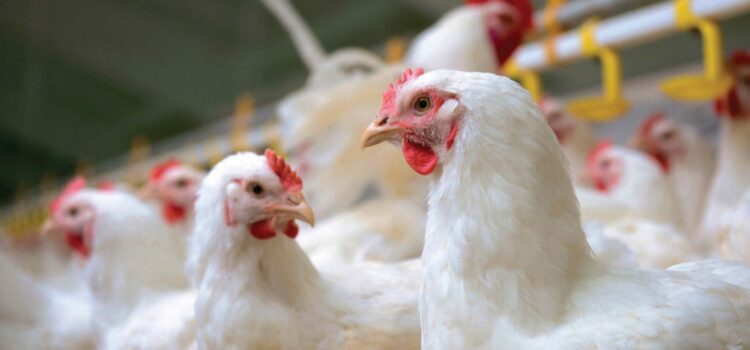
 Poultry rearing is an art as well as a science and management plays most crucial role in deciding profitability of this business. It has been observed in past several years that high market rates of broiler meat & eggs are observed only in those times when rearing is very difficult due to harsh climate and thus, demand is more than supply. Therefore, it is very important to understand and implement the best management practices in such harsh climate.
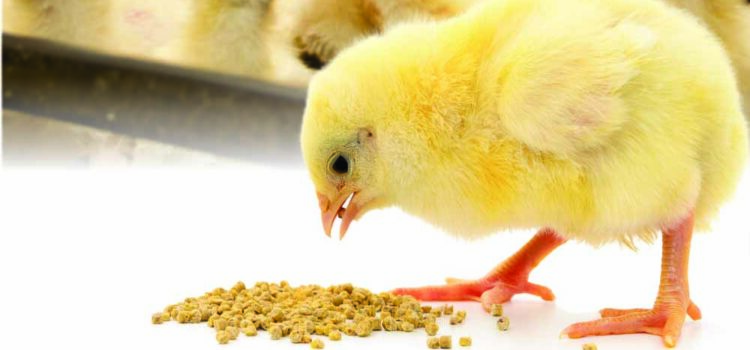
 The major cost in any system of poultry production is feed which accounts for up to 70 % of total cost per bird. The upsurge feed cost has been a major constraint in profitable poultry production in most of the developing countries. In order to cut down the feed cost, cheaper and non-conventional feed ingredients are sometimes in use which contain a higher percentage of Non-Starch Polysaccharides (soluble and insoluble/crude fiber) along with starch. Non Starch Polysaccharides (NSPs) are polymeric carbohydrates that differ in composition and structure from starch with beta linkage (Morgan et al., 1995) and possess chemical cross-linking among them therefore, are not easily digested by poultry (Adams and Pough, 1993).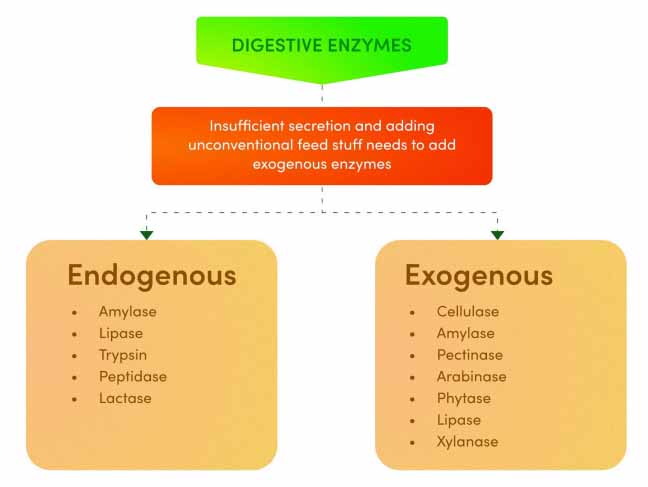
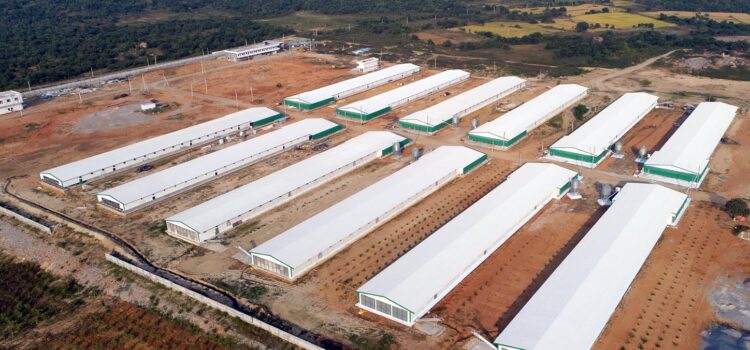

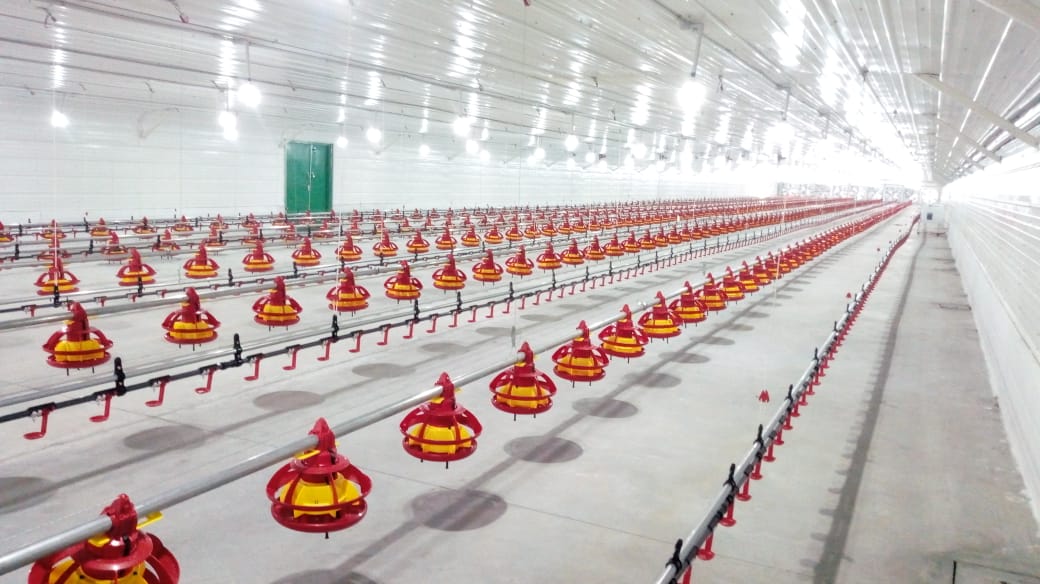 It’s a myth that Initial Investment in EC Sheds is high with changing modern poultry scenario and land cost. The two most important parameters about rearing a bird in EC and Farming generally as well is the volume of birds one can grow & the initial investment in terms of COST PER BIRD. Both of these parameters are only viable in EC and modern farming, the cost per bird is well justified in terms of the ROI and enhanced bird performance that we achieve in these kinds of houses.
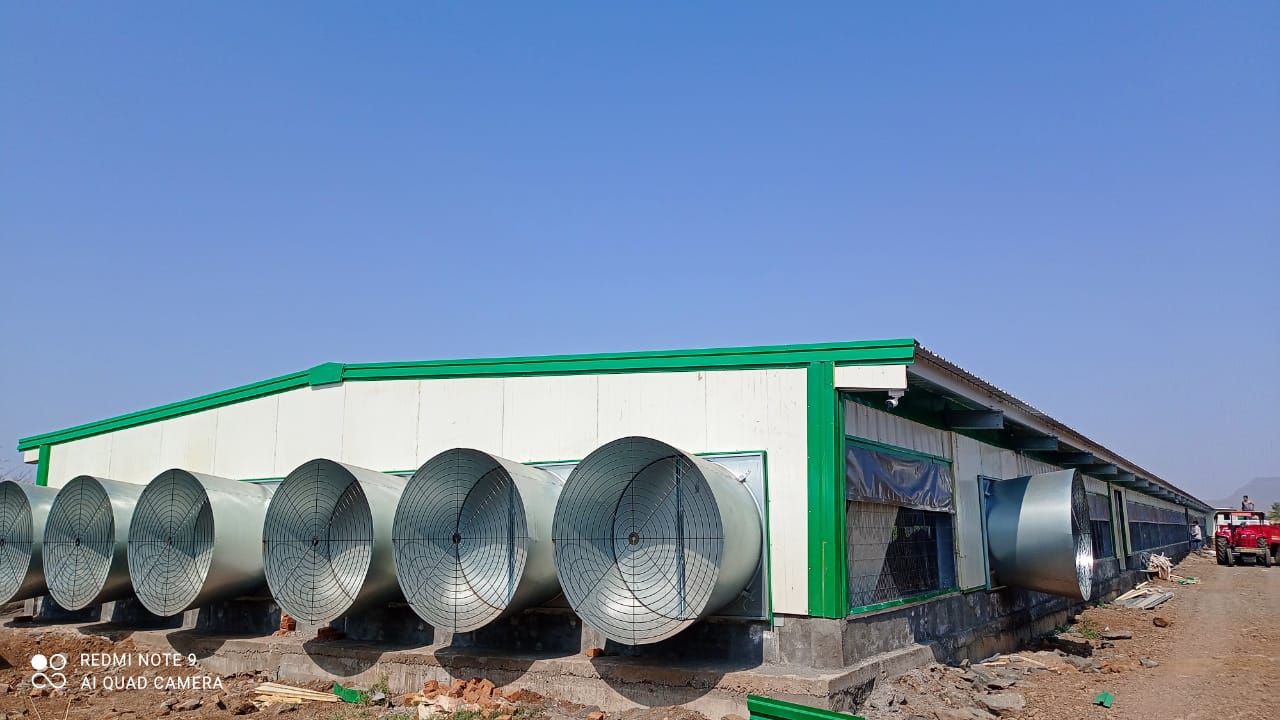 It is possible to design and economise an EC house according to the budget and needs of the poultry farmer without compromising on the quality of the product. An example is our Ecolite series of houses, wherein we have developed a high tensile pre galvanised EC compatible steel structure along with curtains or panels especially for the individual farmer who grows chicken for an integrator on a fixed growing charge. Considering a standard fixed charge growing scenario in India, the grower can payback his investment in 3.5 years & establish a stable income source and means of sustainability for years to come.
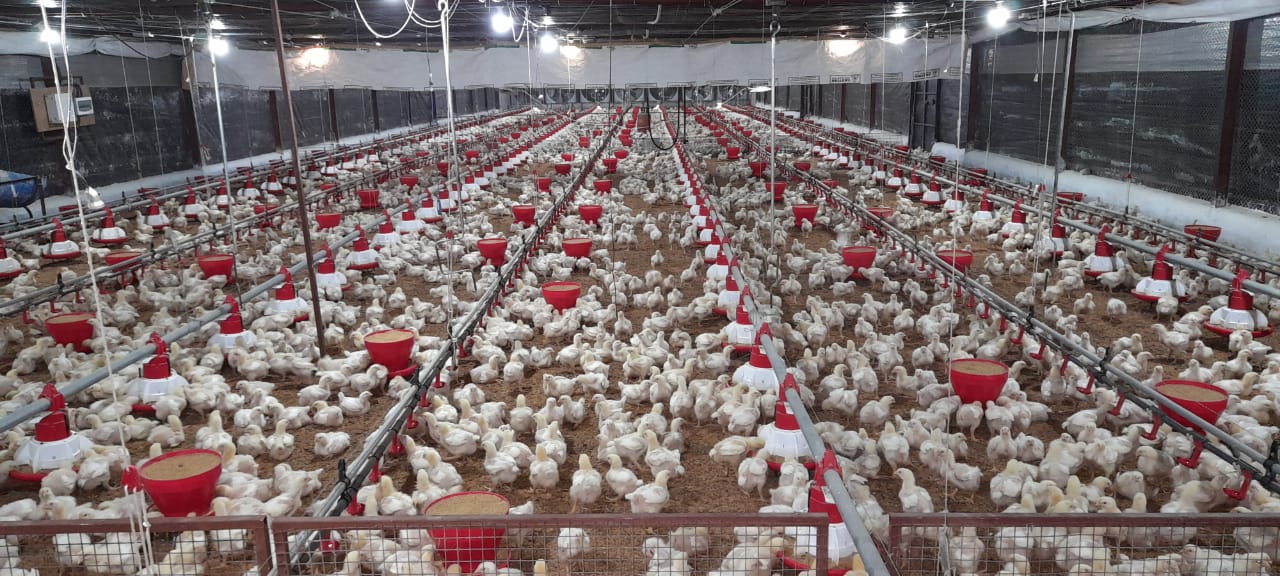 Efficiency, Bio security & Green Technology with animal welfare will be key for our poultry Industry going forward. Poultry – chicken & eggs is one of the best, cleanest and most difficult to adulterate kind of protein source available to us. Dhumal takes immense pride to work in an Industry where we are solving a real problem and playing our part to make proteins available to the masses at a competitive price comparable to other protein sources.