Standardized Botanical Powders (SBPs): Part 3 of 5
The organic revolution in the food industry has taken the world in its stride. The consumer awareness of the health benefits of natural products shall keep this revolution going. There has been tremendous growth in the global organic animal food industry. The global organic poultry market alone is expected to make $7.67 billion in 2021. Although there have been several discussions to meet the desired market demand, there is little talk around the quality and consistency of natural products. With this in mind, we have designed this series of articles, which sheds light on the importance of standardization in botanical powders. In the last two issues, we have discussed with evidence what standardized botanical powders (SBPs) are, and how an SBP comes into being.
The current article emphasizes the importance of procurement of high-quality raw material by focusing on its authenticity, safety, and documentation to keep good consistency in the concentration of the phytoconstituents. Finally, these would result in high-quality SBPs.
The medicinal property of a plant is determined by the natural phytoactive chemicals they possess. Phytochemicals, such as alkaloids, terpenes, phenolic compounds, and flavonoids are encapsulated by a specialized membrane known as tonoplast. A tonoplast is a semipermeable membrane surrounding a vacuole in a plant cell. Once the SBP is fed to the animal, the tonoplast disintegrates in the gut of the animals, releasing the phytochemicals. These phytoconstituents have been reported to exhibit various biological effects for instance adaptogenic, hypoglycaemic, antioxidant, immunomodulatory, anti-inflammatory, anti-cancer, and gut enhancing properties. However, the biosynthesis of phytochemicals is significantly affected by several factors such as environmental stress conditions like seasonal changes, geographical location, plant maturity, soil type, farming practices, genetic make-up, and post-harvest processing to mention a few.
Natural Remedies is the number 1 veterinary herbal healthcare company in India with presence in more than 30 countries across the globe. Through its world-class Research and Development centre, Natural Remedies offers a category of science-based Phytogenic feed additives, called Standardised Botanical Powders (SBPs). In this series of articles, Dr. Raina Raj, Head of Marketing at Natural Remedies, provides in-depth knowledge of what SBPs are, and their benefits in the poultry diet.
Advertisement
In India, manufacturers can purchase crude botanicals from local Bazaar, where 52% of their stock comes from temperate and tropical forests, 25% from wild-grown regions, and 20% from farms or plantations. Scientifically, harvesting botanicals from wild sources not only damages the biodiversity of the region but also there is no accountability to the variation in their phytochemical constituents, which poses an issue when botanical compounds need to be standardized. Therefore, it is important to ensure that plants selected for their medicinal uses contain relatively fewer variations in phytochemical constituents. Standardization is essential to maintain consistency in the biological outcome when consumed by animals. Hence to overcome these issues the standardization process begins at the farm where the medicinal plants are cultivated under supervision and can be harvested at the optimum time of growth for the best utility of the phytochemicals.
Contracted supervised farming
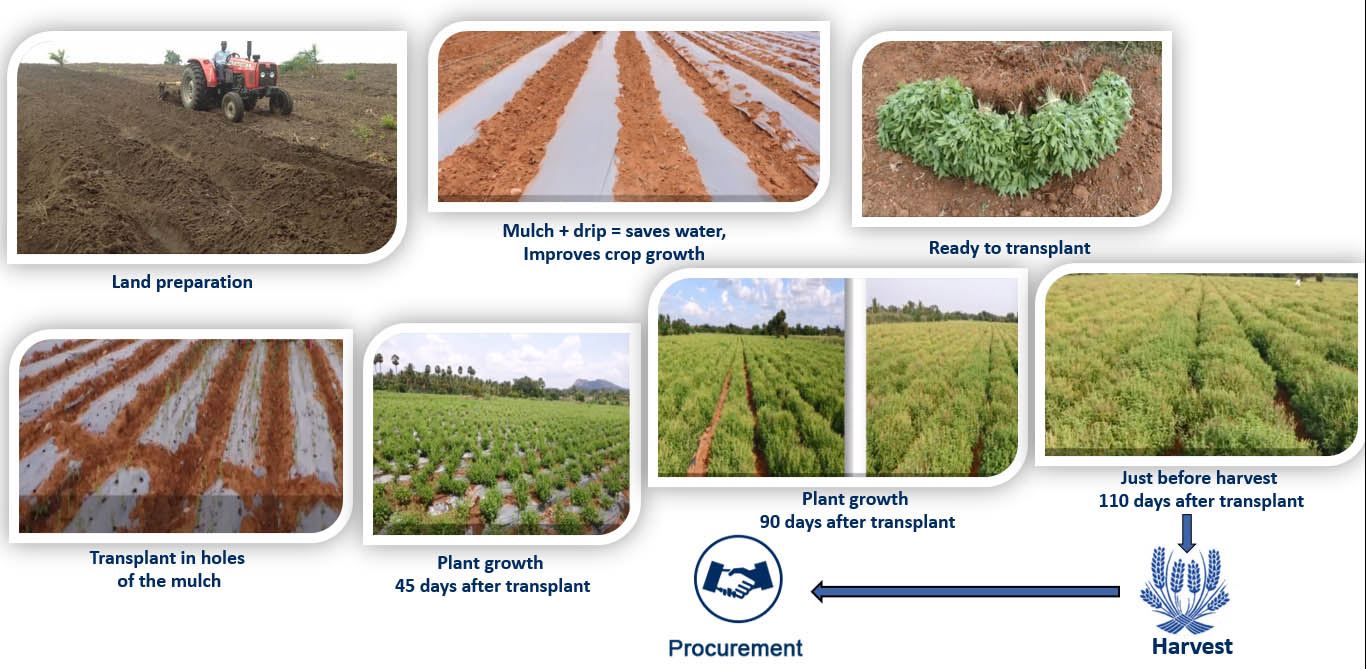
One of the strategies to procure superior quality raw botanicals with the least variability in their phytoconstituents is through contracted supervised farming. This helps monitoring of the raw product for its authenticity, safety, and least variability in the desired phytochemical; ensuring organic methodology is used in the plant cultivation process; harvesting at the specific age of maturity, when the phytochemicals are at their peak; to the farming community this generates a steady source of income; this generates gainful employment in rural communities; they receive support and guidance throughout the cultivation process; they receive input after analysis of the soil and water samples for pH, conductivity, organic carbon, phosphorus, potash, and residual pesticides. Since the plants are grown organically, pesticide use is avoided, which in turn helps the environment. However, to ensure that the crops receive sufficient nutrients the manure used as fertilizer is also assessed, for physical and chemical properties such as colour/odour, moisture percentage, pH, conductivity, organic carbon, N-P-K, CN ratio, micronutrients like Fe, Mn, Zn, etc. A technical team supervises the land for soil waterlogging, major weed infestation, and irrigation and assists the farmers to solve any issues in the field. In general, it is a win-win situation for both the contracting herbal company and the farmer.
Figure 1: Farmers receive support and guidance from land preparation until the time of harvest
Assessment of authenticity
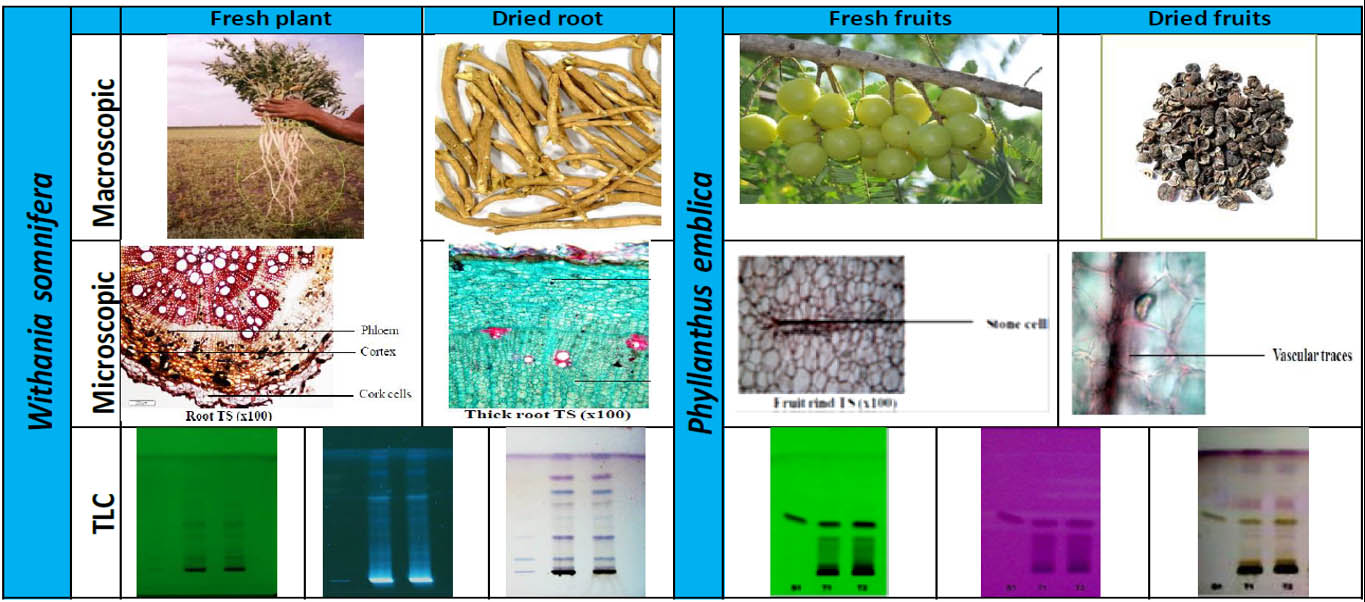
The herb samples collected from the farm should be evaluated extensively for their genuineness at the physical, microscopic, and molecular levels (Figure1). The authenticity of the herbs is already established at the seed level during collection. Ultimately, all these assessments are necessary for the standardization process of the SBPs and to provide consistency in each batch to give the desired biological effect.
Figure 2: Herbal authentication
Assuring safety
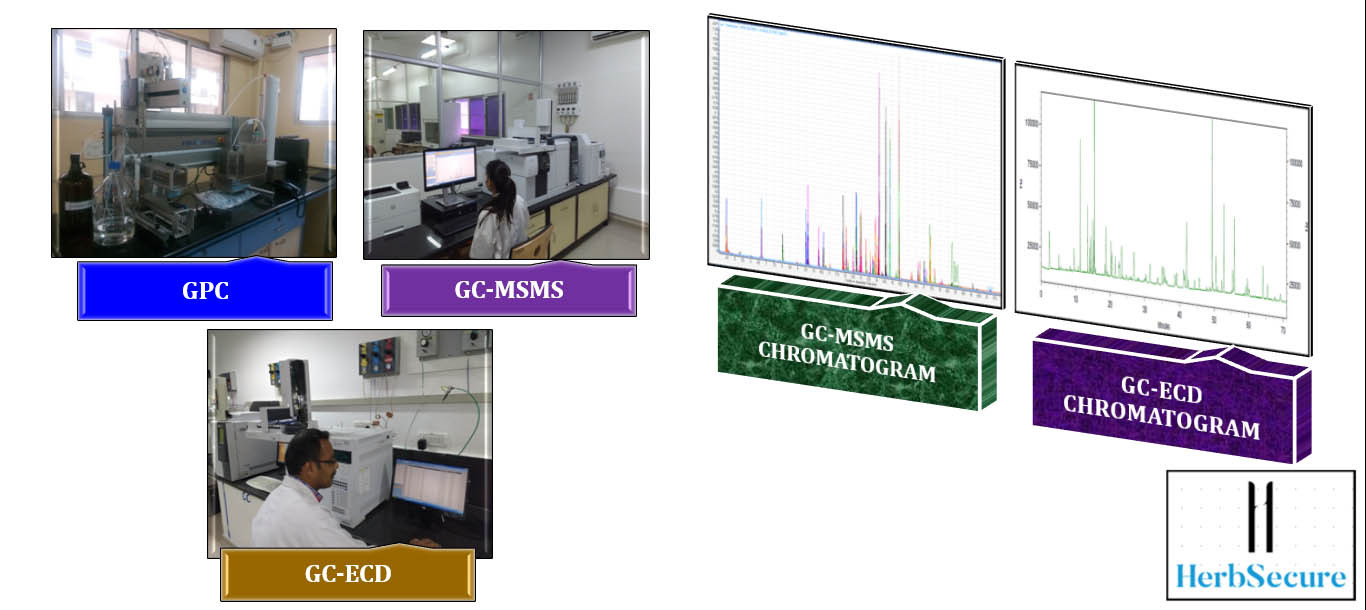
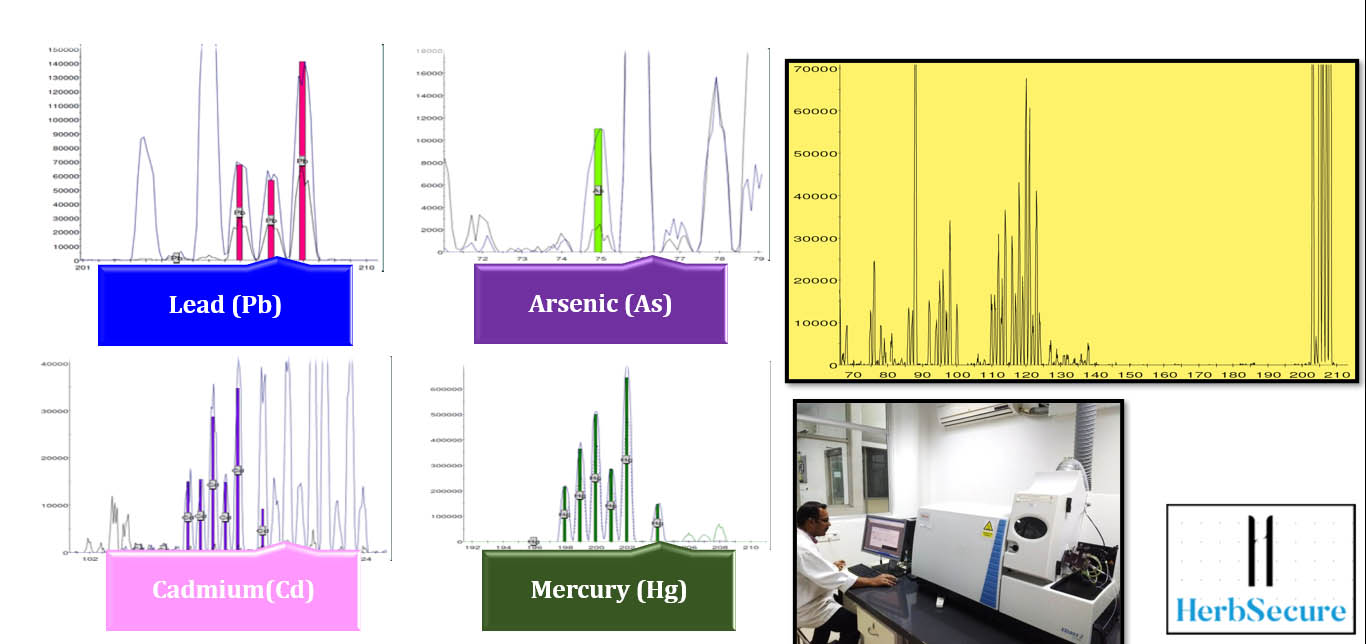
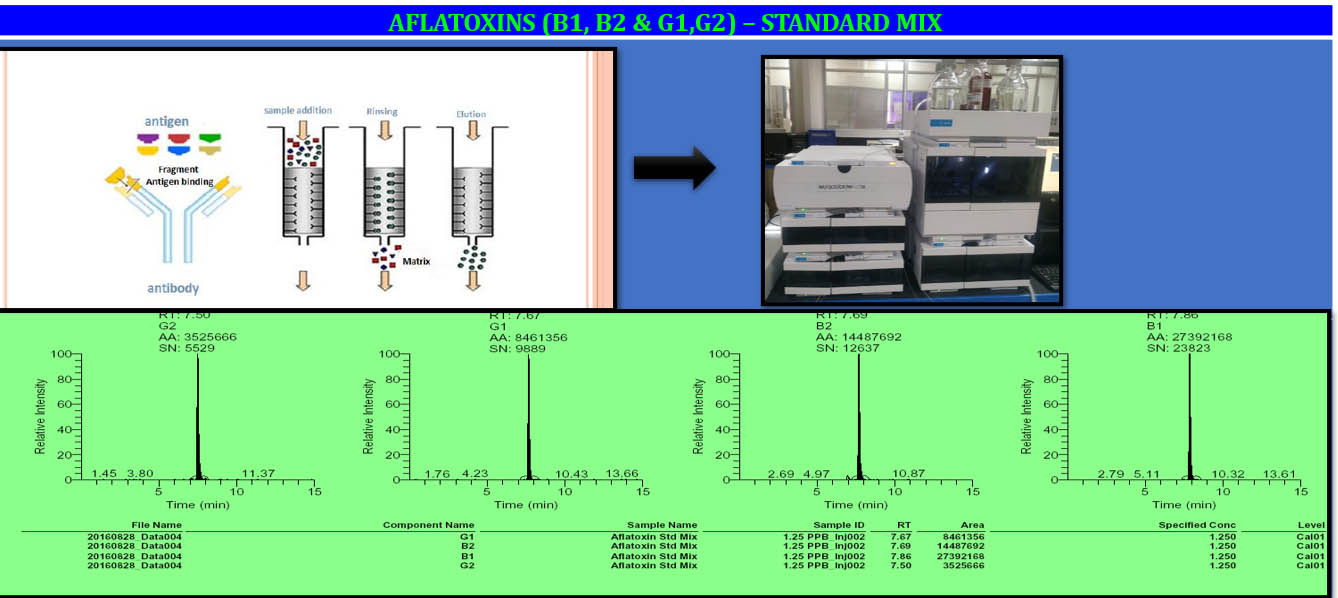
To ensure the SBPs are safe, the herbs are collected from a pristine area where there is no heavy presence of contaminants. Also, the safety is ensured with the harvested raw herbs through testing for pesticides, heavy metals, and mycotoxins/aflatoxin. The samples can be tested for pesticide residues with Gas Chromatography – Electron Capture Detector (GC-ECD) and Gas Chromatography-Tandem Mass Spectrometry (GC-MS/MS) as shown in Figure 3. Heavy metals such as Cadmium, Arsenic, Lead, and Mercury are evaluated with an inductively coupled plasma mass spectrophotometer (ICP-MS) as shown in Figure 4. Heavy metal, pesticides and mycotoxins occurrences in herbs, if not maintained below safe levels can lead to life-threatening toxicity in animals. Aflatoxin and mycotoxins are detected using high-performance liquid chromatography with fluorescence detection (HPLC-FLD) as shown in Figure 5.
Figure 3: Pesticide Residues in the raw material are evaluated by GC-MSMS/GC-ECD
Figure 4: Heavy metals in the raw material are detected by ICP-MS
Figure 5: Aflatoxins in the raw material can be detected through HPLC-FLD
Traceability of the raw material to its origin
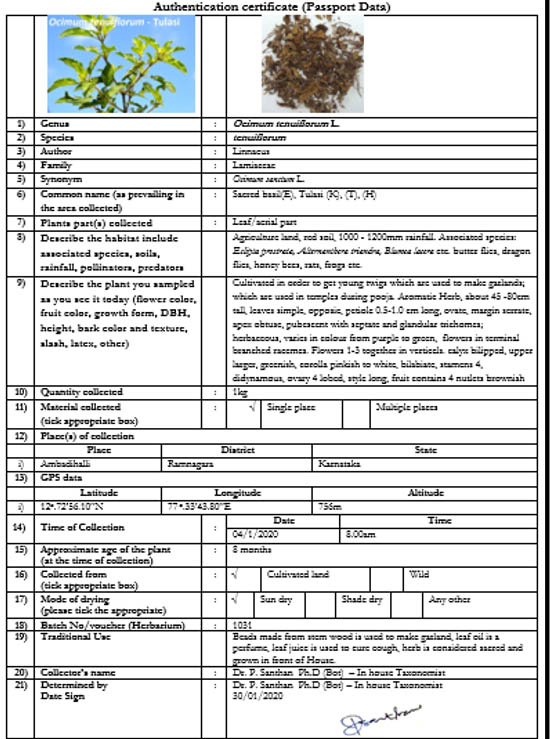
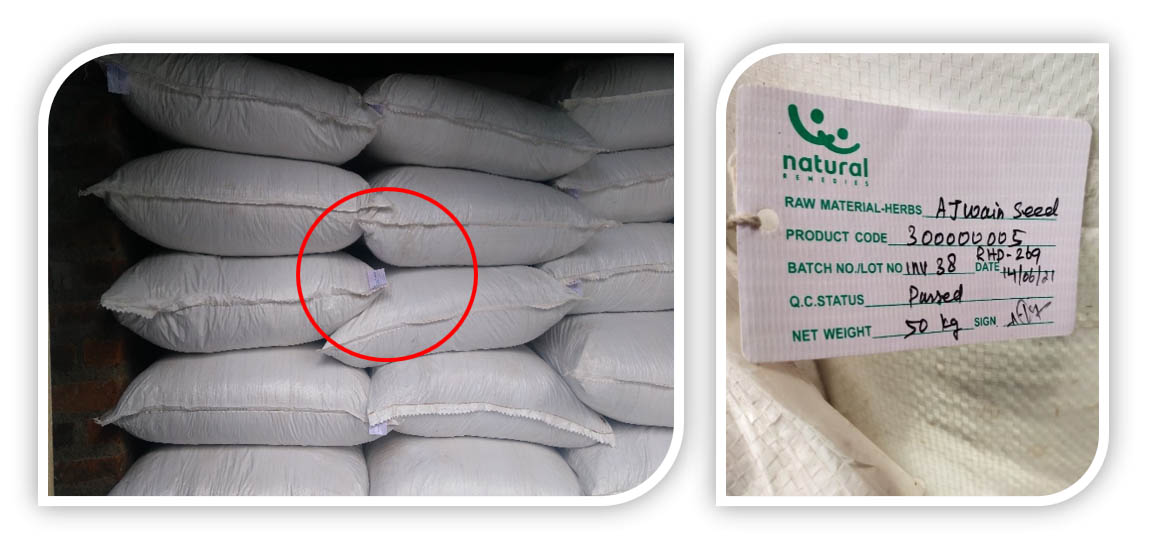
The whole process of cultivation to harvest should be well documented, just as travel information in a passport Figure 6. Supervised farming helps maintain scientific recording that gives details at each stage of growth, if at all there are any untoward variations noticed in the performance of the product, it can be traced back and re-evaluated with scientific data. Post-harvest the product should be well labelled too (Figure 7). So that finished goods can be traced to which farm they originated from. The whole raw material procurement process becomes more science-based which helps in the standardization of SBPs and is eco-friendly, by maintaining the biodiversity of the forests, avoiding pesticides, and ensuring customers a safe end product free of synthetic constituents.
Figure 6: Passport data of Ocimum, authenticated by a botanist.Figure 7: Post-harvest the raw material is labelled so that its origin can be traced back
How often we find two organizations within the same sector with similar offerings see different results. Why some of these smaller organizations manage to be successful even in adversity while some others struggle even under favorable conditions. Why Ford decided to shut shop (though there would be small presence) while Hyundai (entered India at the same time) is thriving.
Pattabiraman Nagarajan (Author)
We could understand this through the Resource based view(RBV) which provides sustained competitive advantage. It talks about Valuable, Rare, Inimitable and Organized (VRIO) resources to build sustained competitive advantage. While the first three are understood very easily, the last one “Organized” is not well understood and hence highly under utilized. This results in unused competitive advantage.
I would like to explain as to how you could build strategic advantage by focusing on Organization that integrates the Valuable, Rare and Inimitable resources.
Grameen bank, founded by MR Muhammad Yunus gives credit only to those who don’t have any credit history and can’t provide collaterals. Sounds weird? Yes they do this and even give loans to beggars. You might be thinking they would be bleeding money with piling NPA (like most of our PSU banks). But this is a bank with sound financials with on time payments exceeding 98%. They have stopped taking donations as their business is strong. What they have done is to build social collateral, where they create mutual pressure amongst borrowers to pay their dues on time. They don’t measure success of a branch based on NPA, growth in business but through the development of their clients. Some measures are the client’s children are studying, they have toilet at home. Their employees are expected to have real understanding of their customers (don’t confuse this with Kyc) and develop a relationship with them. They have rigorous selection, training, performance management and reward process. Employees are bound together by a larger purpose. The bank and it’s founder bagged Nobel peace prize in 2002 for their work.
Advertisement
How often have you heard excuses like “high price”, “heavy competition”, “customer not convinced”, “no credit” for closing sale. Root cause for these could be traced to basic issues like lack of planning (pre call, post call), not targeting the right prospect, not meeting the right person(who makes the decision) and the vital lack of professional relationship. This is the reason we find differential performance within the organization between different HQs. I am witness to a drastic sales transformation where proper usage of CRM and selling to market rather than budget made organization hugely successful.
As business leaders we need to pay lot of attention to these people processes so that the organization is able to make full use of its competitive advantage. Key here is not just having good systems but how well it is understood and implemented in letter and spirit, that is “When the rubber hits the road”. Leaders might need some help that could make them think beyond what is possible today, have a vision and be in a position to inspire others. Meaningful interventions like Coaching, continuing education and challenging roles would help them accomplish these goals.
Noted American author, sales person and motivational speaker Hilary Hinton “Zig” Ziglar says “It’s not what you’ve got, it’s what you use that makes a difference”. Tap the human potential and unlock your unused competitive advantage.
About author: Mr. Pattabiraman Nagarajan is a HR professional, Consultant, trainer and an ICF certified coach. Has managed organization change and aligned HR practices to ensure business growth. He holds master degree in Social work and a PG Diploma in Business Management from IIM Trichy. He could be reached at npattabiraman@relyonus.in
Dietary Electrolytes consideration while formulating with alternate ingredients
The current situation is demanding use of alternate ingredients to optimize cost. Feed when formulated with alternate ingredients, there are few things which at times becomes critical and effect broiler performance. Variation in quality of alternate ingredient, ANF (anti-nutritional factors) limitation is really of big concern while formulating with these and we have discussed many a times in Poultry nutrition bites. One parameter which is generally overlooked with use of alternate ingredients in formulation is the electrolyte balance of finished feed.
Na, Cl, K and S elements are important:
Sodium (Na), Chloride (Cl), Potassium (K) and Sulphur (S) are the elements involved in the acid base equilibrium in the bird’s body. In addition, they play important roles in the normal metabolic function of the body, for example, Na is required for the absorption of both glucose and most amino acids. Na and Cl are both contained in normal table salt and K occurs widely in plant material. Small amounts of each of these elements are critical for the well-being of all animals. Since they cannot be synthesized by the bird, they are construed to be essential in dietary terms. In large amounts, they have a deleterious effect.
Standards of Na, Cl and K for optimum performance:
The normal salt level used in broiler feed is 0.2-0.5% (2-5kg/ton). This is always an easy item for a practitioner to check on when evaluating a formulation. Bear in mind, however sometimes sodium bicarbonate, sodium carbonate or sodium sulphate are used as a Na source. When birds are deprived of salts, the symptoms are stunted growth, extreme agitation, and cannibalism. If Cl is deficient poor growth and mortalities are seen, with animals showing nervous symptoms, tetany, and excessive hyperirritability to external stimuli. If either Na or K levels are increased, the requirement for the other ion is automatically increased. Some of the standard recommendation of Na, Cl and K levels in finished feed as listed as follow.
Some standard recommendation of Na, Cl and K levels in finished feed
Chickens are tolerant of high salt levels in the feed, provided that an adequate amount of drinking water is available. The salt levels in the birds drinking water can be important. If the levels are excessive, then the levels are excessive, then the levels of salt in the feed need to be reduced. Only at levels of greater than 3% of salt in the diet is there growth retardation with reduced feed efficiency. When an excess of salt is fed, birds will show muscular weakness and on post-mortem examination, impaction of the crop and dark colored liver will be observed. In addition, diets high in salt predispose the birds to increased incidences of ascites (water belly) due to increased blood pressure.
Deficiency of K is extremely rare. It is difficult to formulate a ration with a level below 0.4-0.5%. High levels of K cause gastric irritation and wet droppings, a condition that is fairly common in the case of diets containing high levels of soya bean meal.
Chloride levels can be reduced, although most species have requirement of around 1.2-1.5g/kg of diet, below which deficiency symptoms may develop. Care must be taken to meet the minimum Cl requirement when, for example, sodium bicarbonate replaces salt in a diet. Current understanding is that the bicarbonate ion is useful in assisting the bird to overcome the negative effects of heat stress, rather than the fact that it does not contain Cl.
Practical formulating tips:
Keep Na levels on higher side, this helps in high feed and water intake especially for Indian summers.
While limiting Cl, the levels shouldn’t go below 0.16%. There is no direct bad effect of excess Cl.
For optimization use Salt at around 2.5kg/ton and balance the remaining with Soda or other Na salts when formulating with veg ingredients.
Use of bicarbonates (soda) helps to overcome effects of heat stress.
dEB or CAD or DCAB levels:
Dietary electrolyte balance (dEB), also known as cation-anion difference (CAD) or dietary cation-anion balance (DCAB), is calculated using only the monovalent ions of sodium, potassium, and chlorine. A more comprehensive estimate, however, considers the contribution of divalent ions of calcium, magnesium, sulfur, and phosphorus, but it is used less frequently because it requires more chemical analyses. For all practical purposes, the following equation is sufficient under most commercial conditions:
dEB (mEq/kg) = 1,000 ´[Na(g/kg)/23 + K(g/kg)/39 – Cl(g/kg)/35.5]
In broilers, an electrolyte imbalance can cause tibial dyschondroplasia, which may affect the metabolism of a number of essential amino acids in particular lysine and arginine. In most situations, it seems as through an overall diet balance of 250 mEq/kg is optimal for normal physiological function, although the range of published figure varies from 200-350 mEq/kg.
While it is true that overall electrolyte balance is of major importance, it appears to be most critical when Cl levels are high. Low dietary Cl levels often have little response to the manipulation of electrolyte balance, but when diet Cl is elevated, it seems critical to make the adjustments to the diet cations such that overall balance is maintained. Bear in mind that microbial fermentation can be impacted on by the DCAB in its environment. It may be true that the bird can self-regulate its own DCAB, but it cannot alter the DCAB of the digesta in the intestine. Feed changes, along with changes in the DCAB, may have a negative impact on the gut microflora and gut health.
Practical formulating tips:
dEB is important for gut health and microbial fermentation.
Formulating with dEB levels above 200 in summer always helps but the vice-versa may not be always true.
S levels are very critical when formulating with alternate ingredients:
The 1994 NRC lists the toxic level of S as 14g/kg in poultry; however, this is based on data from 1960. Lesson and summers demonstrated that broiler performance was retarded when high levels of dietary S were present in feed. Raw materials such as canola meal and maize DDGS are relatively high in S. If high levels of supplementation of trace minerals (in sulphate form) are added, and crystalline Lysine in form of Lysine sulphate is used instead of Lysine HCl, then the levels for optimum broiler performance might be exceeded.
More recently, researchers showed that feed intake in broilers was significantly reduced when dietary S levels reached 3.6g/kg using copper and zinc sulphate at supplementation levels of 255 and 1363 mg/kg respectively. However, broiler performance was not affected at these levels. Some nutritionist use sodium sulphate as an alternative to sodium bicarbonate. It may be cheaper but its molecular weight of 32.5, S will change the DCAB to some extent. While it may not do any harm, it is difficult to see any real benefit from this practice. Commercial nutritionists are becoming concerned that, as we reduce the protein levels of our diets and possibly use more Lysine sulphate, there is a danger that we may exceed safe upper limits.
Practical formulating tips:
S levels are critical and needs to be monitored, levels going above 0.3% may affect performance.
Rapeseed meal, DDGS, Poultry meal, Fish meal and DORB are high in sulphur.
S coming from Lysine Suphate needs to be considered.
S coming from Sulphate form of minerals also needs to be considered.
Formulating low protein diet with alternate ingredients at times aggravates the issue due to high S levels in finished feed.
For references, questions and feedback write to Novel Life Consultants, Bangalore (India). Email id is novellife.bangalore@gmail.com and contact no Landline +91- 80-41326221 Mob- +91 9611337444)
(This article is a work of Novel Life Consultant and is for public information purpose only. This has been written to share knowledge on poultry nutrition and is not a legal information or statement. Reference to any specific product or entity doesn’t constitute an endorsement or recommendation by the company. The views expressed by the writer are their own and their appearance does not imply an endorsement of them or any entity they represent.)
References: -
Bobeck, E., Payne, R.L., Kerr, B.J. and Persia, M.E. 2013. Supplemental lysine sulfate does not negatively affect the performance of broiler chicks fed dietary sulphur from multiple dietary and water source. JAPR, 22:461-461
Borges, S.A., De Oliveira, J., Fischer da Silva, A.V. and Dos Santos, T.T.2011. Use of electrolytes for birds-the practice of theory. In Proceedings of 22nd APSS
Lesson, S. and Summers, J.D. 2005. Commercial Poultry Nutrition, 3rd Ed. Guelph Ontario, Canada: University Books.
Nutrient Requirements of Poultry: Ninth Revised Edition, 1994
Rick Kleyn and Peter Chrystal 2020. Broiler Nutrition Masterclass, First Ed. British Library, England: Context Publisher 2020
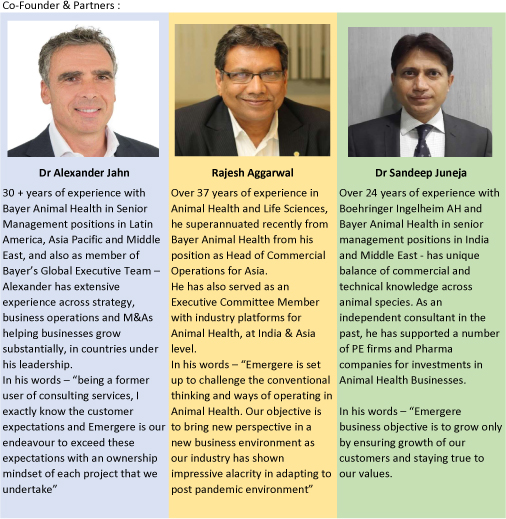
Emergere Animal Health Consulting is a specialty firm supporting companies operating globally in animal health or its adjacency space and / or desirous of entering into animal health space. Our focus drives innovation across the value chain and enables companies in realizing their full potential in a highly dynamic business environment.
Emergere Animal Health aspires to partner with leaders and fallen angels in Animal Health Industry to help tackle unique challenges and leverage greatest opportunities in the post pandemic world.
With a transformational approach aimed at benefitting all stakeholders – help build and sustain competitive advantages and support organizations in growth trajectories – Emergere Animal Health Consulting works with an ownership mindset.
With a diverse and deeply passionate team of industry leaders having direct hands on experience – Emergere aims to redefine the consulting space in Animal Health Industry.
Founded in December 2020, Emergere Animal Health Consulting is a pure-play Animal Health consultancy set up by Animal Health leaders with combined, nearly 175 years of domain & international experience, especially in emerging markets, across all facets of business & its cycles.
Why Emergere & Why Now
In our extensive corporate experience of leading businesses & various projects, whenever we felt the need to seek external consultancy support, more often than not, a specific gap in domain knowledge, insights & customer perspective of the Animal Health Industry was starkly visible.
We believe that our background, achievements in AH industry and our unique suite of services with leading edge management consulting will be the key differentiator and will bring in much higher value for our valued customers.
What do we offer:
Our unique suite of services includes but is not limited to:
Strategy Advisory
Transaction Advisory
Ops. Excellence Advisory
Technology Transfers
Business Transformation
People & Culture
With our knowledge and expertise, we aim to help our customers overcome complexity and bring to light, hidden opportunities and sources of sustainable competitive advantages. Our collaborative approach energizes the clients’ teams and unravels the opportunities.
Apart from co-founders, Emergere Animal Health has an extensive network of Associates representing almost all geographical regions, relevant for global Animal Health Industry perspective.
Emergere Animal Health was the partner of choice for a consortium led by a Private Equity Firm in the recently concluded acquisition of 2nd largest Animal Health company in India.
Natural is future 2.0 is a webinar series powered by Natural Remedies Pvt. Ltd., where eminent speakers from across the globe are invited to share their thoughts on the most relevant topics in the animal health industry. In July, we had the privilege of hosting Dr. Jayaraman K., a renowned poultry breeder specialist in the Indian sub-continent. His discussion was aimed at providing practical solutions to the challenges of breeder’s health at different stages, to improve performance and productivity.
Dr. Jayaraman started his talk with the quote – HEALTHY BUSINESS STARTS WITH HEALTHY ANIMALS.
“If we understand the underlying problem, then we understand how to overcome it.” His talk was divided into three major sections based on the different stages, of the breeder’s life such as the brooder, grower, and layer phases, for easy comprehension.
Brooding Phase Challenges
He brought the focus to the incidence of lameness being higher in male birds in the brooding phase. At an early age, the birds start to limp or drag their body on the floor, one of the reasons attributed to this could be transportation stress. But if the symptoms progress as the birds grow and the number of birds showing these symptoms increases, the issue needs to be addressed. The birds may show postural defects, such as bowed legs or bent hocks. The lesions are evident in the hock region; the joint appears swollen and red. On closer examination, swelling in the plantar regions of the bird’s feet can also be noticed. In an autopsy, the hock joints would show inflammatory changes. What causes these symptoms? Popular belief is to justify these symptoms with calcium, phosphorus, vitamin D3 deficiencies, or faulty brooding. With evidence from a peer-reviewed journal, he mentioned that “Staphylococcus is a potential pathogen in broiler breeders” that causes lameness. Staphylococci are opportunistic bacteria that invade through breaks in the skin surface (beak, and comb trimming). As a management practice, the first beak trimming happens at 1-2 weeks, making the birds susceptible to infection. Hence, he suggested that it is essential to start antibiotic treatment post beak trimming. He suggested the use of penicillin or penicillin derivatives such as strepto-penicillin, benzathine penicillin (long-acting), and amoxicillin as the drugs of choice since they can reach the synovial joints.
Why is the incidence of lameness higher in male birds? In his opinion, one of the probable reasons could be that male birds have longer shanks as compared to female birds, and the other reason is that male birds also undergo comb trimming, which facilitates the entry of staphylococcus.
Dr. Jayaraman suggested the use of a probiotic in the first week of life for the birds and dosing them with antibiotics post beak trimming along with anti-mycoplasmic therapy in the second week. Since these practices are known to give good results.
Growing Phase Challenges: In the next phase, he selected to discuss intussusception. Intussusception is the telescoping of one part of the intestine into another. Its physical manifestation is called prolapse. The incidence is usually high when the feed is changed from chick mash to grower mash. This happens in growers, but by 10-12 weeks its incidence gradually decreases. The commonly known causes are pecking, low fibre, excess pressure or irritation in the intestine, necrotic enteritis, or subclinical coccidiosis. But Dr. Jayaraman brought other causes into attention, such as bacterial (Escherichia coli, Clostridium, and Campylobacter) and parasitic causes (internal worm infestation, Coccidia, Eimeria necatrix). Hence, he recommended the use of anti-coccidial drugs around 28 days of age.
The other cause is feed restrictions. The cases of intussusception are mostly seen after 7-10 days after a period of feed restriction. The incidence is higher in heavier bodyweight birds (above average body weight) because they tend to compete to consume as much feed as possible, leading to reverse peristalsis of the distal intestine leading to intussusception. He also suggested that if the cumulative feed consumption for the specific duration is optimal as per the feed company’s recommendations, generally this problem doesn’t happen. The way to solve this issue is to measure and titrate the feed such that there is less competition. The solutions that Dr. Jayaraman suggested were dark out of grower sheds; monitoring cumulative feed consumption for a specific duration; usage of anti-coccidials is essential (even in caged birds there are incidences of coccidiosis); he strictly suggested avoiding the use of antibiotics, and recommended the use of natural plant extracts and probiotics.
Laying Phase Challenges: Male depletion is high in the layer phase. In general, the male to female ratio is 1:10 or 1:9 in laying houses. Dr. Jayaraman pointed out that, the sheer number of male birds doesn’t guarantee good fertility. Both the number and the quality of the males are equally important. In the cage system for artificial insemination (AI), the male birds are milked for the collection of semen. When the frequency of milking increases (every alternate day), the quality of semen is reduced. So, by rearing a sufficient number of male birds and giving them adequate rest between milking, the male birds can maintain a good quality of semen. Practically preserving the males on the farm is just as important. He proposed that good management is when female mortality is 8% and male mortality is 10%. But in later stages, the male mortality is twice that of females, hence the remaining males are used more frequently for semen collection, leading to poor quality of semen. Also based on a scientific report, Dr. Jayaraman suggested that the major cause of male depletion, 33.8% is because of staphylococcal infection.
To combat male mortality, Dr. Jayaraman recommended a rotation of antibiotics like OTC-LA with penicillin, amoxicillin, and Tylosin. As age advances, the semen quality, and quantity deteriorates, so he suggested supplementing the birds with male fertility enhancers.
Female non-layers: Addressing challenges in female birds Dr. Jayaraman suggested identifying the non-layers. It can be done at the time of insemination. The non-layer birds will show difficulty in eversion; pin bones will be placed closer; the vent will be dry; the beak and shank will be yellow. He listed several reasons for birds to become non-layers. The causes may range from poor management, bacterial, viral, parasitic, and nutritional causes.
Management issues, if the flock doesn’t have uniformity such that it has higher body weight birds and low body weight birds in large proportion. During feed withdrawal, the higher body weight birds get less feed allocation. At this time, the body of the bird goes into conserving energy mode for maintenance and the bird becomes a non-layer.
During bacterial or viral infections, the birds show symptoms of low feed consumption. But on treatment, they get better. But some infections seep into the oviduct and cause trouble, leading to non-layers.
The nutritional issue is a large umbrella, and it is hard to pinpoint one nutritional cause for non-layers. In general, nutrients must be optimally provided, keeping trace minerals in mind.
External parasites like lice and mites. Dr. Jayaraman opined that lice infestation is well known, but in the recent past, red mite infestation has been increasing. Red mites affect the birds during the night hours, and cause anaemia but also lead to non-layers. He suggested some key issues be taken care of while doing the anti-parasitic treatment. Firstly, is maintaining proper pressure (psi) while spraying the anti-parasiticidal. Secondly, the time of application should be a few hours before lights out, so that the medication is effective and it acts on the mites which infest the birds during the night. He also advised the use of herbal products to treat parasitic infestations. And for internal parasites, de-worming in caged birds is also necessary.
Dr. Jayaraman suggested general treatment for non-layers, with ovulotonics, which are herbal preparations when given at the right time, helps the birds to rebound. He also mentioned that we tend to pay attention to only visible non-layers, but what about the birds which are going to be non-layers in the future? In his experience, when ovulotonics are given at 40-45 weeks of age, good results are noticed.
Disease challenge during peak production: Dr. Jayaraman mentioned that nowadays broiler breeders lay eggs just like layers, and have a good peak. To support their performance, the birds should be protected from basic challenges through immunization. He further explained that the words immunization and vaccination are not synonyms. Birds may have been vaccinated, but not necessarily immunized. The immunity of a bird is compromised even after vaccination. If the vaccine is not spaced out properly or if birds are immunocompromised, the expected titre will not be achieved. Hence, instead of repeating vaccination, immune-boosters and immunomodulators can be used to achieve higher titres. Supplementing the birds with vitamin E, selenium, glucomannan, herbal, and algal immune boosters were suggested along with the proper spacing of the vaccines.
Fatty liver syndrome (FLS): He gave examples from his experience and mentioned that breeder producers notice the FLS in their birds post-peak. It is caused due to a mismatch between the energy supplied (excess) and that of the bird’s actual requirement, toxins, or damaged liver. Hence, it is important to understand the bird’s requirements and be cautious during feed allocations and feed withdrawal. To treat FLS, he suggested choline supplements, either herbal or synthetic and /or liver tonics.
Egg production failed to recover after a challenge: Dr. Jayaraman mentioned that in recent days, the major problem is posed when the birds do not come back to normal egg-laying after recovery from toxin, viral or bacterial challenges. He suggested that when recovering from challenges; please do not wait for a long duration to bring the production to a normal level.
Respiratory disease complex (RDC): He mentioned that RDC was very common. It may be caused due to coryza, mycoplasma, ornithobacterium (ORT), or avian metapneumovirus. A thorough investigation needs to be done to narrow down the cause of respiratory distress. He recommended treating the flock with drugs like tiamulin, tilmicosin, and tylan. To avoid resistance to the drugs, shuffling and rotation of antibiotics can be followed. He recommended herbal products and essential oils to protect the birds from respiratory distress.
Enteritis: He spoke about enteritis and emphasized that it can be caused by several reasons; toxins, worms, bacterial infection, hormonal, etc. but common practice is to treat the flock with antibiotics, which isn’t right. Removing the root cause of enteritis is a good approach. But when one is unsure, herbal anti-diarrheal preparations can be used.
He concluded his talk by stating that breeder management is an art that combines balancing health, nutrition, and biosecurity aspects. There will be challenges. The way to get through them is by understanding the root cause, with diagnostics, and scientifically tackling the problem for better performance and profitability.
Dr. Jayaraman answered the questions posed by the participants as below:
At what age should the feed restriction be practiced?
Dr. Jayaraman mentioned that the restriction of feed between male and female birds is different. There is a difference of one week. The breeding company’s recommendations should be followed. For instance, 3-4 weeks of age is the right time to start the restriction, but the duration must be followed as per the producer’s recommendation. But the important thing is to study the cumulative gain for 5 weeks and correlate it with the average feed given in grams. Based on this, nutritional modifications should be made.
How do we treat tapeworms in birds?
He opined that tapeworms have been noticed in recent days, especially if there is a presence of ants in the sheds. Broad-spectrum anthelmintics like albendazole or levamisole have been known to work well. But the dosages of the anthelmintics should not be confused with those of immunomodulatory doses. He would personally prefer albendazole to treat tapeworms.
How to control egg breakage in older birds?
Dr. Jayaraman mentioned that egg breakage in older birds is physiological to some extent; it cannot be completely avoided. But through nutritional manipulations, one could reduce the incidence. The nutrient specifications for calcium and available phosphorus are slightly different for older birds as compared to those for other birds, which should be followed as per recommendations.
The calcium source in the feed should be split into slowly available (70%) such as grit and readily available (30%) like calcite powder.
The egg size in older birds is larger, and the bird’s body frame tends to be larger. This can be addressed through bodyweight management, along with linoleic acid and methionine level management, which will provide better eggshell quality. Additionally, supplementing with slightly higher doses of trace minerals can help this condition.
What could be the reason for feather loss in birds?
Dr. Jayaraman suggested that improper nutrition, or imbalanced sulphur-containing amino acids in feed, and stress may lead to feather loss post-peak. If specific birds show feather loss, this could be considered the first indication of non-layers. But if there is feather loss in all the birds, the protein requirement is not being met as per the recommendation, which needs to be checked.
What may be the reasons for the prolapse in the layers, in mid-lay?
He suggested that the prolapse has to be differentiated if it is an intestinal prolapse or an oviduct prolapse. In intestinal prolapse, enteric substances are secreted into the oviduct, leading to inflammation, cloacitis, and ascending infection occurs. In intestinal prolapse, we need to treat the enteric causes.
If it is an oviduct prolapse, it is an ascending infection where parts of the oviduct is exposed and infected. If the cage mat isn’t well maintained, birds pick up the infection from the floor mat, leading to ascending infection. It can be treated topically with oxytetracycline long-acting (OTC-LA) ointment and neem oil. And infusing OTC-LA into the oviduct should help the recovery of the birds.
What is the minimum gap that should be given between two killed vaccines?
Dr. Jayaraman opined that ideally, 4-5 weeks is the minimum. But the decision needs to be taken depending upon the titre. Some vaccines like IBH are given in the first week, and the next dose is only after 20-22 weeks, but the gap for coryza vaccine is only 8-10 weeks. Hence, it depends if the vaccine is bacterial or viral; if it is for a parent or commercial, the decisions are made on this basis.
Can toxins in feed change the internal and external quality of eggs?
Dr. Jayaraman explained that the effects of mycotoxin on egg quality are well documented. There are effects both internally and externally. There is a change in the thickness of the shell. While internally, blood spots can be noticed. Vitamin A deficiency is usually attributed to blood spots in eggs, but mycotoxins can also cause blood spots.
Is there any way to control double-yolk egg condition in early production?
He answered that double yolk eggs are a problem of mismanagement of the actual feed requirements of the birds and what is supplied to them. When challenging birds with more feed with an interest in gaining faster peak, it leads to jumbo eggs, which will lead to a higher incidence of peritonitis and egg retention along with increased mortality.
The other reason is light stimulation. When birds have reached the desired body weight but haven’t matured yet, they are challenged with overstimulation of light. This can lead to jumbo eggs. Hence, proper management of bird feed increments and light stimulation are important to control double yolk eggs.
What is the reason for the white legs in poultry birds?
He mentioned that in his experience, he had seen white legs in some broiler breeds, and has found a correlation between white legs when birds are given feed devoid of maize.
In broilers, would you suggest the same treatment for tapeworms?
He suggested that treating broilers for tapeworms may not be judicial. On the other hand, he also mentioned that the farmers use Areca catechu or betel nuts soaked water. 1kg of betel nuts soaked in water for 1000 birds, which has been effective. Secondly, control of ants is very important, which would give the best result for the next flock.
At what age, during brooding, should the light be stopped? After brooding, at what age should one introduce antibiotics?
Dr. Jayaraman recommended that in the first two weeks, 22-23 hours of light is important, and then gradually taper down to natural light. Antibiotics can be introduced on the day or the next day of beak trimming.
The unparalleled Digital Event for Business Growth in Animal Protein Production is taking off 22-24 September 2021
Learn, network & make deals at V-Connect Asia Edition. Join for free now.
Every professional along the feed-to-food value chain can unlock substantial business growth by attending this 3-day B2B digital event by VIV worldwide. V-Connect Asia Edition takes place 22-24 September, providing the industry with top relevant industry updates and a convenient networking opportunity despite travel limitations in Asia.
Visitors will enjoy the exclusive chance to meet online with 300+ exhibiting profiles presenting their latest products and solutions, and attend 20+ informative professional content sessions by high-level international speakers and influencers across the livestock network. The newly designed V-Connect.net platform will receive all attendees in a single digital space accessible with just a few clicks upon free event registration at https://www.databadge.net/viva2021/reg/?card=20105811
Exciting online Conference Program with 20+ high-level sessions to gain valuable knowledge
What is the future of alternative proteins in Asia? And the region’s next evolution in insect-based ingredients for livestock and aquaculture? What are the latest developments in animal health & nutrition, feed, micro-ingredients and additive management? How is farm production embracing cage-free solutions in Asia? And what are the new, advanced technologies for sustainable future food production?
These topics and many more will be covered by 40+ international experts invited to share their knowledge and updates at the V-Connect Asia Edition event. Moreover, insightful market trends and regulations will be disclosed through dedicated sessions such as: Asian Veterinarians’ AMR Action Plan by FAO-FAVA-PVMA-JVMA-VNU, and Sustainable From Feed To Food: Keeping Up in A Greening World co-organized by the British Embassy.
Inspiring technical sessions on smart farming and optimized solutions in poultry systems, including the women empowering series focusing on Thai women leaders, are further highlights of the rich content program on offer by V-Connect Asia Edition suppliers and partners. The complete sessions overview is available on www.v-connect.net/asia-edition.
Discuss business Deals with feed to food Global Suppliers
With V-Connect Asia Edition, participants will be able to easily interact with 300+ exhibiting profiles from over 40 countries. These suppliers represent every industry sector across animal husbandry and livestock production including feed & feed processing, feed ingredients & additives, animal health & pharmaceutical products, breeding & hatching, farm production, slaughtering/ processing/ food engineering and logistics/ handling/ packaging/ refrigeration solutions.
Market leaders contributing to this event as sponsors include CJ BIO APAC CO., LTD., Munters Company Ltd., Bioproton Pty Ltd, CHORE-TIME, Alltech, United Ivory Sdn.Bhd., Atacama Bio Natural Products S.A., DACS A/S, Ceva Animal Health Asia and Ceva Ecat-iD Campus. Their product highlights are available on the event website, as is the registration link for getting in touch with them and many more suppliers.
The V-Connect platform breaks new ground with AI-powered matchmaking to guide all attendees to meet with relevant exhibitors. Intuitive search filters can be used to select suppliers and embark on new ventures. Moreover, real-time engagement features such as 1:1 meetings or group meetings in virtual lounges, and voice/video call in-system functions will transform this online event experience into a pleasant and fruitful business journey.
The VIV worldwide network in Asia is gathering online. Don’t miss out.
In preparation for this #1 Digital B2B networking event for Asia’s feed-to-food industry, V-Connect’s organizing team is working with around 100 top Asian regional partners of the VIV Asia established network, inviting valuable profiles to attend and engage in business. V-Connect works with association, conference and media partners to ensure a vast collaboration between global and regional players.
As a result, top suppliers, Asian buyers and livestock experts are now on V-Connect preparing for 3 days filled with learning, networking and deal-making business opportunities. If you haven’t yet created your free online profile, you can do so now. Register via https://www.databadge.net/viva2021/reg/?card=20105811, log into the system, add your profile details and preferences, request meetings and book sessions. Meet the industry online!
VIV worldwide and its partners look forward to welcoming you from 22-24 September for this incredible business opportunity on V-Connect Asia Edition. Strike new partnerships, engage new audiences and cultivate future profitability across Asia and the world. Discover more and begin your journey today.
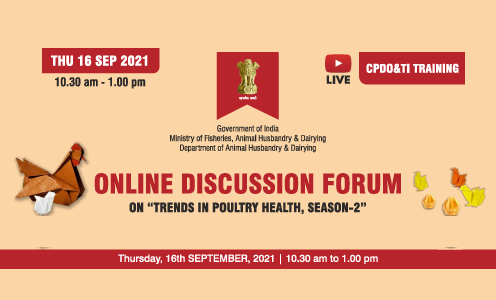
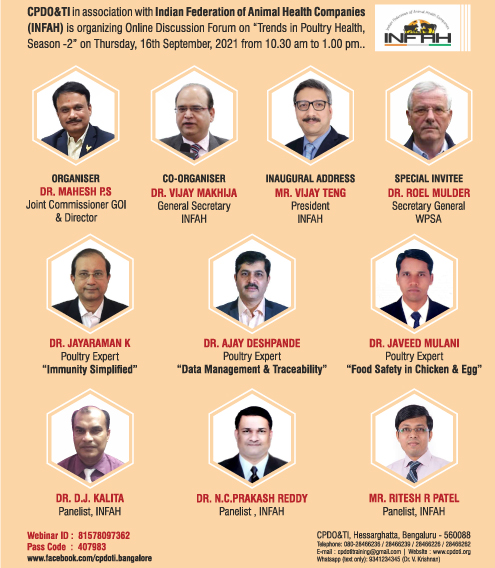
Inaugural Address: Mr. Vijay Teng, President, Indian Federation of Animal Health Companies (INFAH).
Organizer: Dr. Mahesh P.S. Joint Commissioner & Director, CPDO&TI.
Coorganizer: Dr. Vijay Makhija, General Secretary, Indian Federation of Animal Health Companies (INFAH).
Three eminent speakers to speak on practical experiences.
1.” *Immunity simplified” Understanding Immunity development after vaccination.
2.” Data management and traceability” – Tracking for effective decisions.
3.” Food safety in chicken and Egg“- creating safe Chicken and Egg
Expert delegates of INFAH will deliberate in panel Discussion.
Secretary General WPSA is special Invitee .
On behalf of CPDO&TI and INFAH we invite you all to participate.
The Tokyo Olympics has been special for several reasons as it comes in the midst of pandemic and has seen best performance of our contingent. I am not a sports analyst and I intend to write about what management lessons could we learn from Olympics.
I am sharing these lessons through stories.
1. No substitute for Preparation, focus and hard work – Look at our women hockey team. They started their intense preparations about a year back. They did a break down of all small things that will help them to be successful. They worked on Stamina, Endurance, speed, Aerial shot, ball control, running fast etc. and held focused training sessions. PV Sindhu worked muscle by muscle. She did workouts to strengthen the muscle that helps her jump in the court, helps her lunge forward to reach the net and the agility to cover the court. She too worked on her mental toughness through relaxation exercises, swimming. Results are there to see. Playing in such energy sapping conditions, against stronger opponents, our teams made the country proud. If we want to be successful, we also need to break that down to the smallest of things and make improvements in each of them through focused work. For more on this please read the book “Atomic habits”.
Advertisement
2. Believe in your abilities – Our badminton doubles pair of Chirag Shetty and Rankireddy were playing against the top ranked Chinese Taipei duo who have a superior track record. Nothing deterred them in putting their best and defeating them. Alexander Zeyerev was up against the top seed Novak Djokovic. Zeyerev is criticised for not being mentally tough as he had given away his two set advantage against Dominic Theim in US open finals last year. But he believed in his abilities and went on to unleash of barrage of forehand and backhand shots to demolish the top ranked Serb. He went on to bag the gold medal too, only the second German after Steffi Graph. Similarly we too need to believe on our ability and just focus on giving our best without spending our energies on the the opponents. The more we work on our abilities, higher are the chances.
3. Too much competition leads to stress and ruins our happiness – One of the memorable instances happened in High Jump. Barshim of Qatar and Tamberi of Italy were tied at 2.37m after three failed attempts each at 2.39. Officials asked for a jump off to decide the winner by which Tamberi withdrew citing an injury. What Barshim said was “Could we share gold” which was accepted. Given the intense rivalry between these two athletes who never won Gold at olympics, Barshim could have half gold medal. But he did not see Tamberi as a competitor and was looking at win win. Today rival automobile companies are collaborating and sharing products/technologies to create a symbiotic growth. How often we tend to compete with our own colleagues across functions in our own organization? For not serving customer on time, we blame Manufacturing, manufacturing blames Supply chain and they blame finance. This win lose, lose lose game does not help anyone. Focus on how you could collaborate and ensure everyone emerges successful.
4.No short cut to success. Anyone indulging in wrongdoing will be caught some day or other and it will hurt – 2012 London Olympics saw a record number of 135 athletes, 39 medalist’s (13 of them had won Gold) testing positive for prohibited substances. 65 of them were caught in re testing. Authorities decided to keep the samples for 10 years to help detect substances through new technologies in future as doping was becoming very scientific. A very curious case was of Russian wrestler (late) Besik Kudukhov whose sample was found positive for banned substance in retesting in 2016, good 4 years after the event and three years after his untimely death. Yogeshwar Dutt became eligible for Silver but he did not want it and said let Kudukhov family retain the medal. Family was able to retain the medal on compassionate grounds but not the reputation. Similarly any wrong doing, unethical practices, not adhering to accounting standards may go undetected for sometime but eventually will be caught some day or other and it will hurt us very badly.
Life is a wonderful journey if we learn continuously and become better on an everyday basis. James Clear, the author of book , Atomic Habits says “The secret of getting results that last is to never stop making improvements” … true.
About author: Mr. Pattabiraman Nagarajan is a HR professional, Consultant, trainer and an ICF certified coach. Has managed organization change and aligned HR practices to ensure business growth. He holds master degree in Social work and a PG Diploma in Business Management from IIM Trichy. He could be reached at npattabiraman@relyonus.in
VICTAM Asia in co-location with Health & Nutrition Asia are planned on September 7-9, 2022.
Due to the ongoing worldwide pandemic, the management teams of VICTAM Corporation and VIV worldwide have decided to postpone VICTAM Asia and Health & Nutrition Asia in Bangkok to the third quarter of 2022.
The current situation is still not as optimal as it was estimated. Above all, the health of exhibitors and visitors and the successful outcome of the event are most important to the organizers.
In light of the recent increase in COVID-19 cases, which has forced the Royal Thai Government to implement new strict measures to control the spread of the pandemic, and the delays of the vaccination programs in several Asian countries, VICTAM and VIV do not see the opportunity to realize a large-scale event on the short term. Looking at the ongoing travel restrictions from and to Asia, the organizers also believe that it is not possible to guarantee the event quality as we know them for. The postponement to the third quarter of 2022 is in the interest of the whole industry.
VICTAM Asia in co-location with Health & Nutrition Asia are rescheduled to September 7-9, 2022. The new venue selected is IMPACT Halls 9-10, in Bangkok, Thailand. The objective remains the same: to realize the Total Animal Feed and Health event.
The dates secured in September 2022 will give all stakeholders room to breathe and pay attention to other vital issues. The organizers’ mission is to present a strong, value-adding event to the industry with high benefits for all parties.
VICTAM Corporation and VIV worldwide will also continue their partnership in Europe in 2022 by co-locating VICTAM International and VIV Europe at the Jaarbeurs venue in Utrecht, the Netherlands, from May 31 – June 2, 2022. With the high percentage of vaccinations in Europe there is no reason to doubt that this show can successfully go on as planned.
PRESS RELEASE: CLFMA organized a webinar on “Animal Husbandry Infrastructure Development Fund (AHIDF)” in association with the Department of Animal Husbandry & Dairying on 28th July 2021. Dr. O.P. Chaudhary, Joint Secretary (NLM/PC) Department of Animal Husbandry & Dairying, Govt. of India, Dr. S.K. Dutta, Joint Commissioner, Department of Animal Husbandry & Dairying, Govt. of India, Dr. Lipi Sairiwal Assistant Commissioner, Department of Animal Husbandry & Dairying, Govt. of India, Shri. Sadique Akhtar, Team Leader, PMA (Manager, Grant Thornton Bharat LLP), Shri. Udit Paliwal, Program Management Expert, PMA (Consultant, Grant Thornton Bharat LLP) from GOI showed their valuable presence for the Webinar. Dr. O.P. Chaudhary, Joint Secretary (NLM/PC), Department of Animal Husbandry & Dairying, Govt. of India was unable to connect the Webinar.
CLFMA’s Second Online Webinar on the AHIDF with Government of India started with Opening Remarks & Introduction by Dr. S.K. Dutta, Joint Commissioner, Department of Animal Husbandry & Dairying, Govt. of India. He briefed on the AHIDF (Animal Husbandry Infrastructure Development Scheme) of Rs.15000 Crores, under which, animal feed component was also included. He said that, the scheme enables the beneficiary to take the benefit of 90% the loan from the Bank, on which, 3% interest subvention is provided by the GOI., apart from this there is also a provision for availing 25% of the total borrowings as credit guarantee.
A short movie on AHIDF scheme was played during the Webinar to give a glimpse of the entire Scheme. Shri. Sadique Akhtar, Team Leader extended his thanks to the participants. He welcomed Shri. Neeraj Kumar Srivastava, Hon’ble Chairman of CLFMA. Shri. Suresh Deora, Hon’ble Secretary of CLFMA. He has also thanked Mr. Divya Kumar Gulati, Dy. Chairman of CLFMA and all the participants & Dr. Lipi Sairiwal, Assistant Commissioner, Department of Animal Husbandry & Dairying, Govt. of India to participate in this program. He welcomed all the participants and the member of CLFMA for giving their valuable time to participate in the webinar.
Chairman, Mr. Neeraj Kumar Srivastava introducing CLFMA OF INDIA to the panelists and participants and gave a presentation on “Emerging Trend and Prospects of Feed Manufacturing”. He said that, CLFMA was very enthusiastic about this Webinar as the AHIDF scheme of Rs.15,000 Crores floated by GOI., and the same is very beneficial for the upliftment of the Livestock Industry.
He also briefed on CLFMA policy, which included three core values viz.
Membership Value
Visibility and Credibility of the Organization
The recognition and influence.
Chairman, Mr. Neeraj Kumar Srivastava also briefed on the Poultry Feed Scenario & Industrial Scenario, current soaring price of the grains, especially the soybean meal & other protein sources which has created a huge havoc in the livestock industry. He gave an outlook of the challenges / difficulties faced by Livestock Sector during Covid 19, rising feed cost Post Covid-19 and gave the opinion of implementing better value chains, trainings, equipment, equipment’s, and employee’s safety.
He briefed on the pivotal role played by CLFMA for the upliftment and sustainability of compound feed industry and animal farmers, present ongoing trends and how the Livestock Industry could be helpful in reviving the Animal Husbandry Sector in the Country.
Dr. Lipi Sairiwal, Assistant Commissioner, Department of Animal Husbandry & Dairying, Govt. of India explained AHIDF Guidelines and the entire process of application process in detail, which are available on the GOI.
She has also guided on how to apply for the loan to all the participants.
Shri. Udit Paliwal, Program Management Expert, Dr. Lipi Sairiwal, Assistant Commissioner, Dr. S.K. Dutta, Joint Commissioner, Shri. Sadique Akhtar, Team Leader interacted very well in Q&A Session with the participants and tried to resolve every question and for any further queries, they requested to contact either CLFMA OF INDIA or directly on the website, where contact details are available, so that they can try to handhold and help the related stakeholders.
Closing Remark was made by Shri. Suresh Deora, Hon. Secretary of CLFMA. He said the, AHIDF fund was a very good project for people in Industry whether they are Farmers, Section 8 companies, Proprietor, Partnership Firm, etc., as they can avail interest subvention of 3% on 90% of the Loan. He appreciated Dr. Lipi Sairiwal for presenting the detailed guidelines of the scheme.
He suggested the Government of India to consider the following requests to be included under the scheme:
Please expand the scope of the Scheme;
To add some more products like feed supplements and additives, by pass fat, breeder broiler and hatchery farms;
To link up this scheme with CGTME scheme. Where, there is a non-collateral loan up to Rs.2 Crores & he said that, if this scheme is combined with CGTME Scheme CLFMA will be very grateful to the whole Ministry.
Mr. Suresh Deora, Hon. Secretary CLFMA extended thanks to everyone on behalf of himself and CLFMA for organizing this webinar & requested Dr. S K Dutta, Joint Commissioner that Government of India shall consider CLFMA’s requests.
Vote of thanks was proposed by Shri. Sadique Akhtar, Team Leader, PMA (Manager, Grant Thornton Bharat LLP). Total participation for the Webinar was 150 & 63 participants registered for the same.
Source: CLFMA of India
—
For Webinar announcement details & program schedule, click HERE



 Standardized Botanical Powders (SBPs): Part 3 of 5





 (This article is a work of Novel Life Consultant and is for public information purpose only. This has been written to share knowledge on poultry nutrition and is not a legal information or statement. Reference to any specific product or entity doesn’t constitute an endorsement or recommendation by the company. The views expressed by the writer are their own and their appearance does not imply an endorsement of them or any entity they represent.)




 CLFMA’s Second Online Webinar on the AHIDF with Government of India started with Opening Remarks & Introduction by Dr. S.K. Dutta, Joint Commissioner, Department of Animal Husbandry & Dairying, Govt. of India. He briefed on the AHIDF (Animal Husbandry Infrastructure Development Scheme) of Rs.15000 Crores, under which, animal feed component was also included. He said that, the scheme enables the beneficiary to take the benefit of 90% the loan from the Bank, on which, 3% interest subvention is provided by the GOI., apart from this there is also a provision for availing 25% of the total borrowings as credit guarantee.
 A short movie on AHIDF scheme was played during the Webinar to give a glimpse of the entire Scheme. Shri. Sadique Akhtar, Team Leader extended his thanks to the participants. He welcomed Shri. Neeraj Kumar Srivastava, Hon’ble Chairman of CLFMA. Shri. Suresh Deora, Hon’ble Secretary of CLFMA. He has also thanked Mr. Divya Kumar Gulati, Dy. Chairman of CLFMA and all the participants & Dr. Lipi Sairiwal, Assistant Commissioner, Department of Animal Husbandry & Dairying, Govt. of India to participate in this program. He welcomed all the participants and the member of CLFMA for giving their valuable time to participate in the webinar.
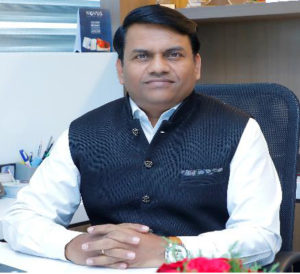 Chairman, Mr. Neeraj Kumar Srivastava introducing CLFMA OF INDIA to the panelists and participants and gave a presentation on “Emerging Trend and Prospects of Feed Manufacturing”. He said that, CLFMA was very enthusiastic about this Webinar as the AHIDF scheme of Rs.15,000 Crores floated by GOI., and the same is very beneficial for the upliftment of the Livestock Industry.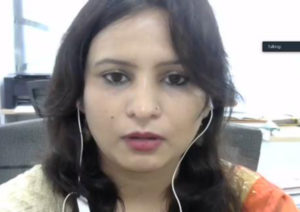
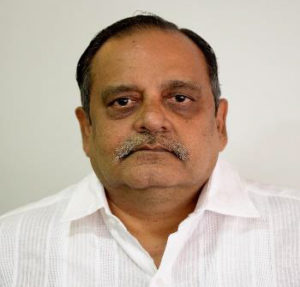 Closing Remark was made by Shri. Suresh Deora, Hon. Secretary of CLFMA. He said the, AHIDF fund was a very good project for people in Industry whether they are Farmers, Section 8 companies, Proprietor, Partnership Firm, etc., as they can avail interest subvention of 3% on 90% of the Loan. He appreciated Dr. Lipi Sairiwal for presenting the detailed guidelines of the scheme.