NOVUS officially announced the India launch of CIBENZA® XCEL Xylanase Enzyme Feed Additive, a scientifically optimized enzyme solution designed to enhance nutrient utilization in poultry diets.

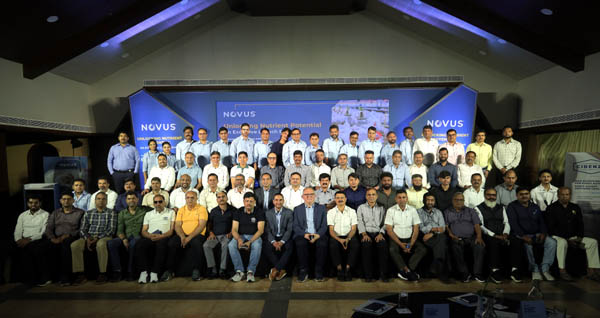
Novus logoThe product launch was celebrated at an exclusive three-day event in Kovalam, Kerala in April 2025, where poultry industry leaders gathered to explore the theme “Unlocking Nutrient Potential.” The event highlighted NOVUS’ commitment to delivering precision enzyme technology backed by global science and regional validation.

The launch of CIBENZA® XCEL Xylanase Enzyme Feed Additive in India signifies more than a product release. It marks the regional launching of a globally trusted solution now backed by NOVUS’ full-service technical expertise and brand promise.

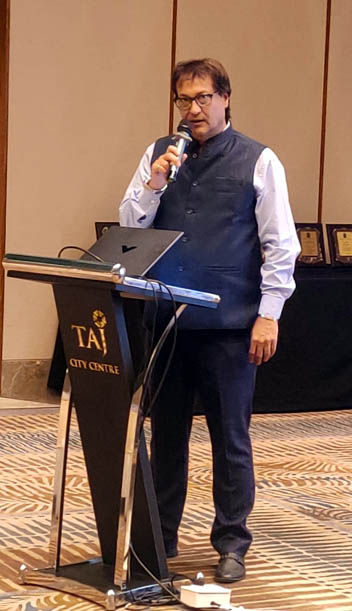
“With the acquisition of Bio Resource International Inc. (BRI), NOVUS expanded its enzyme portfolio with reliable, science-based technologies that are more relevant than ever in today’s cost-sensitive, performance-driven poultry sector,” said Dr. Manish Kumar, Regional Director, South Asia at Novus. “We are proud to introduce CIBENZA® XCEL Xylanase Enzyme Feed Additive to our customers in India at a time when the industry is under significant pressure due to high feed energy costs. With maize and other energy sources reaching historically high prices, producers need innovative tools to protect their margins and maintain performance. The integration of a xylanase enzyme feed additive under NOVUS means customers can now expect not just innovation, but also consistent technical service and local support.

Designed to degrade both soluble and insoluble xylans across a range of raw materials, CIBENZA® XCEL Xylanase Enzyme Feed Additive addresses core challenges in energy availability, gut health, and feed efficiency. Regional and global trials showcased at the event confirmed measurable improvements in performance metrics critical to Indian producers.

“Enzyme solutions like this are pivotal in a market where 52% of maize production is consumed by the poultry industry and volatility in feed ingredients is the new norm,” said Dr. Koushik De, Sales Director – Poultry South Asia. “CIBENZA® XCEL Xylanase Enzyme Feed Additive demonstrated improvements in uniformity, gut morphology, oxidative stress, and microbiota modulation—key indicators of resilience and productivity in broilers.”

The launch seminar featured presentations from NOVUS global experts, including:

  • Alfred Blanch, Executive Global Poultry Solutions Manager, who emphasized the critical importance of enzymes in modern feed efficiency.
  • David Torres, Technical Services Manager – Americas, who shared trial data showcasing CIBENZA® XCEL Xylanase Enzyme Feed Additive’s consistent performance.

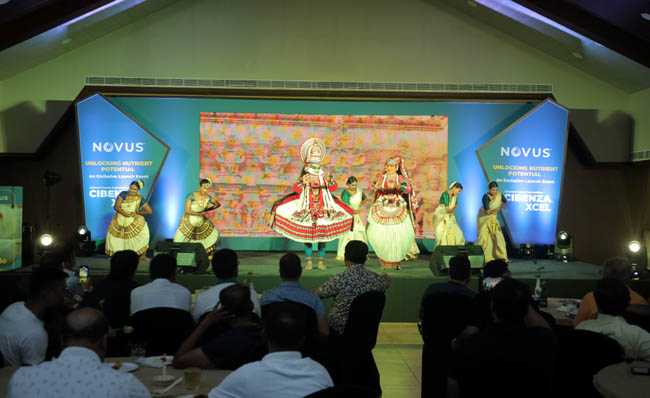
Complementing the technical agenda, the event also included a cultural immersion experience, allowing guests to explore Kerala’s heritage and connect with NOVUS team.

Farmers in India looking to optimize poultry production should contact their local NOVUS representative for customized solutions that work for their unique operation. Visit www.novusint.com/contact to contact your local rep.

CLFMA Hosts Strategic Session on “Poultry in India: Current Challenges & the Way Forward” in Collaboration with the U.S. Grains Council and Bihar Poultry Farmers Association (BPFA)

Patna, April 25, 2025 — The Compound Livestock Feed Manufacturers Association (CLFMA) of India, in Collaboration with the U.S. Grains Council and with support from the Bihar Poultry Farmers Association (BPFA) successfully hosted a seminar at Patna. The seminar, themed “Poultry in India: Current Challenges & the Way Forward,” brought together more than 60 participants, including feed manufacturers, poultry farmers, nutritionists, grain suppliers, and researchers from across the region.

The seminar opened with a welcome address by Ms. Nayantara A Pande, Marketing Specialist, U.S. Grains Council, followed by a keynote on “Poultry in India and The Potential” by Mr. Divya Kumar Gulati, Chairman, CLFMA of India. He highlighted the urgent need for collective action to address rising feed costs and market volatility, stressing that strategic collaborations will be pivotal in driving sectoral resilience.

Mr. Divya Kumar Gulati, Chairman, CLFMA of India

Mr. Divya Kumar Gulati, Chairman, CLFMA of India, shared, “The Indian poultry industry is at a critical crossroads, where timely interventions and strategic collaborations are essential to overcoming the challenges posed by rising feed costs, supply chain disruptions, and market volatility. According to a recent Crisil Ratings report, the industry’s profitability is expected to dip by 50 basis points in the 2025-26 fiscal year, largely due to the rising prices of key feed ingredients like maize and soybean, which account for 90% of total feed costs. However, revenue growth is still projected to rise by 8-10%, driven by strong demand and consumption. Events like these provide an invaluable platform for exchanging insights, fostering collaboration, and exploring sustainable solutions that will not only benefit our sector but also contribute to the nation’s economic resilience.”

The seminar was anchored by engaging sessions led by leading voices from the Indian poultry and feed sectors.

Key Discussions & Insights:

  • Amit Sachdev, Regional Consultant, U.S. Grains Council, shared an overview of India’s feedstock situation and its global implications.
  • Reece H Cannady, Director, U.S. Grains Council, presented on “U.S. Sorghum: A Potential Solution” to current grain supply challenges.
  • Pankaj Kumar Singh, Professor and Head of Animal Nutrition Department and Deputy Director Research, Bihar Animal Sciences University, elaborated on “Recent Advances in the Use of DDGS in Livestock and Poultry Feed,” advocating for research-led adoption of DDGS to offset feed costs and improve efficiency.

A panel discussion on “Navigating the Indian Poultry Sector’s New Normal” was moderated by Mr. Amit Saraogi (MD, Anmol Feeds), and featured an esteemed panel including Mr. Divya Kumar Gulati, Mr. Pawan Kumar, Mr. B.M. Sahni (MD, Patliputra Feeds), Mr. Pawan Kumar (President, BPFA) and Mr. Amit Sachdev. The discussion focused on the urgent need for sustainable feed alternatives, policy clarity, and building long-term supply chain resilience.

The seminar successfully highlighted critical issues facing India’s poultry industry, from volatile feed grain markets to the need for strategic partnerships. It reinforced CLFMA’s position as a vital advocate for industry advancement, enabling dialogue between farmers, academia, and global stakeholders to build a more sustainable and robust poultry ecosystem.

About CLFMA:

Founded in June 1967 as The Compound Feed Manufacturers Association, CLFMA of India is the apex body for the country’s livestock sector. It represents over 250 members across various sub-sectors, including feed manufacturing, poultry, dairy, aquaculture, animal nutrition, and veterinary services. CLFMA is recognised by Central and State Governments, livestock farmers, government agencies, agricultural universities, veterinary colleges, and national research institutes. As the voice of the Indian livestock industry, CLFMA advocates for sustainable growth, industry standards, and policy development, contributing significantly to the advancement of the animal protein value chain in India and internationally.

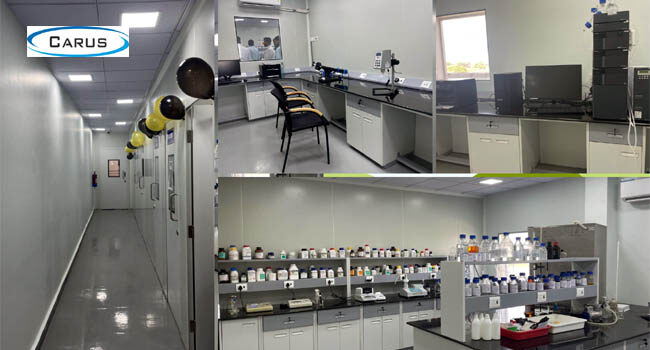
Carus Laboratories, India, proudly announced the inauguration of its newly established Quality Control (QC) Laboratory at its manufacturing facility, a significant step towards strengthening its commitment to quality, innovation, and compliance.

The inauguration ceremony was graced by Dr. Arun Pilani (MD)Mr. Jitender Pilani (Director), and Mr. Anup Anand (Plant Head). Together, they unveiled a cutting-edge facility equipped with advanced analytical instruments and technologies designed to ensure that all veterinary healthcare products adhere to standard guidelines.

“This new lab reflects our unwavering focus on scientific precision and our dedication to delivering consistently safe and effective products to the market,” said Dr. Arun Pilani, MD during the event.

The lab is designed to facilitate a broad spectrum of quality testing procedures, from raw materials to finished products. With features like high-performance liquid chromatography (HPLC), UV spectrophotometry, viscosity testing systems, Reflective meter, and polarimeter, the facility is equipped to meet both national and international regulatory requirements.

Mr. Ankit, the Head of QC, added, “Our team has worked diligently to create an environment that supports innovation and data integrity. With the installation of top-tier instruments and a focus on continual improvement, this lab marks a new era for Carus in quality assurance.”

The inauguration concluded with a walkthrough of the lab, showcasing its world-class infrastructure and scientific rigor.

This initiative underlines Carus Laboratories’ vision to lead the animal healthcare industry with trusted, validated, and quality-driven solutions.

Source: Carus Laboratories

For poultry, Choline supplementation is crucial because it supports healthy liver function, cell structure, and fat metabolism. Even though the beneficial effects of Choline in poultry are well accepted, there is some difference of opinion regarding its use in poultry feed. Some add Choline to most feed formulations, while others prefer to use it more selectively. While some prefer to use Choline, others use methionine or betaine instead. And then there is this question whether herbal or natural Choline can substitute synthetic Choline.

Dr. Leena-Bora (author) pic
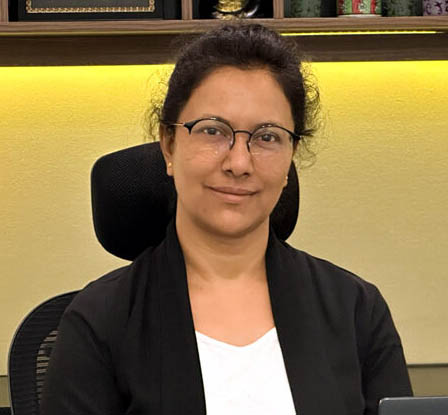
Dr Leena Bora, M.V.Sc
Commercial Director, Vamso Biotec
Gurugram, Haryana, India

This article is an attempt to clarify some of the facts surrounding Choline’s usage in poultry feed.

Is Choline supplementation necessary?

Any kind of supplement is not required to be added if the birds’ dietary needs are being fulfilled from feed. These are added to improve the nutritional status of the birds or to enhance the nutrient content of feeds when the needs are not being met from feed. Broilers require at least 1,200 mg/kg choline in their feeds and layers require about 1,100 mg/kg feed (Ref: Table 1).

Choline in poultry feed comes majorly from maize, soya or wheat. Out of these, soya and wheat contain more choline as compared to maize. Hence, a formulation based on maize and soya may be required to be supplemented with additional choline (e.g. broiler feed which may contain approx. 80-85% maize and soya). Levels from dietary sources need to be taken into account while working out feed inclusion rates. When it comes to natural feed sources, one needs to keep in mind the fact that fluctuations in composition do occur. Bioavailability of choline also matters e.g. rapeseed meal has a significantly higher choline content than soybean meal but the availability is less than a third to that of soyabean meal (Emmert and Baker, 1997). Therefore, to be sure that the essential requirement for choline is met, choline should be added to the feed.

A number of factors influence a birds’ requirement for choline. Besides age and feed intake, Choline supplementation will also depend on the breed of the birds. In layers, besides age, size of the eggs needs to be considered as choline is an integral part of egg yolk.

Functions of Choline:

As a component of phospholipids, Choline is generally involved in numerous key metabolic pathways and is essential for the structural maintenance of cell membranes. It is a precursor molecule for the formation of acetylcholine in the nervous system. Additionally, Choline is a part of VLDL (very-low-density lipoproteins), which is involved in transportation of triglycerides out of the liver and prevents accumulation of fat in the liver (Ziesel et al, 1983; 1999). It also inhibits the fatty acid synthesis by downregulating fatty acid synthase gene expression as well as attenuating its activity (Sherriff et al., 2016). Furthermore, Choline is referred to as a lipotropic factor due to its role in increasing fat utilization, which results in the reduction of fat deposition in the body (Farina et al., 2017).

Function of Choline
Functions of Choline

Many studies have been carried out to understand the impact of Choline supplementation in both broilers and layers. Lipstein et al. (1977) found that chicks receiving Choline at levels of up to 520 and 480 mg/kg in their basal diets exhibited better growth responses compared to those receiving Choline at 400 and 230 mg/kg in their diets. Pesti et al. (1979; 1980) observed significant increases of 12% in body weight gain with Choline supplementation ranging from 0.04% to 0.39% in diets for chicks and pullets from day-old up to 3 weeks of age. Jiang et al. (2014) found that Choline chloride can lower cholesterol levels in broilers. Rama Rao et al. (2001) found that a diet containing Choline at 760 mg/kg significantly reduced liver fat. Gregg et, al. (2022), reported that supplemental Choline chloride positively impacted carcass characteristics of modern, large frame broilers.

Choline is vital for layers, just as it is for broilers. One important application is in the synthesis of lecithin, a phospholipid found in egg yolks. A layer hen’s need for Choline can be influenced by a variety of factors, including age, feed consumption, and levels of methionine or crude protein in the diet. It is generally acknowledged that dietary requirement declines with age, possibly linked to a rise in feed consumption (Workel, 1998). The absence of Choline, or levels below the recommendation, increases deleterious effects on meat chickens, such as reduction in growth due to fatty liver and perosis, especially in younger birds (Santiago et al., 2020). Table 1 provides the normal Choline requirements for different poultry species.

Table: Choline requirements for different poultry species
Table 1 , Source: NRC (1994)

Similarities and differences between Choline, Methionine and Betaine:

Nutritional roles of methionine, choline and betaine, are very similar yet different. Choline is a vitamin that has essential metabolic functions, which neither betaine nor methionine can substitute. These essential functions are:

  • As a constituent of phospholipids (Javaid et al., 2021) – It plays an important role in cell structure maintenance and cartilage matrix maturation, including prevention of perosis in broilers
  • In fat metabolism in the liver (Corbin & Zeisel, 2012) – It promotes fat utilisation and outward transport, which prevents abnormal fat accumulation in hepatocytes or fatty liver
  • As a precursor to the neurotransmitter acetyl Choline (Di Zhao,2001) – It helps in nerve impulse transmission (Chaudhari et al., 2017)

It is only in Choline’s non-essential metabolic role, as a source of labile methyl groups, that betaine can substitute for Choline. Methionine is also a methyl donor just like Choline and betaine. But Methionine yields one third of methyl groups compared to Choline (Mihai & Steven, 2002). Methionine is an amino acid and has other important roles to play particularly in growth and development. Betaine can replace Choline as methyl donor but cannot replace it for the other essential functions which Choline performs.

The effect of supplementary betaine in chicks fed with graded levels of choline chloride has been studied by Emmert and Baker (1997). In these studies, a choline free basal diet was used. Adding choline chloride had a positive effect on growth and feed conversion. The addition of betaine at a concentration of 500 mg/kg feed to the basal diet and to diets containing approximately 570 mg choline chloride/kg feed had no effect at all on bird performance. This illustrates that the essential requirement for choline must be met before responses to betaine can be expected.

Choline and methionine metabolism are closely related and both are involved in the conversion of homocysteine to methionine, besides having independent essential roles in nutrition. Choline can partially replace methionine in some situations, but it’s not a good alternative in all cases. Quillin et al. (1961) had suggested that 1 gram of choline can replace 2.3-2.4 grams of methionine in rations containing high levels of fat where the deficiency is only of labile methyl groups. Results from the studies of Mahmoudi et al. (2018) indicate that the methionine requirements of heat-stressed broiler chickens can be reduced by 20% (1200 mg/kg) if the diet is supplemented with 280 mg/kg of Choline.

Can Herbal Sources of Choline Replace Synthetic Choline?

Choline has been a widely used supplement in livestock and poultry nutrition for decades. Traditionally it has been administered through synthetic sources but its high hygroscopicity and oxidation, vitamin losses, its corrosive nature, and trimethylamine formation in birds’ digestive tracts led the producers and scientists to look for alternative sources. Tavcar-Kalchar (2007) showed that Choline chloride increased the oxidation of vitamins in feed due to its hygroscopic nature.

Different types of herbs and herbal combinations have been tried to replace synthetic Choline. Most studies have concluded that natural or herbal sources can adequately replace synthetic Choline in poultry feed. Besides this, these formulations with herbs and other natural sources offer additional benefits like hepatoprotection, performance improvement and carcass quality improvement. These natural products, produced from select plants and blends of herbs, can mimic the function of Choline (Calderano et al., 2015). Additionally, phytoconstituents present in herbal Choline formulations modulate liver genes that are responsible for fat metabolism and lipogenesis, thus increasing muscular energy availability and fat utilization.

Khose et al., (2018) suggested that herbal Choline supplementation at 0.350 and 0.500 kg of feed can effectively substitute 1 Kg of synthetic Choline chloride (60%) of broiler feed. Khose et al. (2019) demonstrated the advantages of herbal Choline supplementation at 0.5 kg/t of feed in terms of enhanced liver protection, carcass traits, and economic viability in broiler production. Gangane et al. (2010) reported reduced fatty liver incidence in broilers through herbal Choline feeding.

Conclusion:
Based on the information presented, it can be concluded that Choline is a potent lipotropic agent that significantly influences fat metabolism by reducing fat accumulation in the liver and preventing fatty liver disorders. Choline is essential for certain metabolic processes and cannot be replaced by betaine for these functions. These essential properties strongly support the use of Choline as a commercial feed additive to address metabolic disorders and improve the health and productivity of poultry.

References:
1. Calderano A. A., Ramalho R.V.N., Rodrigues J.B., Cesar R.A (2015). Cienc. anim. bras. 6(1): 37–44
2. Caroline R. Gregg, Oscar J. Tejeda, Lindsey F. Spencer, Allan J. Calderon, Dianna V. Bourassa, Jessica D. Starkey, and Charles W. Starkey (2022). Animals (Basel). Jul; 12(14): 1808.
3. Chaudhari, K.I., Prajapati, D.C., Lunagariya, P.M., Sorathiya, K.K., Patel, S.N., Patel, R.P. and Nayak (2017), A.L. International Journal of Science, Environment and Technology. 6 (5): 2804 – 2810
4. Corbin K.D., Zeisel S.H (2012). Choline metabolism provides novel insights into non alcoholic fatty liver disease and its progression. Curr Opin Gastroenterol. Mar; 28(2):159-65
5. Emmert J. L., & Baker D. H (1997). A chick bioassay approach for determining the bioavailable choline concentration in normal and overheated soybean meal, canola meal and peanut meal. J Nutr. May; 127(5):745-52
6. Farina G, Kessler A.D.M., Ebling P.D., Marx F.R, César R., Ribeiro A.M.L (2017). Performance of broilers fed different dietary Choline sources and levels. Ciência Animal Brasileira. 18
7. Gangane G.R., Gaikwad N.Z., Ravikanth K., Maini, S (2010). The Comparative effects of synthetic Choline and herbal Choline on hepatic lipid metabolism in broilers. Veterinary World. 3(7): 318
8. Javaid S., Farooq T., Rehman Z., Afzal A., Ashraf W., Rasool M. F & Imran, I (2021). Dynamics of Choline-containing phospholipids in traumatic brain injury and associated comorbidities. International Journal of Molecular Sciences. 22(21): 11313
9. Jiang X., West A.A., Caudill M.A (2014). Maternal Choline supplementation: a nutritional approach for improving offspring health. Trends in Endocrinology & Metabolism. 25: 263-73. 
10. Khose K., Manwar S., Gole M., Ingole R., Rathod P (2018). Efficacy of herbal Choline as a replacement of synthetic Choline chloride in diets on growth performance of broilers. International J Lives Res. 8(10): 313–32
11. Khose K., Manwar S., Gole M., Ingole R., Rathod P (2019). Replacement of Synthetic Choline Chloride by Herbal Choline in Diets on Liver Function Enzymes, Carcass Traits and Economics of Broilers. Journal of Animal Research. 9(1): 87–93
12. Lipstein B., Bornstein S & Budowski, P (1977). Utilization of Choline From Crude Soybean Lecithin by Chicks -Growth and Prevention of Perosis. Poultry Science. 56(1): 331-336
13. Mahmoudi Mohammad., Azarfar Arash and Khosravinia Heshmatollah (2018). Partial Replacement of Dietary Methionine with Betaine and Choline in Heat-Stressed Broiler Chickens. J Poult Sci. 55(1): 28–37
14. Niculescu M. D., & Zeisel S. H (2002). Diet, methyl donors and DNA methylation: interactions between dietary folate, methionine and Choline. The Journal of nutrition. 132(8): 2333S–2335S
15. NRC (1994). Nutrient requirement for poultry, 9th revised edition. Subcommittee on Poultry Nutrition, National Research Council. National Academy Press Washington D.C. United States of America
16. Pesti G. M., Harper A. E., & Sunde M. L (1979). Sulfur amino acid and methyl donor status of corn-soy diets fed to starting broiler chicks and turkey poults. Poultry Science. 58(6): 1541-1547
17. Pesti G. M., Harper A. E., & Sunde M. L (1980). Choline/methionine nutrition of starting broiler chicks. Three models for estimating the Choline requirement with economic considerations. Poultry science. 59(5): 1073-1081
18. Quillin E. C., Combs G. F., Creek R. D., and Romoser G. L (1961). Effect of choline on the methionine requirements of broiler chickens. Poult. Sci. 40:639–645
19. Rama Rao S.V., Sunder G.S., Reddy M.R., Praharaj N.K., Raju M.V., Panda A.K (2001) Effect of supplementary Choline on the performance of broiler breeders fed on different energy sources. British Poultry Science. 42:362
20. Santiago G.S., Vieira S.I., Stefanello C., Simoes C.T., Kindein I and Maria D.D (2020). Dietary Choline affects field performance and broiler leg deviations. Livestock Science 240: 104127
21. Sherriff J.L., O’Sullivan T.A., Properzi C., Oddo J.L., Adams L.A (2016). Choline, its potential role in non alcoholic fatty liver disease, and the case for human and bacterial genes. Adv Nutr(7):5 13
22. Tavčar-Kalcher G & Vengust A (2007). Stability of vitamins in premixes. Animal feed science and technology. 132(1-2): 148-154
23. Workel H.A., Keller T. H., Reeve A. and Lauwaerts (1998). Choline - The rediscovered vitamin for poultry. AGRIS -Publication. Issue 9, ISSN 0023-4427: 366-368
24. Zeisel S.H., Wishnok J.S., Blusztajn J.K (1983). Formation of methylamines from ingested Choline and lecithin. Journal of Pharmacology and Experimental Therapeutics. 225: 320–324
25. Zhao D., Frohman M.A. & Blusztajn J.K. (2001) Generation of Choline for acetyl choline synthesis by phospholipase D isoforms. BMC Neurosci. 2 (16)

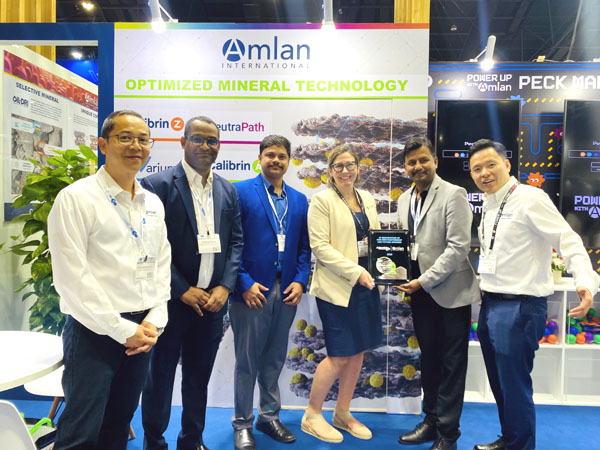
Alembic Pharmaceuticals Ltd. and Amlan International sign exclusive strategic commercial agreement to make poultry health innovations accessible to Indian farmers and integrators

– A strategic leap towards transformative growth in poultry production in India

Alembic Pharmaceuticals logo

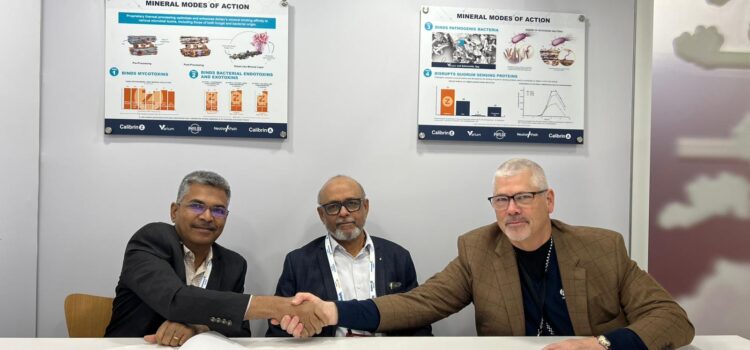
Mumbai, India & Chicago, USA – January 28, 2025 – Alembic Pharmaceuticals Ltd., a leading Indian pharmaceutical company, and Amlan International, the animal health business of Oil-Dri Corporation of America, have entered into a strategic commercial agreement to introduce cutting-edge poultry health solutions to the Indian market. Amlan International lgo

This collaboration will expand access to advanced feed additives that improve gut health, nutrient absorption, and feed conversion ratios (FCR), ensuring better poultry yields and supporting the industry’s growing demand for high-quality protein. It also establishes a framework for knowledge sharing, technical training, and sustainable growth in India’s poultry sector.

Congratulating both the teams on the occasion, Shaunak Amin, Managing Director, Alembic Pharmaceuticals Ltd., said, “At Alembic, we have always believed in driving innovation that creates real impact. Partnering with Amlan International is a step towards that goal, allowing us to bring scientifically backed, practical solutions to poultry farmers across India. With Amlan’s expertise in toxin binder & gut health, and with our strong presence in the market, we’re not just introducing new products, we’re addressing key challenges in poultry farming. Our long term goal is to improve efficiency and contribute towards a more sustainable future for the industry.”

Alembic Pharmaceuticals Ltd. and Amlan International sign exclusive strategic commercial agreement With India’s growing need for sustainable poultry production, this partnership will introduce innovative, science-backed solutions to optimize poultry performance. P. Karunanithi, Executive Vice President (Cluster Head), Animal Health Division at Alembic Pharmaceuticals Ltd., commented, “Poultry production efficiency starts with a healthy intestinal environment. By integrating Amlan’s innovative feed additive technologies into our portfolio, we are strengthening our commitment to delivering science-backed solutions that enhance poultry health and performance.”

Alembic Pharmaceuticals Ltd. and Amlan International sign exclusive strategic commercial agreement
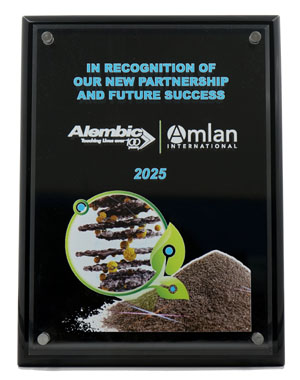
Partnership Shield

On signing of the commercial agreement, Dr. W. Wade Robey, VP Agriculture and President, Amlan International, USA, added “This strong foundation of partnership will open the door with innovative and research based products broadly reaching India’s poultry and feed milling sector. It is a pleasure for Amlan International to collaborate with Alembic Pharmaceuticals India that has a strong legacy with a global footprint. This agreement will lay the framework for cultivating success through strong collaboration, continuous learning, knowledge sharing, and an innovative range of products to enhance poultry productivity.

This strategic alliance reinforces the commitment of Alembic Pharmaceuticals Ltd. and Amlan International to advancing poultry health, enhancing efficiency, and ensuring long-term industry growth in India.

North Poultry Vets Summit 2025: A Historic & Well-Appreciated Gathering of Poultry Veterinarians from North India

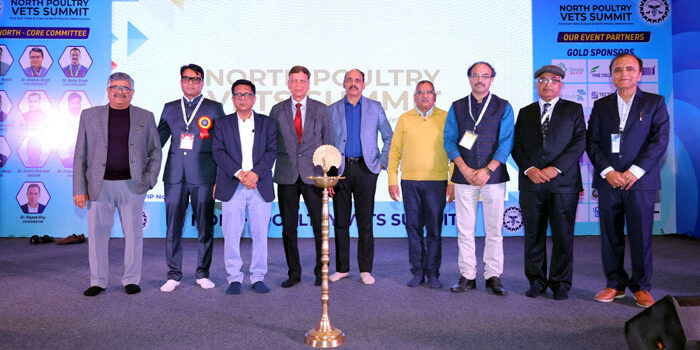
The North Poultry Vets Summit 2025, organised on February 28 at Hotel The Vivaan & Resort, marked a historic milestone as the first-ever meeting of poultry veterinarians from North India. With over 180 veterinarians in attendance, the summit provided a crucial platform for knowledge sharing, industry discussions, and future planning to strengthen the poultry sector.

Event Highlights:

  • Welcome Address
  • The summit commenced with a warm welcome address by  Surendra K. Jangir, emphasizing the importance of bringing veterinary professionals together to collaborate on industry challenges and advancements.
  • Introduction of VIP & Its Contribution to the Poultry Industry
    S.S. Rathore and Dr. Badal Singhpresented an insightful introduction to Vets in Poultry (VIP), highlighting its role in advancing poultry health management, disease control, and industry best practices.
  • Presidential Speech – VIP North Initiative & Future Roadmap
    The presidential address was delivered by  Vishal Singh Rawat, who discussed the VIP North Initiativeand its future roadmap. He outlined the vision of VIP in fostering veterinary excellence and strengthening professional collaboration in North India.
  • Felicitation of Industry Veteran Vets
    The summit honored distinguished veterinarians for their invaluable contributions to the poultry industry, recognizing their dedication and long-standing expertise.
  • Interaction with Senior Vets
    A highly engaging session provided attendees with the opportunity to learn from senior veterinarians. The first session was expertly hosted by  Sushil Dhariwal and Dr. Gopal Kulshrestha, while the second session was conducted by Dr. Deepak Pawar and Dr. Rajeeb Roy. These discussions allowed participants to gain valuable insights, mentorship, and shared experiences to enhance their professional capabilities.

A Resounding Success & Future Plans

The North Poultry Vets Summit 2025 was a highly successful and well-appreciated event in the poultry industry. It was praised for its well-organized execution, engaging sessions, and impactful discussions. Given the overwhelming response, the organizers are committed to making this an annual event, further strengthening veterinary collaboration and innovation in the poultry sector.

With its strong industry participation and valuable knowledge exchange, the summit set a new benchmark for veterinary excellence and reaffirmed the commitment of veterinarians toward the growth and sustainability of the poultry industry.

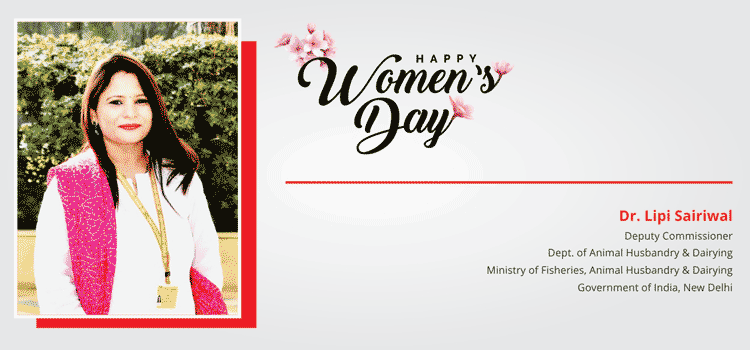
Dr. Lipi Sairiwal is a veterinarian, working as Deputy Commissioner, Department of Animal Husbandry and Dairying, Ministry of Fisheries, AH&D, Government of India (GoI), New Delhi. She has an MVSc. in Veterinary Pharmacology & Toxicology from Govind Ballabh Pant University of Agriculture and Technology, Pantnagar, Uttarakhand.

In an exclusive interview with Poultry TRENDS magazine, Dr. Lipi Sairiwal shares about her journey, challenges, accomplishments, and her message to women.

Q: Please brief us about yourself

Dr. Lipi: Hailing from the hills of Uttarakhand, from a small town of Lansdowne I did my schooling from St Joseph’s Convent and City Montessori School, Lucknow. I pursued my Masters of Veterinary Science in Veterinary Pharmacology & Toxicology from Govind Ballabh Pant university of Agriculture and Technology, Pantnagar, Uttarakhand. I am presently working as Deputy Commissioner, Department of Animal Husbandry and Dairying, Ministry of Fisheries, Animal Husbandry and Dairying, Government of India, New Delhi. My previous assignment was working as veterinary officer in Uttarakhand State Animal Husbandry Department.

Q. Please share briefly about your journey into the field of animal husbandry. What inspired you to take up this profession?

Dr. Lipi: My journey started in this profession from serving in Uttarakhand State Animal Husbandry Department as Veterinary officer which made me understand the core requirements and the challenges faced by livestock owners in adverse climatic/geographical zones.
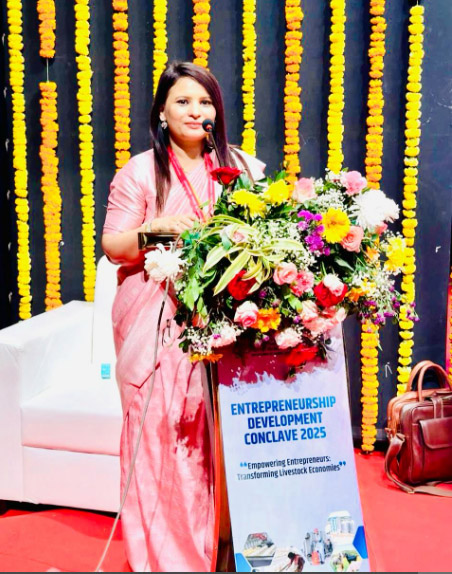
Dr. LipiAs Deputy Commissioner in the Department, I have an experience in the formulation of policies and the implementation of government schemes for the larger benefit of the livestock sector. I have actively worked for the digitalization of different credit-linked schemes of the Department and have explored the opportunities of strengthening the livestock sector by incentivizing the infrastructure in the livestock sector through different schemes of Government schemes. I have previously worked in various Livestock and Poultry Disease control programs, import and manufacture permission of Veterinary drugs and vaccines, feed additives/supplements, World organization of Animal Health (WOAH)-related issues, antimicrobial usage and resistance, One Health and zoonoses After joining the GoI, the root cause helped me in giving my best in framing of policies at central government.

The recognition of the fact that animal husbandry has a huge scope, which is a sunrise sector and can contribute to the country’s GDP, made me choose this profession.

Q. Is there someone who has inspired you the most? Are there any other women you have drawn inspiration from?

Dr. Lipi: My daughter, despite her age, motivates me to be calm, firm, and assess every situation, being unbiased. Also, a friend of mine who has motivated, been a constant support, and always guided me in each step of my life has given me the inspiration to explore the possibilities in every field.

My mother, who has taught me to smile at every situation and keep working hard to strive even in adverse conditions, inspires me every second of my life.

Q. What are your key responsibilities as a Deputy Commissioner in the Animal Husbandry Department, Government of India?

Dr. Lipi: As a Deputy Commissioner in the department, I have been working for the credit-linked schemes, which have given me an insight to a completely different role from being a veterinarian. The new task, which was assigned to me few years back has introduced me to new challenges but on the same hand has made me aware of the huge potential the livestock sector has. Being closely associated in formulation of policies at this level has given me confidence to contribute, or I must say, given me some share as an Indian national in the Nation’s development.

My role is in the implementation of these schemes and serving the sector in the best possible ways. The interaction and the feedback from the different stakeholders, which include farmers, bankers, entrepreneurs, various industry associations, different ministries, and organizations, help me in better implementation and promoting ease of doing business.

Q. Could you highlight some of the major poultry projects or initiatives you have worked on?

Dr. Lipi: There is a range of various projects that I have come across during my career so far, and I am doing great. More than the established poultry houses, it thrills me to see the small poultry farmers whose enthusiasm and courage to take up this business as a means of entrepreneurship development. Giving emphasis on the development of rural poultry, I have been associated with various Poultry schemes through which 192 projects have been assisted so far and for technology intervention in the poultry sector, more than 300 projects are assisted for both, technology-intervened poultry farms and modern poultry feed plants.

Q. What has been your most fulfilling achievement in your career so far?

Dr. Lipi: Being a veterinarian, I have been able to contribute and shape the digitization of schemes in my department, which has not only created a fair and transparent mechanism but also helped in the ease of doing business. The paperless journey and the entire process have been made simple with the portal development of the schemes. With the help of seniors and colleagues, the digitization of these schemes is something I profoundly count on as one of the achievements.

Also, in this journey, I got various opportunities from CLFMA, Poultry Federation of India (PFI), Vets In Poultry (VIP) etc. to create awareness and represent Government of India initiatives for the Poultry and Poultry feed sector amongst various stakeholders of the poultry sector.

Q. As a woman in a leadership role, did you face any challenges in this male-dominated field? If so, how did you overcome them?

Dr. Lipi: Being a mother of two lovely kids who never fail to keep me motivated and happy and give me reason to strive well, the support and encouragement from seniors and colleagues at the workplace has always been there. Yet, if we talk about the challenges, there are, of course, different challenges for both men and women. However, we should complement each other and collaborate as a team.

For me, even if it is the smallest of the tasks, we have to do it with full dedication and hard work, and then no one can stop you win every battle with flying colours. This is the principle I keep in my mind before I start my work every single day.

Q. Have you seen a shift in gender inclusivity within the animal husbandry sector over the years?

Dr. Lipi: Yes, definitely! From top bureaucrats to women entrepreneurs to lady veterinarians to pashu sakhis, to prani mitra, there has been a huge shift, and I think everyone is doing more than justice to the roles assigned to each one of them. A woman has a soft touch for everything that is assigned to her because she is a daughter, a sister, a friend, a wife, and most importantly, a mother. Therefore, like all other professions, women in this sector are also seen soaring high.

Q. Are there any specific government programs or schemes aimed at empowering women in this sector?

Dr. Lipi: Women can avail themselves of the benefits as individuals, private companies, FPOs, FCOs, JLGs, MSME, Section 8 company and Cooperatives under Animal Husbandry Infrastructure Development Fund (AHIDF) and National Livestock Mission – Entrepreneurship Development Programme (NLM-EDP). These are the credit-linked schemes where, 3 % interest subvention with a 25% credit guarantee under AHIDF and 50% capital subsidy under NLM-EDP. Also various State governments are running programs for women and giving financial aids to them. Pranimitra, pashu sakhi, Maitri etc are some of the ways by which we can empower women.

Q. With technological advancements, how is the poultry sector evolving?

Dr. Lipi: India has reached at second ranking in terms of egg production in the world, and the poultry sector is being looked at as a sunrise sector. With some incentives, better infrastructure, and disease-free conditions can help India in exports. There is the provision of availing financial assistance under the schemes for environmentally controlled Poultry farms, this has given access to technology-assisted poultry projects to avail the financial assistance.

Q. What does International Women’s Day mean to you personally?

Dr. Lipi: International Women’s Day (IWD), celebrated annually on March 8, is a global day recognizing the social, economic, cultural, and political achievements of women. It also serves as a call to action for accelerating gender parity. But personally, I believe every day should be celebrated as Women’s Day, celebrating the genesis of your existence, nurturing you, and supporting you throughout your life.

With the physiological differences and various other challenges women face every day, men at family and work should, if not priority, at least acknowledge.

Q. How can industries and governments work together to create more opportunities for women in technical and leadership roles?

Dr. Lipi: The Government and industries will have to walk hand in hand to create more opportunities for more women in technical and leadership roles by implementing extensive recruitment and promotion practices in both Government and private sector. Various mentorship, sponsorship programs, and skill development activities can be planned by both sectors to hone the qualities and involvement of women in every role.

Q. What message would you like to give to women professionals striving for excellence in their fields?

Dr. Lipi: To work with full dedication, courage, hard work, and the best utilization of time should be practiced by each one of us to achieve the success. Always fix a target and then chase it with a positive approach. The fruit of hard work and someone’s smile is the satisfaction which will make you happy and contented. Never forget to thank the almighty for what has been bestowed on you.

A very Happy International Women’s Day to all of you. Good luck and keep smiling.

FRANCE AT VIV ASIA 2025: SHOWCASING EXCELLENCE IN LIVESTOCK, ANIMAL FEED, AND ANIMAL HEALTH

Business France, the trade support agency, part of the French Embassy in Thailand, announces the participation of 38 companies at VIV Asia 2025. This initiative will highlight French expertise in livestock farming, animal feed, and animal health from March 12th to 14th in Bangkok. Find the Choose France banners across two halls:

  • Livestock Equipment and Genetics – Hall 1
  • Animal Feed and Health – Hall 3

France to showcase innovative solutions for livestock farming

The French Pavilion showcases its commitment to innovation, sustainability, and the ability to meet evolving consumer demands in strategic sectors:

  • 18% of the French pavilion will specialize in livestock equipment and genetics
  • 75% in animal feed
  • One company in consulting and recruitment
  • One company in freight services

From precision feeding to postbiotics : meet France’s top innovators

The French pavilion will showcase a selection of innovative companies. Asserva will introduce its selfifeeder ges station for precise feeding control. Difagri will launch a new monogastric range for poultry, while Idena will focus on reducing sow mortality. Newborn animal care will present Lactocare, a supplementary feed for sows. Nuqo will offer natural solutions for animal nutrition, and Obione will highlight patented products to combat cryptosporidiosis. Phytosynthese will present Aquanity, a botanical solution to boost the defenses of fish and shrimp. STI Biotechnologie will unveil Métalac, an innovative postbiotic, while Synetics Export will showcase Fertimax, a high-fertility straw. Finally, Technovet Export will offer solutions to improve animal health. Learn more about them and the full range of French expertise at Viv Asia.

The European Leader in Livestock Industry

France has a rich diversity in animal genetics, with over 200 breeds of domesticated mammals and 11 species of poultry. It provides a significant asset for its food sovereignty, especially in the face of climate change. In 2022, this sector contributed to the French trade surplus of over €355 million, with exports reaching €400 million. France is also a global leader in scientific research, focusing on enhancing the resilience of production systems. Notably, poultry exports alone reached €169 million, with cattle exports contributing €83.5 million.

Given this expertise, France is among the leading suppliers to Thailand in genetics, animal feed, and animal health solutions, including vaccines. Thailand, home to 3.5 million farmers, places a strong focus on poultry, with 90% of its farmers dedicated to raising chickens. Its among the top 5 global poultry meat exporters, with 1.98 billion heads.n 2024, Thai global exports (meat, animal feed, pet food, live animals, non-edible products) amounted to 320.674 million THB (approximately €9.1 billion). Thanks to advanced expertise in animal genetics and nutrition, animal welfare, and agricultural technologies, France offers tailored solutions for Thai producers seeking competitiveness in international markets.

Source : French customs, Business France and FranceAgrimer.

Glamac Strengthens Leadership with Appointment of Dr. Manish Chaurasia as AGM-Sales & Marketing-Key Accounts

Glamac International Pvt Ltd, a leading company in Poultry Nutrition, is pleased to announce the appointment of Dr. Manish Chaurasia as AGM- Sales & Marketing, Key Accounts. In this role, he will be instrumental in managing and growing relationships with high-value clients while developing marketing strategies to drive business growth and contributing to the company’s success.

Dr. Manish Chaurasia is a distinguished professional in the field of Veterinary Science and Animal Husbandry, with over 15 years of extensive experience in various capacities, including marketing, product management, farm management, disease diagnosis, and technical support. Born and raised in Madhya Pradesh, India, Dr. Chaurasia has built a remarkable career marked by his expertise and contributions to the animal nutrition and feed industry.

Dr. Chaurasia completed his graduation in Veterinary Science and Animal Husbandry from the prestigious Nanaji Deshmukh University of Veterinary Science in Jabalpur, Madhya Pradesh. His academic foundation laid the groundwork for his deep understanding of animal health, nutrition, and farm management. To further enhance his managerial and leadership skills, he pursued an Advanced Management Development Program from the UCD Michael Smurfit Graduate Business School in Dublin, Ireland, an opportunity by Alltech to continue his learning and professional growth.

Throughout his career, Dr. Chaurasia has worked with some of the leading feed manufacturers and feed additives businesses in India, specializing in monogastric animals. His roles have encompassed a wide range of responsibilities, from managing marketing strategies to providing technical support.

One of the notable milestones in Dr. Chaurasia’s career was his tenure at Alltech, a global leader in animal nutrition and health, where he served as the Marketing Manager for South Asia. In this role, he played a pivotal part in driving marketing initiatives, fostering business growth, through strategic vision and industry knowledge.

Dr. Manish Chaurasia’s career is a reflection of his passion for animal health and nutrition, coupled with his dedication to advancing the industry through innovation and excellence.

With this new addition, Glamac continues its commitment to strengthening its leadership and driving innovation in the industry.

VIV Asia 2025: High-level Seminars on Sustainable Animal Farming, Biosecurity, Disease Prevention and More

With over 150 curated sessions led by 300 industry experts, VIV Asia 2025 provides an unparalleled platform for knowledge-building and networking

Bangkok, Thailand: VIV Asia 2025, the premier international trade show for the animal protein production and processing industry is set to return this year in co-location with Meat Pro Asia and Horti Agri Next (HAN) Asia, with an expanded focus on sustainable solutions. This year’s edition will feature a series of high-level seminars that will address pressing challenges in modern livestock production, including disease prevention, regenerative agriculture, and biosecurity. These seminars will provide a platform for in-depth discussions, knowledge-sharing, and collaboration among industry professionals, all with the shared goal of shaping the future of animal farming.

150 seminars, 300 industry experts

VIV Asia With over 150 curated sessions led by 300 industry experts, a major emphasis of VIV Asia 2025 will be on disease prevention and biosecurity, where speakers will present cutting-edge strategies for controlling infectious diseases, mitigating risks, and enhancing farm biosecurity to ensure resilient livestock production. The seminars will offer insights into the latest scientific developments, policy frameworks, and technological innovations designed to protect animal health and minimize the risk of disease outbreaks.

Another key focus will be on regenerative agriculture within animal farming, with thought leaders exploring sustainable farming practices that enhance soil health, foster biodiversity, and optimize resource efficiency. Discussions will highlight the economic and environmental benefits of regenerative approaches, along with real-world case studies that demonstrate their effectiveness.

Smart tech and alternative protein

VIV Asia ConferencesThe role of smart technologies and precision farming in advancing livestock management will also take center stage. Industry leaders will delve into the transformative impact of artificial intelligence, the Internet of Things (IoT), and automation in improving productivity, optimizing resource use, and reducing environmental impact. Attendees will gain valuable insights into how these innovations can be integrated into existing farming systems to drive efficiency and sustainability.

Feed innovation and alternative protein sources will be another critical topic, with a focus on the latest developments in animal nutrition. Experts will examine alternative feed sources that not only enhance sustainability but also improve animal health and productivity. The discussion will cover advances in feed formulation, nutrient efficiency, and novel protein alternatives.

Conference highlights to watch out for

Among the sessions lined up at VIV Asia 2025, attendees can watch out for these key conferences and plan their schedules accordingly to avoid missing any of the sessions on high demand: Aquatic Conference, AgriBITs, the 1st World Native Poultry Conference, Sustainable Farming Practices and Animal Health: A Pathway to Achieving Agricultural Climate Mitigation, Functional Feed Innovation and Testing for Aquaculture 2025 (FITA 2025): Shrimp Digestive Health, Shaping the Future of Local Dairy Markets, Biotechnology Innovation for Health Promotion and Sustainability Improvement in Animal Farming, and Smart Insect-Driven Feed Solutions for Sustainable Agriculture, among many others! More details regarding the specific locations, dates, and times can be found on the VIV Asia website under the Conference Program section.

All in all, VIV Asia 2025 offers attendees the opportunity to engage with global experts, network with industry leaders, and gain firsthand exposure to groundbreaking technological advancements aimed at revolutionizing the animal protein production sector.

Birgit Horn, Managing Director at VNU Europe shares, “VIV Asia 2025 represents a critical opportunity for industry stakeholders to access the latest knowledge, exchange ideas, and collaborate on innovative solutions that will shape the future of animal farming. These high-level seminars and conferences will provide an unparalleled platform for discussing the challenges and opportunities that lie ahead, ultimately contributing to a more sustainable and resilient industry.”

Don’t miss VIV Asia, Meat Pro Asia, and Horti Agri Next Asia 2025 from March 12–14, 2025, at IMPACT, Bangkok, Thailand! Onsite registration costs €15 or THB 600. Register online for **Free Admission** before March 11, 2025 at: www.vivasia.nl / www.meatpro-asia.com / www.hortiagrinext-asia.com


Related News: VIV Asia 2025 Visitor Registration Now Open