
India’s poultry industry has undergone a remarkable transformation over the past few decades, evolving from a backyard activity to a vibrant commercial sector. This metamorphosis has been driven by technological advancements, shifting consumer preferences, and supportive government policies. As of 2024, India stands as one of the top producers of eggs and broiler meat globally, reflecting the sector’s dynamic growth and its pivotal role in the nation’s agricultural economy.

Dr Anjan Goswami
Dr Anjan Goswami (author),
Mobile No: +919449871819
Linkedin,  Email

Historical Perspective
Traditionally, poultry farming in India was characterized by small-scale operations with minimal technological intervention. Farmers raised indigenous breeds primarily for household consumption, and the concept of commercial poultry farming was virtually non-existent. However, the landscape began to change in the late 20th century with the introduction of improved breeds, better feed, and enhanced management practices. This shift marked the beginning of a new era in Indian poultry farming, setting the stage for exponential growth in the subsequent decades.

Fig: Production pattern of Chicken meat and Eggs in India in last two decades

Current Market Dynamics
As of 2024, the Indian poultry market is valued at approximately USD 30.46 billion and is projected to grow at a compound annual growth rate (CAGR) of 8.10% between 2025 and 2034, reaching around USD 66.37 billion by 2034.This robust growth is attributed to several factors, including rising disposable incomes, urbanization, and a growing awareness of the nutritional benefits of poultry products.

Fig: Projected Growth of Indian Poultry Market 2025-2034

Egg production has seen a significant surge, with annual output surpassing 140 billion eggs. Similarly, broiler meat production has reached approximately 4.5 million tonnes per year. This increase in production is not only meeting domestic demand but also positioning India as a notable player in the global poultry market.

Fig: No of Chickens produced per person

Key Drivers of Growth
1. Changing Dietary Preferences: There has been a notable shift in Indian dietary habits, with a growing preference for protein-rich foods. Poultry products, being affordable and accessible sources of high-quality protein, have become staples in many households.
2. Technological Advancements: The adoption of modern technologies in breeding, feeding, and disease management has enhanced productivity and efficiency. Innovations such as automated feeding systems, climate-controlled housing, and biosecurity measures have revolutionized poultry farming practices.
3. Vertical Integration: The emergence of vertically integrated poultry companies has streamlined operations, reduced production costs, and ensured quality control. These companies oversee the entire production process, from breeding to retail, facilitating a consistent supply of products.
4. Government Initiatives: Supportive policies and schemes aimed at promoting poultry farming have provided impetus to the sector. Subsidies, training programs, and infrastructure development initiatives have encouraged both small and large-scale poultry farming enterprises.

Fig: Average Share of food expenditure on meat, 2024

Export Potential and Challenges
India’s poultry exports have shown promising growth, with the country exporting poultry products worth USD 184.58 million in the 2023-24 financial year. Major export destinations include Oman, Sri Lanka, Maldives, UAE, and Qatar. However, the industry faces challenges such as stringent international quality standards, disease outbreaks like avian influenza, and competition from established exporters. Addressing these challenges through improved biosecurity measures, adherence to international standards, and exploring new markets is crucial for sustaining export growth.

Fig: Data on export of eggs of India to different parts of world in last 10 years
Fig: Chicken meat export from India in last 10 Years

Technology Adoption in the Indian Poultry Sector: A Transformational Leap

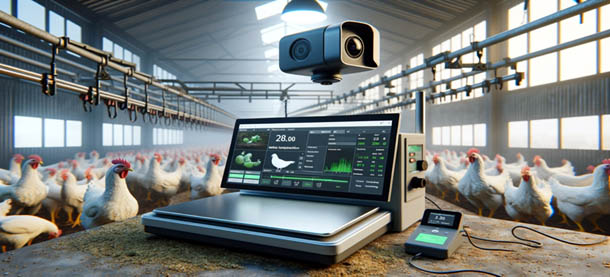
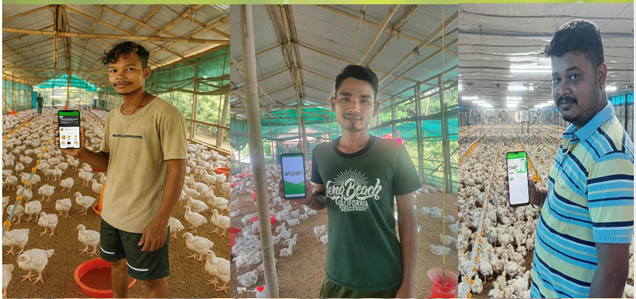
Technology Adoption in the Indian Poultry SectorThe Indian poultry sector, traditionally driven by manual and conventional practices, is now rapidly embracing modern technologies to enhance productivity, reduce mortality, and ensure sustainable growth. Below is a structured overview of key technology interventions that are shaping the future of poultry in India:

  1. Precision Poultry Farming (PPF)
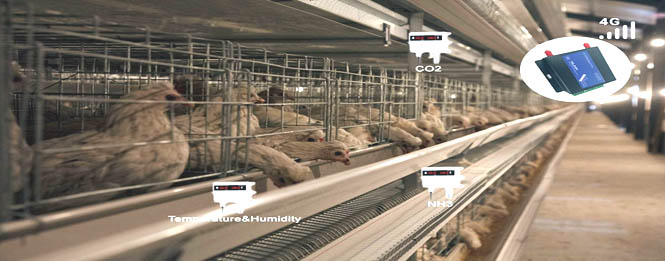
    • Use of IoT sensors to monitor environmental parameters (temperature, humidity, ammonia levels) inside poultry sheds.
    • Real-time tracking of feed intake, water consumption, body weight, and bird behaviour.
    • Automation helps in reducing human error, optimizing resources, and improving bird health outcomes.
  2. Digital Farm Management Systems
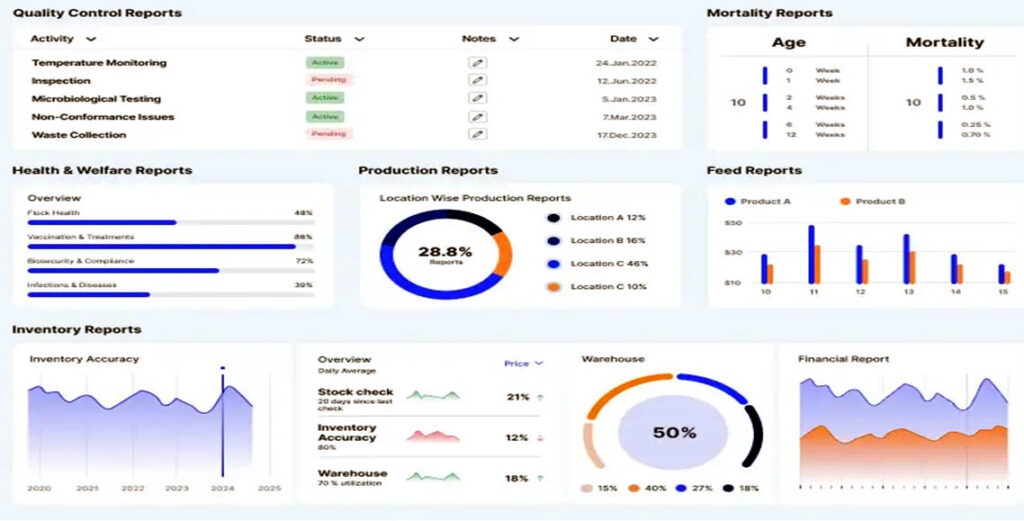
    • Mobile and cloud-based platforms for farm data entry, inventory management, and mortality tracking.
    • Apps for veterinary scheduling, vaccination tracking, and performance analytics. For Example Stellapps: www.stellapps.com) Poultry OS (www.poultryos.com) Farmonaut (www.farmonaut.com) Utpan (www.utpan.info) and other Agri-tech platforms.
  3. AI & Predictive Analytics
    • AI algorithms to predict disease outbreaks, feed conversion ratios (FCR), and weight gain patterns.
    • Data-driven decision-making for feed optimization, harvest planning, and flock rotation cycles.
    • Helps in early detection of anomalies and prevents revenue losses due to health issues.
  4. Climate-Controlled & Automated Sheds
    • Environmentally controlled housing (ECH) systems for temperature, ventilation, and lighting.
    • Use of automated systems for curtain control, forgers, fans, and backup power systems.
    • Reduces stress on birds and improves overall productivity and biosecurity.
  5. Egg Grading, Sorting & Packaging Automation
    • Deployment of machines for automated egg grading, weight classification, and detection of cracks.
    • Robotic arms and conveyors for packaging and labelling to improve speed and hygiene standards.
  6. Disease Detection & Vaccine Delivery
    • Use of rapid diagnostic kits, biosensors, and lab-on-chip technologies for disease identification.
    • Automated vaccine administration and mist sprayers to ensure uniform immunization.
  7. Genetic Improvement & Hatchery Tech
    • Use of genomics and advanced breeding techniques to develop high-yielding, disease-resistant breeds.
    • Hatcheries equipped with temperature-controlled incubators, candling automation, and embryo viability monitors.
  8. Blockchain for Traceability
    • Implementation of blockchain technology to ensure full traceability from farm to fork.
    • Builds consumer trust and meets global standards for export certification and food safety.
  9. Financing & Credit through Digital Agri-Fintech
    • Integration with fintech platforms for credit scoring, crop/livestock insurance, and working capital support.
    • Use of farm performance data for digital lending models and BNPL (Buy Now Pay Later) options for inputs.
  10. Cold Chain & Logistics Management
    • Use of GPS-tracked vehicles, cold storage systems, and route optimization for fresh meat and egg logistics.
    • Ensures minimal spoilage, longer shelf-life, and improved market linkage for processed products.
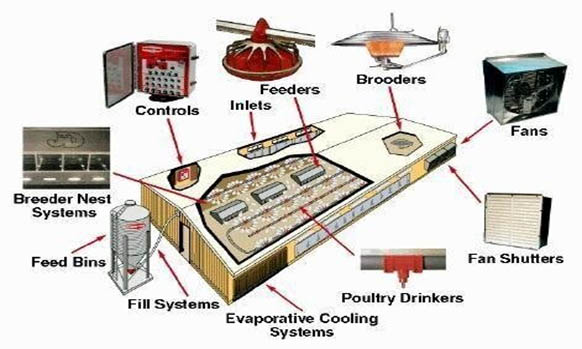
Fig: Diagrammatic Overview of Digital and Technological Adoption in Poultry Value Chain Functions

Adoption Challenges

  • Limited digital literacy among small farmers
  • High initial investment in tech infrastructure
  • Lack of last-mile tech support in rural areas

Future Outlook
The future of India’s poultry industry appears promising, with projections indicating continued growth in both production and consumption. The sector is expected to benefit from ongoing investments in infrastructure, research and development, and value-added products. Additionally, the rising popularity of processed and convenience foods presents opportunities for the development of diverse poultry products catering to evolving consumer preferences. Integration of AI + robotics + IoT will redefine scalable poultry operations. India is witnessing a surge in startups and agripreneurs focused on poultry-specific tech solutions. With ESG and traceability gaining importance, technology adoption is no longer optional—it’s essential.

Conclusion
India’s poultry industry exemplifies a successful transformation driven by innovation, adaptability, and strategic planning. As the sector continues to evolve, it holds the potential to contribute significantly to the nation’s economy, nutritional security, and employment generation. By addressing existing challenges and leveraging emerging opportunities, India’s poultry landscape is poised for a future marked by sustained growth and global competitiveness.

References:
https://dgciskol.gov.in
https://www.apeda.gov.in/PoultryProducts?utm_source=chatgpt.com
https://www.technicaltextiles.in/wp-Content/uploads/2024/10/Poultry_Industry_CareEdge_Report.pdf
https://www.poultrytrends.in, http://www.hindpoultry.com
https://www.google.co.in/search?q=household+consumption+expenditure+survey+2023-24
https://www.dgciskol.gov.in

More about the Author


Boehringer Ingelheim launches next generation innovative three-in-one poultry vaccine in India

  • New single-dose vaccine offers broad protection against three major poultry diseases, improving bird health and easing the operational burden on farms.
  • Strengthens poultry portfolio in India with two launches in the past one year

Mumbai, India, 18/06/2025 – 10:00am IST: Boehringer Ingelheim, a global leader in animal health, has announced the launch of its latest poultry vaccine in India—a single-dose, next-generation solution that provides protection against Bursal, Newcastle and Marek’s disease.

This innovative vaccine is designed to address the practical challenges faced by poultry farmers in India, offering early, reliable, and long-lasting immunity with just one administration at the hatchery.

With poultry playing a vital role in India’s food supply and rural economy, disease outbreaks remain a serious threat to both productivity and profitability. This new vaccine offers a streamlined approach to disease prevention by reducing the need for multiple field vaccinations, lowering labor requirements, and minimizing bird handling stress—all while maintaining strong disease control across production systems.

Dr. Vinod Gopal, Country Head-Animal Health, Boehringer Ingelheim India, emphasized the company’s focus on local needs. “We understand the pressure Indian poultry farmers face—from disease control to operational efficiency. This vaccine reflects our commitment to bringing science-led, farmer-focused innovations to the market. By combining protection into a single dose, we are helping farmers enhance productivity, improve bird welfare, and build more resilient operations.”

Dr. K. S. Prajapati, Former HOD, Dept. of Vet. Pathology, College of Vet. Science, AAU, Anand commented on the significance of this advancement, “Farmers need solutions that are both effective and practical. The evolving disease landscape demands smarter protection strategies. A vaccine that offers early, combined immunity against three major diseases is a valuable tool that helps farmers secure their flocks and reduce reliance on antibiotics.”

The vaccine is suitable for broilers, layers, and breeders, and can be administered either in ovo or via subcutaneous injection at the hatchery.

Source: Boehringer Ingelheim


For details of earlier launch, visit here

Poultry Liver Health Management: A Critical Component for Optimal Flock Performance

The liver is a vital organ in all animals, including poultry, serving as a cornerstone for metabolism, detoxification, and various physiological functions. As poultry production becomes more intensive, liver health has become a key concern due to increasing metabolic demands, environmental stress, and dietary imbalances.

Author
Shaista Khan
Microbiologist
shaikhan789@gmail.com

This article outlines the physiological importance of the liver, common liver health challenges and practical strategies for maintaining liver health in poultry.

Functions of the Liver in Poultry

The poultry liver performs several critical functions:

  1. Metabolic Functions: It converts nutrients such as carbohydrates, proteins and lipids into their usable forms. Additional glucose stores in the form of glycogen and regulates blood glucose levels in Carbohydrate metabolism. The liver produces essential plasma proteins such as albumin and globulins and breaks down excess amino acids in Protein metabolism. In Lipid metabolism, liver is responsible for producing lipoproteins that transport fats to tissues.
  2. Bile Juice Secretion: The liver secretes bile juices which emulsifies fats in the small intestine, enhancing fat digestion and absorption.
  3. Vitamin Synthesis and Storage: The liver is involved in the synthesis of active vitamin D and stores fat-soluble vitamins i.e. Vit. A, Vit. D, Vit. E, and Vit. K. It also plays a key role in the metabolism of B-complex vitamins.
  4. Hormonal Regulation: The liver involves in hormonal synthesis and metabolism.
  5. Detoxification: The liver detoxifies harmful substances such as mycotoxins, drugs and environmental toxins that prevents other organs to damage. It converts ammonia into the urea which excreted through the kidneys.
  6. Immune Support: It acts as a first line of defence against pathogens through Kupffer cells also known as macrophages.

Common Liver Disorders

Despite its resilience, the liver is prone to various disorders that can impair its function and negatively affect poultry performance. Common liver issues include:

  1. Fatty Liver Haemorrhagic Syndrome (FLHS): Excessive fat deposition characterizes Fatty Liver Haemorrhagic Syndrome (FLHS). It is common in high-yield hens, often associates with hot climates or high-energy diets, obesity and inadequate exercise resulting in sudden death.
  2. Mycotoxicosis: Mycotoxins like aflatoxins and ochratoxins from contaminated feed can cause severe liver damage such as liver enlargement, haemorrhage and impaired detoxification.
  3. Infectious Diseases: Viral infections such as Infectious Bursal Disease (IBD) and bacterial infections like Clostridial hepatitis, salmonellosis impacts liver functioning and immunity.
  4. Drug Toxicity: Improper use of drugs; antimicrobials or coccidiostats, pesticides or heavy metals can lead to liver damage.
  5. Nutritional Deficiencies: Deficiency of key nutrients such as choline, methionine, and vitamin E can impair liver functioning and result in conditions like hepatic lipidosis.
Fig.: Showing the symptoms of compromised liver health

Nutritional Strategies to Support Liver Health

Nutrition plays a central role in maintaining liver health in poultry. Here are some key strategies:

  1. Balanced Diet: Ensure diets are balanced to meet the energy, amino acids (especially methionine), and essential vitamins & minerals requirement. Avoid overfeeding energy, as it leads to fatty liver syndrome. Probiotics and Prebiotics promotes gut health and reduce synthetic inflammation for improving liver functioning.
  2. Adequate Protein and Amino Acids: Sufficient amount of methionine and choline are essential for fat metabolism and preventing hepatic lipidosis.
  3. Antioxidants Supplementation: Incorporate antioxidants like vitamin E, selenium and silymarin supplementation protects the liver from oxidative damage caused by toxins and free radicals.
  4. Mycotoxin Control: Addition of binders like bentonite clay, activated charcoal or yeast cell walls in the diet for preventing the negative effects of mycotoxins. Maintain feed hygiene and control moisture to prevent fungal growth.
  5. Feed and Water Intake: Provide clean water and avoid the use of feed additives or drugs that could stress the liver.
  6. Liver Tonic Inclusion: Natural supplements such as milk thistle and turmeric along with betaine can enhance liver functioning and resilience.

Management Practices to Prevent Liver Disorders

In addition to dietary interventions, good management practices can significantly reduce the risk of liver disorders:

  1. Environmental Management: Proper ventilation decreases the heat stress and ammonia production. Litter management reduces pathogen load through regular cleaning and litter drying. Use coolers for preventing from heat stress which exacerbates metabolic burden on the liver.
  2. Monitoring and Diagnostics: Regular necropsy helps in identifying early liver issues such as enlargement, colour changes, or haemorrhages. Monitor the sudden drop in egg production, feed intake or increased mortality for detecting the signs of liver issues.
  3. Biosecurity and Immunity Management: Emphasis limited disease introduction through controlled access and sanitation. Timely vaccination is important to prevent infectious diseases that target the liver, such as IBD and Newcastle disease.

The Economic Impact of Liver Health

Liver health directly impacts the productivity and profitability of poultry operations. Poor liver function leads to reduced feed efficiency, decreased egg production, lower growth rates and higher mortality resulting into economic losses. By prioritizing liver health, poultry farmers can ensure better performance, lower veterinary costs and improved flock welfare.

Conclusion

The liver is a vital organ that underpins numerous physiological functions in poultry, from metabolism to detoxification. Maintaining liver health is crucial for optimal growth, egg production, and overall flock well-being. It requires integrated management of nutrition, environment, disease control, and monitoring. A combination of balanced nutrition, vigilant management practices, and proactive health monitoring is essential to prevent liver-related disorders and maximize productivity.

By recognizing the signs of liver stress at early stage and implementing the strategies discussed, poultry farmers and nutritionists can safeguard this vital organ and ensure optimal flock health.


Article by same author: Respiratory Diseases in Poultry: Prevention and Treatment

Introduction:  Calcium (Ca) and phosphorus (P) are essential macro-minerals in broiler nutrition, playing a crucial role in skeletal development, metabolic functions, and overall growth performance. These minerals must be supplied in the right balance to maximize feed efficiency, ensure strong bone formation, and prevent metabolic disorders. In India, where poultry farming is a rapidly growing sector, optimizing Ca and P nutrition is vital to improving bird health and farm profitability. The availability of mineral sources, variability in ingredient digestibility, and reliance on plant-based feeds necessitate precise supplementation strategies, including the use of phytase enzymes to enhance phosphorus bioavailability.

Author Photograph
Dr. Vinod Koskewar
Premium Chick Feed Pvt Ltd

This article explores the latest advances in Ca and P nutrition for broilers, highlighting their impact on growth, feed formulation, and sustainability in the Indian poultry industry.

Role of Calcium and Phosphorus in Broilers:

Bone Development and Strength: About 99% of calcium and 80% of phosphorus in a broiler’s body are stored in the skeleton. These minerals are indispensable for forming strong, healthy bones that can support rapid growth and high meat yield.

Metabolic Functions: Calcium plays a role in nerve transmission, muscle contraction, and blood clotting. Phosphorus is vital for energy metabolism (ATP production), cellular function, and DNA/RNA synthesis (E. Humer et al., 2015).

Enzymatic and Hormonal Interactions: Vitamin D3 regulates calcium and phosphorus absorption, while an imbalance of these minerals can hinder enzymatic processes critical to digestion and growth (Markus Rodehutscord et al., 2022).

Author photograph
Dr. Sushant Labh
Kemin Industries South Asia Pvt Ltd

Sources of Calcium and Phosphorus:

Common feed ingredients providing these minerals include :

  • Calcium: Limestone, dicalcium phosphate (DCP), monocalcium phosphate (MCP), meat and bone meal (MBM), and fish meal.
  • Phosphorus: DCP, MCP, MBM, and plant-based sources (phytate phosphorus).

Calcium and Phosphorus Recommendations for Broilers:

Based on life stages, broilers require varying levels of these minerals. Breeding companies come out with the standard levels of these and revise the specs from time to time. Of late, there has been a lower requirement of both these minerals, apart from the early stages. In the table below, Cobb and Ross standards for the same are illustrated. Nutritionist in India follow the levels based on their experience, which are these levels or slightly tweaked levels.

Table 1: Cobb Total Calcium and Available Phosphorus requirement comparison for year 2018 and 2022
Table 2: Ross Total Calcium and Available Phosphorus requirement comparison for years 2019 and 2022

(Values taken from Cobb broiler performance and nutrition supplement 2022, available on Cobb vantress website and Ross broiler specification 2019 and 2022, available on Aviagen website)

The Importance of Balance: Total Calcium (Ca) to Available Phosphorus (P) Ratio:

The interplay between calcium and phosphorus is so strong that excess or deficiency in one mineral directly impacts the other’s utilization. The recommended dietary ratio of Ca to P typically ranges from 1.5:1 to 2:1 for broilers (Rafael F. Sens et al., 2021). An imbalance can cause the following issues:

  • Excess Calcium: Reduces phosphorus absorption, lowers feed efficiency, and impairs the digestibility of other nutrients like fats and proteins (Markus Rodehutscord et al., 2022).
  • Excess Phosphorus: This leads to poor bone mineralization and hinders calcium retention (Laura Shiromi David et al., 2023).

Calcium, Phosphorus, and Vitamin D3 Synergy:

Vitamin D3 is a key player in the absorption of both calcium and phosphorus. A deficiency in vitamin D3 reduces calcium and phosphorus uptake, resulting in bone disorders like rickets and poor growth performance. The inverse relationship between vitamin D3 levels and mineral requirements means that higher vitamin D3 in the diet can allow for slightly reduced levels of calcium and phosphorus.

Dietary supplementation of 25-(OH)2-D3 has a positive impact on performance, tibia ash, and serum concentration of Ca, P. This supplementation can also spare some available P in the diet, even in diets containing phytase (with Ca, available P, and sodium matrix). In many cases, the P P-sparing effect of 25-(OH)2-D3 is without any apparent change in tibia morphology. At 250 mg/kg 1,25(OH)2-D3 can spare almost 0.1% available P, which is equivalent to 6kg Di-Calcium Phosphate (DCP) per ton of feed.

Vitamin D and its metabolites 25-(OH)-D3 and 1,25-(OH)2 -D3 have numerous functions in the avian system, though the maximum attention is given to Ca and P metabolism, bone health, and eggshell structures of broilers and layers.  Plant sources of vitamin D cannot be relied upon to cater to the full needs of birds. Technically, 1,25-(OH)2-D3 supplementation to diet should be more effective than 25-(OH)-D3 in alleviating negative effects associated with Ca and P imbalance and dietary vitamin D deficiency. In broilers 1,25-(OH)2 -D3 can help lower down/potentiate Av P. Weak chicks from the young hatch and management-challenged chicks can benefit more from this supplementation.

Phytate Phosphorus neutralization and Phytase matrix consideration:

A large portion of phosphorus in plant-based feed ingredients (e.g., corn, soybean meal) is bound as phytate, which is poorly digestible by broilers. In Indian poultry diets based on vegetable ingredients, up to 70% of P is present as phytate-P, bound to the phytic acid molecule and unavailable for digestion and absorption. Regular levels of phytate in corn- and soybean meal (SBM)-based diets range from 2.5 to 4.0 g/kg and can cause a negative impact on growth performance and feed efficiency, as phytate can form complexes with protein, amino acids, and also other minerals (Rafael F. Sens et al., 2021).

Analyzing the phytate levels in diets is very important while formulating. Rice polish, Deoiled Rice Bran(DORB), Cottonseed extract, Rapeseed meal, Wheat bran, and Sunflower meal have high phytates. Maize gluten meal, Ground nut extract, and Soymeal also have moderate levels of phytates. Generally, the phytate levels in broiler diets range around 0.18-0.30% and layer diets 0.30-0.50%. When formulating with alternate ingredients, the overall phytate level in the diet increases, and this impact on other essential nutrients and, ultimately, performance needs to be minimized by the addition of a good phytase at a higher dose.

Phytases are commonly used to hydrolyze phytate into free myo-inositol and 6 molecules of inorganic phosphate. Phytate degradation and elimination from the gastrointestinal tract with the use of phytase is correlated to significant improvements in P and Ca digestibility, ash content in tibia bone, weight gain (WG), and feed efficiency (J. I. M. Fernandes et al., 2019) and the extent to which phytate is eliminated from the tract can be intensified with greater levels of phytase.

The precise application of phytase matrix requires analyzing values of the phytate content of feed raw materials actually in use. It’s suggested to avoid applying the P matrix more than 90% of phytate levels in diets.

Phytase effects on the digestibility of amino acids and minerals other than P are inconsistent in the literature (Lagos et al. 2023). Expertise based on experience and a holistic approach with other enzyme matrices can help to take a call. The digestibility and requirements of antagonistic feed constituents, such as Ca, must be better elucidated to avoid excessive inclusion in the feed. The matrix value applied for any given dose of phytase is specific for the phytase source and is related to a combination of factors including differences in stability during the pelleting process and gastrointestinal tract, as well as differences in the efficiency of the phytase in degrading Inositol hexakisphosphate (InsP6) and each lower ester under the conditions of the gastrointestinal tract.

High Calcium Levels and its hidden cost:

Excess dietary calcium binds with phytates, reducing phosphorus bioavailability and protein digestibility.

We have a problem with excess calcium. This excess calcium in the diet comes through

  • Ingredient adulteration (soya and other ingredients adulterated with Limestone powder (LSP)
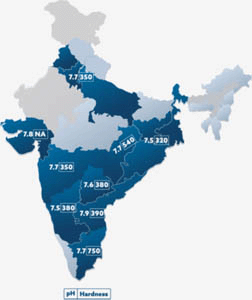
  • Water in Indian farms generally has a higher Total Dissolved Solids (TDS) and Ca between 100-200 mg/L
  • Additives have LSP as a carrier
  • Adulteration of some ingredients with soil
  • LSP, being the cheapest ingredient at times, is used as filler in premix and full feed

Overloading broiler diets with calcium might seem like a good idea, but it can have undesirable effects in several ways. Some of the hidden costs of over calcium in diets are as follows.

  • Lower Feed Intake and Growth: Too much calcium can depress feed consumption, slowing down growth rates.
  • Compromised Gut Health: During stressful months, acidifiers are often added to feed to control gut pathogens. However, excess calcium raises gut pH, undermining the acidifiers’ effectiveness (Laura Shiromi David et al., 2023).
  • Reduced Fat Absorption: Calcium interacts with dietary fats, forming indigestible “soaps” that hinder fat absorption.
  • Impaired Protein Digestion: Calcium binds to proteins in the lower gastrointestinal tract, leading to undigested residues in droppings.
  • Mineral Imbalances: High calcium levels disrupt the absorption of other critical minerals like phosphorus, magnesium, manganese, and zinc, forcing nutritionists to adjust premix levels. Excess Ca in the diet depresses P digestibility, +0.1% Ca levels decrease P digestibility by 4% (J. I. M. Fernandes et al., 2019).

Formulating diets with digestible calcium and digestible phosphorus specs:

Currently, we formulate based on total calcium and available phosphorus and aim to formulate on digestible levels in the coming years. Formulating broiler diets with optimal digestible calcium and phosphorus levels is theoretically essential for maximizing performance and profitability. However, it requires overcoming challenges that are being faced globally as well as in the Indian subcontinent.

Variability in ingredient digestibility:

Ingredients such as dicalcium phosphate (DCP), monocalcium phosphate (MCP), and limestone often vary in their mineral content and digestibility due to differences in processing, source, and quality. For example:

  • The phosphorus digestibility in DCP may range from 85–90%, depending on the source.
  • Limestone solubility varies with particle size and purity, impacting calcium digestibility.
  • A significant portion of phosphorus in plant-based ingredients (e.g., corn and soybean meal) is bound as phytate, making it indigestible without phytase supplementation. Variability in phytate content complicates accurate formulation.

Lack of Accurate Digestibility Data (published and real-time): Many feed ingredients lack standardized published data on digestible calcium and phosphorus levels. Nutritionists often will have to rely on generalized values or outdated information, leading to inaccuracies in formulations. For the same ingredient, there is a huge variation in published digestible calcium and phosphorus levels.

Limestone Solubility and its implications:

Limestone is one of the most common sources of calcium in broiler diets, widely valued for its availability and cost-effectiveness. However, the solubility of limestone can significantly impact its nutritional efficiency and the overall health and performance of broilers.

Solubility and Particle Size: Limestone solubility is influenced by its particle size. Fine particles dissolve more rapidly in the gut, releasing calcium faster, while larger particles dissolve slowly, providing a sustained calcium supply. Solubility at times depends on the source/ore of limestone also. In India, the use of fine limestone is more but coarse grind limestone needs to be preferred more.

Fine Limestone: Highly soluble, suitable for early calcium needs.

Coarse Limestone: Less soluble, ideal for sustaining calcium levels over time.

Role of Acid Binding Capacity: Fine-grinded limestone has a high acid-binding capacity, meaning it can neutralize stomach acidity. This property can sometimes interfere with the gut’s natural digestion process, particularly for other nutrients like protein and phosphorus.

Key Takeaways:

  • Calcium and phosphorus are foundational to broiler health, especially for skeletal growth and metabolic processes. Adjusting calcium and phosphorus levels based on life stage and environmental factors ensures optimal bird performance. Maintaining the correct Ca: P ratio is crucial to avoiding nutrient imbalances and maximizing performance.
  • Indian diets are typically rich in calcium. While it might seem beneficial to add extra calcium to broiler diets, doing so can have several negative consequences.
  • Supplementation of Vitamin D and its metabolites 25-(OH)-D3 and 1,25-(OH)2 -D3 have numerous functions in avian systems, though the maximum attention is given to Ca and P metabolism, bone health, and eggshell structures of broilers and layers.
  • Supplementation of a good phytase can overcome challenges associated with phytate phosphorus in plant-based diets. The precise application of phytase matrix requires analyzing values of the phytate content of feed raw materials actually in use.
  • Solubility and particle size of limestone can significantly impact its nutritional efficiency and the overall health and performance of broilers.
  • Global data on digestible phosphorus and calcium is not standardized. There is a need to generate data for Indian ingredients.
  • Lameness in broilers and layers should be thoroughly investigated and then action needs to be taken. Supplementing more calcium doesn’t work in 99% of cases of lameness.
  • By paying close attention to these critical minerals, poultry nutritionists can unlock the full potential of broiler diets, boosting growth, feed efficiency, and profitability.

Conclusion:

Optimizing calcium and phosphorus nutrition is key to improving broiler performance, skeletal integrity, and feed utilization. As Indian poultry producers and nutritionists transition towards more efficient feeding strategies, it is crucial to adopt precise mineral balancing, utilize digestible Ca and P values, and incorporate phytase enzymes to enhance phosphorus absorption. Over-supplementation of calcium can lead to hidden costs, including impaired nutrient digestibility and poor gut health. Furthermore, understanding the solubility and particle size of calcium sources like limestone can significantly improve mineral utilization. With continuous research and innovation, the Indian poultry sector can refine its approach to these important mineral nutrition, leading to better productivity, economic efficiency, and environmental sustainability.

Authors: Dr. Vinod Koskewar and Dr. Sushant Labh.

References:

- Cobb broiler performance and nutrition supplement 2018 and 2022, available on https://www.cobbgenetics.com/
- Fernandes, J.I.M., Horn, D., Ronconi, E.J., Buzim, R., Lima, F.K. and Pazdiora, D.A., 2019. Effects of phytase superdosing on digestibility and bone integrity of broilers. Journal of Applied Poultry Research28(2), pp.390-398.
- Humer, E., Schwarz, C. and Schedle, K., 2015. Phytate in pig and poultry nutrition. Journal of animal physiology and animal nutrition99(4), pp.605-625.
- Lagos, L. V., Choudhury, R., Castejón, C. R., Lu, H., & Stein, H. H. 2023. Amino acid and mineral digestibility, bone ash, and plasma inositol is increased by including microbial phytase in diets for growing pigs. Journal of Animal Science and Biotechnology, 14, 53.
- Laura Shiromi David, M. Naveed Anwar, M. Reza Abdollahi, Michael R. Bedford and Velmurugu Ravindran. 2023. Calcium Nutrition of Broilers: Current Perspectives and Challenges. Animals 2023, 13(10), 1590.
- Markus Rodehutscord, Vera Sommerfeld, Imke Kühn and Michael R. Bedford. 2022. Phytases: Potential and Limits of Phytate Destruction in the Digestive Tract of Pigs and Poultry. Enzymes in Farm Animal Nutrition, 3rd Edition CAB International. 124-153.
- Rafael F. Sens et al., 2021. Effect of different doses of phytase and protein content of soybean meal on growth performance, nutrient digestibility, and bone characteristics of broilers Poultry Science 100:100917 
- Ross broiler specification 2019 & 2022, available on https://aviagen.com/ .

In the ever-evolving landscape of the Indian poultry industry, one name stands out as a beacon of innovation and leadership – Mr. O.P. Singh. His humble beginnings mark the curious brain of a technophile while exploring the depths of biochemistry to his transformation into a visionary entrepreneur, his journey exemplifies the seamless fusion of scientific expertise and business acumen.

As the Managing Director of ABTL, Mr. O.P. Singh has not only revolutionized poultry nutrition but also set new benchmarks in sustainability, technological advancement, and global industry leadership.

His career trajectory underscores a deep-rooted belief: scientific research, when translated into practical solutions, can drive meaningful industry progress. “As a scientific leader, I was always passionate about innovation,” says Mr. Singh. “But I realized that research alone is not enough—it must be translated into real-world solutions that every stakeholder, from large integrators to small farmers, can access at their doorstep.

A Vision for a Sustainable Poultry Industry

The poultry industry faces numerous challenges, from disease management to sustainability & productivity enhancement. Recognizing these complexities early on, Mr. O.P. Singh dedicated himself to developing and commercializing innovative feed additives and health solutions that not only improve poultry performance but also align with sustainable farming practices. “Our goal has always been to create advanced solutions that cater to both local and global market needs,” he explains.

“Through constant research, data-driven results, and farmer education, we have been able to introduce pioneering enzyme-based feed solutions that optimize livestock nutrition and enhance sustainability”.

Academic Foundations: The Science Behind the Success

Mr. Singh’s academic journey laid a strong foundation for his future achievements. He earned a Master’s degree in Biochemistry from the prestigious Banaras Hindu University (BHU), equipping him with an in depth understanding of molecular and enzymatic processes. To complement his scientific expertise with business strategy, he pursued a Master’s in Business Administration from Kellogg’s School of Management, USA. This rare combination of scientific depth and business acumen would later prove instrumental in bridging the gap between research and commercialization an asset that would define his future endeavours.

As a scientific leader, I was always passionate about innovation,” says Mr. Singh. “But I realized that research alone is not enough—it must be translated into real-world solutions that every stakeholder, from large integrators to small farmers, can access at their doorstep.

Overcoming Industry Challenges with Innovation

“The Indian poultry industry holds immense potential, but navigating regulatory hurdles, strengthening the supply chain, addressing price sensitivity, and ensuring biosecurity are critical challenges,” Mr. O.P. Singh notes. “Our focus has always been on localizing global expertise to meet India’s unique market needs, fostering strong partnerships with integrators and farmers, and driving innovation for cost-effective, high-performance solutions.” He also emphasizes the importance of investing in brand trust and consumer awareness to promote safe, high-quality food. “Ultimately, our goal is to build consumer confidence, ensuring a thriving poultry ecosystem that supports the food chain and future generations.

Establishing Industry Giants and Pioneering Enzyme-Based Nutrition

Early in his career, Mr. Singh played a pivotal role in establishing major poultry brands. He is a trailblazer and expanded avenues to strengthen Indian poultry industry to leave its mark globally.

“When we introduced enzyme-based feed solutions at ABTL, the concept was still in its infancy in India,” he recalls.

“The industry was heavily dependent on conventional feed formulations, and there was little awareness regarding enzymology and the scientific application of fermentation technology in animal nutrition. We worked relentlessly to educate the market, demonstrating the tangible benefits of enzymes through extensive trials and data-driven results.”

ABTL: A Game Changer in Poultry Nutrition

Driven by a relentless pursuit of excellence, Mr. Singh ventured into enzymology and its applications in animal feed—a relatively unexplored domain at the time. With this vision, he laid the foundation for ABTL, pioneering the use of enzymes in feed to enhance efficiency and sustainability. This groundbreaking approach, initially ahead of its time, eventually gained widespread acceptance, positioning ABTL as a leader in biotechnological solutions for animal health and nutrition. Under his leadership, ABTL has witnessed remarkable growth, expanding beyond India into Southeast Asia, including Sri Lanka, Vietnam, Nepal, Oman, and Bangladesh. We are also pioneering precision gut health solutions, climate-resilient poultry nutrition, and sustainable feed additives aimed at reducing the carbon footprint. “Our commitment to innovation is evident in our R&D investments,” Mr. Singh states. “We allocate 20% of our annual revenue to research and development—one of the highest in the industry. This continuous investment ensures that we stay ahead of the curve in developing next-generation feed additives that improve poultry health, enhance feed efficiency, and promote sustainability.”

International Expansion & Industry Recognition

Expanding ABTL beyond India into Southeast Asian, Middle Eastern, & African markets was a strategic move driven by the region’s booming poultry industry, increasing demand for sustainable feed solutions, and growing focus on antibiotic alternatives. “Our international growth was fuelled by a combination of market research, localization, strategic partnerships, and innovation,” he explains. “With our state-of the-art manufacturing facility, our ability to customize products, and our top-notch performance metrics, we have established ourselves as a trusted name in global markets.”

  • Rising star in Animal Health by IPJA in 2009.
  • Best company in Animal Nutrition by Navabharat Agri-Tech Summit in 2018.
  • Best Animal Health & Nutrition Company by IPJA in 2019.
  • Best service in the Poultry Industry by Hybiz Tv in 2023.
  • Best CEO in the Poultry Industry by NRS Group in 2023.

Breakthrough Innovations in Poultry Nutrition

“At ABTL, we have introduced groundbreaking innovations in multi-enzyme formulations, bioactive peptides from fermentation, and systemic enzyme technology that address industry challenges, “Mr. Singh highlights.

“We are also pioneering precision gut health solutions, climate-resilient poultry nutrition, and sustainable feed additives aimed at reducing the carbon footprint.”

Additionally, ABTL is exploring artificial intelligence (AI) into poultry farming to optimize performance parameters. “We are actively exploring AI driven solutions that integrate data analytics, machine learning, and automation to enhance farm productivity while ensuring bird health and welfare,” he adds.

Driven by a relentless pursuit of excellence, Mr. Singh ventured into enzymology and its applications in animal feed – a relatively unexplored domain at the time. With this vision, he laid the foundation for ABTL, pioneering the use of enzymes in feed to enhance efficiency and sustainability.

A Commitment to Sustainability and Future Growth

“The poultry industry is at a critical juncture where sustainability and efficiency must go hand in hand,” Mr. Singh states. “At ABTL, we recognize that long-term growth is only possible if we align our operations with environmental responsibility. Through precision nutrition, resource optimization, and AI-driven farm management, we are committed to ensuring a low-carbon, high performance poultry industry.” Looking ahead, Mr. Singh envisions ABTL evolving into a global leader in science-driven, sustainable solutions for the livestock industry. “The future of animal nutrition lies in next generation gut health solutions, microbiome science, systemic enzymatic solutions, and AI driven disease diagnosis,” he explains. “Our goal is to continue innovating and ensuring that India plays a defining role in shaping the global poultry industry.

A Legacy of Innovation and Leadership

Beyond corporate leadership, Mr. Singh is a thought leader and industry influencer, actively mentoring young professionals in the agri-tech and poultry sectors. His message to the next generation is simple yet profound:

“Scientific knowledge is essential, but the ability to translate it into scalable, practical solutions is what drives impact. Stay curious, challenge conventional methods, and embrace disruption – because that is where true progress lies.”

With his pioneering work in poultry nutrition, biotechnology, and sustainable farming, O.P. Singh is not just transforming an industry – he is shaping the future of global food production.

Shared by ABTL    |     Courtesy: Chandan Iyer, Corporate Tycoons Magazine

REACH NEW HEIGHTS WITH YOUR BUSINESS AT VIETSTOCK EXPO & FORUM 2025

Vietstock 2025 is the premier B2B exhibition in Vietnam and Southeast Asia, dedicated to livestock production, animal feed, animal health, and meat processing. The event is scheduled for October 8–10, 2025, at SECC in Ho Chi Minh City.

Vietstock Leading the Way In Innovation & Collaboration

Vietstock Expo logoAs Southeast Asia’s livestock sector evolves rapidly, Vietstock Expo & Forum stands out as the region’s leading annual B2B platform professionals for feed, livestock, animal health, and meat processing

Recognized as Vietnam’s leading international exhibition for the livestock industry, Vietstock is part of Informa Markets’ trusted ASEAN-wide livestock and aquaculture exhibition series, renowned for connecting innovators, key decision-makers, and solution providers across the value chain.

Scheduled from October 8–10, 2025 at the Saigon Exhibition and Convention Center (SECC), Ho Chi Minh City, Vietstock Expo & Forum is more than just a showcase of products; it fosters valuable conversations, drives regional collaboration, and highlights transformative solutions for a sustainable future.

With more than 300 exhibitors and 13,000 professionals from over 40 countries expected, Vietstock 2025 will cover 13,000 sqm of exhibition space, offering businesses unparalleled opportunities to connect, collaborate, and lead in a rapidly advancing industry landscape.

Visitors at Vietstock Expo
Vietstock 2025 is the premier B2B exhibition in Vietnam and Southeast Asia dedicated to livestock production

Vietstock – Your Strategic Gateway To Vietnam’s Livestock Market

Is your business aiming to scale, expand market reach, or establish a leading position in Vietnam’s and Southeast Asia’s livestock, animal feed, animal health, or meat processing sectors? Seeking a high-impact platform to showcase your innovations, build direct relationships with key decision-makers, and expand business potential across the region? Vietstock Expo & Forum is the must-attend gateway!

Unlock New Opportunities, Create Valuable Partnerships

Join 13,000+ qualified trade visitors, including farm owners, feed millers, meat processors, distributors, veterinarians, and governments from across Vietnam and over 40 countries and regions. Vietstock offers you face-to-face access to the decision-makers who matter most, enabling high-value interactions that shorten the sales cycle and open doors to new partnerships.

Mr. Phung Duc Tien, Deputy Minister, Ministry of Agriculture and Environment shared his thoughts on Vietstock: “Exhibitors have noted that each year after Vietstock, their equipment sales increase. Our livestock and aquaculture technologies are continually being innovated, which plays a key role in boosting the industry’s productivity, quality, and competitiveness”.

Showcase Innovation in a High-Impact Environment

With over 13,000 sqm of exhibition space and 300+ exhibiting companies, Vietstock 2025 brings together the entire livestock industry under one roof. Whether you offer feed technology, breeding solutions, animal health products, farm automation systems, or meat processing equipment, this is where innovation gets noticed.

The exhibition is designed for maximum exposure, giving your brand the spotlight it deserves.

Livestock Roadshow held in key livestock provinces across Vietnam, increases opportunities for exhibitors to connect directly with potential customers in these vital markets.

Match & Meet Program – The platform offers a professional business networking space where exhibitors and industry leaders can network quickly and privately, opening up the opportunity to reach the “final decision” right at the event.

Maximize ROI with Quality Leads and Targeted Connections

Exhibiting at Vietstock is a strategic investment in measurable business outcomes. Capture high-quality leads, engage with key decision-makers, and position your solutions directly in front of industry buyers who are actively seeking innovative technologies and sustainable solutions to enhance productivity within livestock production.

Boost your lead generation with LeadGrab – Lead Retrieval Application. This tool enables exhibitors to efficiently capture visitor information by simply scanning badges, turning every interaction into a valuable business connection. Seamlessly track and follow up on potential leads to maximize ROI and accelerate your sales pipeline post-event.

Stay Ahead of Livestock Trends & Industry Insights

During the three days of Vietstock 2025, benefit from technical seminars, industry forums, and policy briefings delivered by top industry experts and associations. Gain valuable knowledge, sustainability trends, animal welfare, biosecurity, and feed innovation, that can sharpen business strategy and inspire product development.

Conferences & Technical Seminars: An education hub for technical knowledge and market updates in the livestock industry, features engaging sessions led by industry thought leaders, covers a diverse range of topics, from market trends and regulatory updates to technological advancements and best practices.

Biosecurity Asia Forum: The forum will focus on orientations, methods, and implementation strategies for biosecurity, which is a core value for sustainable development in the livestock industry.

Eggcellent Theatre: Vietstock celebrates World Egg Day at Eggcellent Theatre every year with many exciting activities: product showcase, workshops, seminars, free Egg-Gift-Away.

Vietstock Expo
Vietstock is an education hub for technical knowledge and market updates in the livestock industry

Stand out in Southeast Asia’s thriving livestock market

Vietnam is one of Asia’s fastest-growing markets for livestock production and meat processing. By exhibiting at Vietstock 2025, you position your business at the center of Southeast Asia’s agribusiness transformation. Strengthen brand visibility, enhance credibility, and become a recognized name in a market where trust and long-term partnerships are key to success.

Adding to the prestige of the event, the Vietstock Awards – 13th edition will once again be hosted by the Department of Livestock Production and Veterinary (Ministry of Agriculture and Environment) offer a unique opportunity to elevate your brand. These prestigious awards honour organizations that have made outstanding contributions to Vietnam’s livestock sector. A nomination or win amplifies your brand, reinforces your leadership, and strengthens regional credibility.

Start your journey to success at Vietstock Expo & Forum 2025

Vietstock 2025 is your gateway to unlocking new growth opportunities and building long-lasting partnerships in the heart of Southeast Asia’s rapidly advancing livestock industry. With thousands of industry leaders and decision-makers converging under one roof, this is the place to highlight your innovations, expand your reach, and position your brand for success in a competitive market.

Now is the time to act, secure your stand at Vietstock Expo & Forum 2025 and be part of the region’s most impactful livestock exhibition.

Viral Challenges in Poultry: The Fight Against Microscopic Invaders

Introduction

Viruses, those microscopic troublemakers invisible to the naked eye, pose significant threats to poultry. Unlike bacteria that can multiply outside host cells and are treatable with antibiotics, viruses need to invade host cells to replicate. This makes viral infections particularly challenging, as antibiotics are ineffective. Hence, vaccination plays a crucial role in controlling these diseases in poultry.

Dr. Pradeep Rai pic
Dr. Pradeep Rai
Technical Services Manager
Nanovet Nutrition Pvt. Ltd.
Bengaluru

Symptoms and Causes of Viruses

Viral outbreaks can wreak havoc on the poultry industry, leading to reduced production and economic losses. Common viral diseases include avian influenza, Newcastle disease, and infectious bronchitis. These infections can cause sudden death in young birds and prolonged illnesses in adult birds, spreading through the mouth, nose, and eyes. Factors such as virus strain, mode of infection, and environmental conditions influence the severity and progression of these diseases.

Symptoms and Causes of VirusesWhy Summer Sees Major Outbreaks?

Summer is notorious for viral outbreaks in poultry due to several predisposing factors:

Warm and Humid Conditions: These provide an ideal environment for viruses to survive, replicate, and spread.

Increased Pest Activity: Mosquitoes and other pests are more active during summer, acting as vectors for viral transmission.

High Stress Levels: Heat stress during hot months weakens the immune systems of poultry, making them more susceptible to infections.

Overcrowding: To manage heat, poultry may gather in shaded or cooler areas, increasing the likelihood of close contact and disease transmission.

Dehydration: Inadequate access to clean water can lead to weakened immunity, further increasing vulnerability to infections.

Common predisposing Factors for Viral diseases

1. Heat Stress

Heat stress occurs when there’s an imbalance between heat generation and heat loss in poultry. It can lead to poor performance, economic losses, and higher mortality rates. Poultry are most comfortable in a thermoneutral zone around 22-28°C.

Causes: Heat stress happens when birds produce or absorb more heat than they can lose.

2. Toxins in Feed

Poor quality feed or improper storage conditions can lead to the growth and spread of viruses, infecting the birds that consume it.

Causes: The close proximity of large numbers of birds in commercial poultry farms facilitates the rapid spread of diseases.

3. Proximity to Agricultural Land

The proximity of poultry farms to agricultural land poses a significant risk for viral disease spread.

Causes: Paddy crops in these areas increase humidity levels due to water irrigation methods, creating an ideal environment for viruses to thrive and spread among poultry populations.

4. High Humidity

High humidity triggers behavioral, physiological, and immunological responses, affecting productivity.

Causes: Dehydration significantly impacts the immune system of birds, making them more susceptible to diseases and infections.

5. Immunosuppression

Immunosuppression in birds creates an environment where viruses can easily mutate and become more virulent.

Causes: This condition further exacerbates outbreaks, making it a critical factor in poultry health management.

Common Factors for Viral diseasesPost Mortem Findings

In severe cases of viral infections, a cheese-like plug can be found in the lower trachea or bronchi, causing respiratory distress. Sticky fluid may build up in the intestines and kidneys, indicating potential organ complications. Milder forms may show excess mucus and caseous exudates in the air sacs, primarily affecting the respiratory system.

Common Factors for Viral diseases - Post Mortem findingsTreatment and Prevention

Early diagnosis and vaccination are key to controlling viral diseases like infectious laryngotracheitis. Vaccinating unaffected birds can reduce the disease’s severity and limit its spread.

Control Measures

Biosecurity: Implementing strict biosecurity protocols is essential. This includes controlling farm access, minimizing contact with wild birds and rodents, and enforcing rigorous cleaning and disinfection procedures.

Sanitation: Regular cleaning of poultry housing, equipment, and surrounding areas prevents pathogen buildup and reduces the spread of viruses.

All-in-All-Out Management: This practice involves bringing in and removing entire groups of birds simultaneously, reducing disease spread and promoting consistent growth.

Conclusion

Maintaining biosecurity, adhering to vaccination protocols, and employing all-in-all-out management are crucial for reducing disease outbreaks in poultry. By prioritizing flock health, farmers can enhance productivity and profitability, creating a more sustainable operation. Staying updated on best practices and research is vital for continuous improvement.


Related News: Andrés Pintaluba and Nanovet Nutrition announce strategic collaboration

What is Stress?

  • Stress is a state of worry caused by a difficult situation, a natural response to address challenges & threats in life. Stress is a situation just opposite to comfort.
  • Chicken has a limited amount of stored up resources to help adapt to unstable conditions, a challenge or a threat. As long as the challenges are within tolerable limits, chicken manages through its reserves, adjust to the situation & come out with little/no damage
  • Stress is the situation when these challenges are more intense or greater numbers, resulting a serious chemical, physical & psychological changes in chicken with harmful consequence.
Dr. B.C Dutta
Dr B C Dutta (Author),
Poultry Consultant
www.drbcdutta.com
YouTube

Development stages of Stress in Chicken

The 3 stages of stress are ALARM, ADAPTATION & EXHAUSTION.

  1. The first stage is Alarm, a short neurological stage. It is the ‘fright or flight’ reaction based on adrenalin release which triggers the release of glucose into the blood & helps the bird prepare to power to escape.
  2. Adaption is next, where hormones are released to control the long-term effects of stress as they adjust to the new changes in their environment. There may be elevated cortisone levels in the blood, which arrange release of glucose from the body’s reserves of carbohydrates, proteins & fats to help the bird to adjust to the stressor. Diseases associated with long term stress, like diseases heart, digestive system, metabolic imbalances and susceptibility to disease, are all attributed to high corticosteroid production in managing long term stress.
  3. The third stage, Exhaustion occurs when chicken does not recover from the stressor, its body reserves depleted, and the normal metabolic function fails with death of the bird.

Once chicken is exposed to stress, it results in immunological or metabolic consequences as below:

  • Regression of immune organs/systems leads to Suppressed immune function & increased disease susceptibility
  • Reduction of the oxidative metabolic capacity of mitochondria
  • Deficit of antioxidant reserves
  • Changes in the activity of antioxidant enzymes

Types Stress in Chicken

  • Noticeable Stress
    • Disease
    • Environment; Heat Stress, Winter Chilling, High Speed Wind (Cyclone), Poor Ventilation
    • Starvation or Drinking Water shortage
    • Debeaking
  • Non-Noticeable Stress
    • High performance; rapid growth and peak egg production
    • Overcrowding
    • Mycotoxin
    • Endotoxin
    • Wet Litter
    • Litter Ammonia
    • Poor Quality Feed
    • Change of Feed
    • Handling
    • Transportation
    • Vaccination
    • Transfer/Mixing/Isolation

Factors responsible for Stress in Chicken:

A. Physiological

  1. High Body Weight Gain in Broiler
  2. Egg Laying, especially Peak period in Layer & Breeder

B. Nutritional

  1. Feed Starvation due to poor supply or inefficient feeding system
  2. Drinking Water scarcity
  3. Deficiency of Protein, Carbohydrate, fats, Minerals, & Vitamins.
  4. Poor quality like Dusty, too Hard or too Big Particle size or old damage feed

C. Environmental

  1. Heat Stress
  2. Winter Chilling
  3. High Humidity
  4. Cyclonic Wind
  5. Lightening
  6. Splash of Rain water
  7. Earthquake

D. Operational

  1. Debeaking or Beak Trimming
  2. House/Cage Transfer, Mixing & Isolation
  3. Transportation from one farm to another (Chick to Grower and to Laying farm)
  4. Vaccination
  5. Handling for Insemination, medication & vaccination
  6. Management issues like poor Space (overcrowding), Ventilation, Wet litter, Litter Ammonia
  7. Change in Feed
  8. Change of attendant

E. Pathological

  1. Infections; bacterial, viral, fungal, protozoan, etc
  2. Metabolic Disorder like gout, ascites, etc.
  3. Endotoxins
  4. Mycotoxins

Out of all above, the important & dreaded stresses are all Pathological stress like Infections, Mycotoxins, Endotoxins, Metabolic disorders and 2 environmental stresss, viz. Heat Stress & Cold Stress or Chilling. Please remember when one stress comes after another, then 1 + 1 is not 2 but become 11, means combined stresses are dreaded to chicken.

Heat Stress:

  • Heat Stress is a situation when chicken faces difficulty in achieving balance between body heat production & body heat loss.
  • Chickens lack sweat glands to facilitate latent heat loss by evaporation (perspiration), and have limited un-feathered body surface areas for loss of sensible heat through conduction, radiation, & convection
  • Genetics, Feather cover, Age, Body Weight, Egg Production stage & flock maintenance all affect a chicken’s heat tolerance
  • Chickens are homeotherms & regulate their body Temperature across a wide range of external Temperature.
  • But continuous high climate Temp overwhelm the thermoregulatory mechanisms, resulting imbalance between the amount of metabolic heat produced & their capacity to dissipate body heat in the environment

Heat StressPhysiological response of Chicken to elevated temperature and the Loss in Poultry?

  • With Increase in Climate Temp, the Thermal gradient between the Body surface & the surrounding environment lessens with Dissipation of Heat decreasing, resulting Chicken suffering from environment-induced Hyperthermia.
  • This increases Respiratory rate (Thermal Polypnea or Panting) to increase Latent Heat Loss via Evaporation of water from the Respiratory tract
  • Dehydration is the most harmful effect of panting, which causes Respiratory Alkalosis, acid base imbalance leading to permanent physiological damages
  • Alkalosis reduces blood ionized Calcium and ultimately Eggshell mineralization resulting Reduced Egg production, Pale Egg, Soft Shell Eggs, Thin Shell Egg, Increased Broken egg % in Layer & Breeder
  • Panting causes Oxidative Stress leading to Immunosuppression, damage of Gut mucosa leading to poor digestion, Dysbacteriosis, Enteritis and increase incidence of secondary infections (Viral like LPAI & ND, Mycoplasma & Bacterial) because of  immunosuppression & leaky gut situation.
  • Heat Stress reduces feed consumption resulting Poor Body Weight gain in Broiler and reduced Egg production in layer & breeder.
  • Heat Stress has Permanent damaging effect; damages the muscles affecting Meat Quality and Lowering Breast Muscle Yield
  • Reduces Protein content of the muscles, reduction of muscle pH & Water Holding Capacity and ultimately affecting Juiciness of Chicken Meat
  • Disturbs Lipid metabolism by affecting enzyme function in lipid breakdown causing Excess Fat deposition instead of converting to meat
  • Heat Stress reduces Male fertility in breeder and affects hatchability severely.
  • Heat Stress impact the Expression of Gene related to Growth, Production Performance & Resistance to disease
  • Heat stress impairs chicken’s immune system, leading to a reduced response to vaccines, suppressing the production of antibodies and affecting the function of immune cells, particularly lymphocytes, due to the atrophy of immune organs like thymus under high temperatures; heat stress makes it harder for chickens to fight off infections after vaccination and increases their vulnerability to disease
  • Heat stress lowers the level of circulating antibodies (IgM & IgG) produced after vaccination, resulting in a weaker immune response against pathogens
  • High Temp cause atrophy of thymus, leading to decreased T-cell production and impaired cell-mediated immunity
  • Heat stress increases release of corticosteroid and further suppress the immune system.
  • Heat stress disrupts the function of immune cells; macrophages & lymphocytes, affecting their ability to recognize and fight pathogens.
  • Heat stress damage the intestinal lining, allowing entry of harmful & resident microorganisms into the body system to produce infections.

How to reduce the effect of heat stress in Chicken?

  • Poultry House Environment need to made near comfort zone in terms of Temperature, Humidity & Ventilation. Closed Environment Control poultry house is the perfect answer.
  • Plantation of Tress on both side of each shed
  • Farm construction near forest or under Coconut or Mango Garden
  • Reduce Stocking Density in summer to provide more space & more ventilation
  • In open house system action must be taken to REDUCE TEMPERATURE at Birds level through
    1. Elevated Roof, higher centre height
    2. Coated Roofing materials
    3. Extended side roof overhang to prevent entry of direct Sunlight
    4. Thatching of Roof by Agricultural waste (Paddy & wheat straw, Jute stick, Mustard/seasame harvested dry plant) and Ceiling by Thermostat Aluminium foil
    5. Constructing Side Pandals (Leaned Roof Over-hang 1 meter)
    6. Hanging of Gunny with Dipper on both side (2 layers is best)
    7. Ceiling fans in case of Broiler and Circulatory fans in Layer or breeder to improve ventilation
    8. Springler on Rooftop to cool the roof
    9. Fogger inside the shed to reduce inside temperature

Disease Stress:

  • Disease (Not fine) or Disease is No 1 stress factor in chicken like all other living being. Even unnoticed infection cause stress to force chicken to sit without movement and stay away from feed & water.
  • Stress due to Diseases is the most neglected chapter in poultry farming, especially the subclinical or asymptomatic diseases.
  • Global Animal Productivity loss due to clinical & subclinical diseases is 20%. Hence, we need to understand the disease stress on chicken and must act to minimize the same.
  • Every disease has some specific symptoms but there are some common manifestations to every disease ass below:
    • Anorexia or off-feed
    • Dullness, lack of movement or inactive
    • Poor eye reflection
    • Huddling
    • Poor body Weight Growth and poor Egg production
    • Death

Disease StressDisease Stress produces:

  • Uneasy physical status beyond comfort level
  • Many physiological changes in the body resulting different symptoms
  • Loss of appetite, poor growth & poor production
  • Direct or indirect Immunosuppression inviting many other diseases
  • Death due to system failure or lack of food for long time anorexia

Mitigation of Disease:

  • Practical & 100% Biosecurity to avoid disease entry in to the poultry area.
  • Welfare of chicken with respect to space, ventilation, temperature, drinking water & nutrition
  • Daily Health monitoring
  • Monitoring of Bird’s activity & Feed Intake everyday
  • Immediate identification of any deviation in health & production parameter
  • Immediate diagnosis at farm & confirmatory from laboratory
  • Immediate treatment or necessary action to protect the health & life of chicken

How to Recognize Stress in Chicken

  • Vocalization: Chickens have alarm sounds to alert other chickens, like repetitive chirps or screaming.
  • Loss of Appetite; poor feed consumption, eating little sometime & stay away from feed in almost all stresses including Heat or Cold stress and disease stress.
  • Abnormal Posture: In Heat Stress Birds sits on its belly & breast touching the floor and wings spread apart to lose heat through conduction, convection & radiation. In case of Disease Stress, birds are usually inactive & huddle together near to corner or at areas of Sunlight in open shed.
  • Abnormal Behavior: In Heat Stress, there will be too much Panting to lose body heat through evaporation. During disease stress, the birds remain inactive and lying with head down & beak inside litter. Deep breathing is seen in respiratory diseases.
  • Water Intake: Heavy increase in case of Heat Stress but reduced in Cold stress and in most diseases.
  • Repetitive Behavior: include packing, constant rocking back & forth, head swinging or toe-taping

Effect of Stress in Chicken

  • Uneasy state of life, abnormal posture & abnormal activity
  • Stressed chickens usually extremely anxious, pick feather & self-mutilate, may cause permanent damage of feather follicles and scar develop on their skin
  • Reduced Feed intake & reduced water (except Heat Stress) intake
  • Immuno-suppression leading to many diseases from already existing microorganism in the house environment or in the intestine as commensal
  • Oxidative stress leading to damage of gut mucosa, poor digestion, dysbacteriosis and enteritis
  • Panting & Dehydration
  • Excess release of Stress hormone (corticosteroid) leading to further immunosuppression & loss of body condition
  • Poor commercial performance like, poor body weight gain & high FCR in broiler and reduced egg production with poor egg shell quality in layer & breeder
  • Mortality

Mitigation of Stress in Chicken

  • Maintain clean, calm & disease-free poultry house environment
  • Noise-free environment; chicken don’t like unusual circumstances
  • Avoid environmental stress like winter chilling, summer heat stress, monsoon high humidity inside poultry house through modification of infrastructure & husbandry practice.
  • Need conceptual, infrastructural & operational changes to avoid environmental stress with climate change induced global worming situation.
  • Avoid compromised ventilation, especially during winter & rainy days in open system farming. Avoid poor ventilation during high humid monsoon & chilly winter months in EC shed especially with compromised structure
  • Avoid overcrowding; welfare is most unattended issue creating stress in poultry
  • Avoid litter ammonia, wet litter & dust in poultry house
  • Follow SOP & behave gently while handling, transfer, mixing, transportation, vaccination and insemination.
  • Implement & 100% Biosecurity, arrange regular health monitoring & health management. Educate your team about importance of biosecurity in poultry.
  • Making sure your flocks have access to safe drinking water and regular supply of recommended fresh nutritious feed during the whole production cycle

In poultry, “pin bone distance” refers to the distance between the pelvic bones (pin bones) located near the hen’s vent. The pin bone distance is one of the key indicators of hen’s sexual maturity and the indication of when she will start laying eggs.

Dr. Ram Moorthy D, , Author Pic_EB
Dr. Ram Moorthy D
CEO, Geenat
E: rammoorthyd@gmail.com
W: www.geenat.co.in
Phone: +91 93446 42382

Pin Bones location, significance and interpretation

The pin bones are located on either side of the hen’s vent and the significance of the Pin bones’ distance indicates a hen’s approach to laying stage.

Closed pin bones or narrow space between the pin bones Indicate that the hen is not yet sexually mature or is not at the laying stage.

The distance of the two pin bones is wider apart indicates that the hen is sexually mature and likely to start laying eggs.

Pin Bone distance of a hen and the determination of laying stage

  • The right distance of the ‘pin bones’ in commercial white leg horn breed of the breeder and commercial layer should be about 3 fingers wide. This will indicate that the hen is at the laying stage.
  • Pin bone distance of between 2 and 2½ fingers indicates at about10 days prior to lay the first egg.

Variation in pin bone distance and the solution

If the variation in pin bone distance within a flock is above 70% it indicates the problems with flock’s uniformity in body weight, egg production, and egg size.

Body weight

Birds are less sexually mature than expected for age if the Pin bones are closer together. In this case we should check the birds’ body weight according to the age and can adjust the feed nutrition and qty in-take which will help the birds gradually return to the laying standards at the right age.

Light stimulation Adjustment

If the variation of ‘pin bone distance’ between the birds of the same age is more than 70% of the flock it’s better to adjust the light stimulation by increasing or decreasing based on the weather conditions to bring the ‘pin bones distance’ similar and correct it to 80 to 85% of the flock to have the uniformity in egg production & egg size.

This lighting adjustment will allow the flock to reach the same level of pin bone distance naturally.

Egg- grading techniques will help to improve uniformity of the flock.

Birds are more sexually mature than expected for age if the ‘pin bone distance’ is wider than expected for age; in this case we should monitor and adjust the feed nutrition & feed Qty. uptake to control the body weight gain to have an optimum egg production & egg size. Reducing or delaying the lighting would help to have the optimum egg size and production.

Herbal Extracts through feed

Adding any of the herbal extracts combination of product that claims to ‘balance the hen’s reproductive system’ would help to have the right pin bone distance and help the birds to bring to the laying stage. However, we should follow their recommended dosage as high dosage of inclusion will result in over-sized eggs.

Equipment in measuring Pin Bone distance

There is no equipment available for measuring the pin bones’ distance.

Physical measurement BY using one’s fingers is the only way to measure the pin bone distance.

The measurement ‘finger’ is relative to the operator’s hand size and so will vary from person to person; hence, ideally the same person should measure the pin bone distance periodically by every week. ‘Pin bone distance’ should be measured regularly from 15 to 16 weeks (105 to 112 days) of age until the last stage of laying period.

Summary

Routine measurement of pin bone distance helps determining the hen’s laying stage and will help to identify to resolve the issues with flock uniformity in body weight, egg production and egg size as well as the sexual maturity. Pin bone distance should ideally be measured every once a week to have uniformity. This exercise will certainly help to increase the farm average of egg production% especially by bringing non layers into laying stage in breeder and commercial layer flock.

Egg is a great protein source packed with energy, vitamins and minerals. Egg is a biotech and affordable solution to the food needs of the rising human population in the globe.

Hence, every egg ‘produced is every egg ‘served!


Previous article by author: Heart Attacks in Chicken

NOVUS officially announced the India launch of CIBENZA® XCEL Xylanase Enzyme Feed Additive, a scientifically optimized enzyme solution designed to enhance nutrient utilization in poultry diets.

Novus logoThe product launch was celebrated at an exclusive three-day event in Kovalam, Kerala in April 2025, where poultry industry leaders gathered to explore the theme “Unlocking Nutrient Potential.” The event highlighted NOVUS’ commitment to delivering precision enzyme technology backed by global science and regional validation.

The launch of CIBENZA® XCEL Xylanase Enzyme Feed Additive in India signifies more than a product release. It marks the regional launching of a globally trusted solution now backed by NOVUS’ full-service technical expertise and brand promise.

“With the acquisition of Bio Resource International Inc. (BRI), NOVUS expanded its enzyme portfolio with reliable, science-based technologies that are more relevant than ever in today’s cost-sensitive, performance-driven poultry sector,” said Dr. Manish Kumar, Regional Director, South Asia at Novus. “We are proud to introduce CIBENZA® XCEL Xylanase Enzyme Feed Additive to our customers in India at a time when the industry is under significant pressure due to high feed energy costs. With maize and other energy sources reaching historically high prices, producers need innovative tools to protect their margins and maintain performance. The integration of a xylanase enzyme feed additive under NOVUS means customers can now expect not just innovation, but also consistent technical service and local support.

Designed to degrade both soluble and insoluble xylans across a range of raw materials, CIBENZA® XCEL Xylanase Enzyme Feed Additive addresses core challenges in energy availability, gut health, and feed efficiency. Regional and global trials showcased at the event confirmed measurable improvements in performance metrics critical to Indian producers.

“Enzyme solutions like this are pivotal in a market where 52% of maize production is consumed by the poultry industry and volatility in feed ingredients is the new norm,” said Dr. Koushik De, Sales Director – Poultry South Asia. “CIBENZA® XCEL Xylanase Enzyme Feed Additive demonstrated improvements in uniformity, gut morphology, oxidative stress, and microbiota modulation—key indicators of resilience and productivity in broilers.”

The launch seminar featured presentations from NOVUS global experts, including:

  • Alfred Blanch, Executive Global Poultry Solutions Manager, who emphasized the critical importance of enzymes in modern feed efficiency.
  • David Torres, Technical Services Manager – Americas, who shared trial data showcasing CIBENZA® XCEL Xylanase Enzyme Feed Additive’s consistent performance.

Complementing the technical agenda, the event also included a cultural immersion experience, allowing guests to explore Kerala’s heritage and connect with NOVUS team.

Farmers in India looking to optimize poultry production should contact their local NOVUS representative for customized solutions that work for their unique operation. Visit www.novusint.com/contact to contact your local rep.