After postponing the event Victam Asia twice, now with the current vaccination programs all over the world, we are positive that Victam’s world leading event can be organized again in January 2022! This means that we are getting back on track.
Venue: Impact Exhibition Center, Bangkok, Thailand
Dates: January 12 – 14 – 2022
As many events were postponed the past two years, there will be a full agenda once events can take place again. To optimize the event for our exhibitors and visitors and trying to avoid conflicts with other events, Victam and VNU have decided to join forces: Victam Asia and VIV Asia will be organized in co-location.
The two events Victam Asia and VIV Asia will be organized in co-location at the IMPACT Exhibition Center in Bangkok, Thailand from January 12-14, 2022.
After informing our existing exhibitors, we received many positive reactions on this cooperation, so we trust we are coming back with our event that you have come to know us for, only bigger, better and stronger!
We are thankful that we are able to restart our activities and happy that we will meet again soon. For further information, please do not hesitate to contact us.
Sebas van den Ende
General Manager
VICTAM Corporation
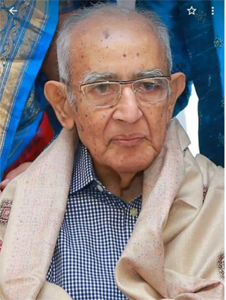
Hyderabad (India) is known for several things right from its jewels to its food. Little does anyone know that one of the most remarkable revolutions in the Indian poultry industry also began here. With the introduction of automated poultry mechanisms of the West and an imagination of a greater scope for the industry, Shaik Imam Saab stands as a legend in the poultry industry of India.
Born on 22nd February 1930, Shaik Imam Saab finished his schooling at Nampally Government High School and went on to pursue a BSc in Chemistry at Nizam College. Though he initially pursued pharmacy, his interests lay in manufacturing and the industry, which led him to shift to Microbiology. As the only Indian studying at this University in Nebraska, Shaik Imam Saab moved to America in 1948 to pursue microbiology.
Shaik Saab fondly remembers his stay in America as probably the best part of his life. Being the only Indian in the University during his studies, he attracted curiosity among his American friends, some of whom also became family. One such exceptional friendship was with Prof Dick Earl, who was in the Poultry Department at the Agricultural College of the University. The Prof was also a consultant at a poultry company and had his own farm. His was the first automated farm that Shaik Saab had seen – Verdant, with no human beings and fully automated. This inspired him to think of something similar in the Indian context.
After his studies in the University, Shaik Saab worked with the Health Department of the Municipality of Nebraska. He was also invited to continue to work in America but Shaik Saab wanted to come back to India. After frequent visits to Prof Earl’s farm, he began to get a better understanding of the farm and the knowledge of an organizational setup. When he told the Prof that he was interested in working on a similar set up in India, he asked him how he would manage the feed. Shaik Saab was bewildered with that question and asked, “What is feed?”
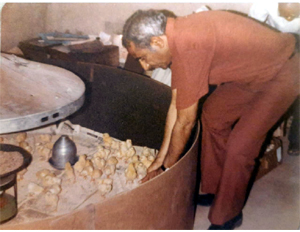
Incidentally, the first thing Shaik Imam Saab started working on when he came back to India in 1962 was set up Hyfed Feeds, the first formulated feed company in India. He initially received training and literature from the Technical Cooperation Mission, a scheme that came to India in 1962. The poultry experts under the TCM scheme helped him with the development of the feeder, health care, drinking facility and other equipment to make and mix feed. He also made strong relationships with Dr. Moor and Dr. B.V. Rao, who contributed to his growth in his pursuits in the poultry industry. When Shaik Saab started Hyfed Feeds, the farmers were the first ones who were immensely benefited and became permanent customers. Meanwhile, Godrej and Hindustan Lever also started feed companies but they couldn’t manage to get entry into Andhra Pradesh. This was the period when the poultry industry in the country was beginning to make visible changes.
Hyfed Feed was fully functional till 1967 and simultaneously, around 1966 Shaik Saab began doing trials with birds. By 1967, he set up the first Hyline franchise in India and Hyfed Feeds was replaced by Hyfed Hatchery, with the first batch of 500 birds. He had the biggest franchise of Hyline birds till 1972, after which the company left India. However, by 1971, Shaik Saab built his own hatchery on 10 acres land in Malakpet, which began with two incubators and grew steadily for over ten years. His wife Mrs Jamila Banu and his brother Vikaruddin Saab were instrumental in building and nurturing the hatchery. Dr Sitarama Rao, a retired Veterinarian, joined him and had contributed immensely to the hatchery.
Kasila Farms Ltd started in 1981 in collaboration with Hubbard Farms (U.S.A.)
By 1981, he began basic breeding of Hubbard Pureline birds under the Banner of KASILA FARMS PVT LTD., and had the exclusive franchise for Hubbard in India. He started HORIZON FARMS PVT LTD., a parent farm in Mambapur in the year 1985 and tutored his eldest son Mr. Khalid Imam in it. He also started Lohmann Pureline Layer (LSL) breeding unit at Vikarabad under the name of Select Breeders Ltd. in the year 1989-90 for which Mr. Ajaz Imam was incharge of it. He guided Mr. Sajid Imam to start (SPF) Specific Pathogen Free Eggs production in the year 1994 at Kandlapally village, Vikarabad and floated Select Biologicals Pvt Ltd. He had a keen interest in exports which led him to establish Kasila Farms in Sharjah and it was taken care by his youngest son Mr. Ilyas Imam which exported upto 12 countries. By 1992, Shaik Saab developed his own breed Hubchix.
With Dr.Jim Ranson (Hubbard Farms)
Shaik Saab’s contribution to the poultry industry in India, whether it was mechanizing farms, introducing better bird lines or opening up markets, reflects in the status of the industry as the fastest growing sector in agriculture. Over the years, his friends and colleagues became family and his family, especially his wife and brothers, supported his work in the industry with much care. He has also received exceeding support from the Government in all his initiatives and has maintained healthy cooperation with the state.
Later in the year 2017, he was awarded ‘The Living Legend’ award for his contribution to the Poultry Industry globally.
This living legend has left us all in void on the 14th of April 2021.
The above inputs are framed and given to us by Mrs. Surekha Venugopal (Founder – SV Marketing) who initially joined as a personal secretary to Shaik Saab and was elevated to higher designations in various sectors. Here is what she has to say about him.
Surekha: Shaik Imam Sir was my first boss and there never existed an employee – employer bond between the two of us. The reason behind me considering him as my fatherly figure is that I have lost my father at a very early stage and never got to be guided. The feeling was mutual for us. He never missed an event unattended. From my wedding to my children’s birthday parties which were all small scale, he would show up with a big smile and with the entire family. He taught us the values.
I’m personally very blessed to be under his guidance. He has nurtured and groomed me to be the person I am today in front of you all.
He was a true example of simplicity and diversity which very fondly reminds me of him driving his car to work until the age of 88. He never believed in awards and recognition which is one of the reasons he never received any until the age of 87. This award (‘The Living Legend’) was accepted by him with the greatest effort put across by his oldest son Mr. Khalid Imam. It took us a lot of convincing to see him up on the stage on that day. I cannot stop quoting examples of him, his simplicity and humbleness.
Today, I stand straight and look up to him every single day of my life thanking him in every step I take. He is not just a role model for me, but for my children too, who fondly called him – Shaik Tatha.
Will always move forward in life with all the life lessons learnt from you Sir. We all miss you and this is not a final goodbye. YOU WILL ALWAYS LIVE IN OUR HEARTS FOREVER AND EVER.
The information gathered is put up here to the best of my knowledge and ability. Please consider my sincere apologies if I have failed to add a few points or if there is any disparity in his life story.
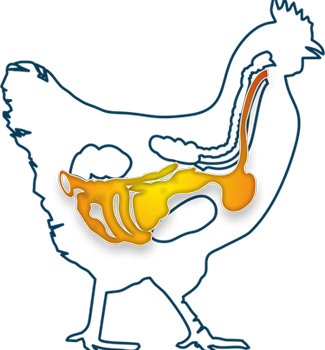
A healthy chicken gut is essential for optimum digestibility, maximum nutrient absorption, immunity development and disease resistance. Disruption of gut integrity and imbalance of gut microbiota may have negative effects on feed conversion, productivity, and health of chicken.
Dr. Anjan Mondal, Senior Technical Manager, Novus International, Inc.
For the last few decades in poultry production, antibiotic growth promoters (AGPs) have been widely used in poultry diets to promote growth, improve feed efficiency and control dysbacteriosis and enteric diseases. Unfortunately, the extensive use of antibiotic growth promoters at subtherapeutic doses in poultry diets has the possibility to generate antibiotic resistant pathogens in animal products. Antibiotic-free poultry production is a common trend worldwide because the use of antibiotics has been banned by governments in many countries and due to increasing concerns about antibiotic resistance. These circumstances have ensured a search for alternative strategies to modulate gut development and health in poultry.
Strategies to modulate gut health in antibiotic-free poultry production
Feed quality
Optimum nutrient digestion and absorption depends on high quality feed ingredients.
Feed particle size is very important for gizzard development. A well-developed gizzard is essential to enhance grinding activity, leading to not only increased gut motility and greater digestion of nutrients, but also to greater reduction in particle size entering the small intestine, ultimately increasing the accessibility of the feed to digestive enzymes. Poor pellet quality and excess fine particles can reduce gizzard function which can increase the incidence of feed passage (undigested feed in the animal’s waste) and dysbacteriosis or microbial imbalance.
High levels of antinutritional factors in the feed could lead to poor digestibility, resulting in more undigested protein in the intestinal lumen. The presence of undigested protein in the lumen favors the proliferation of pathogenic bacteria, such as Clostridium perfringens. Supplementing the diet with good quality exogenous protease enzyme has been shown to considerably improve protein digestibility.
High concentrations of trypsin inhibitors in diets have a negative effect on nutrient digestibility and gut health. Trypsin inhibitors are directly correlated with rapid feed passage and dysbacteriosis. Thermal processing of soybean meal is critical because negative effects from undercooked and overcooked soybean meal on digestion have been cited. Undercooked soybean meal has higher concentrations of trypsin inhibitors whereas overcooking decreases digestibility of the proteins. Inclusion of a good quality protease in the diet can reduce the impact of trypsin inhibitors on digestion.
Coarser particle size of soybean meal, close to 700-900 µm, favors higher digestion of soybean protein and minimizes the negative effects of antitrypsin factors.
A high content of soluble non-starch polysaccharides (NSPs) in the feed can increase viscosity in the gut, decreasing the passage rate of feed in the stomach (digesta). This leads to decreased absorption of digesta and increased incidence of wet droppings. The addition of an exogenous NSP enzyme in feed can considerably decrease NSP levels and reduce the risk of bacterial enteritis.
Mycotoxins can alter the normal gut functions, such as barrier function and nutrient absorption. Where feed storage is concerned, control measures need to be implemented to minimize grain damage and conditions that could increase mold and insect spoilage. Adding a broad-spectrum mycotoxin binder to the diet can reduce the adverse effect of mycotoxins on poultry health.
Rancid oils and fats should be rejected since they have been shown as a path to enteric diseases. Proper storage conditions in tanks and transportation lines should be evaluated frequently to control rancidity development within the feed mill. Additionally, the use of antioxidants in feed can reduce oxidation and thereby reduce rancidity.
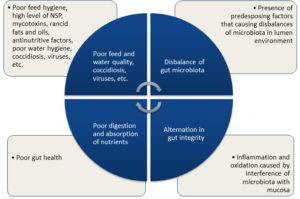
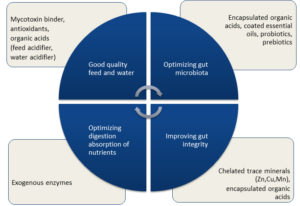
Certain feed ingredients and additives have been shown to modulate gut microbiota and the immune system in poultry. Those dietary factors should be considered when formulating broiler diets (Figs 1 & 2). Several classes of feed additives have been proposed and evaluated in poultry preproduction, including organic acids, essential oils, probiotics, prebiotics, enzymes, and trace minerals. These feed supplements are used as an alternative to antibiotic growth promoters to modulate gut microbiota and enhance gut integrity for better growth, feed efficiency and improved bird health (Fig 2).
Fig.1 The vicious cycle of poor gut healthFig.2 Nutritional strategies to improve gut health in antibiotic free production
Water quality
Water is the most important nutrient for poultry and is involved in every physiological process of a bird. Water is also a medium that can transport bacterial, viral and protozoan infections in poultry houses. Unfortunately, the importance of water quality is usually overlooked. Water quality is essential for proper digestion, so its physicochemical characteristics should be measured, controlled and improved on the farm.
The water’s pH is an important factor that can influence microbial populations in water and in the animal’s gut, thus maintaining microbiota balance in the lumen environment. The ideal water pH for poultry should be between 5 and 7, because alkaline pH (that above 7) is shown to reduce the activity of digestive enzymes. Studies show that birds can tolerate a low pH of 3.5. Drinking water with carbonates and other salts that increase the alkalinity and hardness can cause problems. Hardness and alkaline pH of water create an environment for biofilm and endotoxins to thrive in the water tank, pipeline, and drinker due to the proliferation of algae and microbes.
Conclusion
To better optimize poultry digestibility and performance in antibiotic-free production, there is a need to develop cost effective alternative strategies that manipulate gut microbiota. Several feed additives including organic acids, essential oils, probiotics, prebiotics, exogenous enzymes, and trace minerals have been successfully used for better gut health and efficient production performance in poultry. Combinations of these various alternatives with proper farm management and biosecurity measures are the key to maximizing poultry performance in this antibiotic free era.
References available upon request.
This article has been originally published by FeedNavigator.com, for more details contact : reena.rani@novusint.com
Due to covid restrictions around the world, IDMA AND VICTAM 2021 event for May 27-29, 2021 has now been postponed and will be now be rescheduled. The new dates are yet to be announced.
Official Announcement:
Dear IDMA AND VICTAM 2021 Exhibitors and Visitors,
Due to covid restrictions around the world, with regret, we would like to inform you that the IDMA AND VICTAM 2021 event for May 27-29, 2021 has been postponed and will be rescheduled.
The decision to postpone the event was requested by our valuable associations that support IDMA AND VICTAM, exhibitors and visitors.
We will inform you with new dates as soon as possible. However, we would like to thank our business partners, associations, exhibitors and visitors for their support and cooperation in this challenging time. We believe that in the upcoming days, the circumstances for such events will be more fruitful and productive for our participants.
We trust that we will overcome the challenges of this pandemic situation together. Your health and safety is our priorty and in this regard we would like to emphasize that our decision to reschedule the fair is to have a successful fair in the future. We thank you for your support and understanding.
IDMA AND VICTAM TEAM
Sebas van den Ende
General Manager
VICTAM Corporation
Synopsis: The article suggests how essential oils possess natural antimicrobial properties and can be adopted in disinfection activities, without possessing any negative and toxic side effects.
For poultry flock owners, disease prevention is essential. Basic disease prevention rules in a poultry operation, regardless of size, are:
Adopt proper biosecurity plan or strategy
Provide a balanced diet in each stage of bird’s life and fresh clean water to reduce stress.
Practice good management with an all-in-all-out replacement program.
Provide a good disinfection program
Disinfection: Prerequisite for effective biosecurity plan
The risk posed by disease inflicting organisms may be a constant challenge for birds. Instead of trusting visual cleanliness, using effective management measures effectively combats this challenge. A surface that appears clean isn’t essentially disease-free, therefore could also be a failure to the bird’s management program.
Hygiene and disinfection play a major role in any effective disease control program for poultry production premises as they provide a safe pathogen-free environment with low microbial load to avoid disease conditions in farms, sheds, poultry houses, hatcheries, animal barns, machinery, feeders & drinkers, and working surfaces. Cleaning refers to the physical act of removing organic matter and solid debris (dirt, grease, feces, body fluids, etc.) and must always precede disinfection. It increases penetration and guarantees high-quality disinfection.
How proper disinfection can be achieved???
Proper planning should be paramount step: Any good poultry house cleaning a1nd disinfection program should start with a plan, detailed date and time, along with the labor and equipment needed, should be established prior to disinfection activity.
Control insects and pest: Wearing appropriate protective equipment, the poultry house interior should be sprayed with a locally recommended insecticide as soon as the flock is removed and while the house is still warm. A second treatment with insecticide should be completed before fumigation.
Dust that harbors pathogens should be removed: Dust and cobwebs should be from interior surfaces and equipment.
Pre-spray : Again, wearing appropriate protective equipment, detergent solution should be spayed throughout the broiler house interior to dampen any remaining dust. In open-sided poultry houses, the curtains should be closed first.
All equipment should be removed from the house and raise automatic feeders and drinkers.
Remove and dispose of litter: Litter must be removed to a distance of at least 3.2 km (2 miles) and disposed of in accordance with government regulations.
Wash and clean house thoroughly: Use a pressure washer with a foam detergent. Ensure the detergent is compatible with the disinfectant to be used. Rinse with hot water.
Choosing the right disinfectant plays a vital role
A disinfectant’s effectiveness at destroying varied pathogens depends on its chemical composition, it’s mode of action and type of organism.
Now, the next question that arises is what characteristics should an effective disinfectant possess? For choosing right disinfectant one must consider it’s:
Efficacy
Cost
Residual activity
Activity with organic matter present
Solubility
Contact time
Toxicity
Effects on fabrics and metal surfaces
Temperature
Activity with soap
Cons of chemical disinfectants
Disinfection is important for clearing or transferring microorganisms, furthermore, acting as a barrier to microorganism’s transmission from animals to humans or contrariwise. Chemical disinfectants, on the opposite hand, considering their multifarious role and activity, have their own set of limitations. Alcohol, Cl compounds, formaldehydes, and different chemicals might irritate the skin and cause allergic eczema. They are sometimes poisonous, corrosive, form residue and are incompatible with plastic or steel feeding troughs. What is more, the application of chemical disinfectants in indiscriminate and unmonitored manner might lead to the unfold of microorganism resistance amongst environmental contaminants.
Why call for natural disinfection???
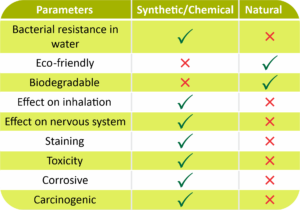
Comparison Table: Synthetic/ Chemical versus Natural
Given the drawbacks of disinfection with chemicals, a study was planned to assess the potential of an herbal disinfection that is equally effective as chemical agents but is fully safe to use, offers long-term disinfection, and is completely environmentally friendly due to its biodegradable nature.
Material and Methods
The present study was undertaken to evaluate the disinfection potential of a herbal biodegradable disinfectant. The environmental contaminants were exposed to NBD-99 to assess its effectiveness. Proper SOP was followed in order to test the antimicrobial action of the combination of essential oil, the disinfectant efficacy test. The subculture of Streptococcus, Enterococcus, Pseudomonas aeruginosa, Vibrio, Bacillus subtilis and Aspergillus were taken from stalk culture on media plates and challenged with the herbal disinfectant. The tests were performed as per guidelines of USP-37. The incubation temperature used 30-35◦C for bacterial cultures for 24 hours and 20-25◦C for 48 hours for fungal cultures.
Results and Discussion
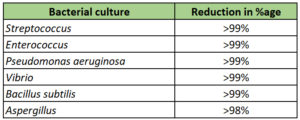
The efficacy of green disinfectant against bacterial and fungal cultures is shown in Table 1. By using a green disinfectant there is >99% reduction in bacterial colonies of Streptococcus, Enterococcus, Pseudomonas aeruginosa, Vibrio & Bacillus subtilis while significant reduction of about >98% is observed against Aspergillus.
Table 1: Efficacy of Green disinfectant against Bacterial and Fungal cultures
The constituents of green disinfectant such as Thyme, Pine and Eucalyptus oils are known for their antimicrobial effects (Tariq S et al., 2019; Dhakad AK et al.,2018; Chouhan S et al.,2017; Bachir and Benali,2012). Infact, in vitro disinfectant activity of essential oils against broad range of microbial, fungal, and viral species has been well studied and demonstrated (Cáceres, M et al.,2020; Brochot, A et al., 2017; Prabuseenivasan S et al.,2006.)
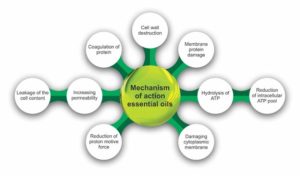
The antimicrobial activity of disinfectants can be attributed to its power of growth inhibition. The effectiveness of this essential oil-based disinfectant can be attributed to the actives present in essential oils which acted synergistically to destabilize the cell membrane, increased cell permeability as well as inhibited bacterial cell division (de Aguiar et al.2018; Swamy et al.,2016; Nazzaro et al., 2013; Celikel and Kavas, 2008; Martinez & Baquero,2000).
Swamy et al., (2016) specified the mode of action and mentioned that essential oils disrupt the cell membrane of the targeted pathogens by increasing membrane permeability, inducing leakage of vital intracellular constituents, and interrupting the cellular metabolism and enzyme kinetics of the targeted pathogens.
An acceptable activity of essential oils against gram‐positive and gram‐negative bacteria has been observed by de Aguiar et al. (2018).
The antifungal effect of the liquid disinfectant may be justified by the action of its actives, which inhibited fungal growth and spore formation and destabilized the cell organelle causing cell lysis (Tariq S et al.,2019). The antiviral effect of the disinfectant may be due to of inhibition of viral protein translation as well. Bansod and Rai (2008) in their study justified the use of mixed essential oils in case of mycotic infections. Similarly, disinfecting activity of the tea tree essential oil showed effective inactivation of captured fungal and bacterial aerosol on the filter surface (Huang et al. 2010; Pyankov et al. 2008). In yet another study, Pyankov et al., (2012) concluded that essential oils could be successfully used as effective disinfectant in bio-aerosol filtration applications.
The green disinfectant results may be correlated to the findings of Hendry et al., (2012) who demonstrated that essential oil formulations possess antimicrobial efficacy for potential disinfection and elimination of microbial biofilms from hard surfaces. They further suggested that, essential oils may be a useful adjunct to current infection control strategies. Besides this, according to a recent research result, the disinfectant spray made of the α-Terpineol effected the skin for 1 minutes could kill 99.996% Staphylococcus aureus, 99.998% Pseudomonas aeruginosa, 100% Escherichia coli and 100% Candida albicans. Exposure of same spray for 2 minutes on the skin could kill the 98.46% bacteria. (Center, B., & Cleaning, P. 2020).
Conclusion
Novel concept of green disinfection, using essential oil-based disinfectant has a great potential in the field of decontaminants and can be potential product to enhance biosecurity procedures. The green disinfectant is the ecofriendly alternative approach, which is non-toxic, non-corrosive and readily usable on nonporous hard surfaces as well as farm organic material. It not only has broad spectrum antimicrobial activity but also has anti-stress activity.
References
1) Cáceres, M., Hidalgo, W., Stashenko, E., Torres, R., & Ortiz, C. (2020). Essential Oils of Aromatic Plants with Antibacterial, Anti-Biofilm and Anti-Quorum Sensing Activities against Pathogenic Bacteria. Antibiotics (Basel, Switzerland), 9(4), 147.
2) Bachir RG, and Benali M. (2012) Antibacterial activity of the essential oils from the leaves of Eucalyptus globulus against Escherichia coli and Staphylococcus aureus. Asian Pac J Trop Biomed.2(9):739‐742. doi:10.1016/S2221-1691(12)60220-2
3) de Aguiar, F. C., Solarte, A. L., Tarradas, C., Luque, I., Maldonado, A., Galán-Relaño, Á., & Huerta, B. (2018). Antimicrobial activity of selected essential oils against Streptococcus suis isolated from pigs. MicrobiologyOpen, 7(6), e00613. https://doi.org/10.1002/mbo3.613
4) Martinez, J. L., & Baquero, F. (2000). Mutation frequencies and antibiotic resistance. Antimicrobial Agents and Chemotherapy, 44, 1771–1777. 10.1128/AAC.44.7.1771-1777.2000
5) Prabuseenivasan, S., Jayakumar, M., & Ignacimuthu, S. (2006). In vitro antibacterial activity of some plant essential oils. BMC complementary and alternative medicine, 6, 39. https://doi.org/10.1186/1472-6882-6-39
6) Pyankov, O. V., Pyankova, O. and Agranovski, I. E. (2012). Inactivation of Airborne Influenza Virus in the Ambient Air. J. Aerosol. Sci., 53: 21–28.
7) Tariq S, Wani S, Rasool W, et al. (2019) A comprehensive review of the antibacterial, antifungal and antiviral potential of essential oils and their chemical constituents against drug-resistant microbial pathogens. Microb Pathog.134:103580.
Synopsis: Covenants are part of any contract including employment contract. They are aimed to safeguard the strategic assets of the organization. Though covenants are common in employment contracts, only a fraction of companies are able to enforce them or initiate legal action in case of a breach. This article speaks about types of covenants in employment contract and what measures could companies take so that they could enforce.
Recently I came across a client who was insisting on a bond to be signed by new joinees which required them to serve for min 3 years from joining else pay six months salary. This too came as a surprise to the candidates and me. Several candidates backed off and hiring was made more difficult. This made me think about the usefulness of these covenants in employee contracts. Would like to address the issues as to how to manage them and make use of them in a most constructive manner.
What are covenants
Covenants are written promises between two parties that requires them to adhere to some commitments . They are widely used not only in employee contracts but also in financial industry, Mergers, acquisitions etc. Focus of this article would be on the covenants in employee contracts. These covenants are of two types. They are.
Affirmative covenants – They require the employee to do something and mostly apply to the period they are in service with the company. An example is requiring the employee to serve the organization for a minimum period and pay a sum in case of breach
Negative or Restrictive covenants – They are just the opposite of affirmative covenants where they require the employee not to do something. They may apply during the period of employment or for specific duration even after the employment. Example is a non-compete agreement
One of the primary objectives of these covenants is to safeguard the business interest of the organization and larger interests of the stake holders (including employees). For instance, every organization invests lot of time and resources in hiring, training and developing employees and for them to achieve a reasonable return on investment, the employee may need to work for a minimum duration. Every organization has key trade secrets, information like clients list, pricing which could cause significant disruption if it is leaked to a competitor. There can be little doubt that these covenants are indeed required. Question is are they serving the purpose? Are they being utilized to fullest? Are there some other ways that could help organizations manage risks?
What is the Problem?
I am not a lawyer and am not planning to go in depth into of legality of these covenants. In my experience I have found issues in two areas;
The content. How is it worded. Is it reasonable so that it serves the purpose?
The Intent. Is it implemented in letter and spirit?
On the content, several organizations believe that if they make it more stringent, the safer they are. But the biggest test for any covenant is it must be fair and reasonable. It should not be curtailing the constitutional freedom of the employee. For instance, in the above cited example of a retention clause of 3 years else 6 months’ salary to be paid by the employee, would the organization be able to substantiate that indeed they invested so much on this employee on his/her development? What is the rationale for a 3-year period? Similarly, some organizations bar employees from taking up any job with competitors upto 5 years from the date of leaving their current employment. Is this not curtailing the right of the employee to pursue any legal profession of his/her choice? The issue with writing this type of contract is it makes it impossible to enforce. Once you are unable to enforce it becomes just a piece of paper.
Coming to the intent, it is an irony that organizations having a strong non-compete agreements tend to hire talents from their competitors who too have similar non-compete covenants. Does it mean these rules apply only to those employees who choose to pursue their career elsewhere? If an employee who is leaving is barred from taking up any position with any other organization in the same industry for a specified period, are there provisions for adequate compensation for the employee so that they could sustain their livelihood. On several occasions, organizations go after an ex-employee citing confidentiality agreement simply to cause embarrassment to them. They need to carefully define what type of information is confidential. Often, we fail to recognize that most of these so-called confidential data is already available to others just like how we get “market intelligence ” about other organizations. When a senior leader leaves an organization, it is not uncommon to see his team too joining the newer organization with him and they create an alumni group. All these actions spell out our intentions on how we approach these covenants that makes them just another sheet of signed document.
What could we do?
Based on my experience, I would suggest few measures that could make these covenants enforceable.
Make them fair and reasonable. Don’t be too harsh or unrealistic
Train and communicate – Please take time to train your employees on these covenants and preferably with relevant examples. When there is a revision, they should be informed in advance and their consent obtained. Consider periodic re training to help in retention
Set example – The senior management team has the responsibility of leading by example. If you insist on non-compete, non-solicitation please hire from your competitors only after ensuring that those recruits are not in breach of those agreements that they have signed. If you insist on current employees serving the entire notice period, do not hire new recruits by offering to buy out their notice period
Initiate firm and decisive action in all deserving cases. It takes significant time and resources in initiating corrective action on erring employees. You may need to commit these resources to take the case to its logical end. Else it will lose its seriousness.
Engage your employees – Listen to your employees and learn to manage their aspirations. Any employee looks for opportunities outside the organization only when he/she believes such an opportunity does not exist in the current organization.
Hire smart – Look for motivational fit and cultural fit apart from job fit. You need to make it attractive for applicants to join you despite having these covenants. This requires you to build your brand in the market.
Manage your confidential information by obtaining patents, trade marks, copy right. Provide access only those who require it and have robust IT security infrastructure.
Vision and Values matter – Please live your values every day. Celebrate instances where you see someone has set an example. Institutionalize these values by sharing with all employees with real life employees. Like how you reward them for performance, reward them for living values.
Conclusion – A mere agreement might not be sufficient, and it must be ring-fenced with factors like being fair, transparent communication, leading by example and being assertive when needed. You can’t be assured of employee retention just because your employees have signed an agreement to serve for x number of years. I am reminded of a saying by the great Persian Poet Rumi which goes like this ” Everything that is made beautiful and fair and lovely is made for the eye of one who sees”, apt summary.
Please let me know what you think about this issue by writing to me at npattabiraman@gmail.com.
About the author:
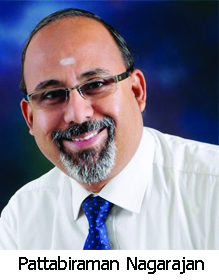
Mr. Pattabiraman Nagarajan is a HR professional, Consultant, trainer and an ICF certified coach. Has managed organization change and aligned HR practices to ensure business growth. He holds master degree in Social work and a PG diploma in Business management from IIM Trichy. He could be reached at npattabiraman@relyonus.in.
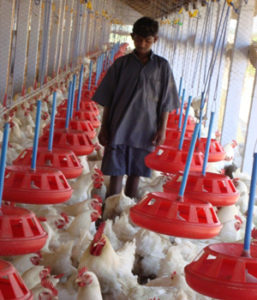
Its April and summer heat has started. For broiler farmers in India, summer management of poultry is all about Fans, Foggers, Sprinklers, Curtain management, Space management, feeding time, Feeder lifting, Electrolyte supplementation, Mortality control etc. Ambient temperature for rearing birds is 24 to 26°C. Temperature above that gradually induces stress. Intensity of stress increases proportionately with increase in temperature. Gastrointestinal tract (GIT) weight, activity including enzyme secretion, enzymatic activity, nutrient absorptive surface area and villi dimensions are reduced significantly due to intense heat stress. According to studies done, body weight is reduced by approximately 15-20 % with an increase in 10°C than ambient temperature. Also, there is 5 % reduction in feed intake for every 1°C rise in temperature between 32-38°C.
Apart from managing the house temperature, there is also a requirement to make changes in the nutrition and formulation of birds for summers. In this article, we will be covering different practical changes in feed formulation for broiler diets in summer.
Increase DAA levels of diets
Bird utilizes much more amino acids during heat stress. Supplementation of good quality protein rich raw materials with higher digestibility is required in summers. Ideal protein formulation with digestible amino acid levels suits perfectly for summers. For summers, the digestible amino acid levels need to be increased 3-5%. Cost of this addition can be minimized either by use of cost effective local available ingredients or by including a Multi-Protease in the diets. Cost of Multi-Protease can be easily adjusted by considering 0.2% CP or 1% DAA matrix. Incorporation of good Multi-Protease enzyme is most ideal to reduce amino acid variability, protein wastage, litter ammonia and stress. It will balance all essential amino acids, optimize performance, and reduce cost of production.
Apart from this, deficiency of arginine and lysine increases heat load which must be taken care of in feed formulations. Additional fortification of Lysine, Methionine, Lysine to Arginine ratio will ensure better breast meat yield in summer stress. Arginine, Tryptophan, Valine and Glutamine are known for their direct/ indirect response to immunomodulation and feed intake.
Formulation Tips
Increase Digestible Amino Acid levels of diet by 3-5%
Use either protein ingredients to increase amino acids or Multi-Protease
Multi-Protease is cost effective way to optimize Amino acids without change in diet
Breakeven point of Multi-Protease comes at 1% DAA or 0.2% CP replacement
Lysine, Methionine, Arginine, Tryptophan, Valine and Glutamine levels are important
Increase AME of diet
During summer feed intake will drop due to stress and limited feeding hours. To compensate nutrient requirement, it is suggested to increase the AME of diets by 40-50 Kcal/kg. And this increment is suggested to be provided through fat/oil. Increasing fat levels in diet generally reduces digesta passage time and optimizes absorption of nutrients. Fat metabolism also has the lowest heat increment ensuring body cooling effects. Good quality fat and oil also enhance palatability and optimizes finished feed energy levels. If Me is enhanced by use of grains and oil seed meal, it’s better to make sure Non-Starch Polysaccharides levels are within limits. These Anti-nutritional factors increase gut viscosity and may result in feed passage. If these levels are high use of a good thermostable Xylanase, Beta-Glucanase, Mannanase, Cellulase and Amylase can help.
Formulation Tips
Increase AME of diet through oil by 40-50 kcal/kg
Use good quality oil with Antioxidants and Emulsifier
Select oil based on Lipid Evaluation Test (MIU, FFA, PV, FA Profile and AME calculation)
Use thermostable Multi-NSP enzymes if ME is increased through grains and oilseeds
Dietary Electrolyte Balance (DEB) Impact
DEB is calculated as (% of Na/ 23 + % of K/39.1 – % of Cl/35.5) * 10,000 Where 23, 39.1 & 35.5 denotes atomic weight of each Na, K & Cl electrolytes respectively and 10,000 is the multiplication factor. We have observed a severe bicarbonate ion (NaHCO3) loss during summer stress & respiratory alkalosis. Increase of NaHCO3 in diets are recommended to control the loss and reduce stress. Keeping optimum DEB in summer is essential for better feed intake, day gain, feed conversion ratio (FCR), osmotic balance and effective evaporative cooling of body to relieve stress. Increased DEB by 10 to 15% in summer is recommended than winter. Use of potassium chloride (KCl), ammonium chloride (NH4Cl), NaHCO3 along with regularly used NaCl will help in attaining desired levels of DEB. Practically, the DEB levels are kept more than 220 during summers. Na comes in diet from Salt, Soda bicarbonate, MBM, Fish meal and K comes from Soya and other salts. In a well-balanced diet with high soya and MBM DEB is never a challenge. Challenge comes when lots of alternates are added which is also less digestible.
Formulation Tips
Keep DEB levels over 220 in summer
Increase DEB with Salt, Soda bicarbonate, Potassium Chloride addition
DEB is higher for high Soya based diet
If alternate ingredients are used more add salts to balance DEB
Addition of electrolytes through water can also help in temporary basis
Other Additives
There are some additives which have a significant role to play under heat stress. These additives can assure you a high ROI and are worth including in feed. Other essential additive levels need to be increased based on feed consumption. All Vitamin and Mineral levels need to be increased by 10-20% during summer stress so that even if bird consumes less feed, these essential nutrient levels are maintained in birds. Storage of vitamins, enzymes, and probiotics in a cooler place of feed mill avoids the efficacy loss due to environmental extremities.
Inclusion of Vitamin C and Vitamin E at a level of 100-200 ppm is recommended for stress relief and immunity. Similarly, minerals like Manganese (Mn), selenium (Se) and zinc (Zn) plays key role in improving immunity. Supplementation with Vitamin D3 is useful during summer stress to fulfil any deficit of calcium absorption and for better bone mineralization. Choline chloride dosage may be increased during summer stress to ensure effective utilization of fat & nutrients, prevent fatty liver & partial methyl donor effects. Addition of betaine that acts as a methyl donor and maintain osmotic balance of body will be useful as an on-top application during intense summer stress. Some anti-coccidial decrease tolerance to heat and some depresses water intake. These should be avoided for summers. Nicarbazine and Monensin are not suggested to use. Other additives which always aids are immunomodulators, emulsifiers, probiotics, gut health promotors, broad spectrum toxin binders and enzymes.
Formulation Tips
Increase Vitamin and Mineral levels by 10-20%
Vitamin C, Vitamin E, Vitamin D3, Choline and Betaine inclusion is beneficial
Anticoccidials Nicarbazine and Monensin needs to be avoided
Storage of additives needs to be done at a cooler place
Immunomodulators, probiotics, enzymes, emulsifiers, broad spectrum toxin binders etc. are always helpful
For references, questions and feedback write to Novel Life Consultants, Bangalore. Email id is novellife.bangalore@gmail.com and contact no Landline 080-41326221 Mob- 96113-37444
(This article is a work of Novel Life Consultant and is for public information purpose only. This has been written to share knowledge on poultry nutrition and is not a legal information or statement. Reference to any specific product or entity doesn’t constitute an endorsement or recommendation by the company. The views expressed by the writer are their own and their appearance does not imply an endorsement of them or any entity they represent.)
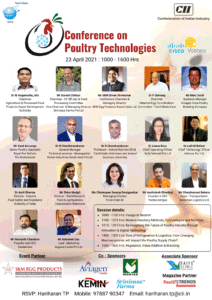
CII TNTDPC is organizing a “Conference on Poultry Technologies” with the focus on poultry industry, poultry technologies and business.
The conference attempts to bring an in-depth knowledge of the existing scenario in the poultry processing industry and the emerging trends and technologies for the Indian poultry sector. This forum would pave a way for Industry collaboration by means of technology transfer, adoption of automation and innovative & new product development which will shape the future of the poultry and chicken processing sector both domestically and internationally.
Conference Objectives:
To disseminate an awareness on poultry processing and technologies.
To facilitate knowledge flow by working with organizations through bi-lateral/multi-lateral cooperation mechanism to know the effects of high technology on meat and poultry processing industry.
Platform to know about emerging Trends in Retailing & Branding of Poultry Products and poultry feed industries.
To establish linkages and partnerships with potential stakeholders to exchange and share their experiences in poultry industry business.
Platform for Industry and Institutes to collaborate and commercialize.
Sessions
Modern Hatchery methods, Technologies and Nutrition
Incubation and hatching / Brooding management / Performance and vitality / Commercial selection / Genetic diversity and approaches / Health and disease management
Re-imagining the future of Poultry Industry through Digital innovation
Blockchain role in traceability / AI in processing / Feed cost management / Feed conversion ratio / Feed consumption monitoring / Digital recording / Health analysis and monitoring
Role of Refrigeration & Logistics: How emerging macroeconomic will impact the poultry supply chain?
Refrigeration / Retail industry / Automation / Transport / IOT in value chain
Regulation, Value Addition and Branding
FSSAI regulation / Quality management / Brand Marketing / Value added products / Ready to Eat chicken products.
Vacancy for the Position: Assistant Sales Manager – Techno commercial (BVSc. or MVSc.) – Layer Feed Sales Job Locations: 1. Uttar Pradesh 2. West Bengal
Job Description: •Sales & Marketing of Layer Feed Sales in assigned area by management. •Achieve Sales targets as desired by organization. •Arrange technical seminars, farmer meetings in assigned areas. •Develop new layer feed dealers/sub dealers /big layer birds farmers for increasing sales volume. •Responsible for layer feed sales growth. •Day to day sales & technical reports to management. •Provide technical services, disease diagnose and treatment to layer birds. •Arrange dealers and farmers meetings related to product promotion, chicks & birds health, bio-security and farm management issues etc.
Candidate Profile: Qualification: BVSc. or MVSc., 2-5 yrs. in layer feed sales or willing to do layer feed sales. For IPMT Candidates, 7-10 yrs. of experience into layer feed sales. Male Candidate. Maximum Age: Up to 45 years. Salary is no bar for deserving candidates Good Selling, Technical & Convincing Skills.
For more information contact Solutions at Email – Info@infinitohr.com WhatsApp – 9711113348
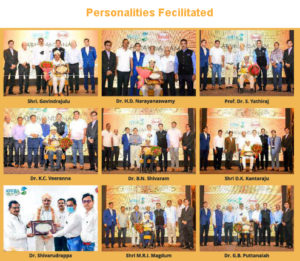
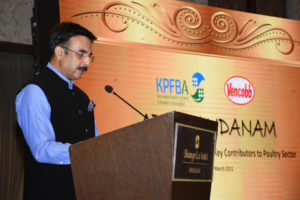
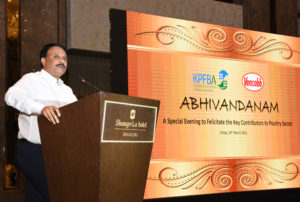
Karnataka Poultry Farmers & Breeders Association(KPFBA) felicitated nine distinguished personalities of the poultry sector in a programme called ‘Abhivandanam’, organised at Hotel Shangri-La, Bengaluru on March 19, 2021.
Announcing at the felicitation programme, Dr. Sushanth Rai said that a State-of-the-art poultry disease diagnostic lab soon in Bengaluru.
The state-of-the-art Poultry Disease Diagnostic Laboratory and R&D Centre is coming up on the campus of the Karnataka Veterinary, Animal and Fisheries Sciences University (KVAFSU) here in Bengaluru. The Centre will be a boon to Karnataka and also the country as it will be involved in pioneering research in the field of poultry sciences, according to Dr. B.Sushanth Rai, President, KPFBA.
KVAFSU had allotted a building on the campus and extended all support to set up the Centre which is going to be a historic milestone in the journey of KPFBA. The Vice Chancellor of KVAFSU, Dr. H.D.Narayanaswamy said that the R&D Centre will enormously help the poultry sector in understanding and dealing with various disease outbreaks.
The President acknowledged the efforts of Dr. G.B.Puttanaiah; Dr. Narayanswamy,Vice Chancellor, KVAFSU; Dr.Yathiraj, Member of Board, KVAFSU and Dr. K.C Veeranna, Registrar, KVAFSU in getting the Centre.
‘Unfounded rumours’
Dr. Sushanth Rai recalled how rumours regarding chicken being disease carriers spread faster than the Corona virus, resulting in the collapse of the broiler market like never before. The KPFBA and other associations in the country had to run from pillar to post not only to quell the ‘unfounded rumours’ but also restore confidence in the market and this was possible in Karnataka as several government officials supported the sector.
Dr.Sushanth Rai thanked the timely cooperation and coordination of many officials such as, Dr.Shivarudrappa; Dr. M.T Manjunath, the then Director, Dept of Animal Husbandry & Veterinary Services; Mr. Ibrahim, IAS, Principal Secretary; Dr. O.P Chowdry, IAS, Joint Secretary, Govt of India; Pawan Kumar Agarwal, IAS, Secretary, Govt of India; and Smt. Vandita Sharma IAS – Development Commissioner. He also acknowledged the Government of Karnataka’s initiative for releasing a pro-poultry advertisement in all the major dailies to remove misconceptions about chicken. He also appreciated Mr. Inayath Ulla Khan, Executive Secretary for playing active rule in delivering his duties specially during and post lockdown.
The poultry sector, he said, was fortunate to have representation in the Karnataka Legislature as well as in the Parliament. The KPFBA congratulated Mr. Ranjit Reddy and Mr. Chinnaraju, both MPs and Mr. Govindaraju, MLC.
Poultry is farming activity
Mr. Govindaraju said poultry should be treated as a farming activity and not industry. He said in Karnataka there may be nearly 30,000 poultry farmers and a couple could raise 10,000 birds earning Rs. 60,000 per month.
India has 25 veterinary colleges, but lags behind
Prof.Dr. S. Yathiraj, Member of Board, KVAFSU, and former dean of KVAFSU said there was need for introspection within the sector as India is far behind many countries in the world in terms of poultry growth. The US has about 25,000 poultry farmers and only 25 veterinary colleges but was in the second position, while India with 55 veterinary colleges and 12 veterinary universities and about 30,000 farmers in Karnataka alone was ranked way behind countries such as Argentina, Thailand etc. Poultry is the best source of protein and there is need to popularise it more and more.
Shortage of trained manpower
Dr.K.C Veerannaa, Registrar, KVAFSU said as there was shortage of trained manpower in the poultry sector there was need to expand diploma and certificate courses. Congratulating the KPFBA for mooting the lab, he hoped that it would help the small farmers.
Need to focus on marketing
Mr. M.R.I Magdum, General Manager, VHPL, who is known as ‘management guru’ in the poultry sector recalled how the late B.V.Rao took risks and introduced many new methods of poultry management. He remembered ‘how Rao sahib asked the VHPL team to experiment, innovate. Till 1982, there were no poultry birds in the cages. We introduced it and there were positive results as the quality of chicks was good. In 1986 for the first time we introduced broiler parents in to the cages. The production reached a phenomenal 87 % and in the slats system it was around 78 per cent. The credit goes to Rao sahib who said unless we take risks, there is no growth. If we have to grow, we have to focus on marketing.”
Dr. G.B Puttannaiah, Chairman of the Technical Committee of KPFBA for many years gave the background to how a decision was taken in just four meetings to set up a state-of-the-art poultry diagnostics laboratory in KVAFSU. He acknowledged the efforts of the Vice Chancellor, Dr. Narayanaswamy and Dr. Yathiraj and other other KVAFSU officials for understanding the needs of the sector and acting quickly upon it.
National Poultry Register soon
The Government of India is soon coming out with a National Poultry Register which will ensure authentic national documentation of valuable sovereign genetic resources. Documentation of indigenous breeds is expected to help in their sustainable use, improvement and preservation, according to Dr. P.S.Mahesh, Joint Commissioner, Government of India and Director of Central Poultry Development Organization and Training Institute.
He was addressing the members of KPFBA as part of the ‘Abhivandanam’ (felicitation) programme for key contributors to the poultry sector, here recently. Dr. Mahesh exhorted the members to help in the enumeration of the poultry which would commence soon. It will be designed similar to Arogya Setu app as to help in easy digital registration of poultry resources. The NPR is essential to have proper records of farmers and other players and poultry and provide necessary inputs for the organized growth of the sector, he said.
National Poultry Board on the anvil
Dr. Mahesh also mentioned that also on the anvil is setting up a National Board for Poultry similar to the Coffee Board or Tobacco Board to come up with strategies for the growth of the poultry sector. Presently, the focus is on supply management than on ‘demand development’ and cited the example of a poultry company which had used celebrity endorsements and it was making huge business post that. Poultry has the best nutrition and it was imperative to run campaigns such as ‘Dawa math khao, anda khao’ (don’t eat medicine, eat eggs).
Many eminent poultry personalities, business leaders, scientific communities, government officials, academicians and other stake holders such as Dr. Devegowda, President, IVPI; Dr.Muniyellappa, Scientist, IAH &VB , Dr. Byre Gowda, Director, IAH &VBl Dr.Raghavendra Bhat, Director, NIANP and many others graced the occasion.
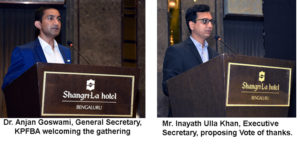
Dr. Anjan Goswami, General Secretary, KPFBA welcomed the gathering while Mr. Inayath Ulla Khan, Executive Secretary, proposed a vote of thanks.
The dignitaries honoured included: Sri. Govindaraju, MLC, Karnataka Legislative Council; Dr.Narayanaswamy, Vice Chancellor, KVAFSU; Prof.Dr. Yathiraj, Member of Board, KVAFSU; Dr.Veerannaa, Registrar, KVAFSU; Dr. B.N Shivaram, Director, Dept. of AH & VS; Sri. D.K Kantaraju, Chairman, Karnataka Cooperative Poultry Federation (KCPF); Dr.Shivarudhrappa, K.H. Managing Director, KCPF; Mr. M.R.I Magdum, General Manager, Venkateswara Hatcheries Pvt Ltd. and Dr. G.B Puttannaiah, Chairman, Tech Committee, KPFBA.







 properties and can be adopted in disinfection activities, without possessing any negative and toxic side effects.

 surprise to the candidates and me. Several candidates backed off and hiring was made more difficult. This made me think about the usefulness of these covenants in employee contracts. Would like to address the issues as to how to manage them and make use of them in a most constructive manner.

 For references, questions and feedback write to Novel Life Consultants, Bangalore. Email id is


 The state-of-the-art Poultry Disease Diagnostic Laboratory and R&D Centre is coming up on the campus of the Karnataka Veterinary, Animal and Fisheries Sciences University (KVAFSU) here in Bengaluru. The Centre will be a boon to Karnataka and also the country as it will be involved in pioneering research in the field of poultry sciences, according to Dr. B.Sushanth Rai, President, KPFBA.
 documentation of valuable sovereign genetic resources. Documentation of indigenous breeds is expected to help in their sustainable use, improvement and preservation, according to Dr. P.S.Mahesh, Joint Commissioner, Government of India and Director of Central Poultry Development Organization and Training Institute.