
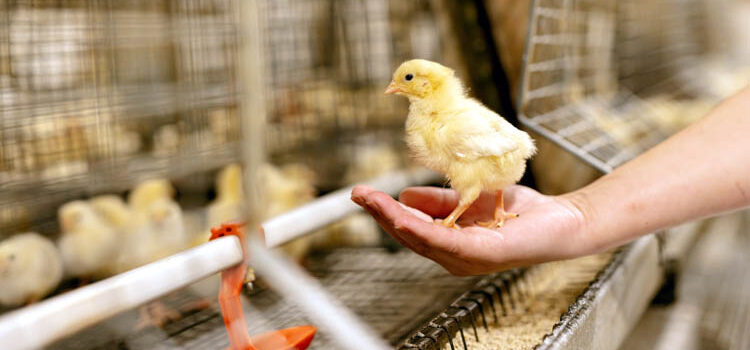
An overview of Indian Poultry Sector:

India is one of the world’s largest producers of eggs and poultry meat. The industry has grown rapidly over the past few decades due to increasing domestic demand driven by population growth, rising incomes, and changing dietary preferences. The Indian poultry industry contributes significantly to the agricultural sector, with poultry production growing extensively over the last few decades.

Dr Anjan Goswami
Dr Anjan Goswami,
Serial Entrepreneur, Researcher & Strategic Consultant
dranjangoswami@gmail.com
Mobile No: +919449871819
Linkedin

The livestock sector, which includes poultry, has witnessed a compound annual growth rate (CAGR) of 7.9% from 2014-15 to 2020-21, and its share in the total agriculture Gross Value Added (GVA) increased from 24.3% to 30.1% during the same period. In financial terms, the revenue of the Indian poultry industry surged over 30% to approximately ₹2,500 billion (US$ 31.4 billion) in FY 2022-23, reflecting strong demand and capacity utilization. These figures highlight the critical role the poultry industry plays in the broader agricultural economy, contributing to both GVA and overall economic activity in India.(Courtesy: India Brand Equity Foundation).

Impact on the Economy:

The poultry sector not only contributes significantly to India’s GDP but also provides employment to millions of people directly and indirectly. It plays a crucial role in ensuring food security and nutritional support through the provision of high-quality protein at an affordable cost. While the Indian poultry industry has made impressive strides, tapping into its full potential requires addressing existing challenges through innovative solutions, improved infrastructure, and supportive policies.

Transformation: Indian Poultry 2.0
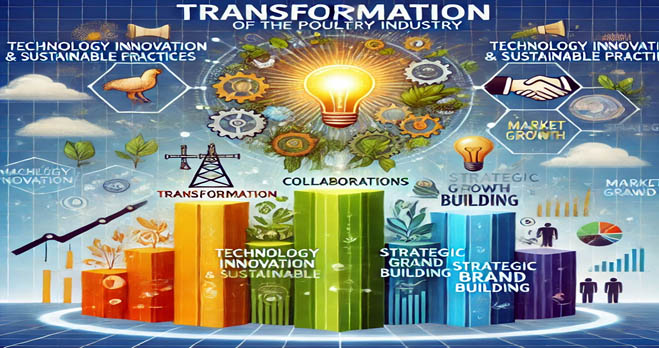
Indian Poultry 2.0

Indian Poultry 2.0 represents a significant transformation of India’s poultry sector, driven by technological advancements, changing consumer preferences, and evolving market dynamics. The shift is characterized by modernization, sustainability, and efficiency to meet both domestic and global demands.

A bird eye view on Future of Indian Poultry

  1. Technological Advancements
    • Smart Farming Techniques: The integration of technology such as IoT (Internet of Things) sensors, AI-driven analytics, and automated feeding systems streamlining farm management, ensuring better health monitoring, optimized feed usage, and improved yield.
    • Precision Farming: Technologies like drones and data analytics enabling farmers to monitor flock health, temperature control, and feed consumption in real-time, allowing for early interventions and better resource management.
  2. Sustainability and Eco-Friendly Practices
    • Waste Management: Poultry farms are increasingly adopting sustainable waste management practices, such as converting poultry waste into biogas and organic fertilizers, reducing environmental impact and creating additional revenue streams.
    • Sustainable Feed Practices: Shift towards eco-friendly and cost-effective feed alternatives, including soy substitutes, insect-based protein, and locally sourced feed ingredients, reduces dependency on expensive imports and promotes sustainability.
  3. Focus on Animal Welfare
    • Improved Living Conditions: Poultry farms are increasingly adopting humane treatment practices, ensuring larger living spaces, better ventilation, and natural growth cycles. This not only aligns with ethical standards but also improves meat quality.
    • Antibiotic-Free Poultry: With rising consumer awareness around health and food safety, there’s a growing focus on producing antibiotic-free and hormone-free poultry, catering to the health-conscious market.
  4. Value-Added Products
    • Product Diversification: Indian Poultry 2.0 is seeing an increased focus on value-added products such as ready-to-cook and pre-marinated poultry items. This caters to urban consumers seeking convenience and variety in their meals.
    • Organic and Free-Range Poultry: The rise of organic and free-range poultry products caters to a niche yet growing market segment concerned about health and ethical farming.
  5. Digital Integration
    • E-Commerce and Direct-to-Consumer Sales: Poultry producers are leveraging digital platforms and e-commerce to directly reach consumers, cutting out intermediaries and increasing profitability. Apps and online platforms offer fresh, traceable poultry products at consumers’ doorsteps.
    • Blockchain for Traceability: Transparency in the supply chain is becoming critical. Blockchain technology is enabling consumers to trace the journey of poultry products from farm to table, increasing trust and brand value.
  6. Expansion of Organized Farming
    • Integration of Small Farmers: Large organized poultry farms are increasingly collaborating with small and medium-sized farmers through contract farming, enabling better access to resources, technology, and markets while providing assured income for farmers.
    • Cluster-Based Financing: Financial institutions are promoting cluster-based financing models, allowing poultry farmers to access loans and credit, fostering infrastructure development, and encouraging growth.
  7. Health and Nutrition Focus
    • Boosting Protein Consumption: The poultry sector plays a critical role in meeting the protein needs of a growing population. Indian Poultry 2.0 is focused on promoting affordable, high-quality poultry products to improve nutrition across the country.
    • Functional Poultry Products: Poultry producers are experimenting with fortified eggs and chicken enriched with omega-3 fatty acids and vitamins to cater to the health-conscious segment.
  8. Enhanced Biosecurity Measures
    • Disease Prevention: Indian Poultry 2.0 emphasizes stringent biosecurity protocols to prevent outbreaks of avian influenza and other diseases, using vaccination programs, isolation of infected birds, and disinfecting tools to reduce risks.
    • Improved Veterinary Services: Collaborations with veterinary experts and technology-based health monitoring tools ensure that poultry health issues are addressed promptly.
  9. Government Initiatives and Policy Support
    • Policy Reforms: Government support through the National Livestock Mission and other initiatives focuses on improving infrastructure, boosting exports, and making poultry farming more profitable.
    • Subsidies and Incentives: Subsidies for technological adoption, waste management, and sustainable practices are encouraging farmers to modernize their operations and increase efficiency.
  10. Global Market Integration
    • Increased Exports: With better compliance with global standards and traceability, Indian poultry products are gaining traction in international markets, particularly in the Middle East and Southeast Asia.
    • Trade Partnerships: Strategic partnerships with global players and multinational companies are enhancing India’s presence in the global poultry market, opening up new avenues for growth.

Converting Competition to collaboration: “Coopetition”
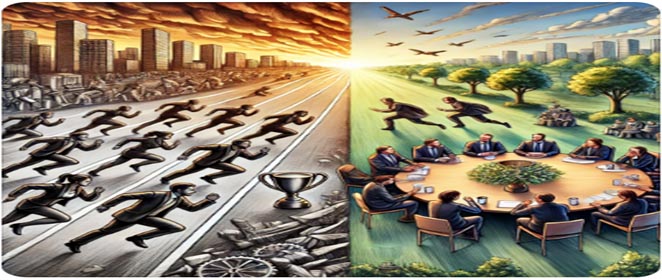
Coopetition

The shift from competition to collaboration, often referred to as “coopetition,” is a strategic transformation that can drive innovation, expand markets, and enhance efficiencies across the verticals within the poultry sector. Here are key elements that facilitate this transformation:

  1. Shared Goals and Objectives:
    Organizations with the sector identify mutual benefits that outweigh the advantages of working in isolation. By aligning goals, companies can leverage each other’s strengths to tackle bigger challenges or create larger market opportunities.
  2. Trust and Transparency
    Successful collaboration requires a foundation of trust. This means open communication, sharing of relevant information, and transparency about capabilities and intentions. Trust ensures that all parties feel secure in sharing resources and knowledge.
  3. Complementary Strengths
    Collaboration works best when each party brings unique skills or resources that complement those of others. This can be technological expertise, market access, or manufacturing capacity, allowing each participant to benefit from the strengths of others without duplicating efforts.
  4. Governance and Structure
    Clear agreements on the framework of collaboration are crucial. This includes understanding roles, responsibilities, and contributions of each party. Structured governance mechanisms help manage the partnership effectively and resolve conflicts.
  5. Legal and Ethical Considerations
    Formal agreements that outline the legal boundaries and ethical standards of the collaboration are important to protect intellectual property, ensure compliance with regulations, and define profit-sharing structures.
  6. Technology and Tools
    Investment in compatible technology and collaborative tools can enhance interaction, improve data sharing, and streamline operations across different platforms.

This strategic shift is often facilitated by external pressures such as market saturation, technological disruptions, or regulatory changes, which make collaboration more appealing or necessary. As industries and markets evolve, the ability to move from competition to collaboration can provide a significant competitive edge and drive sustainable success.

Strategic Brand Building:

Strategic brand building in the poultry sector is about establishing trust, differentiating products, and ensuring that a brand aligns with consumer values like quality, sustainability, and ethical practices. By focusing on these areas, poultry businesses can develop a strong brand that fosters customer loyalty and long-term growth.
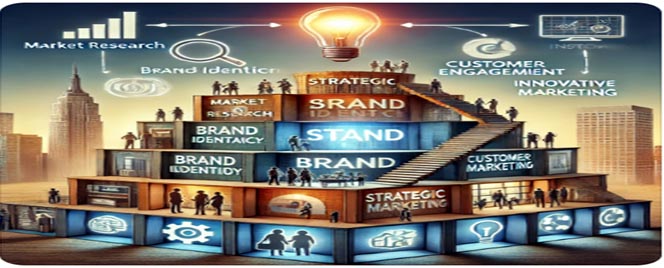
Strategic Brand Building

Here’s a structured approach to building a strong brand in the poultry industry:

  1. Defining Brand Identity
    • Core Values: Clearly define mission, vision, and values that guide a poultry business. For example, focussing on high-quality, ethically raised poultry or sustainable farming practices.
    • Brand Personality: Develop a brand personality that resonates with your target audience. This could be one of trustworthiness, innovation, or community engagement.
  2. Understanding the Target Audience: Segmentation
    • Conduct market research to understand customers’ preferences, concerns, and behaviours regarding poultry products (e.g., organic, antibiotic-free, free-range).
    • Segment the market to tailor your message (households, restaurants, retailers, etc.)
  3. Product Differentiation: Positioning
    • Quality Assurance: Establish a reputation for high-quality, safe, and nutritious poultry products. Implement certifications like organic or antibiotic-free to distinguish your products.
    • Innovation: Introduce value-added products like pre-cooked, marinated, or convenience-packaged poultry to appeal to modern consumers seeking easy-to-prepare meals.
    • Sustainability and Ethical Practices: Highlight sustainable farming methods, waste reduction, and ethical animal treatment practices. Consumers are increasingly concerned about sustainability, making this a key differentiator.
    • Build Trust through Transparency: Create trust by being transparent about your production processes. Show customers how your poultry is raised, processed, and delivered. Use packaging and marketing materials to tell this story.
  4. Marketing and Brand Communication: Targeting
    • Consistent Messaging: Ensure consistent branding and messaging across all channels—packaging, advertising, social media, website, and customer service. Focus on quality, sustainability, and trust.
    • Digital Presence: Utilize social media, blogs, and online platforms to share information about your products, engage with customers, and showcase your brand values.
    • Partnerships: Collaborate with restaurants, supermarkets, and other food brands to expand your brand reach and establish credibility.
  5. Leverage Technology and Innovation
    • Traceability: Incorporate blockchain or tracking technology to allow customers to trace the origins of your poultry products, ensuring transparency and boosting trust.
    • Smart Farming: Highlight your use of modern farming technologies like automation, AI-based monitoring, and precision feeding to assure consumers of your efficiency and quality control.
  6. Customer Experience and Feedback
    • Ensure excellent customer service at every touchpoint, from purchasing to post-sales support.
    • Actively seek and use customer feedback to improve products and services, showing you care about their needs and satisfaction.
  7. Strategic Partnerships
    • Form strategic partnerships with suppliers, retailers, or eco-friendly organizations to boost your brand’s credibility and access new markets.
  8. Monitoring and Adaptation
    • Continuously monitor market trends, consumer behaviour, and competitors. Adapt the brand strategy to meet changing demands, such as the growing trend for plant-based protein alternatives.

Summary:

Indian Poultry 2.0 marks a pivotal evolution from traditional farming to a more efficient, sustainable, and technology-driven industry. By embracing modern farming practices, enhancing biosecurity, and aligning with global standards, the Indian poultry sector is poised to meet both the growing domestic demand and expand its footprint in global markets. This transformation will not only boost productivity and profitability but also contribute significantly to rural development and national food security.


About the author: https://www.poultrytrends.in/dr-anjan-goswami
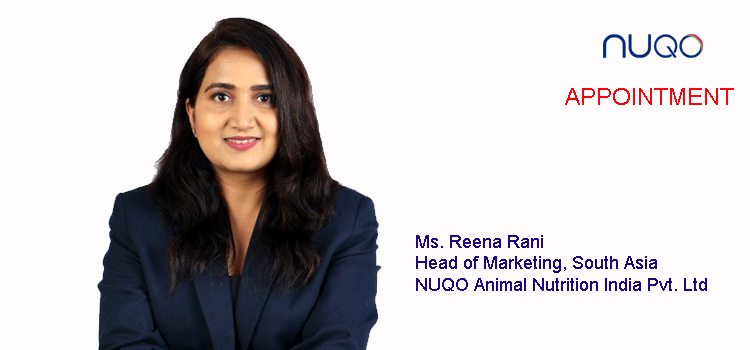
NUQO expands its team in South Asia by welcoming Reena Rani as Head of Marketing, South Asia.

Bengaluru, 18th Oct 2024 – NUQO Animal Nutrition India Pvt. Ltd., a leader in innovative animal nutrition solutions, is excited to announce the appointment of Reena Rani as Head of Marketing, South Asia. In this role, Reena will oversee all marketing functions and will lead strategies & key initiatives of NUQO in the South Asia region and will be driving growth and engagement across key markets.

Reena Rani
Reena Rani
Head of Marketing, South Asia

Reena brings over 12 years of extensive experience in marketing. Campaigns, pricing strategy, digital marketing, content creation, social media strategy, branding, marketing communication, and business analytics are her core strengths. Her deep expertise spans across top industry players such as Cargill and Novus, where she developed and implemented marketing programs that delivered measurable success.

With a strong academic background, Reena holds a master’s degree in industrial chemistry and an advanced Diploma in Digital Marketing and Analytics from the prestigious Indian Institute of Management, Kozhikode (IIMK). Her blend of technical knowledge and strategic marketing insights makes her a valuable addition to NUQO India’s leadership team.

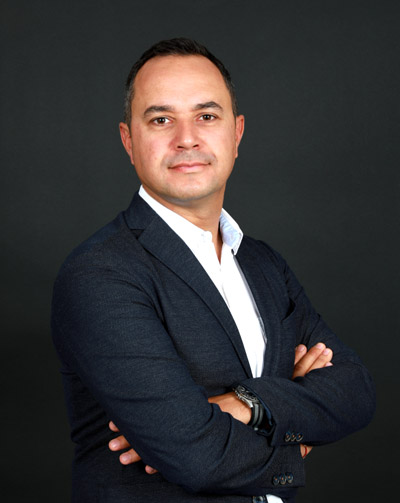
Ewenn Helary
Ewenn Helary
CEO

“We are thrilled to have Reena join us at NUQO. Her proven ability to lead and execute innovative marketing strategies will be instrumental in expanding our presence in South Asia,” said Ewenn Helary, CEO at NUQO Feed Additives. “We are confident that Reena’s leadership will bring fresh perspectives and help elevate our brand in the region.”

Neeraj Srivastava
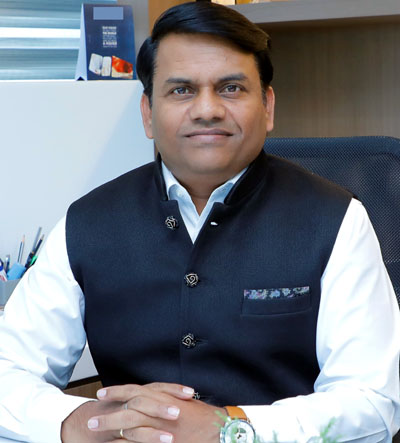
Neeraj Kumar Srivastava – Managing Director, South Asia.

“We are delighted to welcome Reena to the NUQO team. Her deep understanding of the South Asia market and her exceptional track record in marketing make her the perfect fit to lead our efforts in this important region. Reena’s leadership will help us strengthen our marketing capabilities and further solidify NUQO’s position as a leader in animal nutrition solutions. We look forward to the innovative strategies she will bring to the table,” said Neeraj Kumar Srivastava – Managing Director, South Asia.

Stephanie Ladirat
Stephanie Ladirat
Technology Director

“We are thrilled to welcome Reena to the NUQO team. She brings a unique blend of technical expertise and sharp strategic marketing insight,” said Stephanie Ladirat, Technology Director at NUQO Feed Additives. “Her skills and vision will be key assets as we drive growth and innovation in South Asia market. We are looking forward to collaborating with her and see her talents and ideas flourish”.

Reena’s appointment comes at a pivotal time for NUQO as the company continues to expand its footprint in the global animal nutrition market. Her role will be crucial in driving customer engagement and market penetration, further positioning NUQO as a trusted provider of natural, sustainable animal nutrition solutions.

About NUQO Feed Additives
NUQO© is a pioneer in combining phytogenics & phycogenics with a unique and cutting-edge micro- encapsulation technology that preserves efficacy and ensures optimal release of active ingredients. Based on this expertise, NUQO© promotes various solutions that help professionals to better address challenges related to performance, health or welfare of animals.
For more information, please contact: info@nuqo.eu

VIV Asia 2025 Visitor Registration Now Open – The Premier Event for the Animal Protein Production Industry

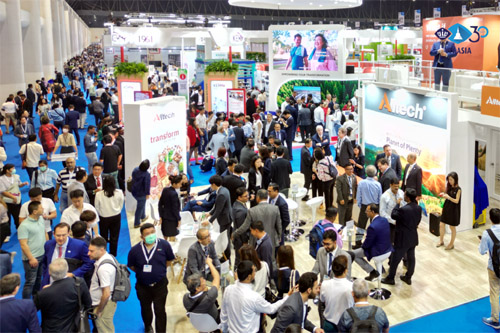
VIV Asia, the world’s leading event for the animal protein production industry, announces that visitor registration for the 2025 edition is now open. Set to take place from March 12–14, 2025, at the IMPACT Exhibition and Convention Center in Bangkok, in co-location with MeatPro Asia, and HortiAgriNext Asia 2025, this highly anticipated event promises an expanded and dynamic experience for its global crowd.

New! Expanded Venue
This year, VIV Asia 2025 has expanded into new halls, right across Challenger 1,2 and 3 and will be complemented by the first edition of Horti Agri Next Asia, next to a Features Hall and a dedicated Hall for the CropTech- FeedTech sector.

Focus on Key Industry Themes: Regenerative Agriculture & Animal Disease Management
VIV AsiaThe 2025 edition will highlight two major themes driving the future of the industry – Regenerative Agriculture and Animal Disease Management. Regenerative Agriculture is increasingly vital as the industry seeks sustainable and eco-friendly farming practices that promote soil health, biodiversity, and long-term productivity. Animal Disease Management remains a top priority, with a focus on preventing and controlling outbreaks to ensure the health and safety of livestock populations globally. Attendees will have the opportunity to explore cutting-edge solutions in these areas, participate in dedicated sessions, and network with leading experts.
Aquatic Pavilion: A new area focusing on Aquaculture
Building on previous success, the Aquatic Pavilion has grown significantly for 2025, encompassing not only fish but also shrimp as key species. The pavilion will also feature an enhanced content program designed to address the latest trends, innovations, and challenges in aquaculture, making it a must-visit for professionals in the aquatic sector. With over 17% of last edition’s visitors stating that their company is mainly related to Fish and Shrimps as a specie, the aquatic pavilion is expected to be a new center of attention in 2025.

New Start-up Hub Pavilion
For the first time, and in a bid to support innovation and entrepreneurship, VIV Asia 2025 introduces the Start-up Hub Pavilion. This new platform offers young companies in the industry a plug-and-play solution, providing them with access to global audiences and key stakeholders at the world’s most important event for the animal protein production sector.

Register Now
VIV Asia 2025 is set to be the most comprehensive edition yet, with unparalleled networking opportunities, cutting-edge content programs, and a platform that spans the full value chain of animal protein production. Interested attendees are invited to pre-register as early as possible to secure their entrance ticket free of charge. Tickets will remain free for visitors who register online until the 11th of March (23:59, BKK Time).

Visit the show’s website www.vivasia.nl for more information and to remain updated on all news related to VIV Asia.

Kamdhenu University Signs MoU with Qper India for Joint Research on Optimizing Livestock Efficiency

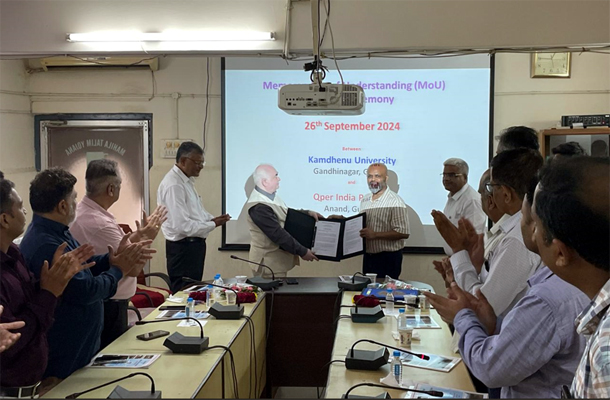
Kamdhenu University (KU) is a leading institute dedicated to veterinary and animal sciences based at Gandhinagar (Gujarat) Signs MoU with Qper India Pvt. Ltd. (QIPL), Anand (Gujarat) engaged in Research & Development of Nutritional and Non-nutritional solutions for Poultry, Ruminant, and Fishery.

Signing of MOUThe MoU signed on 26th September 2024 marks the beginning of a strategic partnership aimed at advancing research & innovation in the health & productivity of animals through cost-effective solutions.



Dr NH Kelwala, Vice-Chancellor of KU emphasized the importance of this collaboration with QIPL is a step towards KU’s commitment to enhance livestock research.

Harsh Patel
Mr. Harsh Patel, Director

Mr Samir Patel, Managing Director of QIPL also expressed his optimism about the collaboration. “We are excited to partner with KU. This MoU will enable us to combine our technological expertise with the university’s research capabilities, paving the way for innovative solutions contributing to better livestock management in India”.

Soon, a couple of new research projects will be initiated with Kamdhenu University, by Mr Harsh Patel, Director, QIPL

CHESTERFIELD, MO (September 5, 2024) – A new director at NOVUS is driving innovation at the intelligent nutrition company.

NovusGaurav Shah recently joined NOVUS as the new associate director of innovation and business development. He is responsible for routing Novus’ innovation pipeline and strategy in the newly created role.

“While we’re working internally on new projects, services and solutions, we know there is a whole world of innovation beyond our labs,” says Associate Vice President of Global Strategic Marketing, Technology and Innovation Abishek Shingote. “It’s not enough for us to say we will be innovative; we have to do it. Gaurav’s focus is on business development that will drive new growth and support our customers globally.”

At NOVUS, Shah is updating the company’s innovation capabilities by leveraging its open innovation model.

“Something that can slow down innovation is being stuck in your competencies or feeling the need to fully own new competencies before developing something,” Shah says. “With open innovation, the goal is to work closely with start-ups, universities, established companies, and even customers that are already competent in what we want to do. We’re joining forces with those partners to deliver value to the industry.”

Understanding that new ideas, technology and services can come from many different places, Shah says NOVUS is looking for partnerships that match its strategic interests: animal nutrition and health feed additives that lead to better performance.

“NOVUS has a good track record of delivering disruptive technology – like the first liquid methionine, the first bis-chelated trace minerals, and now embedding functional additives in corn kernels with INTERIUS™ technology,” he says. “So, finding partners that can help us deliver something new through INTERIUS™ technology is certainly a goal.”

Shah says for NOVUS innovation is not a “good to have” it’s a “need to have” and that the new open innovation platform coupled with his efforts to connect the company to external partners will mean big things for customers and the feed additive industry in the years to come.

“The fact that we’re investing in new and expanded technologies and that we’ve created a very clear structure to evaluate ideas and partnerships and bring products to market shows NOVUS is serious about innovation. We’re ready to talk with others who are too.”

Shah comes to the leader in intelligent nutrition after serving as business development manager for BioResource International, Inc. (BRI), and as global director of the feed digestibility category at Adisseo. His education includes a master’s degree in microbial biotechnology from North Carolina State University (U.S.) and a post-graduate degree in patent law and intellectual property.

To learn more about NOVUS and to contact Gaurav about partnership opportunities, visit novusint.com.

EuroTier, the world’s leading trade fair for professional animal husbandry and livestock management will take place from November 12 to 15, 2024 at the exhibition grounds in Hanover, Germany. EnergyDecentral, the leading international trade fair for decentralized energy supply and the Inhouse Farming – Feed & Food Show both take place in parallel with EuroTier. The EuroTier exhibition and its technical programme, is organized by the DLG (German Agricultural Society). Under the guiding theme “We innovate animal farming”, the innovation platform for the global livestock industry offers an array of conferences and evening events. These include the International Poultry Day 2024 with the Poultry Event in the evening. Entry tickets can now be purchased in the online ticket shop: https://www.messe-ticket.de/DLG-SHOP/ET24/Shop

Even before the official start of the trade fair, the poultry sector will take centre stage at EuroTier with the “International Poultry Day“. It will kick off on 11 November at 3.30 pm with the International Poultry Conference in the Convention Center of the exhibition grounds.

Under the motto “Poultry for a healthy planet”, keynote speeches on sustainable poultry farming will take centre stage, including on the topic of carbon footprint. The subsequent panel discussion will focus on the development prospects of the international poultry industry. The central question is: “What is a sustainable poultry industry?” Renowned speakers and industry experts will shed light on various aspects of this topic and highlight possible solutions:

· What role do poultry meat and eggs play against the backdrop of rising global consumption of poultry meat and eggs?

· How sustainable is the poultry industry today?

· What can be done to further reduce the carbon footprint of the production chain while remaining economical and efficient?

An all-round view of feeding

As a central topic in livestock farming, feeding occupies the largest exhibition area at EuroTier. Feeding topics and trends can be further explored on all Expert Stages in the technical programme. At the DLG stand, farming professionals can access the new online searchable collection of feedstuffs and gain insight into the properties and nutrient content of around 1,300 feedstuffs.

Additionally, the direct sales of farm products is becoming increasingly important for consumers as it guarantees transparency and freshness. The topic “Direct farm sales and on-farm slaughtering” at EuroTier will focus on mobile slaughtering and highlight its central role in the farm sales of agricultural products.

The ticket shop for EuroTier 2024 is open. EuroTier has several travel partners in India that will be happy to assist with further information regarding the 2024 event. If of interest, please visit the EuroTier website for a list of all partners. Further details and tickets can be found on the website: www.eurotier.com


Read More: EuroTier 2024 Curtain Raiser

“Great visitor interest in animal welfare, sustainability and automation.”

EuroTier 2024, scheduled from November 12 to 15 in Hanover, Germany, is the world’s leading trade fair for professional animal farming and livestock management. DLG (German Agricultural Society), a non-profit organization that supports the facilitation of farming knowledge, is in charge of organizing the trade show. The exhibition attracts some 2,100 companies including this year 15 from India and 120,000 visitors. Additionally, several delegations from India are expected.

We asked Ines Rathke, EuroTier Project Manager, what innovations visitors can expect and how the trade fair supports farmers in tackling current challenges.

EuroTier 24 BannerPoultry TRENDS: Mrs Rathke, the main theme of this year’s EuroTier is “We innovate animal farming”. Why did you finally decide on this motto?

Ines Rathke: With the themeWe innovate animal farming“, we as the DLG would like to emphasize that challenges are always also opportunities. Climate change, increased environmental regulations and changing social demands on agriculture… with the relevant innovations and solutions, this can also mean progress for agriculture. The key question for us as organizers is therefore: “How can we help livestock farmers find the answers to the questions of tomorrow that continue to not only ensure food security but also secure their farms in the long term?”. And this is exactly where this year’s main theme comes in. At EuroTier 2024, visitors will be able to inspect innovations for modern animal husbandry, animal housing construction, feeding technology and automation, among many other novel professional approaches.

Poultry TRENDS: What special features can visitors look forward to?

Ines Rathke: The launch of our new platform for livestock robotics, digitalization, automation and AI in agriculture should be particularly interesting this year: FarmRobotix. The popular “Barn Robot Event” is integrated into FarmRobotix. Here, farming professionals can experience seven different automatic feed pushers in action. Farm businesses continue to benefit from automating farm processes with robots, which then frees up time to further optimize other operations.

Another highlight of the trade fair is the DLG Spotlight AI on poultry farms“. In a dedicated exhibition area, start-ups and established companies will be presenting their AI-based solutions for poultry farming, from in-ovo sexing to animal welfare and health monitoring.

Poultry TRENDS: Agriculture is facing major challenges: increasing environmental regulations, structural change, growing animal welfare requirements versus increasing efficiency in global competition. What ideas will EuroTier provide farmers with?

Ines Rathke: The exhibiting companies at EuroTier will present solutions for all livestock sectors. The “World Poultry Show” is back at EuroTier and is preceded by “International Poultry Day 2024“, an invitation event that will take place the day before EuroTier starts on November 11 at the EuroTier exhibition grounds, renowned speakers and industry experts will address the topic of “Poultry for a healthy planet”. Which screws can be turned to further reduce the CO2 footprint of the production chain while remaining economical and efficient are just some of the questions discussed. A total of 300 of our exhibitors specialize in poultry. And the DLG spotlight “Inhouse Farming” is all about self-contained agricultural and food systems including a focus on insects. Additional topics are aquaculture and vertical farming in circular economy systems. Animal nutrition is a major lever for greater animal welfare, animal health and efficiency on the farm. Farmers can start here easily and without major new investment and will find plenty of inspiration and new ideas for the future in three large halls at EuroTier.

Poultry TRENDS: The shortage of skilled workers is omnipresent. What does EuroTier have to offer to help people find a job?

Ines Rathke: Whether young professional or young farmer , there is also a lot on offer for young people at EuroTier. On Wednesday (November 13), “Celebrate Purpose” (from 5 p.m. at DLG stand 13-E58) will show the diverse and meaningful opportunities to get involved in agriculture and whet the appetite for the industry.

Thursday (November 14) is Young Farmers Day. This is the central meeting place for all those at the beginning of their career in agriculture and agribusiness. At the “Young DLG Lounge“, stand 13- E58, interested visitors can find out what the agricultural industry has to offer young professionals. The specialist program offers guidance on career topics and the Career & Networking Events “YoungFarmersConnect” brings interested parties together with companies between 4 and 7 p.m. at DLG Stand 13-E58 for a relaxed get-together and exchange.

Poultry TRENDS: EnergyDecentral – the leading trade fair for decentralized energy supply – and the Inhouse Farming – Feed & Food Show will take place at the same time as EuroTier 2024: How do the three themes fit together?

Ines Rathke: The Inhouse Farming – Feed & Food Show will present new and complementary mainstays for farms. Above all, the show presented for first time at EuroTier will focus on the opportunities offered by vertical farming, the provision and use of alternative proteins and the use of aquaculture, aquaponics and the cultivation of algae. EnergyDecentral is the leading trade fair for decentralized energy supply. The focus here is on the generation of renewable energy on the farm, including biogas plants and solar energy but also wood fuel and wind turbines. Both trade fairs are the ideal complement to EuroTier 2024.

Poultry TRENDS: How has the industry responded to EuroTier 2024 so far?

Ines Rathke: The response so far has been very good. A visitor survey that we conducted at the end of June already showed a high level of interest in visiting the trade fair. 60 percent of those surveyed stated that they intended to visit EuroTier in Hanover. When it comes to current industry topics, professional farming visitors from both Germany and abroad rank high the topics of animal welfare, sustainability, automation, robotics and digitalization. Around 2,000 exhibitors will be showcasing their innovations and offerings here, making EuroTier unique in its size and diversity.

EuroTier 2024 Curtain Raiser

 Leading Innovation Hub for the International Livestock Industry

EuroTier the world’s leading trade fair for professional animal husbandry and livestock management, will take place from 12 to 15 November 2024 in Hanover, Germany. Some 2,100 companies and organizations from 55 countries will be present. Under the guiding theme “We innovate animal farming.” the trade fair offers an international technical program on – among others – the latest developments in dairy and poultry production.

EuroTier LogoA few months before kick-off, interest in the EuroTier / EnergyDecentral 2024 trade fairs is already high among visitors. In a survey (carried out in June 2024) of potential professional farming visitors to the world’s leading trade fair for professional animal husbandry and livestock management, 60 percent of respondents stated that they have already made firm plans to visit EuroTier in Hanover, Germany. Some 30 percent responded that they will be making a decision in the coming weeks. The exhibition areas of stabling and feeding technology as well as feed input and operating resources were particularly highly rated. When it comes to current industry topics, visitors prioritize animal welfare, sustainability, digitization, automation and robotics.
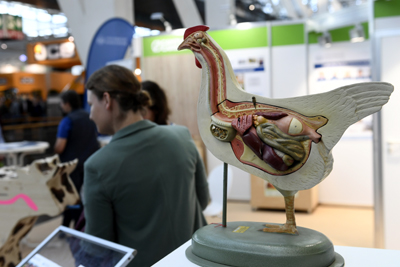
Robotics in livestock farming
Robot-assisted automation for animal husbandry is developing fast with many new applications now available. Farm managers are actively employing these technologies to increase productivity while reducing costs and combating rising shortage of skilled labor. Ultimately, this leads to improved working conditions as well as enhanced animal welfare, animal health and benefits to the environment. This ties in with the maxim ‘We innovate animal farming’, the chosen theme for EuroTier 2024 exhibition. Farming professionals will be looking forward to the DLG’s new platform for robotics, digitization, automation and AI in agriculture: FarmRobotix. At the Barn Robot Event seven feed pusher robots for dairy cattle barns will be presented as part of daily live demonstrations in a dedicated area.

World Poultry Show

The World Poultry Show is the international platform for the poultry industry. Exhibitors along the entire production chain can be found in Halls 16, 17 and 23. The DLG spotlight “AI in poultry farming” is presenting solutions for the practical use of AI-supported technologies for the poultry industry and the Poultry Expert Stage, invites visitors to attend numerous top-class specialist presentations on all aspects of poultry production. Scientists, consultants, staff from funding projects and other international industry experts will be presenting innovative approaches.

Showcase for innovative animal feed solutions
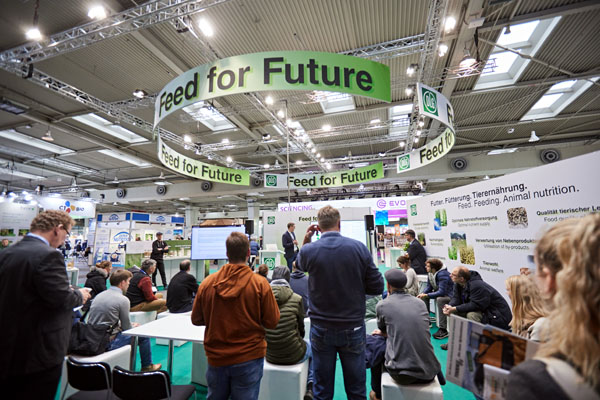
In the debate about securing food for a growing world population, animal feed is an increasingly important topic. In the future, feedstuffs that are not in direct competition with human food will be prioritized. Livestock farmers can already now reduce the amount of land required for feed cultivation by actively applying efficient feed management measures. Protein sources that can replace rapeseed and soya and other conventional feedstuffs are increasingly viewed as an attractive alternative.

EuroTier HallsIn the debate about avoiding food competition, possible alternative sources of protein, fat and carbohydrates for animal feed have entered the discussion. One area is the use of insects as animal feed. Another alternative food source under consideration is plant biomass from aquatic sources, especially algae, which do not require agricultural land.

EuroTier 2024 reflects the developments in this area and presents the latest alternative protein sources at the “Inhouse Farming – Feed & Food Show” for the self-contained agricultural and food systems of the future. Additionally, at EuroTier 2024, leading companies from the national and international animal feed industry and start-ups will be demonstrating how innovative feed and processes can be used to meet the demands of responsible livestock feeding.

DLG-Spotlights to explore practical farming topics
• The TopTierTreff feature is once again the international marketplace for top genetics in Hall 11, where leading German and international breeding companies and organizations from the dairy and beef cattle sector will present breeding stock.
• The “Solar Transition” spotlight at EnergyDecentral 2024, which takes place in parallel to EuroTier, and the “Inhouse farming” spotlight with a focus on alternative proteins and indoor farming solutions.
• The “agrifood start-ups” area presents innovative industry solutions from entrepreneurial companies while working as a networking venue for start-ups and investors.
• In the DLG.Prototype.Club, teams of software engineers solve technical challenges set by exhibitors in order to develop workable prototypes for their initiatives.

The topics sustainability, animal welfare and environmental protection – from field to plate – will be addressed and brought to life at the DLG-stand in hall 13. Exhibits on reducing emissions in and around the housing and the DLG animal welfare program for dairy cattle farming are also showcased.

Award-winning innovations – inspiring people
As part of EuroTier, the DLG will be presenting three leading international awards for innovative animal husbandry technology:

The “Innovation Award EuroTier” recognizes innovations ready for practical farm use and underlines the importance of modern technical solutions for livestock farming. The “Animal Welfare Award“, a distinction of the EuroTier Innovation Awards, recognizes products and services that meet the requirements for higher animal welfare standards and improved animal health to a particularly high degree. Pioneering work and concepts for sustainable animal husbandry and decentralized energy production are honored with the “DLG-Agrifuture Concept Winner Award“, evaluated by an international jury. The international “Women in Ag Award” honors inspiring women from agriculture, agribusiness, education, technology and research. The best channels from YouTube, TikTok, Facebook and Instagram will receive the “DLG Agri Influencer Award“.

Optimal complement: EnergyDecentral and Inhouse Farming
EnergyDecentral trade fair and the Inhouse Farming – Feed & Food Show both take place in parallel with EuroTier. Covering the entire value chain of sustainable energy production, including resources, energy production and smart energy, EnergyDecentral has already established itself as the leading platform for decentralized energy supply. The new Inhouse Farming – Feed & Food Show will be the global B2B venue for agricultural and food systems of the future. Closely networked with agricultural practice, the Inhouse Farming – Feed & Food Show offers specialist information, perspectives, innovations and business – from feed to food. Both offerings represent an optimal extension of the specialist range of topics at EuroTier.

Ticket shop now open and travel information
The ticket shop for EuroTier 2024 is open. EuroTier has several travel partners in India that will be happy to assist with further information regarding the 2024 event. If of interest, please visit the EuroTier website for a list of all partners. Further details and tickets can be found on the website: www.eurotier.com

Decoding Union Budget 2024 for Indian Poultry Sector: What To Expect?

Author:

Meghana Mukherjee Salvi,
Director, Glamac International
Poultry TRENDS Editorial Board Member

On 23rd July 2024, Union Finance Minister Nirmala Sitaraman presented the BJP-led NDA government’s first budget after its re-election in June. The clock struck 11:00 AM, and the nation was abuzz with anticipation. The budget frenzy was palpable, with the stock market in flux, public discourse at its peak, and the media providing extensive coverage. Investors, businessmen, and the workforce were all part of this moment, closely monitoring the budget speech and dissecting the proposed policies to gauge the impact on their respective sectors.

Homing in on the prospects of agriculture, women and farmer welfare, employment, skill generation, manufacturing, and infrastructure, the Union Budget 2024 has marked the cornerstone for ‘Vikshit Bharat 2024’. As the Indian poultry sector steps into the limelight with a projected CAGR of 8.1% between 2024-2032, it becomes crucial to decipher the budget’s implications.

This article is a deep dive into the budget, offering insights into its impact on the Indian poultry sector.

Let’s explore what the future holds for the poultry industry and whether the budget has successfully met the sector’s expectations.

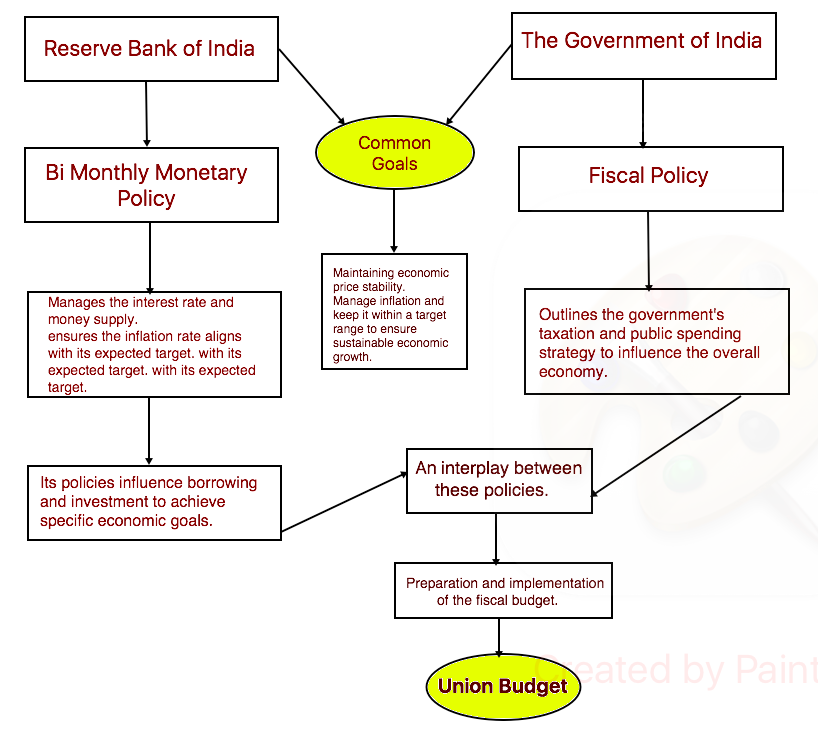
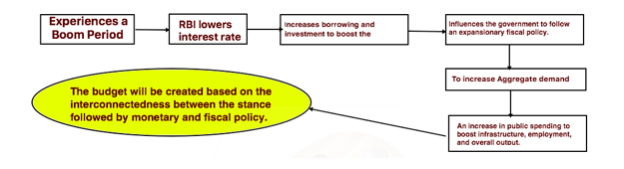
What is a Budget? An Interplay between Monetary and Fiscal Policy

Therefore, it’s crucial to highlight the inflation rate in the Union Budget. Sharing the inflation rate is significant as it helps businesses, consumers, and policymakers decide where to invest their money, when to spend it, and how much should be left in reserve. It’s also a way of evaluating how well current fiscal and monetary policies work towards curbing inflation and what additional steps must be considered for future stability.

Pre-Budget Expectations: Poultry Industry’s Bucket List

Over the decades, the poultry sector has witnessed staggering heights and is slated for an illustrious growth trajectory. However, the industry is often subjected to challenges such as raw material shortages, price instability, infrastructural bottlenecks, and insufficient government impetus. Recently, the industry has garnered long-awaited central focus, and they haven’t shied away from voicing their opinions and expectations from the Union Budget. Let us have a look at their key demand areas.

1. Expects measures to boost maize supply, a critical ingredient in poultry feed. (Current maize production is 36 MMT and expected requirement is 41 MMT including ethanol production.)

2. Price stability of raw materials like maize and soybean.

3. Import liberalisation (Zero Duty) on corn and wheat will alleviate the sector’s production costs. (Corn prices are rising due to the extended demand of the poultry sector and ethanol manufacturers.)

4. Import of genetically modified (GM) corn and soybean meal should be permitted.

5. Establishing cold storage infrastructure at the retail levels. (Reduce price volatility and increase farmer profitability)

6. Import duty reform for the edible oil sector.

7. Develop a dedicated body to promote chicken and egg exports.

8. Implementing a stringent ban on antibiotic growth promoters in poultry. (Improves animal welfare, product quality and international acceptability.)

9. Reduce the current 18 per cent tax on biosecurity products.

10. Continue the ban on future trading of soybean and its products in NCDEX.

Budget 2023: A Quick Recap

The aftermath of Budget 23 had ramifications, and the poultry industry is still reeling. To get the complete gist of the current budget, let’s turn back the pages to the key highlights that impacted the poultry industry last year.

  1. Raw Materials: No significant changes in maize, soybean, or wheat import duties were noted, maintaining the status quo for feed costs.
  2. Ethanol Policy: Incentivising ethanol production. A significant allocation of funds to promote ethanol blending programs. The budget encouraged the diversification of feedstock for producing ethanol. It also proposed subsidies and tax incentives for ethanol producers.
  3. Infrastructure: The budget promoted the development of cold storage facilities and logistics. It introduced financial incentives to encourage private sector participation. The Agricultural Infrastructure Fund(AIF) received additional funding for cold storage-related projects.
  4. Export Opportunities: The budget proposed setting up export-oriented slaughterhouses and processing units to ensure compliance with international standards. It also aimed to strengthen the Export Inspection Council (EIC) ‘s capabilities to ensure that meat and egg exports meet quality and safety standards globally.
  5. Access to Credit: The budget included provisions to expand credit facilities under the Kisan Credit Card(KCC) scheme, including poultry farmers.
  6. Disease Management: The budget will allocate funds to build advanced diagnostic laboratories, mobile veterinary clinics, IoT and AI-based monitoring systems, rapid response teams, etc.

Breaking Down the Budget’23 – Poultry feed constitutes nearly 70% of the production cost. The industry has witnessed extreme shortages in essential raw materials, leading to staggering price hikes. It has led to a shot up in production costs, yet price recovery has been dismal. There is a massive gap between the farm gate prices of poultry products and their retail prices. This highlights that farmers are not receiving fair prices and face immense losses. Thus, a solution to stabilize the availability of raw materials holds precedence. The ethanol policy creates a further dent in maize availability. Though the budget incentivizes infrastructure development, it will likely span over some time. Thus, the effects will only be felt with a time lag. Lastly, promoting the export of Indian poultry products opens the door to a vast global market; it should be pursued after strengthening production and satisfying a growing domestic demand.

Budget 2024: A detailed Overview

The budget for 2024 included multiple key proposals that significantly impact the poultry sector. Let’s examine each of the proposed recommendations and understand its plausible implications.

Solidifying Raw Materials (Pulses & Oilseeds)
Securing the availability of key raw materials like maize and soybeans is essential to streamlining the poultry supply chain and stabilizing the sector.

What the Budget Proposes

• To achieve self-sufficiency in pulses, an ‘Atmanirbharta‘ strategy is being implemented to strengthen production, storage, and marketing for oilseeds such as sesame, soybean, mustard, groundnut, and sunflower.
• A large-scale vegetable production cluster will be developed closer to major consumption areas. The cluster aims to integrate Farmer-Producer Organisations (FPOs), cooperatives, and start-ups.
• There is a provision of ₹1.52 lakh crore for agriculture and allied sectors. This includes those growing critical raw materials like maize and soybeans.
• Developing cold storage facilities and improved infrastructure will curtail losses and boost the supply of quality produce.
Exemption of basic customs duty and AIDC on crude soybean oil imports and sunflower seed oil.

Interpretation—These measures collectively strive to improve key raw material availability. They are incentivizing the farmers to increase production and also easing imports to meet the domestic shortage. These steps should arrest the current shortage of maize and soybeans and stabilize prices in the long run.

Enhancing Export Competitiveness

Focusing on infrastructure, market access, and product quality is imperative for Indian produce to meet global standards.

What the Budget Proposes
• A proposed budget of ₹11,11,111 crore for capital expenditure.
• Significant funds to enhance cold storage and logistics infrastructure.
• No custom duty on mineral and vitamin premixes.
• Credit Guarantee Scheme for MSMEs in the manufacturing sector. It includes MSMEs producing poultry equipment, feed, and medicines. From facilitating term loans for the purchase of machinery and equipment, pooling credit risks, self-financing guarantee cover-up of ₹100 crore, and continuation of bank credit during stress periods, the budget has an expansive proposal for boosting MSMEs.

Interpretation—Logistics and cold storage facilities are central to ensuring poultry produce is transported with minimal losses and without affecting product quality. Adequate cold storage facilities ensure increased shelf life for poultry products and maintain quality. With the proposed CapeX, state-of-the-art processing units and storage facilities may be developed.

Poultry Industry: The Road Ahead

Agricultural infrastructure, customs relaxation, and crop production are expected to positively impact the availability and affordability of essential raw materials for poultry feed, such as maize and soybean. In view of these suggestions about the poultry industry, there seems to be a ray of hope in terms of addressing challenges related to raw material availability, price stability, and export facilitation.

The Union Budget 2024 rightly acknowledges the challenges the poultry sector is facing. While it may have fulfilled only some of the sector’s demands, it has recognized this economic player’s significant contribution to the national GDP. The Budget aligns with the industry’s expectations, demonstrating a clear commitment to promoting sustainability and development. This recognition and commitment should instil a sense of optimism in the industry’s stakeholders about the poultry sector’s future.

Despite these steps, competition remains an uphill task for this sub-sector if it is to gain more ground. Poor maize production, among others, such as the need for quality domestic meat and egg products, new market creation, and improvements in transport systems, are some issues that ail them today. These challenges are necessary for its consolidation in the market and gaining sustainability. Still, by proposing these measures, India’s Union Budget 2024 betrays intentions to address its concerns and priorities over Indian poultry, potentially unlocking developmental opportunities among other stakeholders for India’s long-term prosperity.