
Reproductive health in poultry—particularly layers and breeders—is the cornerstone of successful commercial poultry production. Optimal egg production, fertility, hatchability, and eggshell quality are all dependent on a healthy and well-managed reproductive system. As the poultry industry seeks residue-free, eco-friendly, and sustainable alternatives to synthetic additives and antibiotics, herbal approaches are gaining attention as promising tools to enhance reproductive performance naturally.

A growing body of research and field experience now supports the use of medicinal herbs and phytogenic feed additives to improve reproductive health in poultry. These natural agents not only promote hormonal balance and reproductive organ function but also contribute to better overall health, leading to consistent egg production and superior egg quality.

This article explores how a synergistic blend of herbs—including Shatavari, Jivanti, Shilajit, Makoy, Kasni, Kantkari, Aloe vera, and Ashoka—along with chelated minerals and essential vitamins can naturally support and enhance reproductive health in poultry and optimize ovarian functions, egg production, and eggshell quality.

Understanding Reproductive Challenges in Poultry

Reproductive performance in poultry can be compromised due to:

  • Nutritional imbalances (especially calcium, phosphorus, and vitamins)
  • Hormonal disruptions due to environmental stress
  • Infectious diseases and poor immunity
  • Aging and oxidative stress on reproductive organs

These issues manifest in forms such as:

  • Poor yolk development
  • Declining egg production with age or environmental stress
  • Poor eggshell quality due to calcium or vitamin D3 deficiency
  • Reduced fertility or hatchability in breeders
  • Hormonal imbalances due to nutritional or environmental factors

In Layers, reproductive performance is primarily evaluated by:

  • Egg production rate
  • Egg weight and size
  • Shell strength and thickness
  • Yolk quality

In Breeders, attention is paid to:

  • Fertility and mating success
  • Hatchability
  • Sperm quality (in males)
  • Oviduct and ovarian function (in females)

Eggshell Quality: A Hidden Profit Lever

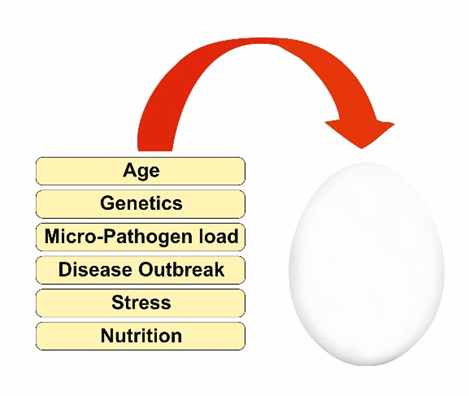
Poor eggshell quality leads to cracked or broken eggs, which cannot be sold, especially in commercial table egg production. Factors affecting shell quality include:

  • Inadequate calcium or phosphorus
  • Vitamin D3 deficiency
  • Poor intestinal health
  • Excessive stress or age-related decline

Conventional Approaches and Their Limitations

Traditionally, reproductive performance has been supported using synthetic hormones, antibiotics, and vitamin-mineral supplements. While these are effective, they pose concerns related to:

  • Antibiotic residues in eggs and meat
  • Development of antimicrobial resistance
  • Regulatory bans or restrictions on antibiotic growth promoters
  • Consumer demand for natural and organic products

This shift in consumer and regulatory trends has led to increasing interest in herbal feed additives and phytogenic compounds as viable and natural enhancers of reproductive health.

A herbal-nutritional approach targets these issues at their root by supporting the reproductive system, boosting hormonal balance, enhancing mineral absorption, and strengthening immunity.

The Herbal Approach: Nature’s Answer to Poultry Productivity

Herbs have been used for centuries in traditional medicine for their antioxidant, anti-inflammatory, antimicrobial, and hormone-modulating effects. In poultry, certain herbs have shown significant promise in enhancing reproductive parameters, improving ovarian functions, egg production, eggshell quality, and boosting immunity.

Studies have shown that herbal additives can:

  • Increase laying rate by 5–15%
  • Improve shell thickness and reduce cracked eggs
  • Enhance yolk pigmentation without synthetic colorants
  • Improve hatchability in breeder flocks

Key Herbal Ingredients for Optimization of Ovarian Functions, Egg Production, and Eggshell Quality

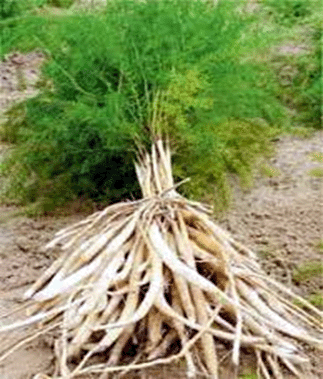
Shatavari (Asparagus racemosus) is revered as the “Queen of Herbs” for female reproductive health in Ayurveda. In poultry, it stimulates ovarian function, enhances egg-laying rates, and naturally balances estrogenic activity, making it a valuable addition to layer diets.

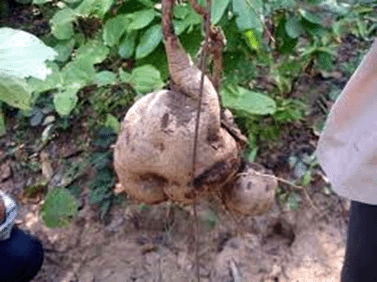
Jivanti (Leptadenia reticulata) serves as a powerful fertility enhancer and vitality booster. This herb improves uterine tone and egg formation while acting as a rejuvenator for reproductive tissues, supporting overall reproductive health in breeding birds.

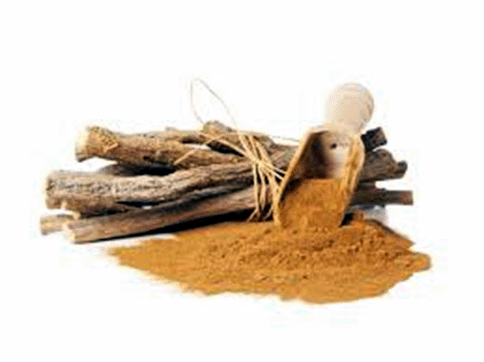
Shilajit (Asphaltum punjabinum) is rich in fulvic acid, minerals, and antioxidants that boost energy and metabolism in poultry. It improves mineral absorption for better eggshell formation and enhances libido and reproductive performance, particularly beneficial for breeder males.

Makoy (Solanum nigrum) supports liver function and aids in detoxification and nutrient utilization. This herb helps prevent reproductive stress during high-production periods by maintaining optimal liver health and metabolic function.

Kasni (Cichorium intybus) acts as a hepatic stimulant that improves calcium metabolism and vitamin D utilization. It supports shell gland function, contributing to better eggshell quality and overall calcium homeostasis in laying birds.

Kantkari (Solanum xanthocarpum) improves respiratory health, which indirectly reduces stress on layers. It also supports hormonal health and enhances reproductive tract resilience, contributing to sustained production performance.

Aloe vera is widely recognized for its antioxidant and immune-boosting properties. In poultry, it improves gut health and nutrient assimilation while enhancing calcium retention, which directly improves eggshell strength and quality.

Ashoka (Saraca indica) functions as a reproductive tract toner in birds. It reduces inflammation in the reproductive tract and enhances uterine health, making it particularly valuable for breeding stock.

________________________________________

Role of Chelated Minerals and Vitamins in Reproductive Success

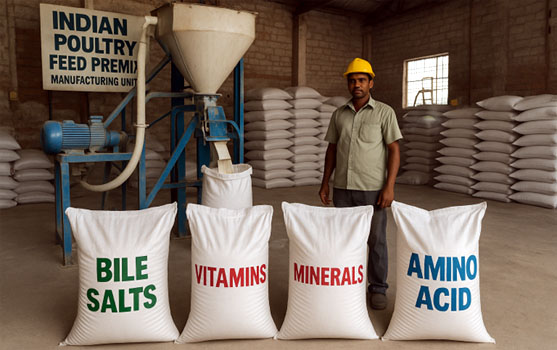
Chelated forms of minerals demonstrate superior bioavailability compared to their inorganic counterparts. These minerals play crucial roles in eggshell formation and support optimal ovarian function.

Vitamin A is essential for maintaining the integrity of mucous membranes throughout the reproductive tract. It supports follicle development in hens and promotes healthy spermatogenesis in roosters, making it indispensable for breeding success.

Vitamin D3 plays a critical role in the absorption and metabolism of calcium and phosphorus. Deficiency of this vitamin leads to soft-shelled or shell-less eggs, poor skeletal health, and significantly reduced egg production, highlighting its importance in layer nutrition programs.

________________________________________

How Herbal and Nutritional Components Work Together

Combining adaptogenic herbs like Shatavari and Jivanti with metabolic enhancers like Shilajit, and hepato-protective agents like Kasni and Makoy, results in:

  • Improved egg production and laying persistence
  • Stronger eggshells due to better calcium absorption and utilization
  • Enhanced fertility and hatchability in breeders
  • Reduction in stress-induced reproductive decline
  • Better hormonal modulation without synthetic hormones

Conclusion

The reproductive health of poultry layers and breeders is critical for the economic viability of any poultry operation. With rising concerns over antibiotic use and consumer demand for natural products, herbal approaches offer a sustainable, safe, and effective alternative.

The integration of herbal ingredients such as Shatavari, Jivanti, Shilajit, and Aloe vera with chelated minerals and essential vitamins A and D3 offers a powerful, natural approach to improving reproductive health in both layers and breeders. This holistic strategy not only supports the endocrine and reproductive systems but also enhances overall health, immunity, and productivity without relying on synthetic hormones or antibiotics.

As the poultry industry moves toward sustainable and residue-free production, herbal-nutritional solutions are no longer a supplement—they are becoming a necessity.

Author:

Dr. Rakesh Tiwari,
Global Techno Commercial Head,
Vamso Biotec Ltd

The author is a seasoned veterinary professional and animal nutrition expert with extensive experience in phytogenic feed additives and poultry reproductive management. He is passionate about bridging traditional herbal wisdom and modern poultry science.

Bengaluru, India – Nuqo Animal Nutrition India Pvt. Ltd. is pleased to announce the appointment of Ajay Kumar Tiwari as Regional Sales Manager – West & Central India, effective 5th September 2025. He will be based in Raipur, Chhattisgarh, and will report to Dr. Krishnamurthy, Commercial Director.

Ajay Kumar Tiwari
Ajay Kumar Tiwari

Ajay brings with him more than 16 years of experience in sales and business development in the animal nutrition industry. He has worked with leading organizations such as Cargill and Natural Remedies Pvt. Ltd., where he gained significant expertise in driving growth, building customer relationships, and managing key accounts.

A proactive planner and leader, Ajay specializes in strategic planning and execution and has a strong track record in key account management, consistently delivering business growth and customer satisfaction.

“We are delighted to welcome Ajay to NUQO©,” said Dr. Krishnamurthy, Commercial Director, South Asia. “His strategic mindset, strong leadership, and customer-focused approach will play a crucial role in strengthening our presence in West & Central India and supporting Nuqo’s growth in South Asia.”

Neeraj Kumar Srivastava
Managing Director
NUQO Animal Nutrition India Pvt. Ltd.

Neeraj Kumar Srivastava, Managing Director – South Asia, added: “Ajay’s appointment reflects our commitment to building a strong and talented leadership team in India. His experience, energy, and ability to execute strategies will be invaluable as we continue to expand Nuqo’s footprint and deliver innovative solutions to our customers across the region.”

Ajay is a graduate of APS University, Rewa (Madhya Pradesh). His deep understanding of the industry, combined with his ability to build long-term partnerships, makes him a valuable addition to Nuqo’s expanding India team. With this appointment, NUQO© reaffirms its commitment to building a strong leadership team and delivering innovative, sustainable solutions for the animal nutrition industry.

About NUQO©
NUQO© is a pioneer in combining phytogenics & phycogenics with a unique and cutting-edge micro- encapsulation technology that preserves efficacy and ensures optimal release of active ingredients.

Based on this expertise, NUQO© promotes various solutions that help professionals to better address challenges related to performance, health or welfare of animals.

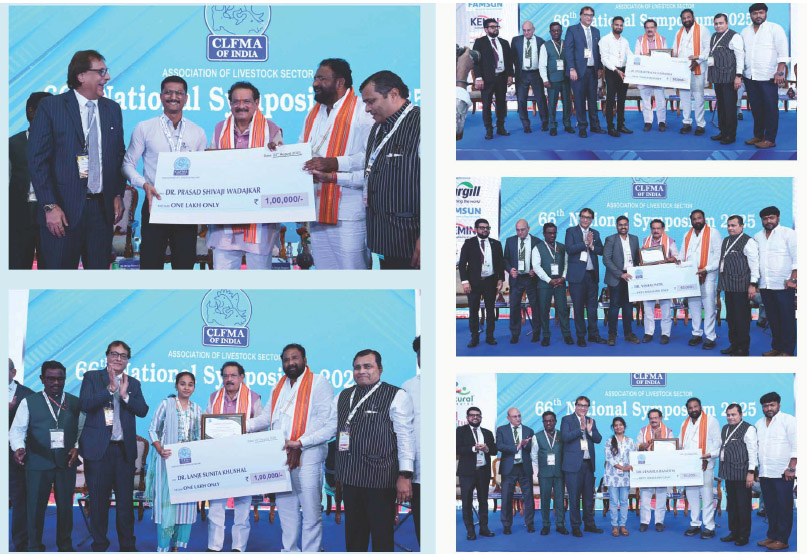
Hyderabad: Professor Jyoti Palod from the College of Veterinary and Animal Sciences, Pantnagar, has been honored with the prestigious CLFMA Award 2025 in recognition of her 30 years of exemplary service in teaching, research, and extension in livestock and poultry production.

The award was conferred during the 66th National Symposium of CLFMA of India, held at Hotel Taj Deccan, Hyderabad, on August 22, 2025. The honor was jointly presented by Prof. S. P. Singh Baghel, Union Minister of State for Fisheries, Animal Husbandry & Dairying, and Mr. Vakti Srihari, Minister of Animal Husbandry & Fisheries, Government of Telangana, in the presence of Mr. Divya Kumar Gulati, President of CLFMA, along with eminent dignitaries.

Professor Palod’s distinguished career spans over three decades, during which she has made remarkable contributions to animal nutrition, livestock, and poultry production. She has guided 11 postgraduate and 3 doctoral students, authored numerous impactful research papers, and worked at the grassroots level to uplift farmers’ livelihoods.

Notably, Professor Jyoti Palod is among the few women scientists to receive this recognition, making her a trailblazer and an inspiration in the livestock sector. Her achievement has been widely appreciated by professional societies and students, who hail her as a role model for the next generation.

Industry leaders unite to shape the roadmap for animal agriculture in India with a strong focus on agriculture exports
Two-day power meet in Hyderabad puts agri-exports, rural livelihoods, and global leadership on centre stage

Hyderabad, 23rd August 2025: The Compound Livestock Feed Manufacturers Association (CLFMA) of India successfully concluded its 58th Annual General Meeting (AGM) and 66th National Symposium on 22nd & 23rd August 2025 at the Taj Deccan, Banjara Hills, Hyderabad. Themed “Animal Agriculture in India – The Way Forward”, the two-day event brought together policymakers, industry leaders, sector experts, and stakeholders to shape a unified roadmap for India’s animal agriculture sector, with a strong emphasis on boosting agriculture exports.

The symposium highlighted the immense potential of India’s poultry and aquaculture sectors, with the poultry industry growing at an impressive 8% annually, making it both one of the most affordable sources of protein and a vital contributor to rural income. Export opportunities in markets such as the UAE, Maldives, Bhutan, and Bahrain, along with 65% vertical integration, are enabling cleaner, healthier products and stronger global competitiveness. At the same time, challenges like avian influenza and rising kidney infections in states such as West Bengal, Assam, and Telangana pointed to the urgent need for better vaccination, stronger biosecurity, and greater R&D investments. Aquaculture discussions underlined the huge untapped domestic opportunity, with 76% of India’s 1.4 billion population consuming non-vegetarian food and over 80% not meeting daily protein requirements, positioning the sector as critical for nutrition and economic growth. While rising US tariffs on shrimp exports pose challenges, they were reframed as opportunities to boost domestic demand, enhance farmer returns, and create value-added products for Indian consumers. With government support through schemes like FIDF and PM-MKSSY, and by fostering stronger industry-government partnerships, both poultry and aquaculture are set to become more resilient, competitive, and future-ready.

While there are challenges, there’s also an incredible amount of potential waiting to be unlocked. Whether it’s poultry, dairy, fisheries, or aquaculture, the way forward lies in collaboration, innovation, and sustained effort. It lies in coming together — as farmers, industry leaders, policymakers, and academia — and working towards solutions that are practical, scalable, and sustainable.

Mr Divya Kumar Gulati, Chairman at CLFMA of India

Mr. Divya Kumar Gulati, Chairman at CLFMA of India, said, “India is home to the world’s largest livestock population and accounts for 13% of global milk production. The sector contributes 30.23% to agricultural GVA and 5.5% to the national economy, making it a cornerstone of national growth, rural prosperity, and nutritional security. Yet, this is only the beginning of our growth story. With the right policies, stronger cold-chain and processing infrastructure, and faster adoption of innovation, we can evolve from being the world’s largest producer to one of its most influential exporters. CLFMA remains committed to working with all stakeholders to turn this vision into reality.”

“We have also proposed the establishment of:

  • Export Oriented Zones (EOZs)
  • Livestock Export & Domestic Development Authority

These strategic bodies will significantly enhance ease of doing business and boost the global competitiveness of the Indian poultry sector by ensuring:

  • Access to raw materials at global price parity.
  • A simplified regulatory framework for domestic and international trade.
  • Market creation and diversification through government-to-government collaboration and coordinated branding strategies through FTA.”

The symposium was graced by eminent dignitaries, including Prof. S. P. Singh Baghel, Hon’ble Minister of State for Fisheries, Animal Husbandry & Dairying, and Ministry of Panchayati Raj, Government of India; Sri Vakiti Srihari, Hon’ble Minister for Animal Husbandry, Dairy Development & Fisheries, Sports and Youth Services; Sri Sabyasachi Ghosh, IAS, Special Chief Secretary, Government of Telangana; and Dr. Muthukumaraswamy B., Joint Secretary (NLM), Department of Animal Husbandry & Dairying.

The CLFMA delegation included:
● DY. Chairman Mr Sumit Sureka
● DY. Chairman Mr Naveen Pasuparthy
● DY. Chairman Mr Abhay Parnerkar
● DY. Chairman Mr Abhay Shah
● Hon. Secretary Mr Nissar F. Mohammed
● Treasurer Mr R. Ramkutty
● Convenor, Mr Vijay Bhandare

CLFMA Souvenir 2025A special highlight of the event was the launch of the CLFMA Souvenir, encapsulating the association’s achievements, sector insights, and future vision. The programme concluded with a networking dinner, live performance, and the felicitation of sponsors, media representatives, guests, and invitees, marking a celebratory end to two days of engaging discussions and knowledge exchange.

About CLFMA of India:
Founded in June 1967 as The Compound Livestock Feed Manufacturers Association, CLFMA of India is the apex body for the country’s livestock sector. It represents over 250 members across various sub-sectors, including feed manufacturing, poultry, dairy, aquaculture, animal nutrition, and veterinary services. CLFMA is recognised by Central and State Governments, livestock farmers, government agencies, agricultural universities, veterinary colleges, and national research institutes. As the voice of the Indian livestock industry, CLFMA advocates for sustainable growth, industry standards, and policy development, contributing significantly to the advancement of the animal protein value chain in India and internationally.

The theme “Animal Agriculture in India – The Way Forward” aims to highlight the path towards a future-ready livestock sector — one that embraces innovation, technology adoption, policy support, and responsible practices. This includes:

● Strengthening value chains across dairy, poultry, fisheries, and small ruminants
● Adoption of digital tools, genomics, precision nutrition, and climate-smart practices
● Encouraging public-private partnerships, infrastructure investment, and scientific R&D
● Empowering women and youth, promoting entrepreneurship, and ensuring inclusive growth


————– GLIMPSES ————– 

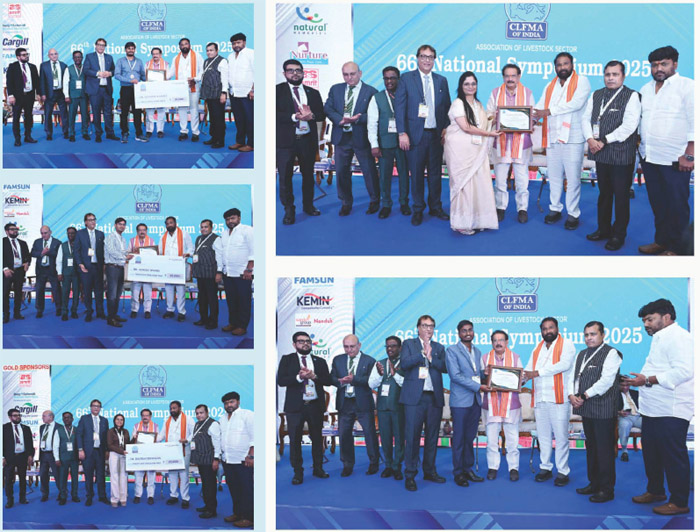
CLFMA 2025 - Glimpses

Vietstock Expo & Forum – The most anticipated livestock event in Vietnam will take place from 8–10 October 2025 at the Saigon Exhibition and Convention Center (SECC), Ho Chi Minh City.

Shaping the Future of Livestock at Vietstock 2025

As Vietnam’s Premier International Feed, Livestock & Meat Industry Show, Vietstock Expo & Forum continues to lead as the key platform for industry professionals to showcase innovations, engage in meaningful dialogue, and tackle pressing challenges within the livestock industry across Vietnam and the ASEAN region.

Now in its 13th edition, Vietstock 2025 is expected to feature 13,000 sqm of exhibition area, bringing together 300 exhibitors and 13,000 trade visitors and professionals from 40 countries and regions.

With strong local and international participation, the exhibition will provide a 360-degree view of the modern livestock value chain through a comprehensive display of the latest products, solutions, and technologies.

Vietstock product displayEquipment, Technology & Engineering Solutions: From water and wastewater treatment systems, automated feeding equipment, biogas systems to climate control and biosecurity solutions, every innovation aims to drive productivity and foster sustainable livestock development.

Animal Nutrition, Genetics & Care: The show brings together leading-edge animal nutrition solutions, feed additives, raw materials, genetics and artificial insemination technologies to help enhance animal health, productivity, and farm profitability.

Production & Trade Support Services: Highlights key services in logistics, quarantine, data management, and digital platforms, all of which help optimise production chains and sharpen business competitiveness.

Livestock Products & Market Access: Showcasing the final outputs of the livestock value chain including poultry, meat, eggs, milk, and processed products, this area bridges producers and the market, reflecting current consumer trends and adding value across the sector.

Pre-registration: https://ers-vn.informa-info.com/vs25

Vietstock 2025: A Knowledge Powerhouse for the Livestock Sector

More than just a trade show, Vietstock Expo & Forum represents the convergence of knowledge, innovation, and partnership in the livestock industry. It is where policymakers, experts, and businesses from around the globe gather to discover breakthroughs, exchange insights, and forge strategic collaborations for a more sustainable and resilient future.

Alongside the exhibition, Vietstock 2025 will feature a robust line-up of programs including technical conferences, industry forums, business dialogues, and prestigious award ceremonies, designed to unlock real value, promote technology adoption, and upskill industry stakeholders.

Conferences & Technical Seminars

Vietstock – An Education Hub for Technical Knowledge and Market updates in the livestock Industry. The Conferences & Technical Seminars feature engaging sessions led by industry thought leaders, covering a diverse range of topics. From market trends and regulatory updates to technological advancements and best practices, these sessions provide invaluable insights and knowledge-sharing opportunities.

Highlight conferences will address key industry issues such as the Antimicrobial Resistance Forum, Poultry/Ruminant & Dairy/ Swine, Waste to Energy, Nutrition & Feed, Animal Welfare, Controlling Greenhouse Gas Emissions in Livestock Production.

Vietstock ConferencesAntimicrobial Resistance Forum

AMR Forum aims to address one of the most pressing challenges in animal agriculture. The forum, titled “From Policies to Practices – Tackling Antimicrobial Resistance Together”, is designed to foster collaboration and drive actionable strategies that align with international efforts to mitigate AMR.

Vietstock Awards 2025 – 13th Edition

Awarded by the Department of Livestock Production and Veterinary (MAE), The Vietstock Awards 2024 honour exceptional organisations and companies that have made significant contributions to the livestock industry in Vietnam. Vietstock Awards celebrate excellence and inspire continuous progress within the sector by recognizing exceptional achievements and innovations. The Vietstock Awards serve as catalysts for innovation, driving the industry forward and shaping its future landscape.

Match & Meet Program

A dedicated and professional networking space where exhibitors and industry decision-makers can connect efficiently and privately. The program enables direct business engagement and accelerates partnerships, right on the show floor.

Bus-in Program

Tailored for livestock households, the Bus-in Program provides transportation and on-site guidance for farmer groups from across Vietnam and Cambodia. This program enhances accessibility and maximises participation, enabling attendees to fully immerse themselves in the event experience.

Eggcellent Theatre

A feature pavilion dedicated to poultry farming and egg production. In celebration of World Egg Day, the area includes product displays, interactive games (Did You Know?), egg giveaways, and in-depth technical seminars.

Visitors at VietstockJoin us on this extraordinary journey

Don’t miss your opportunity to engage with the region’s most influential livestock event. Vietstock 2025 is your gateway to the latest market insights, pioneering technology, expert knowledge, and valuable business partnerships.

Register today and get ready to connect, learn, and grow with the industry’s best.

Book a stand: https://www.vietstock.org/en/book-a-stand/
Pre-registration: https://ers-vn.informa-info.com/vs25

CONTACT US:

Poultry 4.0 : A New Era in Poultry Farming Through Smart Technologies in India

Deesha Gupta (Ph. D Scholar, Animal Genetics and Breeding)
Sher-e-Kashmir University of Agricultural Sciences & Technology of Jammu

Summary: The poultry industry is one of the fastest-growing segments of the agricultural sector worldwide. Pressure on the agricultural system will increase with the continuing expansion of the human population. By the end of 2050, the demand for poultry meat is estimated to double, and the demand for eggs is estimated to increase by 40%, representing an important source of highly valuable and inexpensive protein With increasing demand for affordable sources of protein, particularly chicken meat and eggs; farmers and producers face mounting pressure to enhance efficiency, improve animal welfare, reduce disease outbreaks, and minimize environmental impacts.

Dr. Deesha Gupta (author)
Author: Deesha Gupta 
Contact

What Is Poultry 4.0?

Poultry 4.0 refers to the application of smart technologies in poultry production to enable real-time monitoring, automation, predictive analytics, and decision-making. It transforms poultry farming from labor-intensive and reactive to automated, predictive, and precise. In general, Industry 4.0 aims to replace manual laboring with automatically and often digitally operated manufacturing and production by implementing such principles as decentralized decision making and information transparency.

Technologies Driving Poultry 4.0:

Health Monitoring and Disease Prediction Artificial Intelligence (AI) enables early detection of diseases by analyzing data from sensors, cameras, and environmental monitors. It identifies subtle behavioral and physiological changes such as variations in feeding, drinking, movement, posture, vocalizations, and litter quality, allowing timely interventions to prevent outbreaks.

Behavior and Welfare Assessment AI-powered vision systems and deep learning models monitor animal behaviors to assess welfare indicators. Parameters such as aggression, crowding, feather loss, wing flapping, and nesting patterns are tracked to ensure optimal living conditions and reduce stress-related issues.

Environmental Control and Precision Farming AI algorithms integrate IoT device data to automatically regulate environmental parameters like temperature, humidity, ventilation, lighting, and gas concentrations (ammonia and CO₂). This ensures stable housing conditions and promotes animal health and productivity.

Technologies Driving Poultry 4.0

Optimizing Egg Production and Quality AI systems monitor daily egg production, analyze egg characteristics (size, shape, shell quality), and predict peak laying periods. They provide data-driven recommendations for dietary and environmental adjustments to enhance both quantity and quality of egg output.

Feed Management and Supply Chain Optimization AI optimizes feed usage by forecasting requirements based on bird age, behavior, and environmental factors. It minimizes wastage, ensures nutritional balance, and monitors intake in real time. Additionally, AI streamlines logistics by predicting demand and managing supply chains efficiently.

Genetic Improvement and Breeding AI accelerates genetic progress by analyzing genomic and phenotypic data to identify superior traits like rapid growth, disease resistance, and feed efficiency. This facilitates precision breeding programs, reduces generational intervals, and mitigates inbreeding risks.

Robotics and Automation AI-driven robots perform repetitive farm tasks including egg collection, litter cleaning, bird weighing, grading, and shed disinfection. These systems enhance hygiene, reduce labor dependency, and enable continuous monitoring without human fatigue.

Challenges in Implementing Poultry 4.0

High Initial Investment: One of the most critical barriers to implementing Poultry 4.0 is the substantial upfront cost associated with advanced technologies. Smart poultry systems often require the integration of Internet of Things (IoT) devices, machine learning software, automated feeders, climate control equipment, and monitoring cameras—all of which represent a significant capital expenditure.

Digital Literacy: Even when technologies are made available, the lack of digital skills and training among farmers poses a serious limitation. Many poultry farmers, particularly in rural or semi-urban areas, have little exposure to smart farming tools, data analytics, or automation. They may find it challenging to interpret dashboards, operate digital equipment, or troubleshoot system errors.

Data Privacy Concerns: As Poultry 4.0 systems collect massive amounts of real-time data—ranging from flock health and environmental conditions to production and business metrics—data privacy and ownership become crucial issues. Farmers may be uncomfortable or unaware of how their data is stored, who has access to it, and how it is used or monetized.

Infrastructure Gaps: The effectiveness of Poultry 4.0 heavily relies on robust digital infrastructure, particularly high-speed internet and reliable power supply. However, many rural poultry farms—especially in countries like India suffer from poor internet connectivity, frequent power outages, and weak mobile networks.

Resistance to Change: Cultural and psychological resistance also plays a significant role in slowing the adoption of Poultry 4.0. Many traditional farmers rely on their experience, intuition, and legacy practices, and may view automation and AI with skepticism.

Real World Examples

Several innovative companies are driving the adoption of AI and IoT in poultry farming across India and the globe. In India, startups like eFeed and Stellapps are helping small and medium poultry farms optimize feed and monitor flock health through smart sensors and data analytics. Fasal and KrishiHub are expanding their digital platforms to support poultry climate control and supply chain integration, while Animall connects poultry farmers with breeding and health solutions. AgNext is pioneering computer vision for meat and egg quality assessment. Internationally, tech giants like Microsoft (Azure FarmBeats) and Intel are collaborating with poultry farms to deploy cloud-based and edge AI tools for real-time flock tracking. U.S.-based TARGAN uses robotics and AI for chick vaccination and sorting, and Evonik Industries (Germany) applies AI to enhance poultry nutrition.

Future of Poultry 4.0: What’s Next?

AI-Driven Precision Breeding: Artificial Intelligence, combined with genomics, is revolutionizing poultry breeding by enabling precision selection of birds with optimal traits such as disease resistance, feed efficiency, and egg or meat yield. Machine learning models analyze vast genomic datasets alongside phenotypic data to predict which birds will produce the best offspring, drastically reducing the guesswork and time needed in traditional selective breeding.

Remote Farming via Mobile Apps: Smartphones are empowering farmers with the ability to remotely monitor and control poultry operations. Through user-friendly mobile apps integrated with IoT systems, farmers can receive real-time alerts on temperature, humidity, feed levels, or bird activity, and can even adjust settings like lighting or ventilation from a distance.

Sustainable Poultry Waste Management: IoT-enabled waste management systems are making poultry farms more sustainable by tracking and managing manure and other waste products. These systems monitor volume, composition, and disposal schedules, and in some cases, automate the conversion of waste into organic compost or biogas.

CRISPR & Gene Editing” The use of CRISPR-Cas9 and other gene-editing tools is opening new doors in poultry genetics. Scientists can now target and edit specific genes responsible for diseases, improving birds’ resistance to conditions like avian influenza or Newcastle disease.

Digital Twins: A digital twin is a virtual replica of a physical poultry farm, created using real-time data from sensors, equipment, and historical performance metrics. These simulations allow farmers and managers to test scenarios—like changes in feed, climate, or disease outbreaks—before applying them in the real world.

Carbon Footprint Monitoring: To address climate impact, blockchain and AI technologies are being deployed to track and reduce the carbon footprint of poultry farms. IoT sensors measure emissions such as methane and ammonia, while blockchain ensures transparent, tamper-proof recording of data.

Conclusion

Poultry 4.0 is not a luxury, it is a necessity in the modern age of climate uncertainty, food safety concerns, and rising demand. It enables producers to raise poultry more efficiently, sustainably, and ethically, while also delivering better value to consumers. The smart poultry management system is a crucial component of a modern poultry farm, but the majority manages the data using outdated technologies and platforms instead of modern IT solutions.

References:
-Bumanis, N., Arhipova, I., Paura, L., Vitols, G., & Jankovska, L. (2022). Data conceptual model for smart poultry farm management system. Procedia Computer Science200, (517-526).
-Allotey, D. K., Miezah Kwofie, E., & Wang, D. (2023). Sustainability Implications of Adopting Industry 4.0 at Different Scales in the Poultry Processing Industry. In Sustainable Manufacturing in Industry 4.0: Pathways and Practices (143-156).
-Franzo, G., Legnardi, M., Faustini, G., Tucciarone, C. M., & Cecchinato, M. (2023). When everything becomes bigger: big data for big poultry production. Animals13(11), 1804.

Sharing the Vision: VNU Europe Cements Partnership with the Poultry Federation of India for the launch of VIV Select India

Strong collaboration is key in successfully tapping into India’s thriving animal protein and livestock industry

VIV Select India4 July 2025, New Delhi: VNU Europe, the international division of Royal Dutch Jaarbeurs, and organizer of VIV Worldwide, is proud to announce it has entered into a partnership with the Poultry Federation of India (PFI). Signed by both parties earlier this year, the multi-year agreement is a strong testament to sharing the vision and commitment to further invest and enrich India’s thriving animal protein and livestock industry.

Rapid market expansion in India
India’s animal protein and livestock sector stands as one of the world’s most dynamic and rapidly expanding markets. With a growing population of over 1.4 billion people and rising disposable incomes, the demand for high-quality animal protein continues to surge. As consumer preferences evolve toward more protein-rich diets and sustainable food production practices, India presents unprecedented opportunities for innovation, technology adoption, and market expansion across the entire feed-to-food value chain.

Mr. Ranpal Dhanda, President of PFI speaking on the occasionRecognizing the opportunities, Mr. Ranpal Dhanda, President of PFI says, “This partnership with VNU Europe represents a pivotal moment for India’s poultry and livestock industry. By combining our deep understanding of the Indian market with VNU Europe’s global expertise and network, we are creating a powerful platform that will drive innovation, facilitate knowledge exchange, and accelerate the growth of our sector. This collaboration will help Indian producers access cutting-edge technologies and best practices while showcasing India’s tremendous potential to the international community.”

VIV Select India 2026
As a product of the strategic partnership, VNU Europe and the Poultry Federation of India proudly present VIV Select India 2026, a premier Feed to Food trade show specifically designed for the Indian animal protein and livestock industry. This landmark event will bring together 150 exhibitors representing the complete industry supply chain, from animal nutrition and feed milling to animal health solutions, creating a comprehensive marketplace in one of the world’s fastest-growing markets. Targeting 5000 visitors, VIV Select India 2026 is scheduled to take place from April 22-24, 2026, at the state-of-the-art Yashobhoomi Convention Centre in New Delhi, India.

The event also receives strong industry support from key organizations, including the Compound Livestock Feed Manufacturers Association (CLFMA) and the Indian Federation of Animal Health Companies (INFAH), ensuring robust engagement from across the entire sector and reinforcing the event’s position as the definitive platform for the Indian market.

Exhibitor Sales Now Open
Exhibitor sales for VIV Select India 2026 are now officially open, offering companies an unparalleled opportunity to establish their presence in India’s flourishing market. Exhibitors will benefit from direct access to India’s key decision-makers, buyers, and industry leaders, while gaining valuable insights into local market dynamics and consumer preferences. The event provides a unique platform for launching new products, building strategic partnerships, and exploring distribution channels across one of the world’s most promising animal protein and livestock markets.

By focusing on the complete feed-to-food value chain, VIV Select India 2026 will facilitate the knowledge transfer and technology adoption essential for meeting India’s evolving protein needs while supporting the country’s modernization goals.

VIV Select India Press launch“India represents one of the most exciting growth opportunities in the global animal protein and livestock industry,” states Mr. Jeroen van Hooff, President & CEO of Royal Dutch Jaarbeurs and VNU Group. “Our partnership with the Poultry Federation of India reflects our strong, long-term commitment to supporting the country’s agricultural development and helping both Indian and global businesses succeed in this fast-growing market. We are building more than just a trade platform—we are opening up direct access to knowledge, new partnerships, and sustainable business opportunities that create real impact for the future.”

For more information, please visit www.vivselectindia.nl or reach out to Mr. Patrick van Rooij, Project Manager of VIV Select India, at patrick@vnueurope.com.

What is Heat Stress ?

  • A situation when chicken faces difficulty in achieving balance between body heat production & body heat loss
  • Genetics, Feather cover, Age, Body Weight, Egg Production stage & flock maintenance all affect a chicken’s heat tolerance
  • Chickens are homeotherms & regulate their body temperature across a wide range of external Temperature.
  • But continuous high climate Temp overwhelm the thermoregulatory mechanisms, resulting imbalance between the amount of metabolic heat produced & their capacity to dissipate body heat in the environment
Dr. B.C Dutta
Dr B C Dutta (Author),
Poultry Consultant
www.drbcdutta.com
YouTube

Key environmental factors contributing to Heat stress in poultry

  • Consistent Global warming induced Temperature elevation
  • Uprooting Trees & Deforestation in the name of urbanization
  • Filling of waterbodies
  • Indiscriminate Mining & Urbanization in Hills

Physiological Changes and Production Impact of Heat Stress

  • Chickens lack sweat glands to facilitate latent heat loss by evaporation (perspiration), and have limited un-feathered body surface areas for loss of sensible heat through conduction, radiation, & convection
  • With Increase in Climate Temp, the Thermal gradient between the Body surface & the surrounding environment lessens with dissipation of Heat decreasing, resulting chicken suffering from environment-induced Hyperthermia.
  • This increases Respiratory rate (Thermal Polypnea or Panting) to increase Latent Heat Loss via Evaporation of water from the Respiratory tract
  • Dehydration is the most harmful effect of panting, which causes Respiratory Alkalosis, acid base imbalance leading to permanent physiological damage
  • Alkalosis reduces blood ionized Calcium and ultimately Eggshell mineralization resulting Reduced Egg production, Pale Egg, Soft Shell Eggs, Thin Shell Egg, Increased Broken egg % in Layer & Breeder
  • Panting causes Oxidative Stress leading to Immunosuppression, ultimately inviting diseases
  • Panting causes loss of energy leading to poor productivity in chicken
  • Heat Stress impact the Expression of Gene related to Growth, Production Performance & Resistance to disease

Key signs of heat stress in poultry

  • Panting
  • Sitting with Wings spread to dissipate body heat by Convection
  • Poor Feed Intake
  • Increased water intake
  • Enteritis
  • Poor Body Wt gain, reduced Egg Production & Poor Egg shell quality
  • Heat Stroke Mortality

Economic impact and productivity losses associated with heat stress

  • Reduced Feed Intake
  • Reduced Egg Production
  • Reduced Egg Weight
  • Poor Shell Quality
  • Reduced Albumin Height in Egg
  • Reduced Male Fertility
  • Reduced Hatchability
  • Poor Growth
  • Cannibalism
  • Respiratory Distress leading to Respiratory Infections like Colibacillosis, CRD, Coryza, ND, IB & Avian Influenza
  • Immunosuppression resulting increased disease incident from existing microbes, especially the respiratory diseases like ND, Avian Influenza, IB, CRD, E coli, etc
  • Heat Stress has Permanent damaging effect; damages the muscles affecting Meat Quality and Lowering Breast Muscle Yield
  • Reduces Protein content of the muscles, reduction of muscle pH & Water Holding Capacity and ultimately affecting Juiciness of Chicken Meat
  • Disturbs Lipid metabolism by affecting enzyme function in lipid breakdown causing Excess Fat deposition instead of converting to meat

Major Health risks of chicken during summer

  • Immunosuppression and increased incidence of diseases from existing microbes, especially the respiratory diseases like ND, AI, IB, CRD, E coli, etc.
  • Oxidative Stress causes Gut Health Problem, reduced Digestion with Reduced Productivity
  • Under Heat Stress, water intake increases leading to dilution of Nutrients inside intestinal lumen resulting mal-absorption and passage of nutrients into the hind gut
  • This favours growth of undesirable microorganism, loss of microbial equilibrium in the gut, Dysbacteriosis, Enteritis, Watery dropping, Wet Litter condition, Ammonia accumulation resulting further increase in Humidity at the bird’s level leading to increase discomfort level & dehydration. The chicken will consume more water and the condition aggravates in a cyclic manner (Vicious cycle)
  • In closed EC house, with Increase in climate Temperature, control system is failing, especially with high Humidity outside. Evaporative Cooling & Tunnel Ventilation failed to maintain Comfort environment inside with rising Climate Temperature outside creating many Blank spot in the middle of EC house causing Breathing problem leading to Panting

Heat Stress cycleImpacts on immunity, post vaccination response & disease susceptibility

  • Heat stress impairs a chicken’s immune system, leading to a reduced response to vaccines, suppressing the production of antibodies and affecting the function of immune cells, particularly lymphocytes, due to the atrophy of immune organs like thymus under high temperatures. Heat stress makes it harder for chickens to fight off infections after vaccination and increases their vulnerability to disease
  • Heat stress can significantly lower the levels of circulating antibodies (like IgM and IgG) produced after vaccination, resulting in a weaker immune response against pathogens
  • High Temp cause atrophy of thymus, leading to decreased T-cell production and impaired cell-mediated immunity
  • Heat stress increases corticosteroid levels and thus the immune system.
  • Heat stress disrupt the function of immune cells, macrophages & lymphocytes, affecting their ability to recognize and fight pathogens.
  • Heat stress damage the intestinal lining, allowing harmful bacteria to enter the bloodstream, further compromising immune function

Monitoring Heat stress in poultry

  • Difference in activity during Cool hours & Hot hours
  • Posture of the birds
  • Feed Intake with increasing Temperature
  • Health status after Temperature increase
  • Degree of Panting or Respiratory distress
  • Egg Production & Egg Shell quality status with Increasing Temp

Poultry House Environmental modifications to combat Heat Stress

Poultry House Environment need to made near comfort zone in terms of Temperature Humidity & Ventilation. Closed EC house is the perfect answer for chicken. Alternative actions are:

  • Plantation of Tress on both side
  • Farm construction near forest or under Coconut farming or any big trees
  • Reduce Stocking Density
  • In open house system action must be taken to REDUCE TEMPERATURE at Birds level through
    1. Elevated Roof, increased centre height than standard practice
    2. Coated Roofing materials (Tin or Asbestos) or thatched roof
    3. Extended both side roof overhang to prevent entry of direct Sunlight
    4. Thatching of Roof by Agricultural waste
    5. False Ceiling by Thermostat Aluminium foil or agricultural waste
    6. Constructing Side Pandals (Leaned Roof Over-hang 1 meter)
    7. Hanging of Gunny with Dipper on both side during hot hours keeping ventilation on top
    8. Ceiling fans in case of Broiler and Circulatory fans in Layer or breeder
    9. Springler on Rooftop
    10. Fogger inside the shed

Nutritional Modification to combat Heat Stress in Summer

1. Sodium bicarbonate

    • pH regulation: When birds pant heavily in hot environments, birds lose carbon dioxide due to excessive Panting, leading to a rise in blood pH (alkalosis). Sodium bicarbonate acts as a buffering agent, providing bicarbonate ions that help maintain a balanced blood pH.
    • Improved feed and water intake: Adding sodium bicarbonate to drinking water helps increase water consumption, which is vital for heat regulation.
    • Enhanced growth performance: Studies shown that supplementing sodium bicarbonate in the diet of heat-stressed poultry can improve body weight gain and FCR.
    • Eggshell quality: For laying hens, sodium bicarbonate helps maintaining good eggshell quality as the bicarbonate ion is involved in shell formation.

2. Electrolytes

    • Electrolytes help maintaining proper fluid balance and blood pH levels, which are significantly disrupted when chickens panting heavily in hot environments, leading to the loss of essential minerals like Na & K through their respiratory system
    • Supplementing electrolytes in the drinking water can help replenish these lost minerals and alleviate the negative effects of heat stress

3. Vitamin C

    • Antioxidant activity: Vitamin C scavenges free radicals generated during heat stress, protecting cells & tissues from Oxidative stress induced damage
    • Immune system support: Vitamin C is vital for proper immune function, which can be compromised under heat stress.
    • Hormone regulation: Vitamin C is involved in the synthesis of stress hormones, helping to manage their levels during heat stress.
    • Improved performance: Supplementation with Vitamin C can lead to better growth rates, feed efficiency, and egg production & egg shell quality in heat-stressed chickens. Vit C helps maintaining sperm production in breeder male during summer stress
    • Reduced oxidative damage: Heat stress can cause oxidative damage to the liver and other organs, which Vitamin C helps to mitigate.
    • Blood pH regulation: Studies suggest that Vitamin C can help maintain proper blood pH levels, which can be disrupted under heat stress

4. Ginger, Turmeric few other herbs can help by reducing mortality, improving nutrient digestion, and stimulating the immune system

5. Vit A, D, E & Vit B Complex help reduces heat stress mortality

6. Vitamin E, Zn & Se can help mitigating heat stress with antioxidant parameter

7. Betaine help with reducing metabolic heat production thus helps reducing heat stress

8. Chromium

  • Chromium enhances insulin sensitivity, allowing better utilization of glucose, crucial for energy production during heat stress when energy demands are high
  • Chromium addition can lead to decreased levels of corticosterone, a stress hormone released in response to heat stress, thereby promoting a calmer physiological state
  • Chromium as antioxidant, helps to combat oxidative stress caused by heat stress damaging cells and tissues
  • Performance Improvement: by mitigating the negative impacts of heat stress on metabolism & stress response, supplementing chromium can positively influence growth rate, feed efficiency, and egg production in chicken

Drinking Water Management

Cold drinking water supply 24 hours; the key of combating heat stress, can be ensured by:

  • Frequent filling of water tank, and not to allow water to become hot in tank
  • Keeping water Tank under shed, even inside farm shed.
  • Open Tank may be made white painted to reduce heating of water inside.
  • Underground water pipeline from tank to farm shed
  • Covering of external water pipeline by wet gunny during summer days
  • For manual chick drinker, change water frequently

Heat Stress Mitigation Keys

  • Reduce Temperature of Poultry house with available Infrastructure & inputs applying common sense
  • Reduce Stocking density or allow more space to each birds
  • Improve air movement at birds’ level
  • Increase nutrient density in feed, especially the micronutrients.
  • Modify feeding practice towards cool hour feeding
  • Supply cold drinking water 24 hours

For more articles by Dr. B.C, Dutta,  click here

CLFMA of India and Sri Lanka Livestock Meet Marks a New Chapter in Bilateral Cooperation

  • The CLFMA of India and leading Sri Lankan institutions initiated formal dialogue to advance livestock health, feed innovation, and policy collaboration.
  • Two days of interactive sessions and networking forged a roadmap for joint R&D, capacity building and sustainable trade cooperation.

Mumbai, July 08 2025 : In a significant step towards strengthening regional cooperation in the livestock and poultry sectors, the CLFMA of India, in association with the Sri Lanka Veterinary Association (SLVA) and the World Poultry Science Association – Sri Lanka Branch (WPSA-SL), hosted the India–Sri Lanka Livestock Meet on 1st and 2nd July 2025. The two-day event marked the formal beginning of an institutional dialogue between the two nations and set the stage for collaborative action in areas such as animal health, feed innovation, policy alignment, and knowledge exchange.

Reflecting the strategic importance of the engagement, the event was attended by several high-level dignitaries and institutional heads from Sri Lanka. Among the prominent attendees were Dr Palika Fernando, Additional Secretary (Livestock Development), Ministry of Agriculture, Livestock, Land and Irrigation, and Dr Sulakshana Jayawardana, Director General – Treasury, Ministry of Financial Planning and Economic Development. The Sri Lankan delegation also included key figures from SLVA and WPSA-SL.

Representing India, the CLFMA delegation was led by Chairman Mr Divya Kumar Gulati and included Deputy Chairman Mr. Naveen Pasuparthy, Honorary Secretary Mr Nissar F. Mohammed, Treasurer Mr. R. Ramkutty, President – East Zone Mr. Sameer Chotai, International Liaison Committee Member Mr. Jaison John, and Executive Director Colonel Vinay Kumar.

The engagement began on 1st July 2025 with an informal coordination meeting between the office bearers of SLVA, WPSA-SL, and CLFMA’s Sri Lanka coordination team. The relaxed setting allowed for open, solution-driven dialogue and laid the groundwork for future alignment. This was followed by a networking dinner where Mr Divya Kumar Gulati formally invited the Sri Lankan delegation to participate in CLFMA’s upcoming 66th National Symposium and 58th Annual General Meeting in Hyderabad, scheduled for 22–23 August 2025 at Hotel Taj Deccan, Hyderabad — an invitation that was warmly received.

Building on the momentum from Day 1, the formal sessions on 2nd July commenced with a welcome address by Mr. Gulati, who outlined CLFMA’s mission, recent initiatives, and its long-term vision for regional cooperation. A detailed presentation by Colonel Vinay Kumar further showcased CLFMA’s impact across India’s livestock value chain. The dialogue that followed focused on aligning efforts in areas like livestock breeding, veterinary research, nutritional advancements, and capacity-building. It was evident that both sides saw the value of transforming this bilateral dialogue into a structured and ongoing partnership.

“This meet is not just a bilateral engagement—it’s a platform for creating long-term value for the livestock and poultry sectors of both countries,” said Mr Divya Kumar Gulati, Chairman, CLFMA of India. “We see immense potential for joint R&D, policy advocacy, and trade cooperation, and we are committed to deepening this collaboration.”

Adding to this momentum, Dr. Palika Fernando affirmed the government’s interest in strengthening technical and research collaboration with Indian counterparts. “There is tremendous scope for India–Sri Lanka cooperation in livestock breeding, feed innovation, and veterinary sciences. We appreciate CLFMA’s proactive approach and look forward to institutionalising this partnership.”

Echoing this sentiment, Dr Sulakshana Jayawardana reaffirmed the Sri Lankan government’s commitment to structured, cross-border cooperation. Dr. Ushan Pallegama, President, SLVA, and Dr. Mallawa Arachchi, President, WPSA-SL, also expressed enthusiasm for establishing long-term collaboration with CLFMA through formal institutional frameworks and joint initiatives.

Following these productive discussions, the event concluded with a felicitation of dignitaries and a vote of thanks by Mr. Nissar F. Mohammed, followed by a formal dinner. The atmosphere was marked by mutual respect, shared purpose, and a clear willingness to build a long-term partnership.

The CLFMA delegation included :

• Mr. Divya Kumar Gulati, Chairman
• Mr. Naveen Pasuparthy, Deputy Chairman
• Mr. Nissar F. Mohammed, Honorary Secretary
• Mr. R. Ramkutty, Treasurer
• Mr. Sameer Chotai, President – East Zone
• Mr. Jaison John, International Liaison Committee Member
• Colonel Vinay Kumar, Executive Director

By fostering open dialogue and shared goals, the India–Sri Lanka Livestock Meet reaffirmed the power of partnerships in building a robust, sustainable, and inclusive livestock ecosystem for the region.

More about CLFMA of India, visit https://www.clfma.org

Stimbiotic supplementation and soluble fibre offer a powerful solution to modern poultry production challenges. Together, they enhance gut health, feed efficiency, and performance in broilers and layers, enabling reduced reliance on soybean meal. Backed by trials, this strategy supports sustainability, cost-effectiveness, and productivity, especially when paired with tools like near-infrared (NIR) technology for precision feed formulation.

Introduction

Author pic
Xavière Rousseau (author),
Global Poultry Technical Manager,
AB Vista,
xaviere.rousseau@abvista.com

Like many sectors, the poultry industry is grappling with a volatile market, with rising costs and environmental pressures ranking as major concerns.

Adding to the complexity, sustainability has become a critical priority for the industry, with chicken production alone accounting for 8% of the livestock sector’s total emissions.

Given global chicken consumption has nearly doubled over the past 30 years, and continues to rise, it is clear producers need to act if they are to prioritize cost-effectiveness and sustainability. This is where alternative nutritional strategies can come into play.

Updating legacy diets

Soybean meal (SBM) has historically been the poultry industry’s go-to source of protein in diets, due to its high protein content, digestibility and price point. Today, however, SBM presents challenges in terms of sustainability and cost, hence, we see a growing focus on exploring alternative protein sources.

There are several important factors to consider when looking to replace SBM in feed and maintain animal productivity and performance. Beyond the amino acid profile, the inclusion of alternatives ingredients as a source of protein often brings more and different characteristics of fibre. Producers must then evaluate the fibre profile of alternative feed ingredients to understand their solubility and fermentability; this is key to informing the development of practical strategies to optimise digestion and broiler performance.

Popular alternative protein sources to SBM include sunflower meal (SFM) and rapeseed meal (RSM). However, if used alone these ingredients can be counterproductive; their high fibre content and anti-nutritional effects can impact digestibility, gut health and performance.

Adding a stimbiotic to the diet has been shown to mitigate these issues, unlocking much greater flexibility in the choice of feeding strategy and consequently supporting sustainability goals through reducing reliance on SBM.

Stimbiotics work by stimulating the growth of beneficial gut bacteria to improve fibre fermentation in the hindgut, leading to improved feed efficiency and overall performance.

Stimbiotics and soluble fibre: an effective double act

While fibre has traditionally been perceived as having a diluting or even antinutritional effect, interest in insoluble fibre has grown due to its benefits for digestive tract development and nutrient digestion.

Most recently, research suggests that a minimum level of soluble fibre should be included in feed formulations to optimise fermentation and achieve the best performance. For example, Morgan et al., 2022 found that supplementing layer diets with soluble fibre improves nutrient utilisation, performance and gastrointestinal health in hens. However, authors such as these have also cautioned that the effects may vary depending on the animal’s age (gut maturity) and whether stimbiotic supplementation is present.

In fact, recent research has also shown the beneficial effects of combining fibre and stimbiotic supplementation together in poultry feed. Trials have shown that this combination not only improves productivity, feed conversion ratio and average daily gain, but also enhances egg quality in laying hens.

Results that speak for themselves

Recent trials have demonstrated the benefits of incorporating stimbiotic supplementation and soluble fibre into poultry diets, for both laying hens and broilers. While soluble fibre influences the animal’s response, the ratio of soluble to insoluble fibre must also be considered when managing fibre in feed formulation

In a 20-week trial with 1,200 Bovans White laying hens, researchers evaluated the effects of different fibre profiles, adjusted through varying levels of cereal ingredients such as wheat, corn, and wheat bran, with or without stimbiotic supplementation, on egg production and quality. The results concluded that diets with higher soluble fibre content significantly improved feed conversion ratio per dozen eggs and overall production percentage.

Although higher soluble fibre reduced the Haugh unit value (measurement of the internal quality of an egg, based on the height of thick albumin surrounding yolk and the weight of eggshell), stimbiotic supplementation consistently improved egg quality across all diets, with notable effects on shell thickness, particularly in the control group.

In a separate trial spanning 35-days, broilers (1,024 Cobb 500 male birds) were examined on the impact of stimbiotic supplementation on productivity and hindgut fermentation. Broilers that were fed diets (RSM and SFM) supplemented with stimbiotic across different fibre profiles showed significant improvements in average daily gain and feed efficiency. Stimbiotic supplementation enhanced hindgut fermentation by increasing short-chain fatty acid production, that may have led to better nutrient absorption and overall performance.

These two trials show that optimising the ratio of soluble to insoluble fibre, combined with stimbiotic supplementation, can improve both egg quality in layers and growth performance in broilers. Additionally, enhanced fibre fermentation in the hindgut provides better energy utilisation, supporting the use of alternative, more sustainable feed ingredients while maintaining productivity.

Additional ingredients for success

To further optimise strategies, producers are leveraging advanced tools like near-infrared (NIR) technology that can take feed initiatives a step further, with the analysis of the fibre profile of feedstuffs quickly and easily providing a better understanding of feed fibre characteristics such as the ratio of soluble and insoluble fractions. For example, NIR technology can provide real-time values for total dietary fibre and non-starch polysaccharides (NSPs) alongside ingredient analysis, assisting producers in making more informed decisions on feed formulation and quality control.

Final thoughts

The integration of a stimbiotic and soluble fibre into broiler and layer diets represents a viable nutritional strategy to meet the challenges of modern poultry production and produce more with less. This feed strategy can enable producers to move away from a full SBM-based diets and adopt cheaper, more local ingredients – supporting environmental goals whilst improving ROI.

As the poultry industry continues to evolve, adopting innovative, nutritional strategies like these will be critical for maintaining performance in a highly competitive market. By combining soluble fibre with stimbiotic supplementation, enhanced with NIR, producers can unlock new levels of efficiency and resilience, securing a brighter future for the industry.

About the author:

Dr Xavière Rousseau is Global Poultry technical manager in AB Vista. She joined the company 12 years ago after completed her PhD on dietary phosphorus optimisation in poultry and pigs with INRAE (France) and Agriculture and Agri-Food Canada. During this time, she developed a strong expertise on animal physiology and on the interactions between calcium, phosphorus and phytase before joining AB Vista team. Since, she has developed her knowledge on feed additives and how-to bring their value to reach different production objectives. Her last area of interest is to look at the dietary fibre fraction and how to better characterize this substrate as looking at the tools to analyse them in order to define optimal solutions. Her focus is to continuously bring more knowledge regarding additives mode of action to provide optimal solutions and to extract best of their value to meet customer’s needs. She can be contacted at xaviere.rousseau@abvista.com


Company news: AB Vista Appoints Mr. Atmaram Yadav as GM  – South Asia