
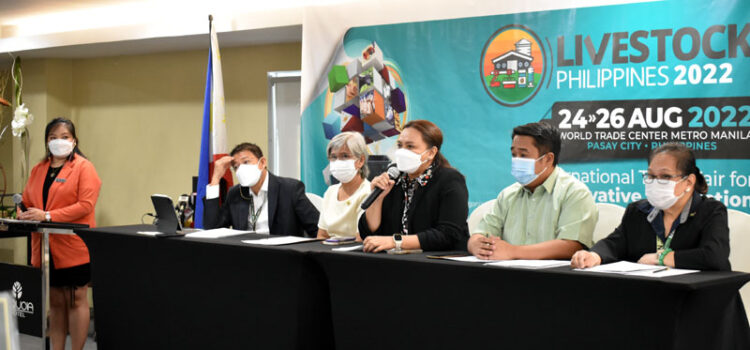
The Department of Agriculture (DA), together with its attached livestock and aquaculture agencies reaffirm its full support for Livestock Philippines 2022 which will take place on August 24-26 at the World Trade Center in Pasay City.
DA has a designated booth that features various displays about meat, aquaculture, dairy, and livestock production from agencies such as the Bureau of Animal Industry (BAI), National Meat Inspection Service (NMIS), Philippine Carabao Center (PCC), Agricultural Training Institute (ATI), National Dairy Authority (NDA), and Philippine Council for Agriculture and Fisheries (PCAF). Farmers from different provinces will also be brought by these agencies so they can watch these technologies and apply them on their farms as well as interact with the stakeholders.
Dr. Ruth Miclat-Sonaco, Program Director of the National Livestock Program for the Office of the Undersecretary for Livestock thanked Informa Markets for the re-staging of Livestock Philippines. “We are glad that Informa Markets have once again organized Livestock Philippines and the DA, through the National Livestock Program, is manifesting its utmost support for the show,” she said.
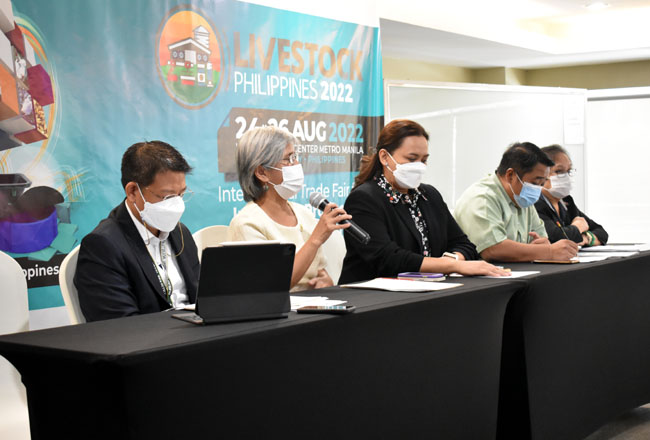 Dr. Sonaco said technical experts from these agencies will also be present during the show to provide assistance and share knowledge with individuals who want to engage or are already into livestock, meat, and aquaculture production. These specialists will also provide the latest updates on African Swine Fever—which will be led by the Philippine College of Swine Practitioners and the International Training Center on Pig Husbandry—and on Avian Influenza to assist producers in managing their farms that will be in accordance with the new protocols and regulations issued by the government. The NMIS will also lead seminars on meat safety programs to provide quality meat products to consumers.
A new feature of the expo is enterprise development, where stakeholders are invited to help establish livelihood programs for smallholders who will showcase their quality products through cookery demonstrations. Dairy will be among the centerpiece of these activities where the NDA and PCC will display quality locally-manufactured milk goods such as yogurt, cheese, flavored milk, and ubiquitous milk tea using the agency’s modernized programs. “These dairy products are prepared by farmers’ cooperatives and dairy federations,” said NDA Officer-in-Charge/Administrator Dr. Farrell Benjelix Magtoto. “We will demonstrate to our visitors that milk is not only for drinking, we will also incorporate it into cuisines. We will also be promoting sterilized milk using cutting-edge technology that does not need refrigeration. This way, we can help communities in the hinterlands or hard-to-reach areas to develop their own dairy industry without the need for refrigeration.”
Another main highlight of the show is the participation of government financial institutions (GFIs) such as the Landbank of the Philippines, Development Bank of the Philippines, and the Agricultural Credit Policy Council. Dr. Sonaco said the GFIs will be instrumental in providing much-needed financial assistance to the farmers. “Because part of the one-DA policy as well as the Masaganang Ani, Mataas na Kita advocacy, financial credit will be one of the primary activities of the DA. Providing accessible credit, especially to small-to-medium enterprises will be among the main drivers for agricultural productivity,” she said.
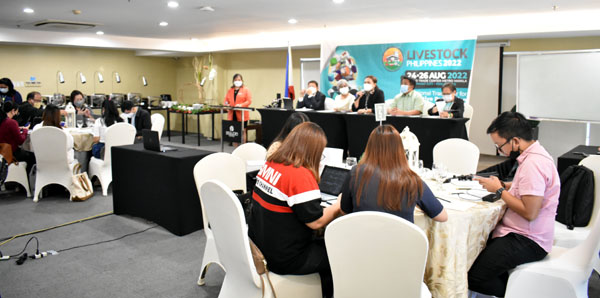
Ms. Rungphech “Rose” Chitanuwat, Informa Market’s Regional Portfolio Director for ASEAN expressed her gratitude to the DA and to their partners for the return of the show, which is held every two years. “This show is a combined effort of the government, led by the DA, and the private sector courtesy of our exhibitors and industry partners. The last edition of the show was in 2017 and ASF has caused the show to be postponed in 2019 and subsequently with COVID19. After five years, we are excited for the show’s comeback because there are a lot of investors who are interested in the Philippines as the country gears up for post-pandemic recovery,” she said. In addition to the local guests, Ms. Chitanuwat anticipates that at least 10,000 guests from the US, Korea, Singapore, Denmark, and other countries will attend the event since they are eager to return due to the cancellation of the 2019 edition. “This year, we will be joined by 250 local and international exhibitors, and that for sure, will gather industry players from across the Philippines and around the world. And this would not have happened without the cooperation of the DA and our partners,” she said.
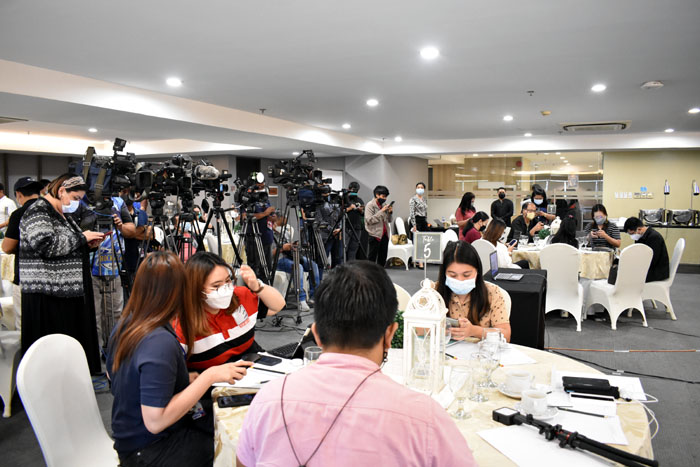 Ms. Chitanuwat also called on the farming community, particularly in the ASEAN, to unite amidst the challenges. “ASEAN is an agricultural region and we need to come together so we can continually produce food. A lot has happened in two years—the pandemic, the Russia-Ukraine war, natural calamities, rising oil prices, and food commodities. In order to overcome these challenges, the ASEAN should combine its resources and efforts so we can ensure that our agriculture industry remains sustainable. Livestock Philippines will be the ideal venue to come up with new ideas to address these concerns. Our networking activities will help us connect not only with our prospective clients but establish lifetime opportunities so we can guarantee that food production will continue no matter what the circumstances,” she said.
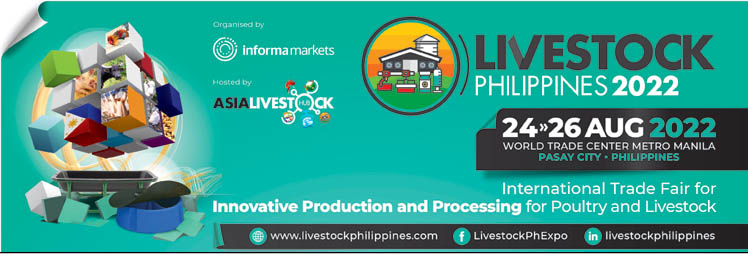
For more information about Livestock Philippines 2022, visit www.livestockphilippines.com or contact:
For Sales:
- Ms. Rita Lau – rita.lau@informa.com
- Ms. Apple Limbo – apple.limbo@informa.com
For Marketing: Ms. Jomia Pagkatotohan – jomia.pagkatotohan@informa.com
About Informa Markets
Livestock Philippines is organized by Informa Markets, a division of Informa plc. Informa Markets creates platforms for industries and specialist markets to trade, innovate and grow. Our portfolio is comprised of more than 550 international B2B events and brands in markets including Healthcare & Pharmaceuticals, Infrastructure, Construction & Real Estate, Fashion & Apparel, Hospitality, Food & Beverage, and Health & Nutrition, among others. For more information, please visit www.informamarkets.com.
For Event Highlights at Livestock Philippines 2022, Click here
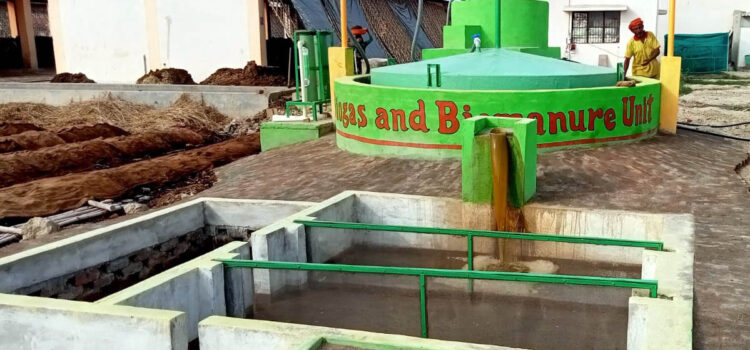

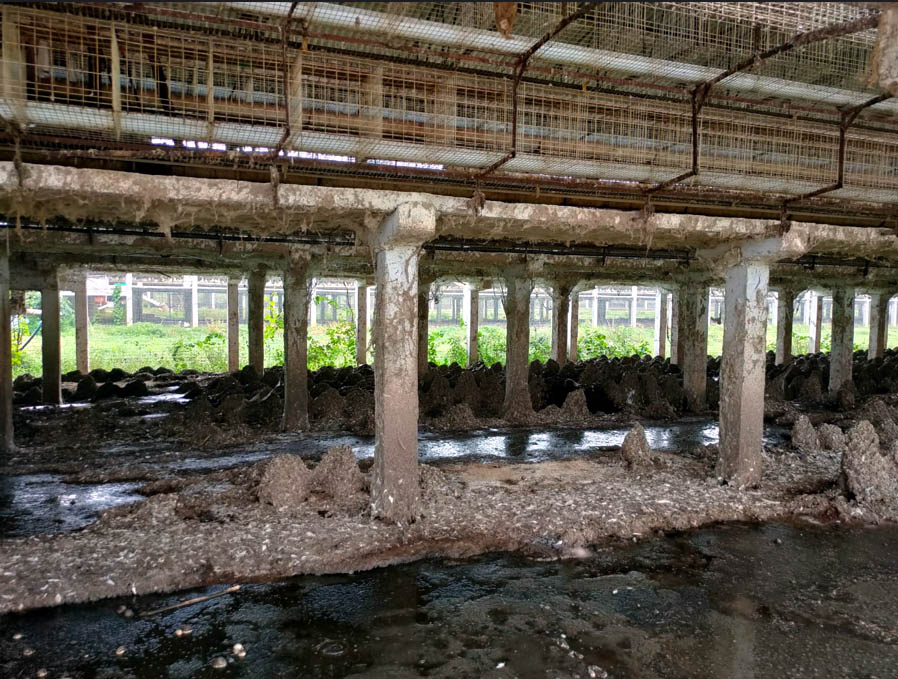
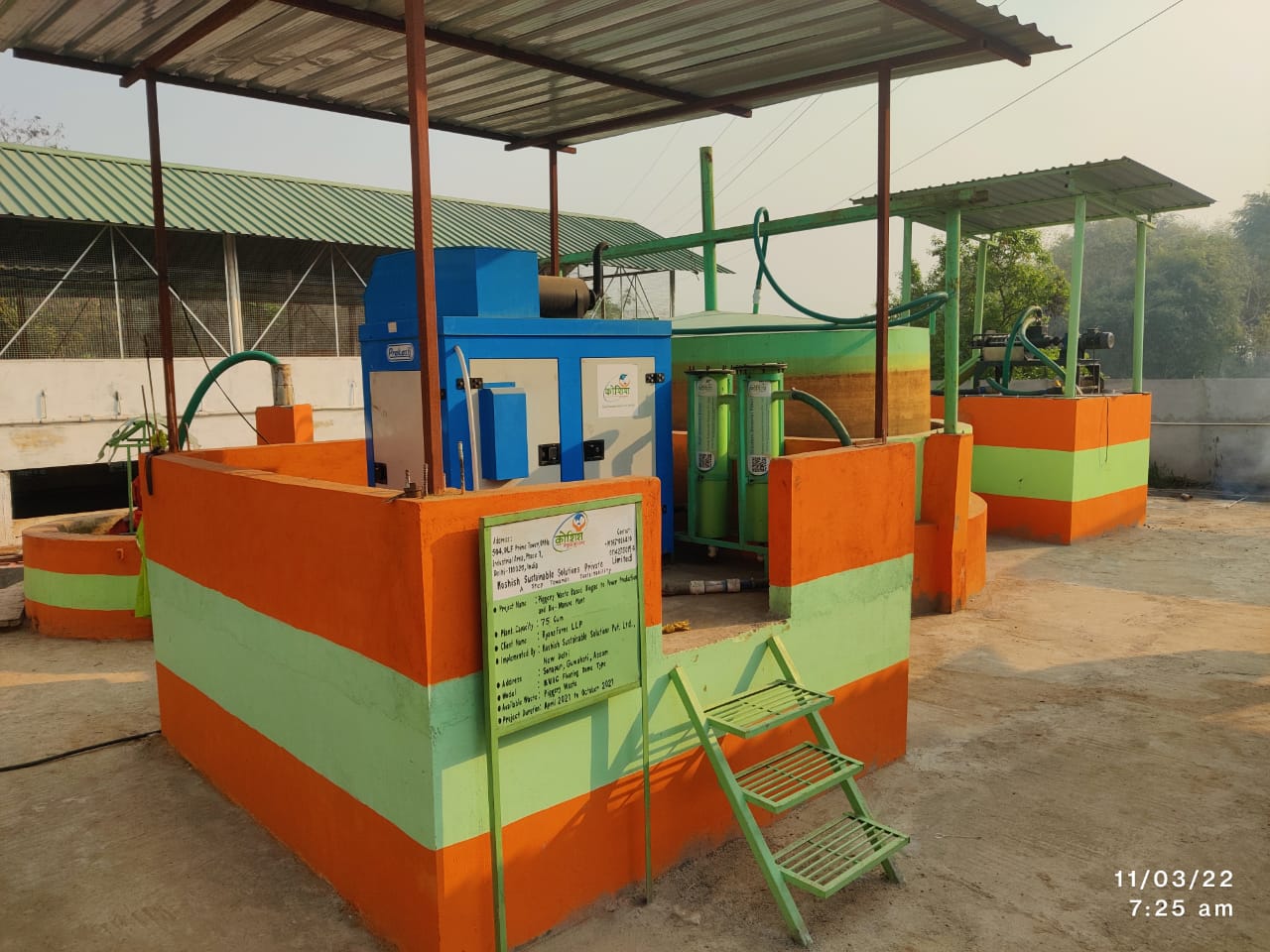
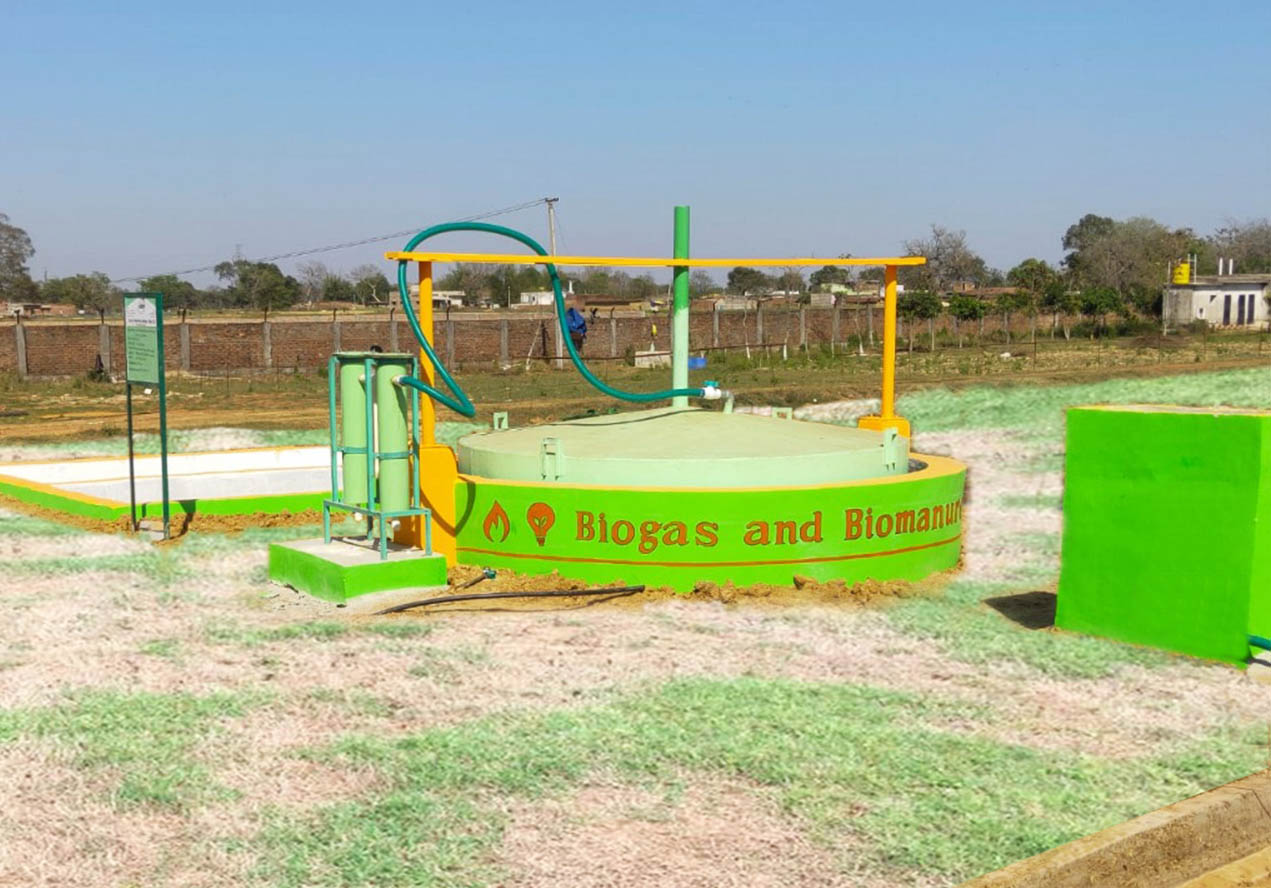 The technology involved in biogas production is simple and can be implemented cheaply and efficiently by employing small-scale digesters that are easy to use and maintain. These biodigesters can offer benefits to all spheres of society but are more beneficial to poultry farms. They can use the gas produced for cooking, running biogas generators, and fertilizing crops with the residual waste or sell them.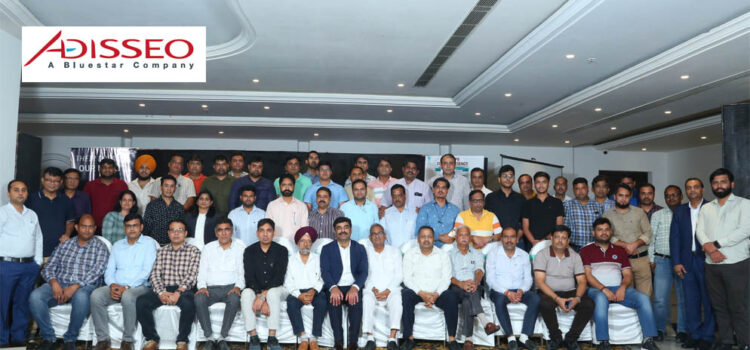

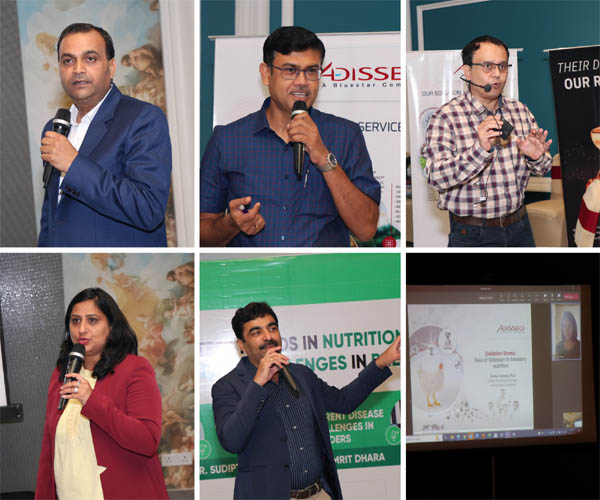
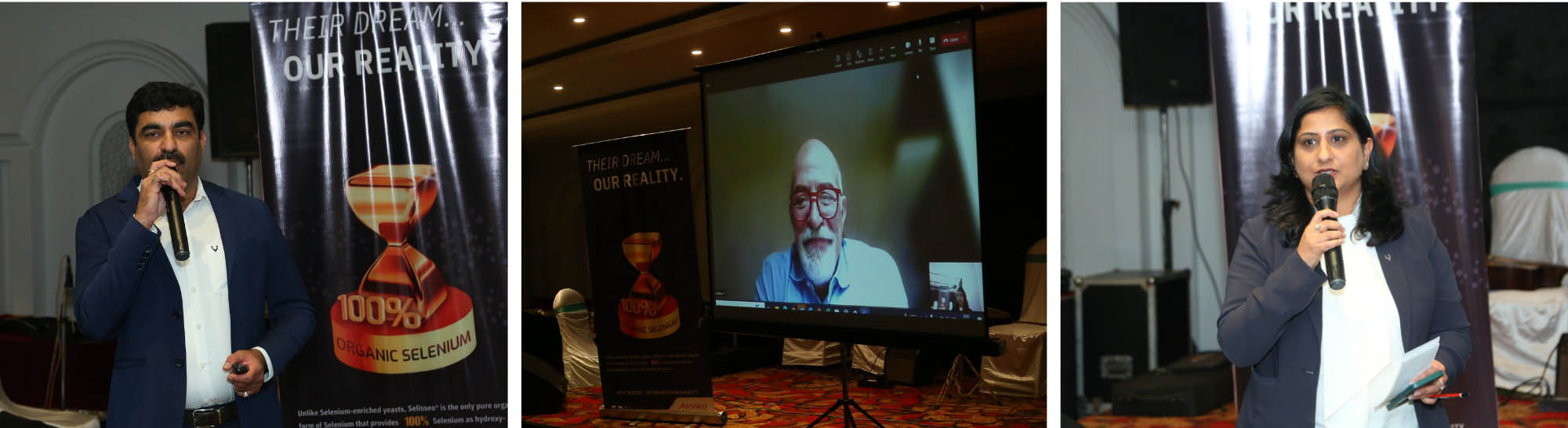
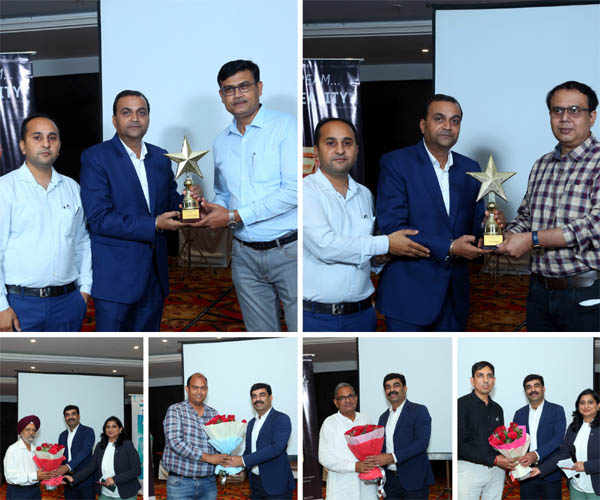
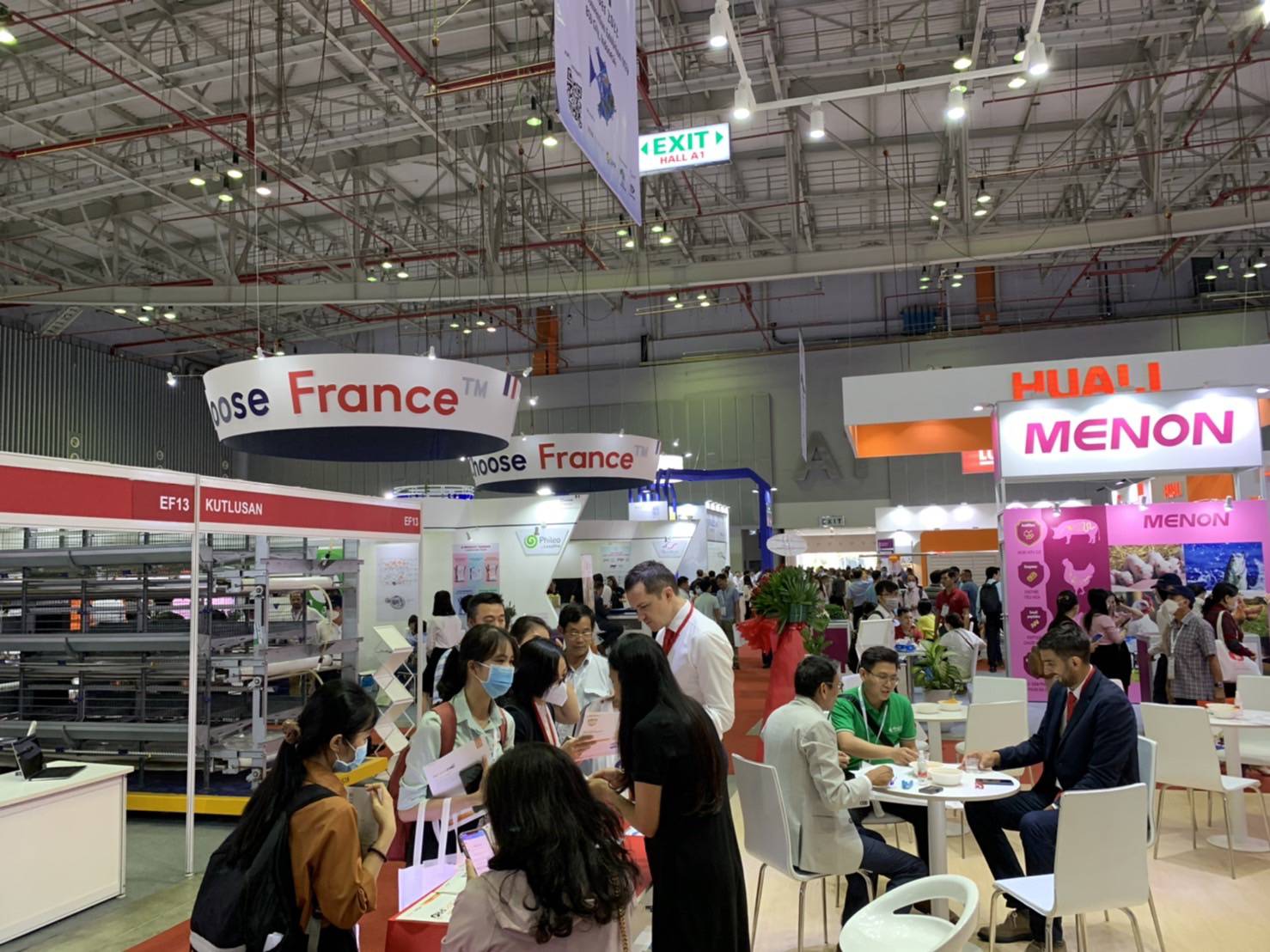
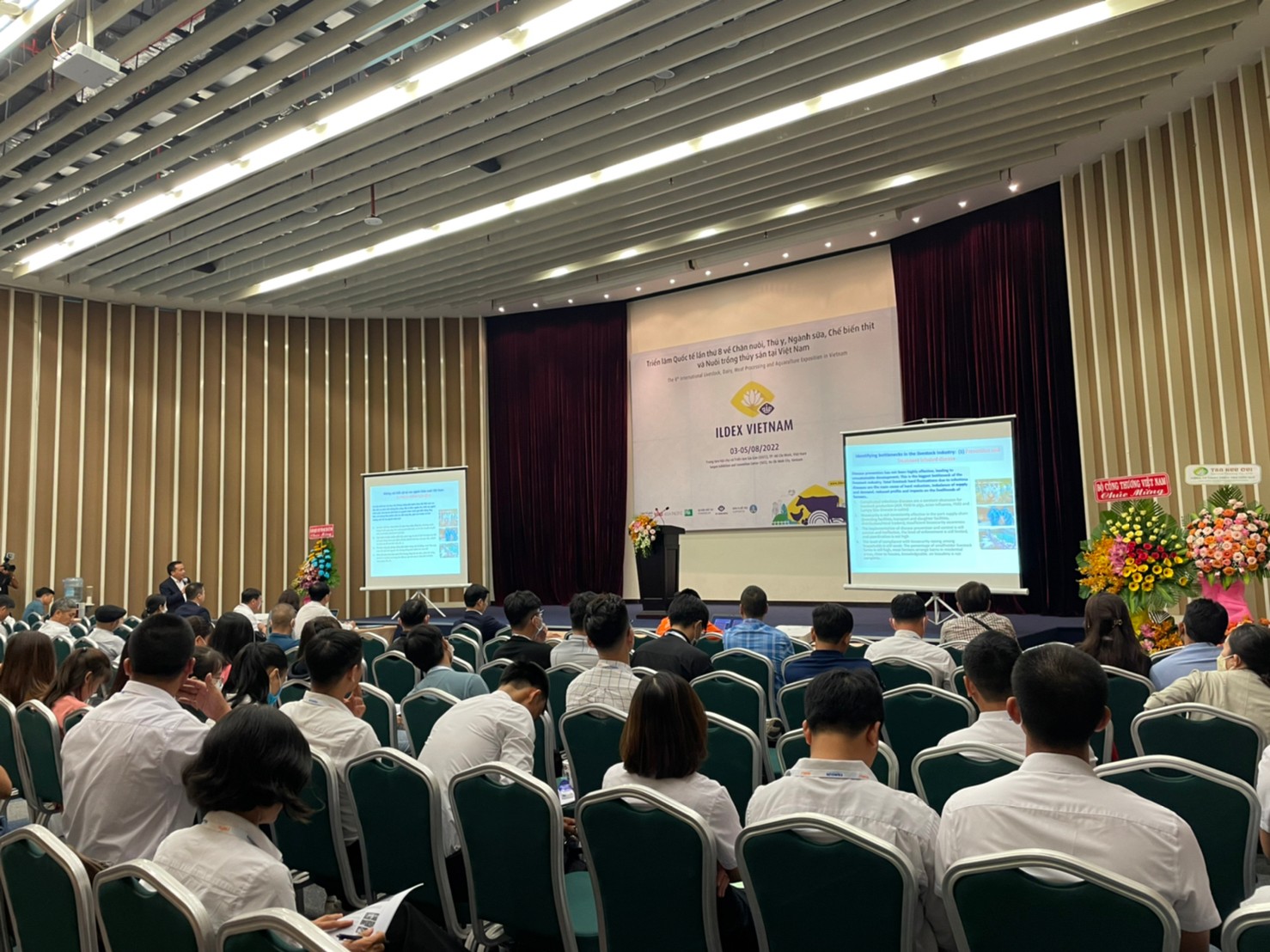
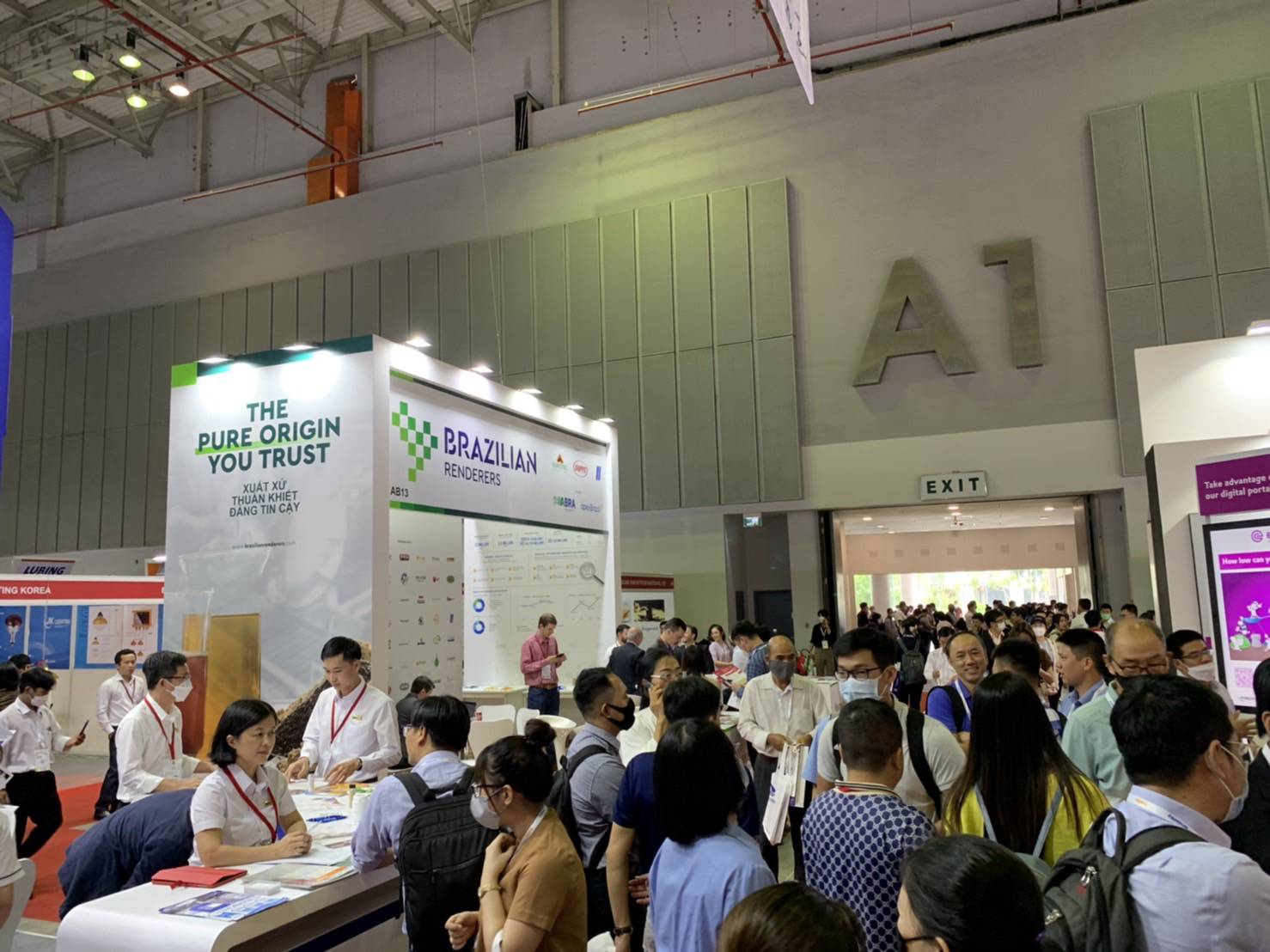

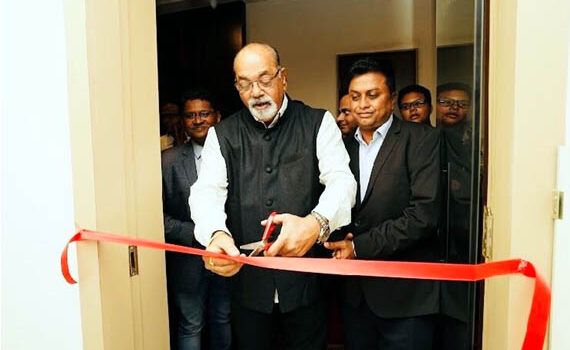
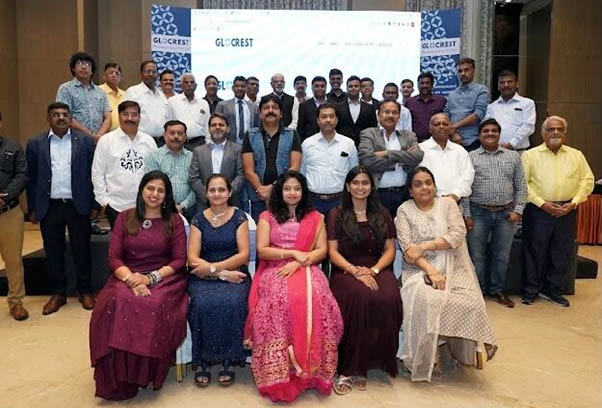
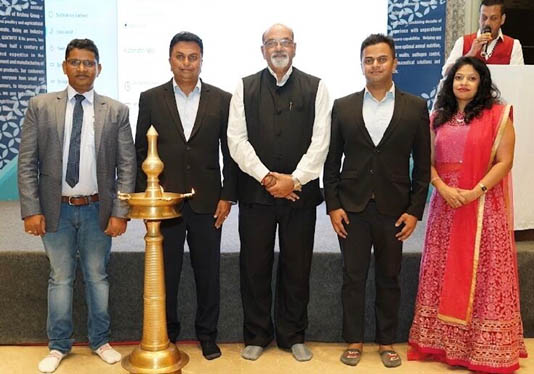
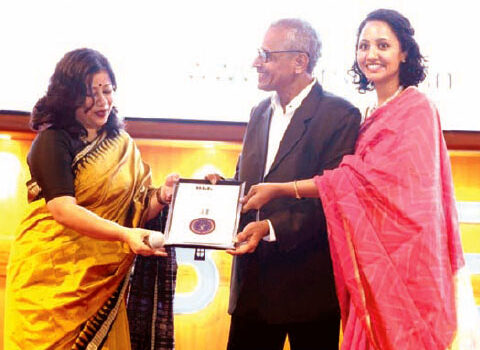
 2022. Big thanks to all our valued customers/ consultants/ business partners from all India for spending their valuable time to grace this event. We look forward to much more of such events & support from our valued guests.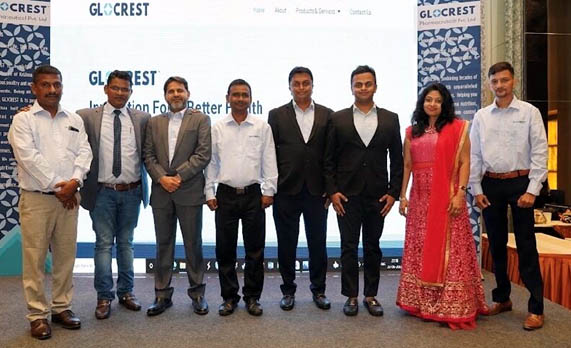


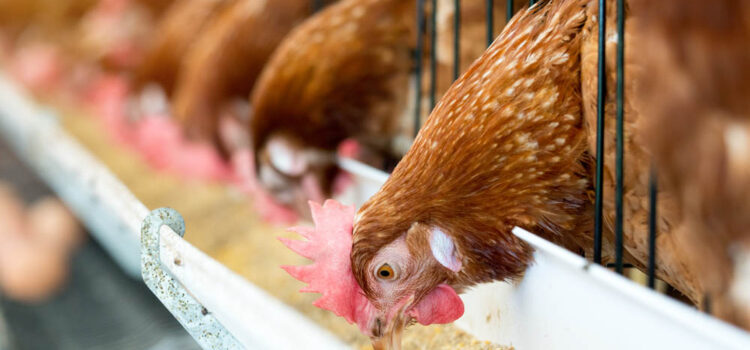
 Since chaos and war go hand in hand, the poultry sector was one of the victims to pay the price. Inflation in edible oils, cereals and grains translated into elevated feed prices. Soy and maize are essential poultry feed materials. In the poultry industry, feed cost accounts for nearly 60-70% of the total production costs. Sudden price hikes make it challenging to keep up with production forcing small to medium businesses to cease production. Externalities arising out of war always come with an exorbitant price tag.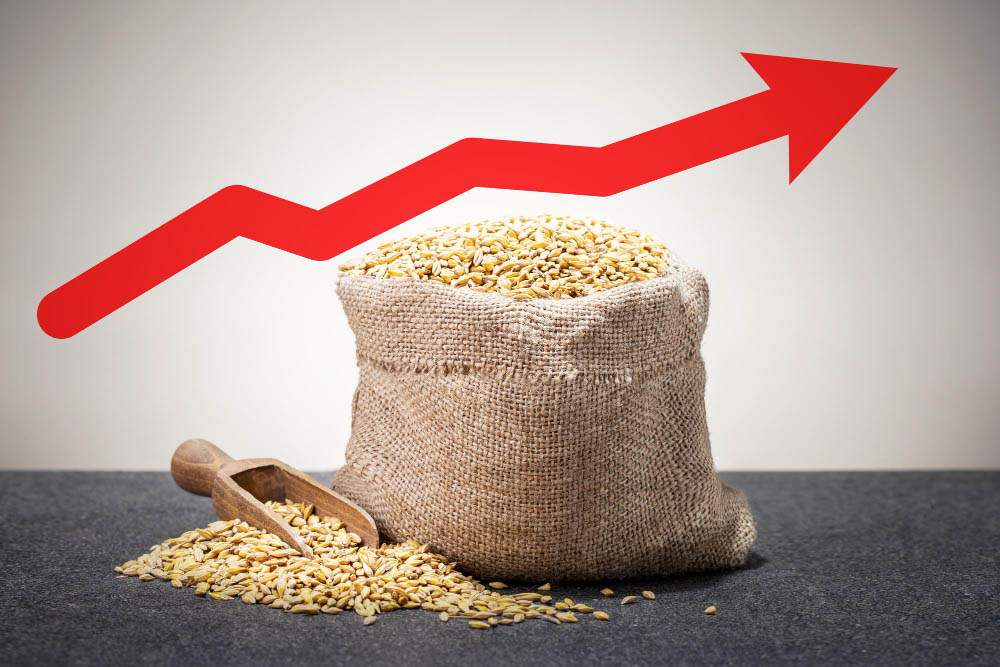
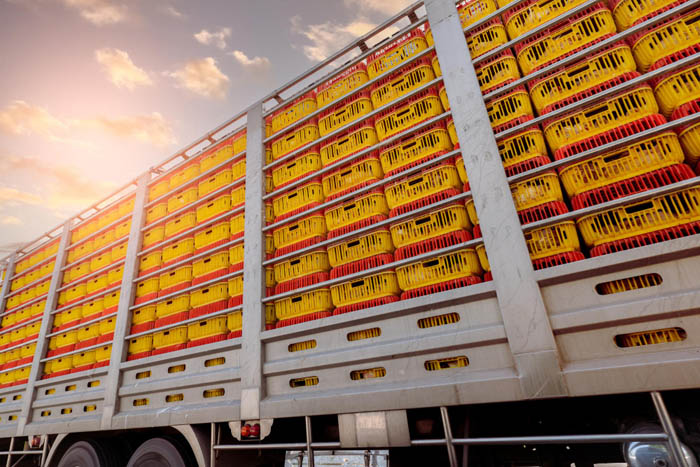 becoming visible in recent times, the former continues to triumph over the latter. However, the existence of poultry belts is regionally skewed. Most of the poultry produce originates from 6-7 states (Maharashtra, Telangana, Andhra Pradesh, Punjab, Karnataka, and Tamil Nadu). Birds are shuttled alive in-between states in appalling conditions. Since the concerned good is perishable in nature, it restricts geographical movement of the output. Transporting live birds results in high bird mortality and shrinkage. With the onset of summer, transporting live birds becomes costlier due to higher mortality risk and reduced supply. It increases cost pushing up the rates.
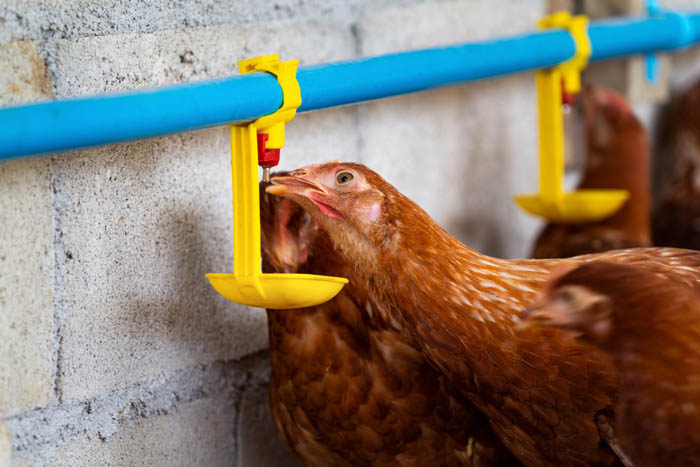 During summer, birds are susceptible to heat stress, adding additional expenses like air conditioners and increased ventilation, which drive up power usage. Also, birds consume less feed due to summer stress, which can sometimes lead to feeding wastage or higher FCR. It is bound to affect broiler performance. It also opens the gate to disease outbreaks that trouble broiler markets’ economics.
 The company is engaged in providing solutions in biosafety for animal and human healthcare. Narsipur is committed to delivering the best of cleaning, hygiene, sanitation, and disinfection to millions across the globe.