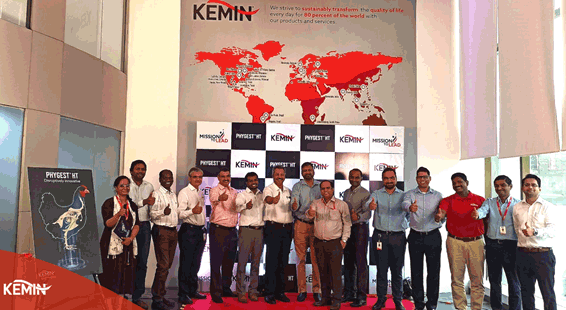
Last month, at Kemin Animal Nutrition and Health – South Asia (KAI) regional headquarters in Chennai, India, the team hosted the launch of PHYGEST™ HT, marking the active beginning of the business unit in the phytase market segment.

KAI President Sureshkumar R spoke virtually to the team about the importance of PHYGEST™, and Marketing Director Tanweer Alam introduced the digital promotional and communication tools for the customer-facing team members to use in an effective campaign.

Partha Das, Head of Technical Services, shared the product matrix of PHYGEST™ and Marketing Manager Chandran B briefed team members on the product. Product Manager Rahul Kapse concluded the product launch with his notes and upcoming plans for PHYGEST™.

With the launch of this new product, KAI aims to establish a strong presence in the phytase market in the coming years. This will help elevate the perception of Kemin as a predominant player in basic enzyme manufacturing in customers’ minds.

Dr. Sushanth Rai, M/s Raison Nutrition | President, Karnataka Poultry Farmers & Breeders Association (KPFBA) KPFBA Logoin an exclusive interview to our Poultry Trends magazine, shares the Karnataka poultry sector challenges and the future trends. He also shares KPFBA objectives and ambitions and member contribution to the development of chicken processing vertical in the State.

Dr. Sushanth Rai is a Veterinary Graduate from VET College, Bangalore & University Veterinary, Animal and Fisheries Sciences Bidar. He has been serving the poultry industry for more than two decades and has trained several farmers to establish farms for better living, through continuous technical support and management. He has also undergone hands on training on Poultry Breeding, Hatching and Feed Milling Technology at North Carolina State University, USA.

Excerpts of the interview are reproduced as follows:

What are the Post Covid challenges for Poultry Sector which you are facing currently?
Dr. Sushanth Rai : Without talking about the challenges during COVID 19, we cannot talk about Post COVID Challenges.

COVID 19 Challenges – Poultry sector went through stress tests during early 2020’s. Many farmers perished. Few survived with huge scars. Though there is no connection between COVID-19 and chicken & egg consumption, WhatsApp university created negative false campaigns of videos, destroying consumer confidence & our profession. Added to this, PETA compared wild animal unorganized wet markets of Wuhan to organized & scientifically run egg & chicken sectors, this drove the last nail into our coffin. Consumer instead of consuming more & more eggs & chicken, boosting immunity, shunned away from consumption. Markets plummeted. Blood bath started from mid Jan 2020 & went on till April 2020. Indian poultry sector estimates a loss of 28,000 Crores in this short period. Thanks to Central & State Government authorities, seeing our plight, they came to the rescue by issuing Public Confidence restoration statements, suggesting consumption of egg & chicken to be safe, boosting immunity & health. This restored public confidence and we started to see recovery of consumption and prices starting May 2020.

Post COVID 19 Challenges –

  1. CV19 impact is different in different states, movement of poultry products between States is becoming a challenge.
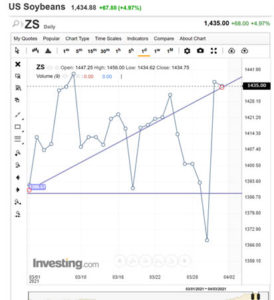
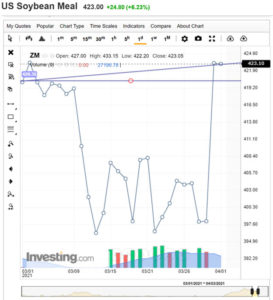
  2. As poultry farming is recovering, paying its dues to suppliers & banks, the new challenge we face is the rising raw material cost. Maize, Soya de oiled cake, lysine, methionine etc. all have been going through the roof over the last few months. This is driving the production cost higher & higher. We fear this may impact consumption.
  3. Last but not the least, the recent outbreak of bird flu, in few parts of the country. Consumers went into the shell, dropping consumption, crashing markets in Jan 2021 to Feb 2021.

Is the poultry sector back on track, or still in the road to recovery?
Dr. Sushanth Rai: As the consumers learned the importance of immunity and got awareness through right communication materials, the Poultry sector bounced back normal from June 2020 onwards with as much as 70% consumption in comparison to pre-covid times. And at present, most of the breeding farms are operating on its full capacity to cater to the growing needs of the consumers. While the sector bounced back, it developed many innovative ways in marketing of the poultry products. Such as more intensive sales through app and web-based platforms also known as contact less sales, where the payment is made online and the product is delivered at the door.

Did the recent bird flu news affect the broiler market in Karnataka?
Dr. Sushanth Rai: Karnataka did not report a single outbreak of bird flu as Karnataka’s poultry farming is very well organized and run-on scientific protocols of neatness, cleanliness and strict biosecurity, as per the guidelines issued by KPFBA. Unfortunately, bird flu outbreaks in other parts of India and media publicity, did scare Karnataka’s consumers, driving consumption down so prices dropped. Jan 2021 & Feb 2021 were very tough months for our profession again.

What are the key objectives and ambitions of KPFBA, and what are your future plans?
Dr. Sushanth Rai: KPFBA is a platform for all the Breeders operating in the State of Karnataka, and it wants all the operators to be on board with KPFBA including but not limited to breeders having commercial breeds such as Cobb, AP95, Hubbard and the like. Being an apex body of poultry farmers in Karnataka, it intends to serve the poultry sector in terms of the following objectives:

  • To promote organized development of poultry farming.
  • To collect, maintain and share the information of poultry farming activity in the State.
  • To liaise between poultry farming community & research Institutions.
  • To represent poultry farming needs to the government at local, State and Central level.
  • To represent Karnataka Poultry farming activity to other associations and stakeholders nationally & internationally.
  • Work towards a holistic 360-degree development of the poultry sector from farm to fork, so as to produce the most affordable nutritious proteins for our consumers.

KPFBA is officially completing its three decades of active existence in this year, as it started in the year 1991. We are planning to celebrate the 30th year in a vibrant way shortly.

How is chicken processing now changing shape in Karnataka ?
Dr. Sushanth Rai: We can answer this question in two parts, Rural Karnataka & Urban Karnataka.

  • Rural Karnataka – Rural parts of the State continue to thrive on wet live bird sales. Price is the only factor that drives consumption in this segment.
  • Urban Karnataka – Chicken processing on scientific grounds is gaining acceptance in this segment. Post COVID-19 people wanting to buy safe food, from a safe place, are gaining traction. During the COVID-19 & post COVID-19 era, people have restricted their movements. They prefer buying all & most of their consumables online & have them home delivered. This convenience behaviour of consumers has massively supported centralized processing activity. On top of this, urban Karnataka consumers prefer not to enter the live animal butchery shops which is very gory to look at and very unpleasant experience. This movement has intensified post COVID-19. This has helped processing and retailing in a better environment, using better technology / tools and giving better buying experience to urban consumers through marketplace, online & offline. So, supporting processing.

How are your members contributing to the development of Chicken Processing Vertical in Karnataka?
Dr. Sushanth Rai: Some of our members are aggressively pursuing Chicken Processing activities, and are constantly expanding their business in this line for example,

  • One of our member M/s Nanda Group started their first retail outlet Nandu’s in 2016, and now has 55 retail outlets in Bangalore.
  • Another member M/s Lifeline Feeds and Farms Pvt Ltd Started a mini slaughtering plant of 200 birds per hour capacity with first retail outlet under the brand name LifeLine’s Tender Chicken in Chickmagaluru and now it has 40 retail outlets in Bangalore & Chickamagaluru with ultra-modern slaughtering facility with a capacity of 3500 birds per hour.
  • Al-Arif Group has 23 Outlets in Dakshina Kannada, Udupi District, Uttara Karnataka & Shimogga District with a total capacity of processing 15,000 birds per day, which started in 2010 in Kundapur, and they have ventured into further processing from 2018 and supplies RTE & ETC products under the brand name Al-Arif Foods to neighbouring states also.
  • Ideal Chicken has about 17 outlets, which started in 2005 and process about 10000 birds per day to cater the consumers of Mangalore, Udupi and some parts of Kerala.
  • Coastal Hatcheries started its first manual Processing Plant in 1998 and at present it operates 13 outlets in South Canara, Udupi & Mysore to sell chilled Chicken. It has a capacity of processing 2000 birds per hour with ultra-modern machinery of Euro norms installed in 2019.
  • Ruchi & Souza Hatcheries has about 6 outlets in Mangalore and Chikmangalore District.
  • Kwality Chicken is operating with Three outlets in Belagavi / Belgaum under the brand name Belchick.
  • Uncle Chicken, MyChicken&More, Kavi Protein, The Meat Factory, Farm Fresh and many more are serving Chilled, RTE, RTC Chicken Products in Karnataka.

The list of operators is growing every month. Many of these operators also do institutional sales to hotels, restaurants, quick service restaurants and caterers too.

In addition to the above, many Aggregators are also mushrooming up to serve the customers through app and web-based sales too.

Large Scale Chicken Processing is said to be more environment friendly as opposed to slaughtering at local retail shops, please comment.
Dr. Sushanth Rai: You are spot on. Solid & liquid waste generated in organized processing is handled scientifically with huge responsibility. Solid waste is sterilized into rendered meal to be used as raw material in pet food industry. Liquid waste goes through ETP, the resultant water is crop agriculture grade and is also used to recharge the ground water level. So, becoming a circular economy and environmentally sustainable. Yes, processing is very environmentally friendly and is the future. Local live animal butcheries handle solid and liquid waste differently and it clogs all municipality sewage drain lines. This is public health hazard and nuisance.

What is the reason to witness such a growth in the processing sector as compared to live bird markets?
Dr.Sushanth Rai: It is reported that the sales are growing in Processed Chicken Outlet due to the hygiene factors and well maintained odour free shops, as it attracts women to visit the shops to choose their choice of meat products as compared to regular chicken shops where normally the men visit to purchase their meat requirements.

How you see the future of industry in the next 2 years.
Dr.Sushanth Rai: Today India’s approximate consumption is 75 eggs per person per year and 4 kgs of chicken per person per year. This is too low compared to world averages. To boost protein levels in people, animal protein intake will increase driving the industry higher, both in egg & chicken. Post COVID-19 we see V type economy recovery, leading to more manufacturing happening in India, more jobs generation, more disposable income in hands of people, this will only drive consumption north in next 2 years. Rural India will thrive with live bird retail stores. Urban India will see a slow shift from wet live bird retailing to new age retailing. We see processing and brands gaining support from urban consumers. Technology deployment will be massive in backend operations. With the introduction of the farm bill, we also see the possibilities of investment into crop agriculture infrastructure increasing raw material quality, dropping wastages and driving efficiencies across the backend chain. Poultry farming will go through a very exciting phase of opportunities in the next two years.

At present about 92% of the poultry products are sold through unorganized wet market / retail outlets by doing on the spot slaughtering, and about 8% of it is sold through branded retail outlets which they process centrally in the city outskirts. As the eating habits are changing dramatically among the urban consumers, particularly post covid this ratio of 92:8 may change its course soon and the processing vertical may take over shortly, and by 2025 we may see a ratio of 70:30 between convention shops and branded shops to serve daily requirement of chicken to the consumers.

Any message to the industry and farmers of other States.
Dr. Sushanth Rai: Industry Associations plan an important role during any crisis and put lots of efforts in curbing any obstacles which the industry faces. From this platform of Poultry Trends magazine, I would like to give a message to all the players in Poultry Sector to support your State Poultry Associations in whatever possible means and ways, because associations can do wonders if and only if they are empowered with resources such as men by volunteering, material by way of expertise and information and money by way of sponsoring whenever needed and paying on time membership subscriptions.

The article explains how essential oils emerged as potential alternative to antibiotics, in improving gut Authorshealth. Due to presence of active ingredients, having wide range of bioactivity, they help in achieving eubiosis and exert beneficial effect on performance of birds.

Nutricare

The demand for poultry products has grown exponentially in last few decades and it is estimated that production will reach up to 130 million tons of chicken meat in 2022, when it will become the most consumed animal meat in the world. Poultry being most efficient feed converters, with a feed conversion ratio in the range of 1.5–1.9. It requires maintenance of high feed efficiency as it plays an essential role in the capacity of the poultry sector to meet the growing demand for poultry products. It comes out as a major challenge, since the intensive production of birds is very prone to be affected by outbreaks of infectious diseases, particularly when unfavourable condition arises.

Optimum gut development is crucial

Gut development starts in embryonic stage. In birds, maximum gut development happens between day 17 of incubation till final hatching. Maturation of gut starts after hatching when chick switches over from yolk nutrition to external feed. At this time, enzymes get secreted and immune system starts to mature as well. The sterile gut gets colonized by an abundant and diverse community of bacteria, influencing the health of birds through their effects on gut morphology, nutrition, pathogenesis and immune responses. At around 21 days, the microbial population in the small intestine is largely established. Since, all environmental microorganisms, including commensals and pathogens would have equivalent freedoms to colonize the gut during this timeframe, it’s notable to keep up eubiosis inside sterile gut.

Healthy Poultry Gut: A Holistic approach

The structure and functioning of the gut are crucial for the health of the poultry. The process of maturation of the gut microbiota throughout the growth cycle of the birds has a resolute impact on the development of the intestinal epithelium and the modulation of the physiological functions required to maintain intestinal homeostasis. To achieve healthy gut, it should have optimum development, balanced microbiome, free from toxins and adequate secretory function. Any alteration or abnormality in these functions leads to gut upset and loss of nutrients.

Feed additives for achieving healthy gut

In recent decades, feed additives gained huge popularity in poultry nutrition to stimulate production performance and to improve welfare and health, especially in stressful periods of life. Many feed additives have a direct or indirect effect on improving the integrity of the intestinal epithelium and on the amount of fermentable substrate available for the intestinal microflora. But, they should be properly selected and administered wisely, as many may have negative impact on gut balance. Feeding of antibiotics as feed additives have often been attributed to dysbiosis & antibiotic resistance, therefore need for natural alternatives came into highlight.

Natural alternatives over Antibiotics

The main advantage of natural alternatives over antibiotics is that they do not usually bear any risk regarding bacterial resistance or undesired residues in products such as meat & eggs. Addition of NGPs to feeds of poultry may have a number of beneficial effects, including:

  • Rapid development of a healthy gut microflora
  • Stabilization of digestion
  • Increased growth performance
  • Stimulation and rapid maturation of the immune system
  • Reduced incidence of diarrhea
  • Improved feed efficiency
  • Lower mortality rates
  • Higher profitability

Essential oils: A potential natural alternative

Essential oils have a great potential and are generally considered natural, less toxic, and free from harmful residues. They are natural, volatile and aromatic components isolated from plant sources (leaves, fruits, flowers, buds, herbs, seeds, twigs, bark and roots) that have the potential to combat many infectious pathogens.

Essential oils are significantly used as antiseptic, antibacterial, antiviral, anti-parasitic, antifungal, and insecticidal. Hence, essential oils can serve as a powerful tool to reduce the bacterial resistance. In addition to this, they possess antioxidant, anti-inflammatory, anti-toxigenic, antiquorum-sensing and immune-regulating properties.

Oils Usage

Synergistic effects of essential oils potentiate eubiosis

Essential oil shows a potential to improve gut health due to presence of various active ingredients like thymol, carvacrol, eugenol and apparently no side effects. Thymol and Eugenol alter the membrane permeability of pathogens, causing leakage of intracellular contents. In addition, thymol, carvacrol and eugenol exert synergistic or additive antimicrobial effects when supplemented together, even at lower concentration. They show potent activity towards different pathogenic bacteria like Escherichia coli, C. perfringens and Salmonella strains and weak activity towards beneficial Lactobacillus strains, promoting eubiosis in gut of poultry.

Due to their antibacterial activity, they might be able to modify the composition of intestinal microflora and to exert beneficial effects on performance of birds. It also increases digestive enzyme production. Essential oil like Peppermint relaxes the smooth muscle cells that lines the gut.

Table: Essential oils having antibacterial effect on different bacteria

Essential oils

Targeted Bacteria

Thyme oil Clostridium perfringens, Pseudomonas aeruginosa, E. coli, Salmonella
Cinnamon oil Staphylococcus, Enterococcus, Pseudomonas aeruginosa, Salmonella, E. coli, Bacteroides fragilis
Oregano oil E. coli, Salmonella, Staphylococcus
Peppermint oil E. coli, Listeria, Salmonella, Staphylococcus aureus

Essential oil showed an overall modification of the microflora, a reduction of Clostridium perfringens, a decrease in E. coli numbers in intestine of poultry birds. Carvacrol and thymol can sensitize the cell walls (including membranes) and cause significant membrane damages, leading to integrity collapse of the bacterial cytoplasmic membrane, leakage of vital intracellular contents and eventually death of the bacterial cells and these has very less effect on useful microbiota.

More details can be reached at www.nutricare.in

Innovista Feeding Solutions Pvt Ltd, New Delhi is looking for Regional Sales Head (Eastern India) based out of Kolkata.

Vacancy Poultry

Innovista Feeding Solutions is an ISO 9001:2015 certified company, in the space of animal feed additives and nutrition. They have sales and marketing operations pan India with exports to several countries worldwide. They are recognised for exquisite, conceptual essential oils based natural growth promoters and a wide range of AGP’s and anticoccidials.

Position: Regional Sales Head
Zone : East Zone
Based at: Kolkata

Sales Experience: 2 to 10 years experience in Poultry background preferably in feed mill segment

Qualification: Graduate/PG in Veterinary Sciences/ Animal Nutrition, B.Sc etc. preferred.

Salary: Pay package not constraint for the right aspirant.

Interested sales professionals are welcome to forward updated resume ( MS Word ) to innovistakolkata@gmail.com

F1rst along with Revelations Biotech Pvt Ltd invites you for an interesting session on the role of FOS in animal feed products.

Topic: Transforming the feed performance through affordable functional prebiotics – New Opportunity !!

Date: 23rd March 2021
Time: 4 PM – 5 PM IST.
Charges: FREE
Speaker: Dr. Ravi Chandra, Ph.D in Molecular & Structural biology

Registration link https://register.gotowebinar.com/register/1777400541586834959

Highlights of the webinar:

  • Importance of prebiotics in feed
  • Role of Fructooligosaccharides (FOS) in modulating intestinal microbiota, enhancing growth, performance & immunity in poultry, shrimp, cattle, fish & pets.
  • Addition of dietary FOS improved the microbial diversity & suppressed several pathogens in shrimps, demonstrating the power of FOS in shrimp feed.
  • Inclusion of FOS in calcium supplement suspension resulting in phenomenal increase in daily milk yield & milk fat% in dairy cattle.
  • FOSLIFE® a cost effective, high quality feed ingredient manufactured through a disruptive innovation, a registered brand of Revelations Biotech Pvt Ltd.

Organiser’s Introduction :
Revelations Biotech provides advanced scientific solutions and science driven biotechnology products.
F1rst is a business associate of Giract, Geneva. It brings ingredients & food industry executives together at the same table with highly focused networking events.

For any queries, you may contact Samina Rahim at +91 7019412855 or write to samina@firstmr.com

SPONSORED

Studies have revealed that changes in the environment, like the heat wave, adversely affect poultry. It affects their egg size, egg-shell quality and egg production, body weight & hatchability. Heat stress means that a bird is unable to Proteon Pharmaceuticalsmanage the heat it loses and produces. Though there can be many stressors, such as nutritional, physiological, psychological, social and poor management, but environmental stress affects poultry the worst. Ideal temperature for proper production is 18 – 23 degree Celsius, and when it changes, production performance of commercial poultry declines.

Effects of Heat wave on Poultry

During the heat wave, birds start eating less and drinks more water, but their body’s capacity to retain it is affected due to the loss of potassium and other electrolytes from the body. So, even though they try to keep up with the weather, they are still affected massively. They get dehydrated and lose body weight as well, which impacts the production.

Diseases caused during the Heat Wave

The worst thing that happens during such high temperatures is that birds become more vulnerable to CRD (chronic respiratory disease) E. coli & Salmonella sp.. E.coli is specifically problematic as a secondary disease. The moment birds become a little susceptible to any disease, E. coli wiggles in, adding to the poor birds’ deteriorating the health. It is essential to add proper supplements like BAFACOL & BAFASAL+G to support birds health & prevent the mortality.

Symptoms of sickness

Birds show clear symptoms of heat stress.

  • Panting
  • Increased body temperature
  • Reduced appetite
  • Increased intake of water
  • Reduction in egg production
  • Reduced body weight gain
  • Poor egg-shell quality
  • Reduced hatchability

How to avoid heat stress in poultry?

These diseases caused by heat stress lead to major financial losses and increased birds’ mortality. There are many preventive measures that help in avoiding such a problematic situation. But it takes proper preventive ‘medication’, housing management and caution to care for poultry and avoid heat stress. One important fact to remember here is that adding unnecessary antibiotics to the bird’s feed can be quite counter-productive. It adversely affects the bird’s health and the environment. There is a better way to get through this.

Using Bacteriophages

Bacteriophages are better at the job here, since they are easy to use, non-toxic and helps in reducing the infection without creating antibacterial resistance. It took years of research and development to get Bacteriophages to be industrially used. Proteon Pharmaceuticals rose to the challenge of establishing a platform for deeper research into these possibilities and developed BAFACOL & BAFASAL+G. It is natural, non-GMO and biodegradable, and is suitable for all poultry species. This may as well be the birds’ best friend, since it supports their health, production performance and FCR. It is highly effective and can be used for packaged and processed meat production. BAFACOL & BAFASAL+G is revolutionising poultry management by keeping poultry farms from lowered productivity and financial losses. And the interesting fact is that it does this without negatively affecting the microbiome.

Management of space and housing for poultry

Other than using as BAFACOL & BAFASAL+G as a feed supplement, there are several basics that farmers should adhere to during the heat wave.

  • Overcrowding of birds should be avoided.
  • Proper cross ventilation, fans, water sprinkled curtains, thatched roofs and other structural measures to keep the birds away from all that heat.
  • All transport activities should be carried out at night.
  • Increase clean and cool watering frequency, as deprivation of water can increase risk of mortality.
  • Cover water tanks with gunny sacks to avoid it from direct sunlight.
  • Feed to water ratio is usually 1:2, but in temperatures beyond 95 degree Celsius, the ratio should be changed to 1:4.
  • Feed should be provided during early hours of daytime in broilers.
  • Increase nutrient density to compensate for reduced feed intake.
  • Available phosphorous content should be increased.

Keep an eye on those birdies. They shouldn’t get too hot, no matter how much the weather does.

This is literally just the half of it. Birds need a lot of good care and management to be healthy and productive. Proteon Pharmaceuticals is dedicated to help farmers make the best of their farms and makes an effort through its products to improve their profitability.

We are on the lookout for Lab Technologist ( Pathologist / Microbiologist ) for our client, a large Poultry Conglomerate based in Banglore.

Position Title : Executive / Senior Officer – Poultry Lab
Place of posting : Banglore
Qualification : B.V.Sc / M.V.Sc ( Pathology / Microbiology / Poultry Science / Public Health )
Experience 2 to 5 years in Broiler / Breeder Laboratory
CTC : Best in the industry

Roles & responsibilities:
– Should be able to test and analyze sample like swabs, blood, serum, water and collections.
– Collection, preservation and dispatch various types of samples
– Knowledge of handling Eliza, HA, HI, RtPCR & Histopathological investigations.
– Preparation of agar plates
– Should be able to analyze and suggest any prevention of disease and effective prevention process.
– Able be to handle hygiene audit of B& H, Commercial farms and feed mill.

Contact Mr. K. Bhupesh, Vistas HR
E: contactvistashr@gmail.com | Cell : 097897 88388 | Whatsapp : 082203 77957

Whenever a poultry producer faces a problem of lameness, he points his fingers towards feed and the nutritionist. Fig2We come across many poultry farmers changing feed suppliers/ integrators once they face the challenge of lameness. Culls as called in local language should be limited to maximum 1% during entire rearing of broilers. In this issue of Poultry Nutrition Bites, we will try to address lameness/culls in broilers and how can it be addressed.

Lameness can have a nutritional, viral, bacterial or traumatic etiology. Asking questions only about feed source, access to feed and changes in feed and its formulation is not sufficient. There can be bacterial and viral infections behind lameness in commercial poultry.

Table

Rule out the infectious factors:

As bacteria (particularly Staphylococcus species) can enter the birds well before the onset of clinical lameness, a full history, including early chick quality, the donor source, scratching injuries, respiratory insults, gut health issues (including the quality of the water) and traumatic tendon damage should be recorded. Chicks source or parent information is important for assessing potential viral etiology and genetic predispositions. Understanding the rapidity of the growth rate and modifications (such as light programs) is important information. It is important to determine the root cause of infection if Staphylococcus aureus or Escherichia coli are involved. They can enter the blood stream through the skin, the respiratory tract, the intestinal tract or during incubation or hatching.

Birds with lameness can often present with varying signs. At least 15 birds with typical clinical signs should be Fig2necropsied. Starting at the feet, note the condition of the footpads, any joint swelling (pus or serous fluid), the thickness and firmness of the gastrocnemius tendon, and any erosions in the hips. Slice the top of the hock from the medial side to inspect cartilage formation for dyschondroplasia. Bend the tibia to detect reduced bone strength, which will be affected in rickets. Open the abdomen and check for lesions, especially around the air sacs. Check the keel for breast blisters. Check the sciatic nerve if lameness caused by Marek’s disease is suspected. With a sharp surgical blade slice ventrally through the spinal column to look for abscesses, which can be found on the free thoracic vertebrae. Check other joints, such as those of the wing, for swelling or abnormal fluid. Note the findings in each bird to determine the predominant cause. If a bacterial etiology is suspected, swab the affected joints and place the swabs in bacterial transport medium. Collect blood samples from 10 birds for serology. Collect feed and water samples. If feed retention samples are kept by the farm, collect samples from the time when leg problems were first noted.

As lameness due to bacterial infection can often be chronic, antimicrobial treatment will often not resolve the problem. Infection will often be secondary to other causes and the penetration of antimicrobials to the sites of infection is often poor. Label directions for food-producing animal usage must still be taken into consideration. The exception to this will be when Mycoplasma synoviae or Pasteurella multocida are involved. The parent history and other signs in the birds should help differentiate these from other causes, such as Staphylococcus
aureus. Nutritional stress can also trigger bacterial infections. This stress may be due to an inadequate diet, but any factor that inhibits feed intake in some or all birds in the flock can be responsible.

Antimicrobial susceptibility testing should be performed to ensure that the most efficacious antimicrobial is used. A number of antimicrobials, including Amoxicillin, Erythromycin, Tylosin, Oxytetracycline, and Chlortetracycline have been used to treat acute and subacute infections. Clinically affected birds respond well.

Infectious causes behind lameness must be diagnosed. Root cause behind lameness coming from Parents, Hatchery (temperature), Poultry house must be corrected. Use of specific anti-microbial can be a short-term flock specific measure.

Verify Nutritional factors:

Calcium, Phosphorus and minerals are critical for lameness issues and a good nutritionist always double checks these levels in formulation. Indian nutritionist follows the below levels for broiler formulation.

Table 2

Optimum Total Calcium to Available P ratio should be between 2.0-2.2 to 1. Though these ratios are not that significant with precise nutrition in current times. The levels in the table are including matrix offered by Phytase suppliers. Calcium concentration may vary by 10% depending upon limestone sources, particle size and solubility. Phosphorus availability is considered 85% from DCP and MBM and 100% from MCP. Average TDS of Indian farm water 1000 and at this level’s calcium concentration is 200mg/L. Birds take 2.5-4 times water against feed in summer. A correction of 5-10% in feed Ca levels needs to be applied considering this.

LamenessExcess Ca in diets depress feed intake, growth rate. Trials across the world have proven that. Indian farming is full of stress and infections. Including acidifiers in feed is a common practice in India to lower pH. Increasing Ca levels in feed increases pH of crop and digesta in the small intestine. The beneficial effect of acidifier is minimized by this. To increase feed density nutritionist generally increase oil levels in summer. Excess Ca levels in diets form soap with oil/fats and lowers its digestion and absorption.

Calcium from Limestone is usually soluble in proximate gut and acts as a bridge in the lower GIT to bind protein. This leads to improper digestion and undigested particles in droppings, a huge issue in summers. Ca has negative interaction with other minerals (P, Mg, Mn and Zn) means if you keep Ca levels higher you need to keep mineral levels high in premix, especially these four. Calcium levels lowers down Phytase efficacy. Excess Ca level in diet increases anti-nutritional effect of Phytate as 1 IP6 can bind with 6 Ca ions. These extra Ca in diet forms insoluble Phytates which is less accessible to Phytase enzyme. Higher level of Ca phytate bindings leads to reduced protein and aa digestibility. Excess Ca in diet depress P digestibility. +0.1% Calcium levels can decrease P digestibility by 4%. When higher Ca levels are used make sure not to take higher matrix of amino acids from Phytase enzymes.

Analyzing at practical Calcium and Available Phosphorus levels in Indian diets, Phytase levels must be included to a minimum of 1000 FYT/kg of feed. Calcium shouldn’t be kept very high fearing lameness as this may have a negative impact on so many performance parameters.

Nutritional causes behind lameness can be due to underfeeding or overfeeding of minerals. Once lameness is seen in the flock, its not a correct way to increase Calcium and Phosphorus levels without analyzing other causes. Mineral sources need to be analyzed for content and availability. Use of Phytase is very critical and it can have a direct role in nutritional cause behind lameness.

For references, questions and feedback write to Novel Life Consultants, Bangalore. Email id is novellife.bangalore@gmail.com and contact no Landline 080-41326221 Mob- 9611337444).


Novel Life Consultant (This article is a work of Novel Life Consultant and is for public information purpose only. This has been written to share knowledge on poultry nutrition and is not a legal information or statement. Reference to any specific product or entity doesn’t constitute an endorsement or recommendation by the company. The views expressed by the writer are their own and their appearance does not imply an endorsement of them or any entity they represent.)

We often talk about innovation in products, services and manufacturing. Innovation in management practices could get a potent tool in changing the entire competitive landscape and provide a long lasting competitive advantage. This article talks about how innovation in management practices help with the help of some examples.

Recently, I came across Value statement of a large FMCG organization and was intrigued by the Value of Innovation where it also covered Innovation in management practices. Often, we see innovation is restricted to R&D, Process and Products. When I started to search for more information on Innovation in Management practices, to my surprise I found there was not much. There is a huge amount of literature on Innovation management practices though. Would like to talk about this topic by sharing some examples from the past.

What constitutes management practice

Management practice refers to the set of work methods and processes used by Managers to improve effectiveness across the organization.

Main areas of Management practice are Communication, leading by example, setting goals and demanding performance, Measurement & correction and Strategic planning. Some of the tools that are used to achieve this objective are Forecasting, Benchmarking, Performance monitoring, in short management practice determines how the organization can implement its ideas and plan

What is Management Innovation

Gary Hamel in his HBR article titled The Why, What, and How of Management Innovation Defines management innovation as “a marked departure from traditional management principles, processes, and practices or a departure from customary organizational forms that significantly alters the way the work of management is performed. Put simply, management innovation changes how managers do what they do. And what do managers do?”

To qualify for management innovation, it should question the current principles, should be systemic (covering all areas of the organization) and part of ongoing innovation process.

How it helps?

Management innovation has the potential to create a long-standing competitive advantage and cause a tectonic shift the competitive landscape of the industry. What makes this unique is the difficulty in copying these innovations by others as there is a source ambiguity. That is what exactly cases the competitive advantage is very difficult to narrow down because a combination of factors helps the cause. Let us see what few organizations have done in the past which are a called innovation in management practices

  • To make cars cheaper so that everyone could buy, Ford introduced assembly line manufacturing which helped them assemble same type of cars faster with fewer people. This helped them make cars affordable
  • Could you make money out of an intangible asset? P&G had the answer by their Brand management strategy. They built multiple brands (house of brands) and each of it clocks Billions in revenue
  • When faced with quality issues, Motorola came up with Six sigma to reduce defect levels which soon became a benchmark
  • When GSK saw their product pipeline was dry, they had to do something urgent to be in market. Dr Tachi Yamada(then head of R&D) adopted focused research which he called as Centers of Excellence (COE) based on therapeutic area which helped them work on specific molecules with a small group of dedicated scientists.

From the above examples, you could see that innovation in management practice is a systemic effort in the organization in which all functions are involved and it helps the organization address a pressing issue. The competitive advantage these organizations enjoyed lasted long. But this needs continuous improvement without which it results in competitive parity.

The Grameen bank innovation

I was fascinated by the management innovation by Grameen bank, a micro lending bank based in Bangladesh. Started by Dr Muhammed Yunus in 1983, this microfinance bank is a very profitable bank that provides loan to poor population who do not have any credit history or could not furnish any collateral. How did they manage to do?

The bank is founded with few strong principles which are;

  • Poor people do not create poverty rather poverty is generated by the institutions and the policies surrounding these people
  • Problem of poverty cannot be solved through charity as charity leads to dependency
  • Poor people have equal ability like any other people in the society and their inner energy/creativity need to be utilised
  • Person who has less gets more credit (unlike conventional banking which works the other way)
  • Poor people will pay back on time
  • More important to lend to women who bring more benefits to their families

The basic idea of providing credit is not for consumption but for improvement in the quality of living by creating self-employment. Loans were sanctioned for specific purposes like building house, higher education. They used social capital as a collateral and borrowers were required to form groups of 5 members. Loans were sanctioned to the group but paid to individuals in such way that the member who had the least gets the loan first. For others to continue to get the credit, the member who borrowed loan had to make timely repayments. This created a moral pressure on them.

The bank had created a trusting relationship at three levels as given below;

  • Bank and employee – The vision of the bank was to improve quality of life of poor people by making them self-employed. So they needed only those employees who were passionate about this vision. Selection process was stringent, and they had a 6 month training program which only 50% of the entrants could pass. What makes the bank stand out is their performance evaluation system. The branch that had just 100% repayment was classified as green which was the lowest ranking. The top rank of Red star was given to the branch where their customers not only crossed the poverty line but also achieved the set parameters like a house, access to clean drinking water, all children going to school etc.
  • Bank (Employees) and their Borrowers – At every branch the employees interacted with their prospective borrowers to understand their plans and the reason for applying for a loan. They also took efforts to understand the business model and challenge the assumptions. They realize that their job is not just to lend and collect money. The performance evaluation system mentioned above, ensured that the employees really cared for the wellbeing and upliftment of their borrowers. This created a trusting relationship between the bank and its borrowers
  • Relationship between borrowing groups – Obtaining a loan from the bank was a collective effort and hence repayment too was a collective responsibility. This creates a peer pressure. The neediest in the group gets the loan first while the leader of the group gets last. Disbursals are based on repayment track record. This created a mutual interest in other members of the group

About 95% of the roughly 9 million borrowers are ladies and their on time repayment rate in above 97% with defaults being very rare. Also this is a very profitable bank that has stopped accepting donations as they are able to manage their finances through deposits (from the same set of borrowers). They also offer loans to beggars who could take up some business like selling some products to augment their income. This bank and its founder received the 2006 Nobel peace prize (first Nobel prize for Bangladesh).

Conclusion: As you could see form the Grameen bank example, an innovation in management practice runs across the organization and helps it stay close to this purpose and sustain their competitive advantage. If another bank had to acquire this competitive advantage, they had to copy numerous things Grameen bank was doing and had to do it better than how Grameen does. This would take lot of time and money. Every organization needs to constantly look for areas in innovation management practices and also find ways to sustain them. I am reminded of a quote by Thomas A Edison which goes like this, “There is a way to do it Better-Find it”. Let us find it.

About the authorMr. Pattabiraman Nagarajan is a HR professional, Consultant, trainer and an ICF certified coach. Has managed organization change and aligned HR practices to ensure business growth. He holds master degree in Social work and a PG diploma in Business management from IIM Trichy. He could be reached at npattabiraman@relyonus.in

References –
• Social Capital and Microfinance : The Case of Grameen Bank , Bangladesh, by Dewan Mahboob Hossain
• The Why, What, and How of Management Innovation by Gary Hamel
• Making sense of Management Innovation – Julian Birkinshaw and Michael Mol

Define success on your own terms, achieve it by your own rules, and build a life you are proud to live.

In an exclusive interview to Poultry Trends, Mrs. Surekha Venugopal, the only Indian woman working in the Poultry Feed Additives/Medicines/ Vaccines Distribution, shares her journey, challenges and accomplishments.

Introduction:
Mrs. Surekha Venugopal is a self-made woman and a veteran in poultry industry, having worked with Kasila Farms Pvt. Ltd. and AHP Manufacturing BV (Fort Dodge) which was later merged with Pfizer Animal Health. She is also the recipient of Fort Dodge “Best Sales Manager Award” for the year 2004.

A science graduate with diploma in marketing, she has a cumulative experience of 33 years in the Poultry Industry. She is highly respected in the industry for being the only Indian woman working in the Poultry Feed Additives/Medicines/ Vaccines Distribution in India.

It is noteworthy to mention that SV Marketing is the brainchild of Mrs. Surekha Venugopal. She has chosen this path based on the inspiration derived from her idol Mrs. Anuradha J Desai, the honourable Chairperson of VH Group of Companies.

During the interview, we asked her regarding her journey in the poultry industry, excerpts of which are reproduced in the succeeding paragraphs.

Poultry Trends: What inspired you to become a Poultry distributor?
Mrs. Surekha V: With the zeal and passion to work in Biologicals inspired me to start on my own as an Entrepreneur and that’s when SV Marketing was established in the year 2010. Ever since then, it has been a part of my professional and personal life.

Poultry Trends: How was your journey and challenges you faced
Mrs. Surekha V: My journey in poultry industry started with Kasila Farms. It was a desk job and was later elevated to administration, purchase and marketing parent chicks. After a tenure of 11 years with Kasila Farms, I moved to work for Fort Dodge as Veterinary Sales Officer in the year 1999 and was primarily promoted as AREA SALES MANAGER followed by another one as the REGIONAL SALES MANAGER. Initially I was very hesitant to take up this offer as there was no women predecessor in the field working to guide me through the working environment. It was my husband (K. Venugopal Rao) who motivated me to accept the challenge and be unique in the field which really inspired me to kick-start my career. With women excelling in all fields, I’ve initiated to pave the path into the Poultry Sales field too.

Needless to mention my decision and the journey was not a cake walk as I had to travel to farms to meet farmers which were located in isolated parts of the city. Initially, meeting them, convincing them and taking orders from them was a challenge. But, when all my efforts were being recognised at the Annual All India Sales Meet, with various awards and promotions at par with all other men counterparts has really driven me to accept all the challenges that came my way. Customer relationship, marketing strategies, organisational alignment and implementation at market level, have helped me gain experience. After working in the Sales division for more than a decade, I decided to become an Entrepreneur.

Poultry Trends: Could you please share about your present profile, market and accomplishments
Mrs. Surekha V: SV Marketing is a prominent Distributor of Poultry Vaccines and Feed Supplements Products in SV MarketingTelangana region. The company engages in the sales of Biologicals, Feed Supplements and Bio Sentry Products for the poultry industry. SV Marketing reaps the benefit of being appointed as the “SUPER DISTRIBUTOR” for the products manufactured by Venkateshwara Hatcheries Pvt. Ltd. in Telangana region.

The company was established in the year 2010. It was initially a part of co-working spaces and a godown with just one small refrigerator and now, has grown exponentially. Today, the company operates independently from an office-cum-godown located in Karkhana spread over an area of 500 sq. yards.

SV Marketing started as a distributor for Stanex Drugs and Chemicals Pvt. Ltd. which was soon followed by Distributor agreements with Hester Pharmaceuticals, Pranav Bitek and Venkateshwara Hatcheries for their divisions- Ventri Biologicals, Venky’s India Ltd. and BV Bio Corp Division. In 2015, SV Marketing was appointed as the Super Distributors of VH Group of companies for Telangana region. Determination coupled with hard work has honoured the company with the “Best Poultry Healthcare Products Distributor Award -2018.” The motto of SV Marketing is customer focus and an approach driven by prompt service. We strongly believe that customers are the heart of our organisation and their request is fulfilled with minimum Turn Around time. We are differentiated in the industry for our quality of services provided.

Poultry Trends: How you see the future of Poultry Industry? Any suggestions for upcoming people joining the industry?
Mrs. Surekha V: Poultry industry globally has become the most formidable source of Food Basket ensuring food security of the world. Indian poultry industry has grown tremendously over the years and it is the need of the hour for the industry to continuously align with the changing consumer requirements and environmental concerns to maintain the growth momentum. The industry provides food, nutrition and employment to billions of people in the world. I feel privileged and proud to be a part of it. I encourage many youngsters to join the industry and bring significant changes in terms of operations and incorporate emerging technology which will ease the working of various people working for various divisions of the industry.

Poultry Trends: Any message to other women entrepreneurs:
Mrs. Surekha V: “Define success on your own terms, achieve it by your own rules, and build a life you’re proud to live.”

Entrepreneurship needs three important traits. Firstly, Self-confidence: Others will trust you only when you trust yourself. Secondly, Patience: Success is often very challenging and it requires a lot of patience for sustenance. And lastly, Learning: Every day is a new experience and every experience is a learning platform which builds confidence and capacity to think beyond. Never stop learning because life never stops teaching.

I wish to see women joining our industry and excelling just like any other industry.

Last but not the least, I would like to take this opportunity in thanking the entire Poultry Fraternity, my mentors, team and well-wishers who have been very welcoming and for their continuous support which helped me grow in the 3 DECADE journey.