
Introduction:

The Indian poultry industry stands at a defining inflexion point, where traditional farming meets the power of intelligent technology. With India now producing over 140+ billion eggs and more than 9.0 million tonnes of chicken meat annually, the sector forms the backbone of the country’s animal protein supply.

Fig: Trends and Projections in India’s Egg Production — Present Scenario and Five-Year Outlook

Fig: Trends and Projections in India’s Egg Production — Present Scenario and Five-Year Outlook

Author pic
Dr. Anjan Goswami (author)
Serial Entrepreneur, Researcher & Strategic Consultant
(More details…)

Egg production has surged from 37 billion in 2000–01 to 143 billion in 2023–24, with a projected output of 200 billion by 2030. Correspondingly, per capita availability has risen from 34 eggs per person in 2000–01 to 98 in 2023–24, and is expected to reach 135 by 2030.

This sustained growth highlights India’s expanding poultry sector, driven by rising demand for affordable protein, improved farming practices, and enhanced productivity — setting the stage for a robust, nutrition-secure future.

Chicken meat output is expected to rise steadily from around 9.0million metric tonnes (MMT) in 2025 to nearly 13 million MMT by 2030, reflecting consistent expansion in poultry production capacity and efficiency. In parallel, per capita availability of chicken meat is projected to increase from about 6.3 kg to 7.6 kg per person over the same period.

Fig: India’s Poultry Meat Outlook
Fig: India’s Poultry Meat Outlook: Rising Production and Consumption through 2030

This trend underscores India’s strong domestic demand for affordable animal protein, improved integration across poultry value chains, and the sector’s pivotal role in meeting the country’s nutritional and economic growth objectives.

Yet, as consumer demand accelerates and input costs rise, the industry faces an urgent need for more innovative, scalable solutions. This is where Artificial Intelligence (AI) is emerging as a true game-changer.

Far beyond mere automation, AI is transforming the poultry ecosystem by enabling predictive decision-making, real-time risk management, and data-driven efficiency at every level of production, from hatchery to retail. By integrating advanced analytics, machine learning, and behavioural insights, AI is helping producers optimise feed conversion, detect disease patterns early, and benchmark farm performance with unprecedented precision. The technology not only improves productivity and profitability but also elevates animal welfare, environmental sustainability, and food security, ensuring that India’s poultry value chain evolves into a more resilient, traceable, and intelligent system for the future.

The right approach to implementing AI in the poultry sector begins with identifying clear operational challenges and aligning technology with measurable outcomes. Rather than adopting AI as a trend, poultry businesses must take a data-first, problem-centric approach, mapping areas such as mortality prediction, feed optimisation, disease surveillance, and process adherence. The implementation should start with a controlled pilot program, using reliable on-farm data to build predictive models that can be validated scientifically for accuracy and economic impact. Once proven, the system can be scaled across farms via mobile or cloud-based platforms integrated with IoT sensors, farm management tools, and real-time dashboards. Continuous feedback loops, algorithm retraining, and farmer training in vernacular interfaces are critical to ensuring adaptability. By combining AI-driven insights with field experience, poultry enterprises can create predictive, efficient, and resilient production ecosystems that simultaneously enhance profitability and sustainability.

Why Poultry in India Needs AI

India’s poultry sector has been growing rapidly, but it faces persistent structural challenges: variable farm management standards, high mortality rates, feed-cost pressures, disease risks, and inefficient monitoring. In such a context, the introduction of AI-powered systems offers a powerful lever. AI can help move farming from a reactive to a predictive, data-driven paradigm, enabling integrators, farmers, and value-chain players to make timely decisions rather than respond to crises. For example, monitoring tools that detect deviations in mortality, feed consumption or growth rates in real time can trigger corrective actions before losses escalate.

Fig: AI systems using cameras, microphones, sensor arrays, and machine-learning models monitor flocks
Fig: AI systems using cameras, microphones, sensor arrays, and machine-learning models monitor flocks in real time to detect signs of distress, disease onset, or suboptimal welfare.

Key Areas of Impact

a) Health & Disease Management

AI models trained on bird behaviour, environmental sensor data, feed, and mortality logs are increasingly able to recognise early disease signals and risk patterns. This leads to earlier intervention, fewer flock losses, and reduced antibiotic use.

b) Feed Optimisation & Growth Efficiency

Feed costs constitute a significant expense in poultry production. AI systems can optimise feed formulations, adjust feeding schedules, predict growth curves, and monitor feed conversion ratios (FCR), thereby reducing waste and improving growth performance.

Fig: Innovative farming practices
Fig: Innovative farming practices: Use of AI in feeding behaviour

c) Environment & Welfare Monitoring

In poultry houses, conditions such as temperature, humidity, ventilation, ammonia levels, and lighting matter for both welfare and productivity. AI systems connected to IoT sensors and cameras can continuously monitor these variables and adjust controls to maintain optimal conditions.
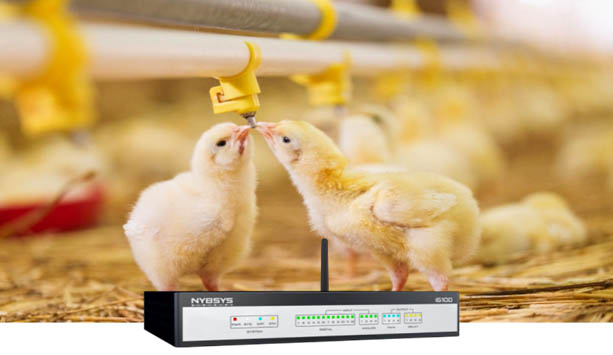
Fig: Intelligent poultry farm automation and monitoring system

d) Scale & Efficiency of Integrators

For integrated poultry companies, AI offers a way to tighten operational control across multiple farms, standardise performance, and scale productivity. The ability to aggregate data across farms, benchmark performance and push improvements is transformational.
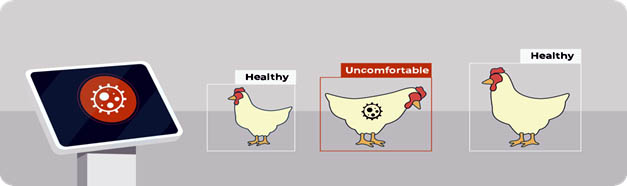
Fig: Bird’s health solutions in a poultry farm

e) Business Model Innovation

AI enables new business models, subscription-based analytics for farmers, performance-linked services for integrators, and data-driven revenue streams. Rather than simple commodity production, poultry farming becomes a service- and intelligence-based business.
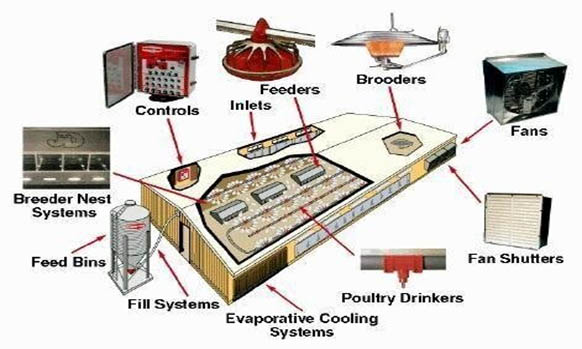
Fig: Poultry house with IOT Sensors

The Indian Context: Opportunities & Challenges

In India, AI in poultry is more than theory. Pilots and early adopters are already showing measurable gains. AI & Automation are predicted to significantly boost India’s poultry production, creating affordable animal protein at scale. At the same time, there are challenges such as high implementation costs for sensors and analytics, variable digital literacy among farmers, connectivity issues in rural areas, reluctance to shift from traditional practices, and challenges with data integrity and maintenance.

Strategic Implications for Stakeholders

  • For Integrators & Farm Owners: AI offers direct ROI — lower mortality, better FCR, improved growth, cost savings and new revenue streams from data and services.
  • For Farmers (especially contract/affiliate farmers): Access to actionable intelligence, improved performance, higher alignment with integrators, and fewer losses.
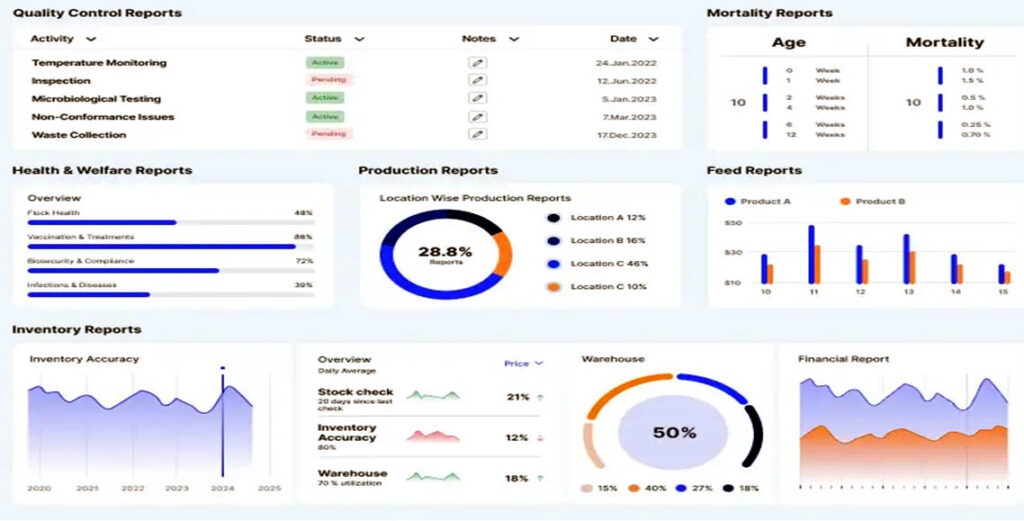
Fig: AI-enabled Real-time data management for efficient farming practices
  • For Tech/Agri tech Providers: A significant market opportunity exists to build scalable, vernacular AI platforms for the poultry industry. India’s monthly broiler placements are massive, making AI a high-leverage domain.
  • For Policy / Academia / Exporters: AI enables better traceability, welfare compliance, export-quality assurance, and may support India’s ambition to upscale poultry in a sustainable, competitive way.

What the Next 5-10 Years Might Bring
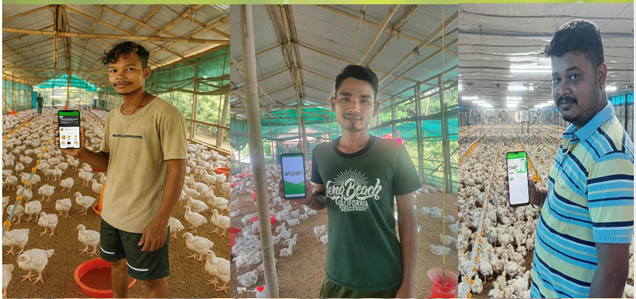
Fig: Digitally Empowered Poultry Farmers – Leveraging Mobile Applications for Smart Farm Management
  • Wider adoption of digital twin farming models in poultry, leveraging AI + IoT to mirror real-world flock operations in virtual space, simulate outcomes and optimise decisions.
  • Deep learning and multimodal AI systems (using vision, audio, environment, and bird behaviour) are becoming mainstream for automated welfare, production, and risk monitoring.
  • Shift from “farm as commodity” to “farm as intelligence node”, poultry companies will not only raise birds but also provide predictive services, analytics and performance networks.
  • Integration of AI across upstream (feed, genetics), mid-farm (production) and downstream (supply chain, market forecasting) segments, creating end-to-end intelligent poultry ecosystems.
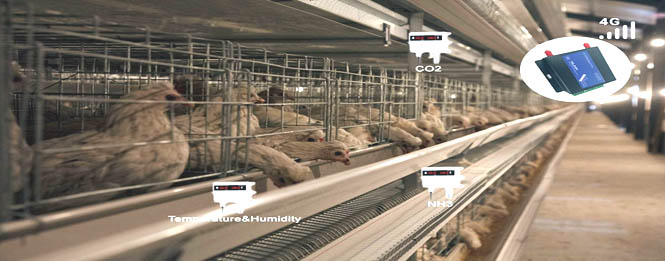
Fig: Innovative poultry farm monitoring systems

Why Now Is the Time for India

  • Poultry is already a high-volume segment in Indian agriculture, with strong demand for protein and rising value chains.
  • Technology costs (sensors, connectivity, cloud computing) are falling, making AI deployment viable.
  • Government support, Agri-digitisation initiatives and rising farmer connectivity are enabling infrastructure.
  • Competitive pressures (costs, scale, export quality) force players to look for differentiation, and AI provides it.

What Needs to Be Done for Successful Adoption

  • Develop vernacular, user-friendly AI platforms tailored for India’s small and medium farms, with minimal training and high usability.
  • Build affordable sensor-and-analytics bundles so even smaller farms can adopt AI economics.
  • Create data partnerships across farms and integrators to enrich and improve the accuracy of models.
  • Provide change management and training — farmer mindsets, supervisory culture and process adherence matter as much as technology.
  • Address data integrity, connectivity and maintenance issues — ensure sensor networks, reliable cloud infrastructure and local support.
  • Link AI deployment to business models that make sense (subscription, performance share, “pay-as-you-gain”) rather than one-time hardware cost.

Key Takeaways for Investors & Stakeholders

  • These examples show real-world, commercial applications of AI in poultry, not just academic concepts.
  • They prove that AI delivers value across the value chain: from hatcheries to farm environment & welfare to production forecasting & control.
  • For a company like yours, adopting such AI tools means operational uplift, cost reduction, risk mitigation, and the development of a differentiated, tech-driven business model.
  • It also supports scaling, geographically replication, distributed geographies, and the creation of defensible data/tech assets.

Conclusion

The potential of AI in India’s poultry sector is vast and tangible. From boosting margins, reducing risk, improving animal welfare, and creating new business models, AI isn’t just an incremental improvement but a strategic leap. For India’s integrated poultry industry to move from volume to value, from reactive to predictive, from commodity to intelligence, AI is the lever. The question for industry leaders is not if, but when and how fast they will incorporate AI into their operations. The window is open, the technology is ready, and the rewards are compelling. A scientific AI investment in poultry isn’t about betting on technology; it’s about creating a validated, data-driven model of production intelligence. The process mirrors the scientific method: observe → hypothesise → experiment → validate → scale. When executed correctly, it converts traditional poultry operations into innovative, profitable, and globally competitive ecosystems.

References available upon request.

Image Source: author


Previous article by author: Feathers of Change: Transforming India’s Poultry Landscape
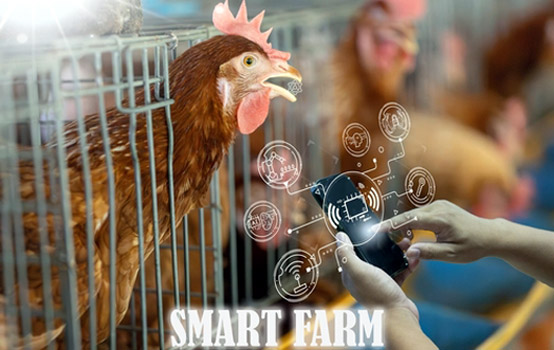
Poultry 4.0 : A New Era in Poultry Farming Through Smart Technologies in India

Deesha Gupta (Ph. D Scholar, Animal Genetics and Breeding)
Sher-e-Kashmir University of Agricultural Sciences & Technology of Jammu

Summary: The poultry industry is one of the fastest-growing segments of the agricultural sector worldwide. Pressure on the agricultural system will increase with the continuing expansion of the human population. By the end of 2050, the demand for poultry meat is estimated to double, and the demand for eggs is estimated to increase by 40%, representing an important source of highly valuable and inexpensive protein With increasing demand for affordable sources of protein, particularly chicken meat and eggs; farmers and producers face mounting pressure to enhance efficiency, improve animal welfare, reduce disease outbreaks, and minimize environmental impacts.

Dr. Deesha Gupta (author)
Author: Deesha Gupta 
Contact

What Is Poultry 4.0?

Poultry 4.0 refers to the application of smart technologies in poultry production to enable real-time monitoring, automation, predictive analytics, and decision-making. It transforms poultry farming from labor-intensive and reactive to automated, predictive, and precise. In general, Industry 4.0 aims to replace manual laboring with automatically and often digitally operated manufacturing and production by implementing such principles as decentralized decision making and information transparency.

Technologies Driving Poultry 4.0:

Health Monitoring and Disease Prediction Artificial Intelligence (AI) enables early detection of diseases by analyzing data from sensors, cameras, and environmental monitors. It identifies subtle behavioral and physiological changes such as variations in feeding, drinking, movement, posture, vocalizations, and litter quality, allowing timely interventions to prevent outbreaks.

Behavior and Welfare Assessment AI-powered vision systems and deep learning models monitor animal behaviors to assess welfare indicators. Parameters such as aggression, crowding, feather loss, wing flapping, and nesting patterns are tracked to ensure optimal living conditions and reduce stress-related issues.

Environmental Control and Precision Farming AI algorithms integrate IoT device data to automatically regulate environmental parameters like temperature, humidity, ventilation, lighting, and gas concentrations (ammonia and CO₂). This ensures stable housing conditions and promotes animal health and productivity.

Technologies Driving Poultry 4.0

Optimizing Egg Production and Quality AI systems monitor daily egg production, analyze egg characteristics (size, shape, shell quality), and predict peak laying periods. They provide data-driven recommendations for dietary and environmental adjustments to enhance both quantity and quality of egg output.

Feed Management and Supply Chain Optimization AI optimizes feed usage by forecasting requirements based on bird age, behavior, and environmental factors. It minimizes wastage, ensures nutritional balance, and monitors intake in real time. Additionally, AI streamlines logistics by predicting demand and managing supply chains efficiently.

Genetic Improvement and Breeding AI accelerates genetic progress by analyzing genomic and phenotypic data to identify superior traits like rapid growth, disease resistance, and feed efficiency. This facilitates precision breeding programs, reduces generational intervals, and mitigates inbreeding risks.

Robotics and Automation AI-driven robots perform repetitive farm tasks including egg collection, litter cleaning, bird weighing, grading, and shed disinfection. These systems enhance hygiene, reduce labor dependency, and enable continuous monitoring without human fatigue.

Challenges in Implementing Poultry 4.0

High Initial Investment: One of the most critical barriers to implementing Poultry 4.0 is the substantial upfront cost associated with advanced technologies. Smart poultry systems often require the integration of Internet of Things (IoT) devices, machine learning software, automated feeders, climate control equipment, and monitoring cameras—all of which represent a significant capital expenditure.

Digital Literacy: Even when technologies are made available, the lack of digital skills and training among farmers poses a serious limitation. Many poultry farmers, particularly in rural or semi-urban areas, have little exposure to smart farming tools, data analytics, or automation. They may find it challenging to interpret dashboards, operate digital equipment, or troubleshoot system errors.

Data Privacy Concerns: As Poultry 4.0 systems collect massive amounts of real-time data—ranging from flock health and environmental conditions to production and business metrics—data privacy and ownership become crucial issues. Farmers may be uncomfortable or unaware of how their data is stored, who has access to it, and how it is used or monetized.

Infrastructure Gaps: The effectiveness of Poultry 4.0 heavily relies on robust digital infrastructure, particularly high-speed internet and reliable power supply. However, many rural poultry farms—especially in countries like India suffer from poor internet connectivity, frequent power outages, and weak mobile networks.

Resistance to Change: Cultural and psychological resistance also plays a significant role in slowing the adoption of Poultry 4.0. Many traditional farmers rely on their experience, intuition, and legacy practices, and may view automation and AI with skepticism.

Real World Examples

Several innovative companies are driving the adoption of AI and IoT in poultry farming across India and the globe. In India, startups like eFeed and Stellapps are helping small and medium poultry farms optimize feed and monitor flock health through smart sensors and data analytics. Fasal and KrishiHub are expanding their digital platforms to support poultry climate control and supply chain integration, while Animall connects poultry farmers with breeding and health solutions. AgNext is pioneering computer vision for meat and egg quality assessment. Internationally, tech giants like Microsoft (Azure FarmBeats) and Intel are collaborating with poultry farms to deploy cloud-based and edge AI tools for real-time flock tracking. U.S.-based TARGAN uses robotics and AI for chick vaccination and sorting, and Evonik Industries (Germany) applies AI to enhance poultry nutrition.

Future of Poultry 4.0: What’s Next?

AI-Driven Precision Breeding: Artificial Intelligence, combined with genomics, is revolutionizing poultry breeding by enabling precision selection of birds with optimal traits such as disease resistance, feed efficiency, and egg or meat yield. Machine learning models analyze vast genomic datasets alongside phenotypic data to predict which birds will produce the best offspring, drastically reducing the guesswork and time needed in traditional selective breeding.

Remote Farming via Mobile Apps: Smartphones are empowering farmers with the ability to remotely monitor and control poultry operations. Through user-friendly mobile apps integrated with IoT systems, farmers can receive real-time alerts on temperature, humidity, feed levels, or bird activity, and can even adjust settings like lighting or ventilation from a distance.

Sustainable Poultry Waste Management: IoT-enabled waste management systems are making poultry farms more sustainable by tracking and managing manure and other waste products. These systems monitor volume, composition, and disposal schedules, and in some cases, automate the conversion of waste into organic compost or biogas.

CRISPR & Gene Editing” The use of CRISPR-Cas9 and other gene-editing tools is opening new doors in poultry genetics. Scientists can now target and edit specific genes responsible for diseases, improving birds’ resistance to conditions like avian influenza or Newcastle disease.

Digital Twins: A digital twin is a virtual replica of a physical poultry farm, created using real-time data from sensors, equipment, and historical performance metrics. These simulations allow farmers and managers to test scenarios—like changes in feed, climate, or disease outbreaks—before applying them in the real world.

Carbon Footprint Monitoring: To address climate impact, blockchain and AI technologies are being deployed to track and reduce the carbon footprint of poultry farms. IoT sensors measure emissions such as methane and ammonia, while blockchain ensures transparent, tamper-proof recording of data.

Conclusion

Poultry 4.0 is not a luxury, it is a necessity in the modern age of climate uncertainty, food safety concerns, and rising demand. It enables producers to raise poultry more efficiently, sustainably, and ethically, while also delivering better value to consumers. The smart poultry management system is a crucial component of a modern poultry farm, but the majority manages the data using outdated technologies and platforms instead of modern IT solutions.

References:
-Bumanis, N., Arhipova, I., Paura, L., Vitols, G., & Jankovska, L. (2022). Data conceptual model for smart poultry farm management system. Procedia Computer Science200, (517-526).
-Allotey, D. K., Miezah Kwofie, E., & Wang, D. (2023). Sustainability Implications of Adopting Industry 4.0 at Different Scales in the Poultry Processing Industry. In Sustainable Manufacturing in Industry 4.0: Pathways and Practices (143-156).
-Franzo, G., Legnardi, M., Faustini, G., Tucciarone, C. M., & Cecchinato, M. (2023). When everything becomes bigger: big data for big poultry production. Animals13(11), 1804.