

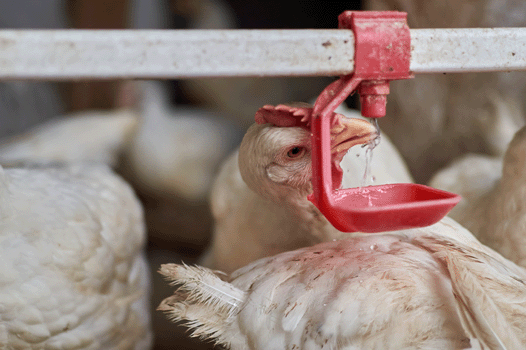
The Invisible Nutrient: Mastering Water Quality for Optimal Poultry Performance
In the hierarchy of poultry nutrition, water is often forgotten giant. While producers meticulously formulate feed rations down to micro-nutrients, water, which constitutes more than 70% of a chicken’s live weight, is frequently taken for granted. The reality, however, is stark: birds drink more water than the weight of the feed they consume. Consequently, water quality is not just a hygiene issue, it is a fundamental driver of feed conversion, gut health, and economic viability.
 Any attempt to trade off water quality for other reasons compromises the health and productivity of the birds. This article explores the critical role of water, the hidden dangers of poor quality, and actionable strategies for management.
The Physiology of Hydration: Why Water Wins
Water is irreplaceable. No alternative can replicate its multifaceted role in hydration, nutrient distribution, and thermoregulation. Its influence on production is direct and immediate.
Feed Intake Correlation: There is a linear relationship between water and feed. Birds typically drink 1.6 to 2 times the equivalent weight of feed. If water intake is limited, feed intake declines. Poor water quality alone can reduce feed intake by 10-20%.
Digestion and Metabolism: Water is the medium for metabolic reactions. It acts as a transport system for nutrients and helps soften and dissolve feed in the crop for smooth digestion.
Thermoregulation: Water helps regulate body temperature. Consumption spikes significantly during heat stress, increasing by 6% for every 1°C rise in temperature between 20-32°C.
The Enemies Within: Assessing Water Quality Risks
Water quality involves a complex interplay of physical, chemical, and microbial factors.
Hardness (Calcium & Magnesium): While these minerals can be beneficial to the animal, they are detrimental to drinking lines. Hardness leads to scale formation in pipelines, reducing water flow and interfering with the efficacy of vaccines and medications.
Iron: Excess iron promotes biofilm formation, causes bad odor, and favors bacterial growth. In birds, it interferes with nutrient absorption and promotes oxidative stress.
Nitrates/Nitrites: Nitrates indicate organic decomposition and are converted into nitrites in the gut. These bind to hemoglobin, reducing the blood’s oxygen-carrying capacity.
pH Balance: Fluctuations in pH can lead to decreased water consumption, sanitization efficacy and compromised immunity.
The Biofilm Threat: Biofilm poses a significant threat to water quality, causing variations in key parameters that impact health. Biofilm acts as a reservoir for pathogens and can lead to clogged pipes, reduced water flow, and the continuous shedding of disease-causing organisms into the water supply.
Biological Contaminants: Water is a potent vector for disease. Contaminated supplies can transmit bacterial diseases like Salmonellosis and Colibacillosis (E. coli), as well as viral infections like Avian Influenza and Newcastle disease.
How does the water quality look across India?
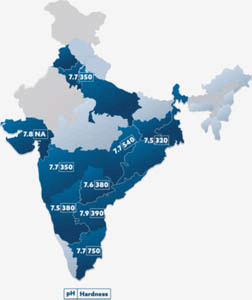 Fluctuations in Water pH and Hardness levels are noted in poultry drinking water across diverse regions in India. Results in an average pH of 7.5, which exceeds the desired level of 6.5.
Microbes such as E. coli, Salmonella, Staphylococcus thrive in an alkaline environment.
Decreasing the environmental pH by one unit to desired pH level of 6.5, can also lower the metabolic activity of microbial communities by up to 50%.
The Leaky Bucket: Where Traditional Management Fails
Many farms rely on a “leaky bucket” approach, using isolated methods that fail to address the total water quality picture.
Chlorination Limitations: Chlorine efficacy is highly pH dependent. At an alkaline pH (above 7), chlorine exists primarily as the hypochlorite ion (OCL), which is a weaker sanitizer. It requires a pH of 6.0–6.5 to exist as Hypochlorous acid (HOCl), which is 80 to 300 times more effective at killing bacteria.
A Modern Roadmap: The 3-Step Management Program
To move from basic hydration to performance enhancement, Holistic roadmap adoption is essential
Step 1: Acidification – The Foundation
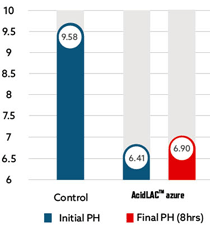 Controlling pH is the key to success, with a target range of 5.5 to 6.5. Maintaining water pH within this range creates a gut environment that is unfavorable for pathogenic bacteria such as Salmonella and E. coli, while enhancing nutrient absorption. Acidification can improve protein digestibility by up to 5% and reduce the incidence of dirty eggs.
Maintaining the desired pH consistently with AcidLAC™ azure ensures better nutrient absorption, improved medication efficacy, and pathogen control. Acidification helps reduce harmful microbes, supports gut health, and boosts bird performance. Good water quality prevents disease, avoids mineral imbalances, and ensures uniform flock growth.
Step 2: Sanitation and Biofilm Control
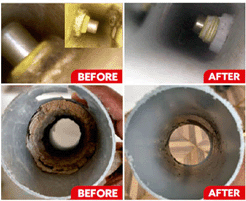 Sanitation must be continuous and supported by the right tools. Sustained pH control is critical for superior sanitization efficacy, especially when using chlorine. Regular pipeline cleaning is essential, flushing lines between flocks helps remove biofilm buildup. Specialized products like AcidLAC™ W restrict biofilm formation and support overall water quality management.
Step 3: Role of Filters on acidification
Filters are vital as they remove sediments, impurities, and contaminants, preventing blockages, and ensure effective use of acidifiers.
Economic Implications
Investing in water quality delivers a high return on investment. Proper water management can increase feed efficiency by improving protein digestibility by up to 5%. Additionally, maintaining optimal water quality reduces losses by lowering mortality rates, minimizing eggshell defects, and cutting medication costs associated with poor flock health.
Conclusion
Water is the “invisible” nutrient because it is transparent, yet its impact on the bottom line is substantial. By shifting focus from simple supply to active water quality management specifically targeting pH control, biofilm elimination, and consistent sanitation with expertise solution approach can unlock significant latent potential in poultry birds.
References on request







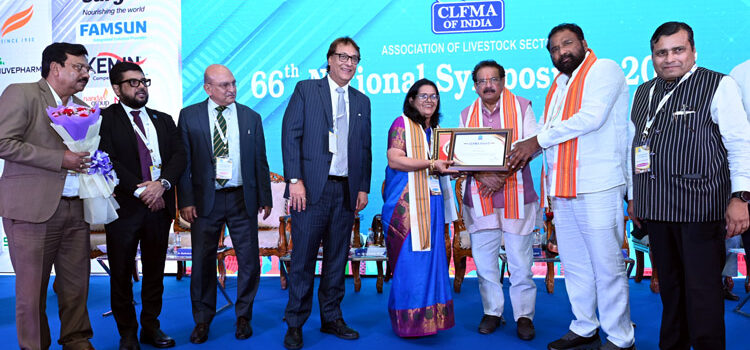


 A special highlight of the event was the launch of the CLFMA Souvenir, encapsulating the association’s achievements, sector insights, and future vision. The programme concluded with a networking dinner, live performance, and the felicitation of sponsors, media representatives, guests, and invitees, marking a celebratory end to two days of engaging discussions and knowledge exchange.

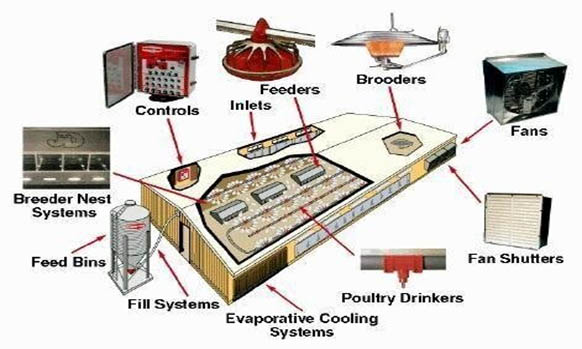
 Equipment, Technology & Engineering Solutions: From water and wastewater treatment systems, automated feeding equipment, biogas systems to climate control and biosecurity solutions, every innovation aims to drive productivity and foster sustainable livestock development.
 Antimicrobial Resistance Forum
 Join us on this extraordinary journey