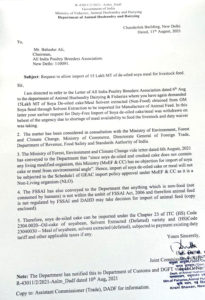
Department of Animal Husbandry & Dairying (DAHD) , Govt. of India has issued a reply to the request made by All India Poultry Breeders Association (AIPBA) .
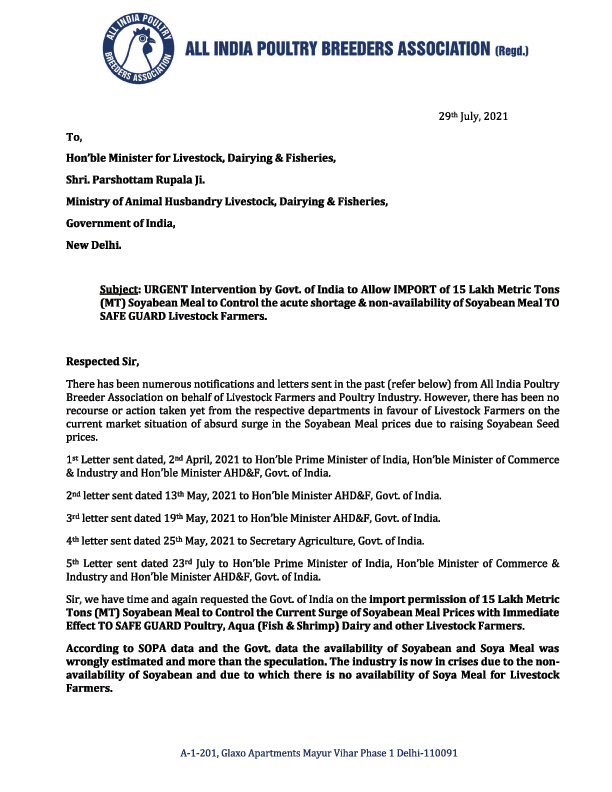
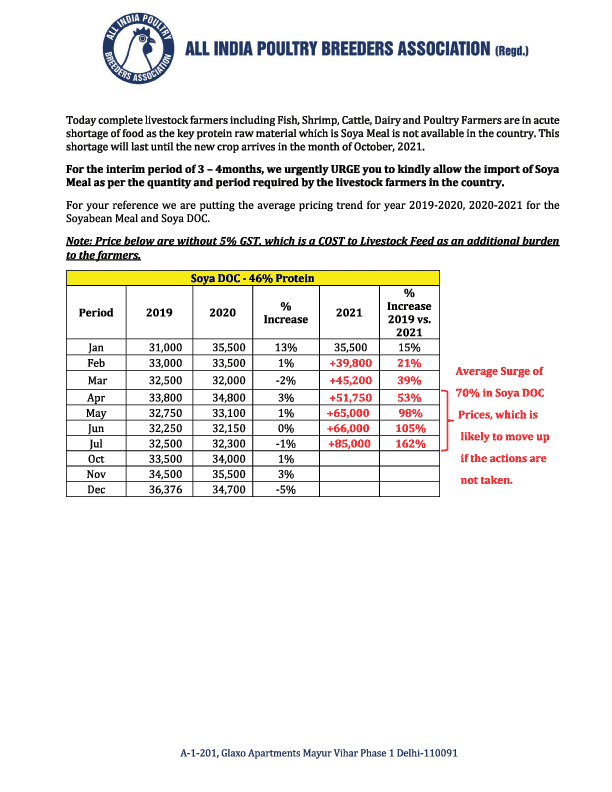
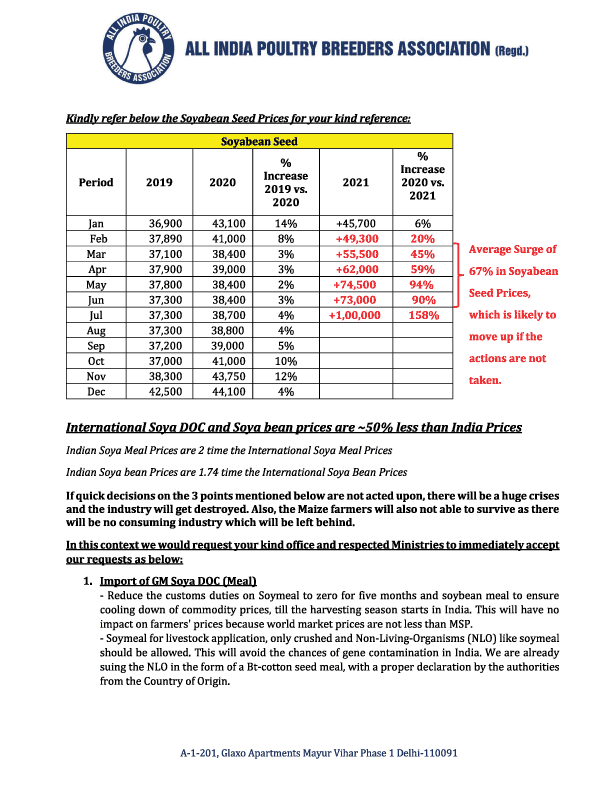
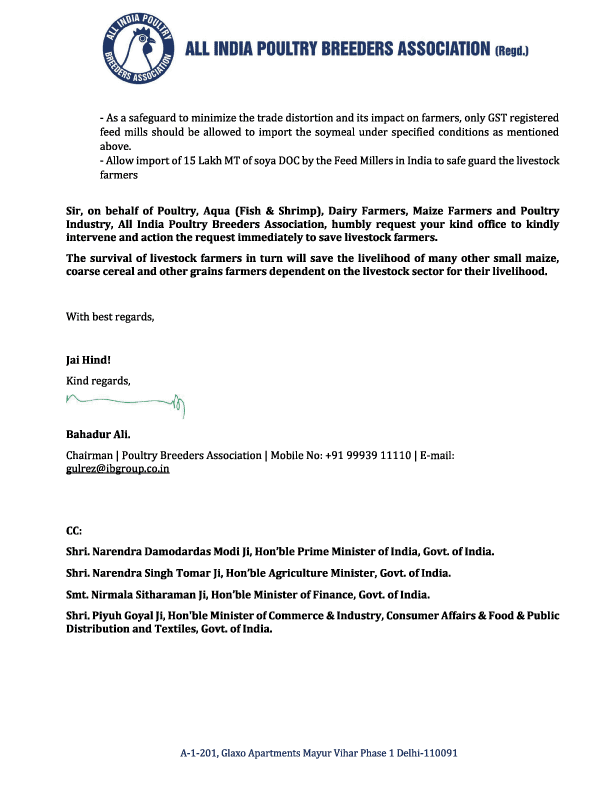
The AIPBA had requested Government vide Letter dated 29 July 2021 with subject “URGENT Intervention by Govt. of India to Allow IMPORT of 15 Lakh Metric Tons (MT) Soyabean Meal to Control the acute shortage & non-availability of Soyabean Meal TO SAFE GUARD Livestock Farmers”. Copy of the request letter can be accessed HERE
Copy of the reply letter by Department of Animal Husbandry & Dairying (DAHD) , Govt. of India (R-43011/2/2021-Anlm_Dadf dated 11 Aug 2021) is as under:
“On the behalf of entire Indian Poultry Farmers, Aqua Culture Farmers (Fisheries and Shrimp), Dairy Farmers, I would like to thank our Hon’ble Prime Minister Shri Narendra Modi Ji, Hon’ble Home Minister Shri Amit Shah Ji, Hon’ble Cabinet Minister of Environment Govt. of India Shri Bhupender Yadav Ji for making this historic decision of allowing GM Soya Meal Import for the first time in the favour of Livestock Farmers.
We would also like to thank Hon’ble Minister Commerce and Industries and Food, Consumer Affairs Govt of India, Shri Piyush Goyal Ji, Hon’ble Minister State for Commerce and Industries Govt of India Shri Som Prakash Ji, Hon’ble Minister of Animal Husbandry Dairying and Fisheries Shri Parashottam Rupala Ji, Hon’ble Minister of State AHD&F Dr. Sanjeev Balyian Ji and their entire office Shri Atul Chaturvedi Ji Secretary (AHD), Dr. O.P. Chaudhary, Joint Secretary (NLM/PC) Department of AHD for standing in support of Livestock Industry and taking the initiative to save guard more than 10 crore Indian Livestock Farmers and 5 crore people who are engaged in livestock employment directly or indirectly at the time of distress caused due to shortage of Soya Meal/De-oiled cake which will ensure our nation’s livestock is fed, so that the Nations citizen can be fed milk (Dairy), Chicken, Egg (Poultry), Fish and Shrimp (Aqua) regularly and with affordable price.
It will be imported under chapter 23 of the customs rule. Under HSN code 234020/30 Duty will be accordingly put.
Seller has to declare the “Soya meal consignment is for Animal Feed purpose and not for Food”.
Importing CHA has to take the declaration from Importer that “The use of consignment is for Animal Feed use and not for Human Food.”
Shri Gulrez Alam, Secretary, AIPBA & Director, IB Group and Shri Ashish Gupta Executive Member, AIPBA who have tirelessly worked in favour of the Livestock Industry.
The entire Livestock Farmers and I feel secure and thankful under the dynamic leadership of Shri Narendra Modi Ji”.
Thank You Bahadur Ali
Chairman, AIPBA
Conveying Special thanks to Shri Som Prakash Ji, Honourable Union Minister of State for Commerce & Industries, Government of India.
09 August 2021 – Today evening Mr. Gulrez Alam, Secretary, All India Poultry Breeder Association and Director, IB Group, Mr Ashish Gupta, MD, Sampoorna Feeds and Mr. Ricky Thaper, Vice President, ABIS Exports- IB Group called on Shri Som Prakash Ji, Hon’ble Union Minister of State for Commerce & Industries, GoI, to thank for all his guidance in coordinating the inter Commerce Department, DGFT and also peer Finance Ministry’s Customs Department and to overcome the current crisis of Soybean Meal which is the most important input for livestock industry.
Protein is the major and most expensive nutrient in all the poultry diets and the protein quality determines the flock performance to a large extent. Nutritional quality of a protein ingredient is directly related to amino acid bioavailability. This is because the bird doesn’t have a requirement of protein per se but requires readily available amino acids from the protein source.
Dr. Yasir Bashir Kemin Industries South Asia Pvt. Ltd.
Various animal and plant ingredients are the main sources of protein used in poultry diets and varies in digestibility and amino acid composition. The notion of protein nutrition is based on the sequential process through which proteins are digested and the amino acids are absorbed and become available for metabolic processes. Quality of a protein source can be influenced by a number of factors of which some are related to protein source itself like anti-nutritional factors, while others are related to various manufacturing processes that are used to develop particular protein meal.
Anti-nutritional factors (ANF) or agents can broadly be defined as secondary plant metabolites and structural compounds which interfere with the normal metabolic activities/ processes of the animal when present in the feed ingredients. In some cases, these compounds provide structural support, whereas, some metabolites have evolved as a mode of defense mechanism to protect the plant from insect damage. Some anti-nutritional factors represent important storage minerals and intermediate molecules used in various pathways by the plants.
Important anti nutritional agents that can seriously impact the quality of a protein source and subsequent digestibility are as depicted under.
• PHENOLIC COMPOUNDS
Tannins are a group of water-soluble polyphenolic compounds which may be found in some protein meals of plant origin. They are normally present in legume seeds, cereal grains and oil seeds. Tannins are classified into hydrolysable and condensed tannins. Hydrolysable tannins may have esters of gallic, m-digallic or hexahydroxy diphenic acids, which are easily hydrolyzed. Condensed tannins are resistant to hydrolysis and are polymers of flavan-2, 4-diol and flavan-3-ol or a mixture of both. Tannins cause precipitation of protein out of solution through the formation of soluble and insoluble complexes and are known to reduce the digestibility of amino acids in poultry. Tannins inhibit the absorption of protein from the digestive tract. Low molecular weight tannins may be absorbed from the intestine and cause toxicity through the inhibition of key metabolic pathways. Another class of polyphenolic compounds called sinapines are found in many plant feed ingredients and are choline esters derived from 3, 5-dimethoxy-4-hydroxyinnamic acid or tannins. During oxidation, phenolic acids may react with proteins to form indigestible complexes like quinines, which bind to the functional group of lysine and methionine. Tannins have been reported to potentially cause protein precipitation, which can lead to depression in protein and amino acid digestibility in animals that are fed tannin-containing cereals and legumes. It is believed that under optimal conditions, sorghum tannin is capable of binding and precipitating at least 12 times its own weight of protein. Gossypol is a polyphenolic compound occurring naturally in the seeds, foliage and roots of most cotton plants. It is a natural defence compound produced by the plants against pests and diseases. Gossypol can be found in free or in bound (attached to a protein) forms with the bound form being less toxic than the free form. The bound form is considered less toxic as it may diminish the quality of proteins causing negative effects on growth.
• GLUCOSINOLATES
Glucosinolates are the secondary defense metabolites present in some plants that are used to protect from animals and microorganisms. All plants in the Brassica family contains some level of glucosinolates. The glucosinolates are converted by myrosinase hydrolysis into unstable compounds, which are further converted to thiocyanates, nitriles and isothiocyanates. Rapeseed meal with high levels of glucosinolates is known to increase the incidence of hemorrhagic liver in broilers, resulting in reduced feed intake and weight gain. Myrosinase is the key enzyme involved in the conversion of glucosinolates to its toxic products and can be inactivated by heating during meal processing. Presence of these glucosinolates coupled with other anti-nutritional factors can have a serious reduction in feed intake and crude protein digestibility.
• PROTEASE INHIBITORS
Most of the plant-based protein sources that are used in the animal feed production contains some type of protease inhibitor. Typically, these are the compounds which inhibit the activity of various proteases such as trypsin, chymotrypsin, carboxypeptidases, elastase, and α-amylase. Protease inhibitors block the activity of trypsin, chymotrypsin, elastase, and carboxypeptidase. Soybean is considered to have the highest trypsin inhibitor activity among all the plant protein sources used in poultry. Inhibitors bind to the active site of enzyme, thereby reducing their ability to lower the kinetic energy needed during the proteolytic cleavage. Trypsin inhibitors can be inactivated to a large extent, but not completely by heat processing including extrusion, infrared radiation, micronizing, boiling, autoclaving, steam processing or flaking, or they can be removed by fractionation. The extent of heat inactivation of trypsin inhibitors depends upon several factors including the initial endogenous level, temperature, heating time, particle size, moisture, and perhaps crop species and cultivar. Feeding of raw soyabean protein preparations or inhibitors removed from soyabeans caused an increased size of the pancreas in susceptible animals. Exposure to soyabean trypsin inhibitors resulted in an increased synthesis and secretion of proteases (such as trypsin, chymotrypsin and elastase) and pancreatic hypertrophy and hyperplasia in animal models. Depression in the animal growth by trypsin inhibitors is related to an increased loss of endogenous amino acids in the form of enzymes that are secreted by increasingly active and hypertrophic pancreas. Since trypsin and chymotrypsin are mainly rich in sulphur-containing amino acids, a hyperactive pancreas would lead to diversion of these amino acids from the synthesis of body tissue proteins to the synthesis of enzymes, which are subsequently lost in the feces. Various workers have reported the negative impact of trypsin inhibitors and other antinutritional factors from soyabeans, kidney beans, etc. not only on protein and amino acid digestibility, but also on protein quality and animal performance.
• PHYTATE
Animal feed ingredients of plant origin contain some level of phosphorus stored as phytic acid or phytate, which are known as myo-inositol hexaphosphoric acid and myo-inositol hexaphosphate, respectively. Since phytate is mostly found in the seeds of plants, it makes animal feed formulated with oil seeds and cereal grains as a source of phytate. Phytate having predominant negatively charged phosphate groups is best known to chelate several nutritionally essential nutrients in the gastrointestinal tract of humans and animals, making them less bioavailable. Ability of chelation by phytate results in its complex formation with nutrients such as proteins and minerals, which leads to reduced bioavailability of both the proteins and minerals. Phytate present in plants can have detrimental effect on the activity of digestive enzymes such as carboxypeptidases and aminopeptidases, which can be explained by the chelation of mineral cofactors or interaction with protein in the form of enzymes or substrates. Phytate may also bind with protein to form complexes in acidic and neutral pH conditions, which may inhibit the activities of digestive enzymes. Phytic acid has been reported to interfere with the proteolytic action of pepsin in several vegetable and animal proteins as determined in vitro, possibly through the formation of phytate: protein interaction complexes at low pH. Poultry doesn’t have the ability to use all the phosphorous bound by phytate, because inherent endogenous phytase (phytate degrading enzyme) is limiting. To overcome these negative effects of phytate, poultry industry has incorporated exogenous phytase in poultry diets. The exogenous phytase hydrolyzes ester bond between the inositol ring and phosphate group, thereby releasing phosphorus. An increase in the protein and amino acid digestibility has been reported with exogenous dietary phytase supplementation.
SUMMARY
Anti-nutritional factors have a great tendency to affect normal protein metabolism in animals. Therefore, usage of various cereals, legumes and oilseed cakes in poultry diets must be carefully evaluated before their usage in final feed. Use of exogenous enzymes like proteases and phytases must be considered while using feed ingredients containing various anti-nutritional factors. Also, usage level of such ingredients must be carefully scrutinized so as to prevent their negative impact on animal performance and ultimate profitability. As mentioned above, some anti-nutritional factors like trypsin inhibitors and phytate can be substantially reduced by the use of exogenous enzymes. In that context, Kemins’ solutions, namely, KEMZYME® Protease and Phygest™ HT can be used as an effective tool to minimize the effect of these anti-nutritional factors. KEMZYME® Protease is a combination of acid, alkaline and neutral proteases, which can significantly reduce the negative effects of trypsin inhibitors and improve protein digestion. Phygest™ HT is a tailored blend of E. coli phytase, which effectively degrades the phytate associated with various ingredients, thus preventing the low absorption and utilization of critical nutrients like amino acids, minerals, etc.
On 31 July 2021, the Poultry Farmers & Breeders Association (MH) organised a virtual press conference and appraised the media of the current poultry issues and its demands to the Government of India. The press conference was attended by international, Indian and local media.
PRESS NOTE
Poultry Sector is one of the most important sectors under Indian Agriculture. The poultry sector provides & ensures the fulfilment of protein requirement and balances the human nutrition. Today, India is one of the largest manufacturers of eggs and broiler meat. In the last two decades Indian Poultry Sector has contributed more than 5% in GDP to the overall Agri sector’s GDP. However, since last one and half year Poultry Sector is facing a number of challenges on increased cost of production, misinformed reality about outbreaks of Bird Flu, Covid-19 restrictions and Natural Calamities.
The recent outbreak of Covid-19 has created a massive crisis thereby initial depletion of demand in chicken products & later created awareness about importance of protein. Initial setbacks posed challenges before the poultry sector & created an unwarranted financial crisis amongst all the poultry farmers and the erosion of working capital has aggravated the situation.
Since last one year, skyrocketing prices of raw materials like soybeans and Maize have added to the woes of poultry farmers. High speculation activities in Soya contacts on NCDX has been disturbing the poultry sector for the last 8 months. For raw material supply, poultry sector largely dependent upon Soyabean. These speculations are one of the main reasons behind skyrocketing prices of eggs and chicken products in the retail market, which may leads to food inflation in the country.
We had a similar situation in 2006 when there was a first outbreak of Avian Influenza in the country. During that time the Government of India, announced Interest Subventions and increased credit duration to the poultry farming for the limited period.
Chicken and Eggs are the only cheapest non vegetarian protein sources available in the market. Now these increased raw material prices directly affecting retail chicken prices. As a result of which chicken is sold at Rs 250-300/kg in the retail market. This may leads to food inflation in the country amid Coronavirus outbreak. Government should look at this issue from a health perspective as Chicken had been endorsed by the World Health Organisation (WHO) as an immunity booster.
Considering all above aspects, Poultry Farmers & Breeders Association (MH) has put forward the following demands.
Fiscal Relief Measures :
1. Restructuring of Existing Term Loans : We request to reschedule the outstanding term loans, so as to provide extended time (6-12 months) for liquidation of loans in order to prevent the farmers turning into NPA
2. Interest Subvention of Rs 4 % : Considering financial losses, we request to grant interest subvention of at least 4% for a period of three years.
3. Grant Additional Working Capital : We request you to grant additional working capital loans to meet increased cost of productions.
Non Fiscal Relief Measures :
1.To avail Raw Material at fair price : We request Government to make available Soya and Maize to poultry sector at fair price.
2. Allow import of crushed GM Soya seeds/ DOC for captive consumption of end users, poultry farmers. Considering skyrocketing prices of Soyabean, it is requested to allow import of crushed GM Soya seed/ DOC at least for the particular time frame to stabilise raw material market.
3. Removal of Soybean commodity from NCDX: Considering high speculations in Soya contracts on NCDX from the last six months, we request the Government as well as SEBI to remove Soybean as a commodity from NCDX as these speculations have huge potential to disturb the poultry sector or maximising the margins for trade under soya commodity.
Warm Regards
Mr C Vasanthkumar
President
Poultry Farmers & Breeders Association (MH)
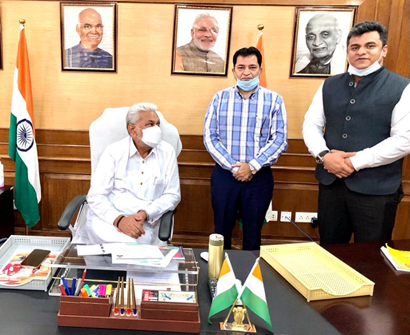
29 July 2021 – All India Poultry Breeders Association (AIPBA) Secretary, Mr. Gulrez Alam, Director IB Group along with Mr. Ricky Thaper, Vice President IB Group met Hon’ble Minister Shri. Parshottam Rupala Ji, Ministry of Animal Husbandry Livestock, Dairying & Fisheries, Government of India.
On behalf of Poultry, Aquaculture, Dairy Farmers, Maize Farmers and Poultry Industry, All India Poultry Breeders Association requested Hon’ble Minister to intervene and take immediate action on the request to save livestock farmers.
Shri Parashottam Rupala ji has assured of ensuring that the poultry farmers get the imported Soya meal.
A letter was also submitted regarding “URGENT Intervention by Govt. of India to Allow IMPORT of 15 Lakh Metric Tons (MT) Soyabean Meal to Control the acute shortage & non-availability of Soyabean Meal TO SAFE GUARD Livestock Farmers”.
28 July 2021 – The Karnataka Poultry Farmers & Breeders Association (KPFBA) has urged the Government of India to immediately step in and allow for import of soya bean meal, one of the main ingredients for the poultry sector, to help the poultry sector to overcome the current crisis of shortage of feed, consequently resulting in retail price of chicken going beyond Rs. 260 per kg.
The KPFBA President, Dr. Sushanth Rai said the cost of production of chicken had doubled in less than a year mainly due to the feed costs soaring. The KPFBA pointed out that Soya which was Rs. 35 per kg last year had more than doubled to Rs. 80 per kg. Similarly, maize price had increased from Rs. 15 to Rs. 25 per kg, making it difficult for poultry farmers to source quality feed. The cost of production of chicken had increased from Rs. 70 per kg to over Rs. 120 per kg and this was affecting both the poultry farmers as well as the consumers.
The KPFBA President urged the government to take immediate remedial measures as to help the poultry farmers come out of a critical situation, further compounded by the pandemic.
Import soya and curb hoarding
Dr. Sushanth Rai urged the Government of India to allow duty free import of 12 lakh metric tons of soya bean meal as to immediately overcome the crisis. Also, the Government should take strict action against those traders who were hoarding soya bean meal, resulting in short supply and rise in price. He said the government should take immediate steps as many poultry farmers were exiting the business, unable to deal with the crisis. The government, he added, has to also look at it from a health perspective as chicken has been endorsed by the World Health Organisation to be an immunity booster.
For more details, contact:
Inayath Ulla Khan, Executive Secretary, KPFBA , M: 9886730997, ikhan@poultrykarnataka.net
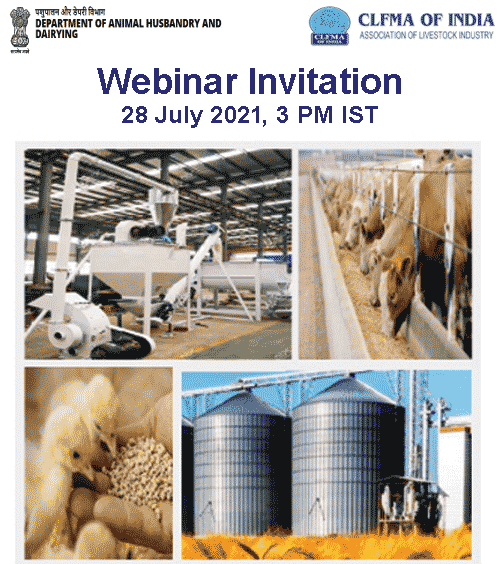
The Compound Feed Manufacturers Association (CLFMA), the apex organisation announces webinar on “Animal Husbandry Infrastructure Development Fund (AHIDF)” in association with Department of Animal Husbandry & Dairying on 28th July 2021 from 15:00 hrs/3:00 pm onwards.
Synopsis: This article discusses about importance of overall gut health and working on all contributing factors needful for this approach, considering the complex interactions between different parts i.e., Feed, microbiota and host immunity”
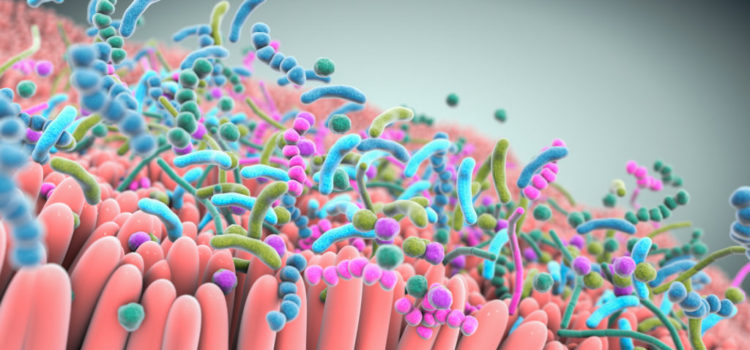
Gut health is crucial for the performance, health and welfare of poultry. It is important to maximize our profits and minimize loses. It is important for:
Utilization of the feed efficiently and at optimum level
Exploiting the genetic worth of birds so that to have maximum production in the form of meat and eggs
Achieving the optimal Feed Conversion Ratio (FCR)
Ensuring quality produce in the form of meat and eggs
Eliminating digestive problems and gut disturbances
General health and welfare of the poultry
Avoiding the spread of pathogenic microorganisms present in feces to other birds in the same batch or the following batches of birds
To have healthy gut, it should have optimum development, balanced microbiome, free from toxins and adequate secretory function. Any alteration or abnormality in these functions leads to gut upset and loss of nutrients.
GIT: An organ with complex functions
GIT is simply described as “the gut” is made up of:
The epithelium
Diverse and robust immune system
Commensal bacteria
Competitive Exclusion: Potent defense mechanism
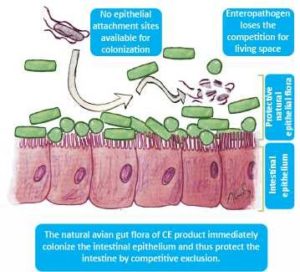
The presence of normal bacterial microbiota in the intestine makes it more difficult for pathogenic bacteria to enter the animal through the GI tract as there is competition for living space, epithelial attachment sites and available nutrients.
Further, many intestinal microbes are capable of producing antibacterial substances like bacteriocin and the intestinal microbiota is also thought to play a role in the normal development of intestinal immunity. This mechanism, where a healthy intestinal microbiota facilitates the health of the host, is called Competitive Exclusion.
While vaccines may offer effective protection against the bacterial strains they are intended for, a healthy complex intestinal microbiota can reasonably be expected to be beneficial for the health of the bird in a wider perspective, as the whole concept of competitive exclusion has a more universal nature.
Now-a-days, Competitive exclusion products for poultry are most frequently used to establish a natural-like microbiota in the intestine of day-old chicks.
How to get balanced microbiome??
Microbiome comprises of bacteria, fungi, protozoa & viruses. GIT harbours over 640 different species of bacteria & more than 20 different hormones. A balanced microbiome means that the concentration of favourable microbes is more and adequate than unfavourable microbes.
Importance of balanced intestinal microbiota in gut
With modernization in poultry sector, young chicks are becoming more and more sensitive to bacterial pathogens such as Salmonella sp. In natural habitat, the mother hen acts as the source of the intestinal microbiota of a day-old chick, but young chicks are becoming more susceptible to intestinal disturbances and to several pathogenic infection, due to this missing link.
Moving towards alternatives
In past decades, various antibiotics were quite commonly used in intensive poultry production, both to facilitate growth and to avoid problems with bacterial pathogens. However, it is reasonable to assume that many of the antibiotics used also had a negative impact on the natural intestinal and even on environmental microbiota of the poultry flocks. Consumers in many major markets are increasingly aware of the quality aspects of poultry production, not least when it comes to microbiological quality, the use of antibiotics, and animal welfare.
Intensive amount of research has been focused on the development of alternatives to antibiotics to maintain health and performance. Efficacy of alternatives of Antibiotic Growth Promoter (AGP’s) is primarily based on antimicrobial effects and their ability to influence and partly modify the composition and overall concentration of intestinal microflora. Some are Organic acids, Probiotics, Prebiotics, Essential oil compounds, Zn and Cu compounds and have been described by the general term ‘eubiotics’, referring to an optimal balance of microflora in the gastrointestinal tract. Since, a healthy gut is essential for productivity as with a healthy gut, we can work preventively to reduce antibiotic use without losing profits.
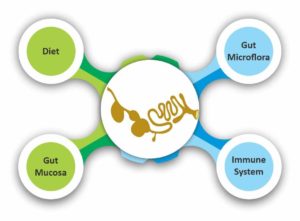
A holistic approach to gut health looks at the whole picture, not just focusing on enteric diseases, but working on all contributing factors and considering the complex interactions between different parts: Feed, microbiota and host immunity.
Salient role of dietary factors in conserving gut integrity
The nature and type of feed ingredients plays paramount role on the integrity of the GIT of birds. Because dietary intake or nutritional status as well as nutrient requirements may be altered as a result of disease or stress, this may eventually alter the gut microflora and intestinal mucosal integrity, resulting in a compromised barrier of the intestinal epithelium. The weakening of the intestinal integrity could result in an increase in bacterial adherence to the mucosa, bacterial translocation, susceptibility to opportunistic bacterial infection, and mis-appropriation of nutrients.
Supplementation of quality feed ingredients helps in maintaining natural gut health. Nutritional deficiency due to imbalance in ration formulation, grain engorgement, microbial load in feed etc. affect gut health.
Processing feed like extrusion and Pelleting is highly effective in reducing microbial contamination in feedstuffs and in Salmonella control. Pelleting provides scope for utilization of high fibre feed resources. Use of steam- pelleted feed seems to be of value in maintaining gut health.
Feed toxins and toxicants can also affect the gut integrity; thus, toxin binders are used through feed to bind or adsorb deleterious substances such as mold and fungi-borne mycotoxins.
Acidifiers or Organic acids play a role in maintaining gut integrity in the way that they reduce the colonization of pathogens (like Salmonella and E. coli) in intestinal wall by lowering the intestinal pH below 6.0, and promoting the normal microflora growth. This environment also increases the efficiency of all digestive enzymes. Daily application of short chain fatty acids such as Butyric acids increases epithelial cell proliferation, quick repairing of the intestine, increased villous height and in turn increased absorptive capacity.
Additional supplementation of enzymes can enhance digestive capacity of birds. Feeding high viscosity cereal grains to broilers result in larger microbial populations in the ileum. Viscous environment slows down digestion processes, and encapsulates nutrients, making them inaccessible to digestive enzymes. Viscous gels are formed in the digesta by the soluble NSP, which are not digested by the animal’s own enzymes, thus inhibit absorption. The addition of enzymes to address NSP viscosity can improve gut health, feed efficiency, improve manure quality and facilitate the use of lower cost feed ingredients.
GIT microbiota
The rich bacterial community that makes up the gut micro flora play an important role for the host through changes in the morphology of gut, nutrition, pathogenesis of enteric diseases, immune response and alterations in colonization resistance. The shift in composition of this microflora results in production and efficiency losses often in the absence of any clinical signs. Useful microbes (commensal bacteria) in gut play a positive role in controlling the gut flora and stimulate the development of the gut wall. Hence, microbial balance of gut is utmost important in maintaining gut integrity.
Probiotics are live microbial feed supplements which beneficially affect the host by improving its intestinal microbial balance. These are most effective in birds during microflora development or when microflora stability is impaired. Benefit of probiotics with respect to health status and performance is expected to be highest in chicks as they have not yet developed a stable gut microflora. Competitive adhesion of probiotic microorganisms to epithelial receptors prevents the attachment of pathogenic bacteria. Besides this, they increase synthesis of lactic acid to maintain intestinal pH, increases production of specific antibacterial substances, reduces production of toxic amines and decrease ammonia level in the gastro-intestinal tract.
Prebiotics are non-digestible oligosaccharides which are fed in order to control or manipulate microbial composition and activity, thereby assisting to maintain a beneficial microflora. Prebiotics include a diversity of non-starch polysaccharides (NSP) or oligosaccharides including mannan-oligosaccharide (MOS), fructans (FOS and inulin), oligofructose etc. Dietary inclusion levels of potential prebiotics are usually 0.1 to 0.5 per cent. They give resistance to gastric acidity, helps hydrolysis by digestive enzymes and enhances gastrointestinal absorption, fermentation by intestinal microflora and selective stimulation of the growth and/or activity of those intestinal bacteria that contribute to health and well-being.
Synbiotics are the combination of prebiotics and probiotics. Although use of probiotic formulations may well help in achieving these benefits, it is also possible to increase and maintain a healthy bacterial gut flora by increasing the amounts of prebiotics in the diet such as inulin (naturally occurring oligosaccharides), raw oats, and unrefined wheat. As probiotics are mainly active in the small intestine and prebiotics are only effective in the large intestine, the combination of the two gives a synergistic effect. Appropriate combinations of pre- and probiotics are termed as synbiotics.
Essential oils show a potential for the replacement of antibiotic growth promoters due to presence of various active ingredients like thymol, carvacrol, eugenol and apparently no side effects. Due to their antibacterial activity, they might be able to modify the composition of intestinal microflora and to exert beneficial effects on performance of broilers and layers. It also increases digestive enzyme production. Essential oil showed an overall modification of the microflora, a reduction of Clostridium perfringens, a decrease in E. coli numbers in intestine of birds. Cinnamaldehyde has shown to inhibit the growth of Clostridium perfringens and Bacteroides fragilis. Carvacrol and thymol can sensitize the cell walls (including membranes) and cause significant membrane damages, leading to integrity collapse of the bacterial cytoplasmic membrane, leakage of vital intracellular contents and eventually death of the bacterial cells and these has very less effect on useful microbiota.
Gut immune responses are tightly controlled to remain tolerant of the commensal microbiota, while concurrently maintaining the capacity to respond appropriately to harmful insults.
Maintaining gut immune homeostasis, while mounting protective immunity to pathogens is primarily achieved through:
(1) Limiting direct bacterial contact with the intestinal epithelium
(2) Rapid detection and removal of pathogens that penetrate the epithelium.
The gut microbiota derives nutrients from the host’s diet or endogenous secretions, whilst enhancing the nutritional value of the diet through the synthesis of essential nutrients (e.g., vitamins) and the production of complimentary enzymes (e.g., non-starch polysaccharidases). During the depolymerization of dietary polysaccharides, gut bacteria produce short chain fatty acids (acetate followed by propionate and butyrate).
Probiotics colonizes the intestine with microbes with desirable attributes that can promote competitive exclusion and/or promote beneficial gut barrier and immune function.
Prebiotics helps in shaping the gut microbiome and, in turn, immune capability.
Exogenous enzymes, plant-derived compounds, organic acids including butyric acid and mycotoxin mitigation (limit intestinal damage and suppression of immune responses) for strengthening gut immunity.
Combinations of probiotics, prebiotics and essential oil can be adopted in order to get all the benefits at once, to achieve holistic health. Nutricare offers a combination of probiotics, prebiotics and essential oil fortified with vitamins and minerals, which is effective alternative to antibiotics. Power of oregano oil, thyme oil, cinnamaldehyde, prebiotics, probiotics and nutrients effectively reduce pathogens like E. coli, Salmonella, Clostridia and increases the gut fauna like Lactobacillus, Bifidobacterium, Saccharomyces. By enhancing intestinal villi length, increases nutrient absorption, thus maximises weight gain and improves the carcass characteristics. It also aids in enhancing digestive secretions and digestibility of feed. Boost’s immunity, stimulates growth and has antioxidant role.
More details can be reached at www.nutricare.in
Antibiotic resistance in animals is a growing issue that urgently needs to be addressed. Antimicrobial agents are frequently used in animal husbandry as an alternative or supplement to feed additives such as antibiotics, and this prophylactic scheme/model/pattern has contributed to the development of antimicrobial resistance. The overuse of antimicrobials can lead to resistant strains developing; for example, when antibiotics are routinely given for minor ailments which would otherwise heal on their own. This post will explore several possible solutions and explain how we can avoid a future where our only option is to rearrange/remodel the established treatment methods for humans, which no longer provide desired effects.
The problem of antibiotic-resistant bacteria
Prepared By: Justyna Andrysiak
The moment of introducing antibiotics was a turning point in medicine. Antibiotics revolutionized the industry, displacing other methods of combating microorganisms, and contributed to the development of various medical therapies, e.g., chemotherapy, and transplantation. It appeared to be a bold, new world and everyone was on board. People put their trust in this medical marvel. The phenomenon of antibiotic resistance appeared at the beginning of antibiotic discovery, but due to the rate of discovery and introduction of new antibiotics, it did not raise much concern. However, with time, the amount of new and effective antibiotics has drastically decreased, and the problem of antibiotic resistance has become more noticeable. Even before commercially available antibiotics were introduced, this had always been a cause of concern as a natural process. While natural compounds functioned as antibacterials in low doses, therapeutic doses accelerated the healing, as well as the resistance rate. Like all living organisms, Bacteria want to survive. They develop mechanisms that adapt them to unfavorable conditions, e.g. make them resistant to therapeutic agents. Unfortunately, antibiotic resistance is significantly influenced by their overuse, not only in the treatment of diseases, but also when used as growth promoting agents in plant cultivation and animal breeding. Regarding the latter, up to 73% of antibiotics are used worldwide. The greatest consumption is in aquaculture, where even tons of antibiotics are released into the waters and consequently accumulate in the environment. This affects not only the development of antibiotic resistance but also the destruction of the ecosystem. Resolving the antibiotic resistance in animals became an issue that must be addressed right away.
How does Bacteria develop resistance?
Bacteria acquire resistance through gene mutations and horizontal gene transfer: conjugation (collection/transfer of genetic material from/to another bacteria), transformation (collection of genetic material from the environment), transduction (with the participation of bacteriophages). Moreover, bacterial cells can achieve transient, genetically uncoded resistance through processes such as growth in biofilms, swarming adaptation, metabolic dormancy, and persistence.
Looking for other strategies is desirable
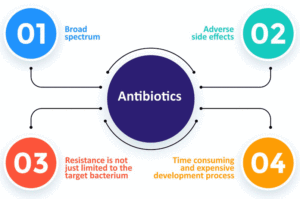
Due to the declining effectiveness of antibiotics, it is important to slow down the process of acquiring antibiotic resistance by bacteria and to seek and develop other methods of disease prevention and treatment. Introduction of prescription-only antibiotics would help greatly, as in many countries the access is too easy. Discouraging the antibiotics’ abuse will help slow down the process of developing resistance.
The use of antibiotics in feed and aquaculture must also be eliminated to the necessary minimum. This problem has been discussed many times in the European Union and it was assumed that in 2022 there will be introduced a law banning the use of antibiotics which are of particular importance in medicine. Even for animals, antibiotics should be available by prescription-only, after dispensation by a veterinarian.
Increasing the availability of rapid diagnostic tests to detect the etiology of the disease is essential. The use of antibiotics to combat viral infections must be strongly discouraged. This includes cases of pharyngitis, the viral case for which doctors often recommend antibiotic treatments.
Additionally, vaccines are an important preventive measure to help develop immunity against various diseases.
Despite all of the above, the most essential way to bypass this problem of resistance is the use of bacteriophages.
Finding new ways to resolve the issue of developing antibiotic resistance for animals in future is important.
Phage therapy as a “rediscovered” path
Bacteriophages are bacterial viruses that recognize specific species and even strains of bacteria. The name also means “bacterium eater”. Phage therapy was introduced a century ago but was discontinued after the introduction of antibiotics. However, research was continued in places such as Russia, Georgia, and Poland. Institutions which are well-known for their long-term activity in the field of bacteriophages are Eliava Institute of Bacteriophage, Microbiology and Virology, founded in 1923 in Tbilisi, Georgia and the Ludwik Hirszfeld Institute of Immunology and Experimental Therapy, founded in 1952 in Wroclaw, Poland.
Initially, bacteriophages were used mainly in the treatment of typhoid fever, dysentery, skin and surgical wound infections, peritonitis, septicemia, urinary tract infections, and external otitis, but also in pneumonia, meningitis, osteomyelitis, and postsurgical infections in cancer patients. The allegations that questioned the effectiveness of the bacteriophages mainly included insufficient methodology design. Bacteriophages have regained the interest through a more detailed understanding of phage biology, genetics, immunology, and pharmacology. Many studies suggest that properly developed bacteriophage cocktails give very satisfactory results, both in medicine, agriculture, and aquaculture.
Phage therapy has a good chance of success
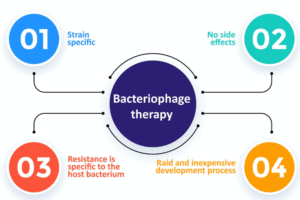
The use of bacteriophages is promising because they act very specifically. This means that they will not act negatively on the microflora, unlike antibiotics. The undoubted advantages are inactivation after they neutralize all target bacteria and spontaneous reproduction. Therefore, small, and single doses are usually sufficient.
Moreover, bacteria striving to develop resistance against phages have a much more difficult task, because phages counteract and through evolution bypass the bacterial defense mechanisms. The tendency of bacteria to develop phage resistance is about ten times slower than in case of antibiotics. Also, phage-resistant bacteria do not possess such qualities in regards to other phages, which still have similar target range. Lastly, phage-resistancy should not be always associated with negative effects. It frequently effects in a decline in bacterial virulence because of the lost ability for colonization and an increase in sensitivity to other phages.
The bacteriophages mode of action may seem/(appear as) to be a disadvantage for some people, and in fact it is a limitation, but mainly in the context of sterilizing, e.g., laboratory equipment and surfaces or limiting the number of microorganisms in food products. However, for the treatment of diseases, specificity is highly desirable. Animals, including humans, are colonized by numerous bacteria that enable the proper functioning of the body, and killing them can lead to troublesome and long-term consequences, such as chronic diarrhea and susceptibility to various diseases. Living organisms come into daily contact with pathogenic bacteria, which are eliminated by the immune system. Microbiota also participates in this process, since it competes for a place to live, preventing other bacteria from growing in their vicinity. Moreover, the problem with narrow spectrum of action can be easily circumvented by creating cocktails containing different phages.
Another reason in favor of phage therapy is the high prevalence of viruses, thanks to which they are easily found in the environment. Moreover, there are many naturally occurring virulent bacteriophages which are lethal to bacteria, and additionally they constantly evolve parallel to the bacteria. Many antibiotics only inhibit multiplication of bacteria instead of killing them, which increases their ability to adapt.
Currently, large technological advances, including the development of efficient tools and techniques, make it possible to significantly increase the effectiveness of phage therapies. Thanks to novel bioinformatics tools and sequencing technology, it is very easy and quick to determine whether the tested bacteriophage is virulent or only inhibits the growth of bacteria. It is also possible to identify the best conditions for a given bacteriophage in which it is most active. As a result, various stabilizing solutions are created that maintain effectiveness and bioactivity even for months.
Disadvantageous factors which must be paid special attention/that should be highlighted are thermal and pH stability. We must bear in mind that Many bacteriophages are most active at neutral pH. The creation of bacteriophage cocktails offers great opportunities to target potentially pathogenic bacteria, while preserving the microflora. Moreover, the constantly expanding knowledge and technical possibilities will contribute to the development of increasingly effective production methods on an industrial scale, and to the reduction of production costs, which are already relatively cheap.
In every sense, bacteriophages are the present and the future. The revolution has begun and will be the new marvel that medicine desperately needs.
Prepared By: Justyna Andrysiak
Gordillo Altamirano FL, Barr JJ. Phage therapy in the post antibiotic era. Clin Microbiol Rev. 2019;32(2):e00066–18.
Chan BK, Abedon ST, Loc-Carrillo C. Phage cocktails and the future of phage therapy. Future Microbiol. 2013;8(6):769–783.
Loc-Carrillo C, Abedon ST. Pros and cons of phage therapy. Bacteriophage. 2011;1(2):111–114.
Reardon S. Phage therapy gets revitalized. Nature. 2014;510(7503):15–16.
Kowalska JD, Kazimierczak J, Sowińska PM, Wójcik EA, Siwicki AK, Dastych J. Growing trend of fighting infections in aquaculture environment-opportunities and challenges of phage therapy. Antibiotics (Basel). 2020;9(6):301.












 Gut health is crucial for the performance, health and welfare of poultry. It is important to maximize our profits and minimize loses. It is important for:
 Further, many intestinal microbes are capable of producing antibacterial substances like bacteriocin and the intestinal microbiota is also thought to play a role in the normal development of intestinal immunity.
  With modernization in poultry sector, young chicks are becoming more and more sensitive to bacterial pathogens such as Salmonella sp. In natural habitat, the mother hen acts as the source of the intestinal microbiota of a day-old chick, but young chicks are becoming more susceptible to intestinal disturbances and to several pathogenic infection, due to this missing link.



 The use of antibiotics in feed and aquaculture must also be eliminated to the necessary minimum. This problem has been discussed many times in the European Union and it was assumed that in 2022 there will be introduced a law banning the use of antibiotics which are of particular importance in medicine. Even for animals, antibiotics should be available by prescription-only, after dispensation by a veterinarian.
 Initially, bacteriophages were used mainly in the treatment of typhoid fever, dysentery, skin and surgical wound infections, peritonitis, septicemia, urinary tract infections, and external otitis, but also in pneumonia, meningitis, osteomyelitis, and postsurgical infections in cancer patients. The allegations that questioned the effectiveness of the bacteriophages mainly included insufficient methodology design. Bacteriophages have regained the interest through a more detailed understanding of phage biology, genetics, immunology, and pharmacology. Many studies suggest that properly developed bacteriophage cocktails give very satisfactory results, both in medicine, agriculture, and aquaculture.