PRESS RELEASE: CLFMA organized a webinar on “Animal Husbandry Infrastructure Development Fund (AHIDF)” in association with the Department of Animal Husbandry & Dairying on 28th July 2021. Dr. O.P. Chaudhary, Joint Secretary (NLM/PC) Department of Animal Husbandry & Dairying, Govt. of India, Dr. S.K. Dutta, Joint Commissioner, Department of Animal Husbandry & Dairying, Govt. of India, Dr. Lipi Sairiwal Assistant Commissioner, Department of Animal Husbandry & Dairying, Govt. of India, Shri. Sadique Akhtar, Team Leader, PMA (Manager, Grant Thornton Bharat LLP), Shri. Udit Paliwal, Program Management Expert, PMA (Consultant, Grant Thornton Bharat LLP) from GOI showed their valuable presence for the Webinar. Dr. O.P. Chaudhary, Joint Secretary (NLM/PC), Department of Animal Husbandry & Dairying, Govt. of India was unable to connect the Webinar.
CLFMA’s Second Online Webinar on the AHIDF with Government of India started with Opening Remarks & Introduction by Dr. S.K. Dutta, Joint Commissioner, Department of Animal Husbandry & Dairying, Govt. of India. He briefed on the AHIDF (Animal Husbandry Infrastructure Development Scheme) of Rs.15000 Crores, under which, animal feed component was also included. He said that, the scheme enables the beneficiary to take the benefit of 90% the loan from the Bank, on which, 3% interest subvention is provided by the GOI., apart from this there is also a provision for availing 25% of the total borrowings as credit guarantee.
A short movie on AHIDF scheme was played during the Webinar to give a glimpse of the entire Scheme. Shri. Sadique Akhtar, Team Leader extended his thanks to the participants. He welcomed Shri. Neeraj Kumar Srivastava, Hon’ble Chairman of CLFMA. Shri. Suresh Deora, Hon’ble Secretary of CLFMA. He has also thanked Mr. Divya Kumar Gulati, Dy. Chairman of CLFMA and all the participants & Dr. Lipi Sairiwal, Assistant Commissioner, Department of Animal Husbandry & Dairying, Govt. of India to participate in this program. He welcomed all the participants and the member of CLFMA for giving their valuable time to participate in the webinar.
Chairman, Mr. Neeraj Kumar Srivastava introducing CLFMA OF INDIA to the panelists and participants and gave a presentation on “Emerging Trend and Prospects of Feed Manufacturing”. He said that, CLFMA was very enthusiastic about this Webinar as the AHIDF scheme of Rs.15,000 Crores floated by GOI., and the same is very beneficial for the upliftment of the Livestock Industry.
He also briefed on CLFMA policy, which included three core values viz.
Membership Value
Visibility and Credibility of the Organization
The recognition and influence.
Chairman, Mr. Neeraj Kumar Srivastava also briefed on the Poultry Feed Scenario & Industrial Scenario, current soaring price of the grains, especially the soybean meal & other protein sources which has created a huge havoc in the livestock industry. He gave an outlook of the challenges / difficulties faced by Livestock Sector during Covid 19, rising feed cost Post Covid-19 and gave the opinion of implementing better value chains, trainings, equipment, equipment’s, and employee’s safety.
He briefed on the pivotal role played by CLFMA for the upliftment and sustainability of compound feed industry and animal farmers, present ongoing trends and how the Livestock Industry could be helpful in reviving the Animal Husbandry Sector in the Country.
Dr. Lipi Sairiwal, Assistant Commissioner, Department of Animal Husbandry & Dairying, Govt. of India explained AHIDF Guidelines and the entire process of application process in detail, which are available on the GOI.
She has also guided on how to apply for the loan to all the participants.
Shri. Udit Paliwal, Program Management Expert, Dr. Lipi Sairiwal, Assistant Commissioner, Dr. S.K. Dutta, Joint Commissioner, Shri. Sadique Akhtar, Team Leader interacted very well in Q&A Session with the participants and tried to resolve every question and for any further queries, they requested to contact either CLFMA OF INDIA or directly on the website, where contact details are available, so that they can try to handhold and help the related stakeholders.
Closing Remark was made by Shri. Suresh Deora, Hon. Secretary of CLFMA. He said the, AHIDF fund was a very good project for people in Industry whether they are Farmers, Section 8 companies, Proprietor, Partnership Firm, etc., as they can avail interest subvention of 3% on 90% of the Loan. He appreciated Dr. Lipi Sairiwal for presenting the detailed guidelines of the scheme.
He suggested the Government of India to consider the following requests to be included under the scheme:
Please expand the scope of the Scheme;
To add some more products like feed supplements and additives, by pass fat, breeder broiler and hatchery farms;
To link up this scheme with CGTME scheme. Where, there is a non-collateral loan up to Rs.2 Crores & he said that, if this scheme is combined with CGTME Scheme CLFMA will be very grateful to the whole Ministry.
Mr. Suresh Deora, Hon. Secretary CLFMA extended thanks to everyone on behalf of himself and CLFMA for organizing this webinar & requested Dr. S K Dutta, Joint Commissioner that Government of India shall consider CLFMA’s requests.
Vote of thanks was proposed by Shri. Sadique Akhtar, Team Leader, PMA (Manager, Grant Thornton Bharat LLP). Total participation for the Webinar was 150 & 63 participants registered for the same.
Source: CLFMA of India
—
For Webinar announcement details & program schedule, click HERE
Enzymes increase nutrients available in feed ingredients. Since enzymes are substrate specific, the benefit of the enzyme in the diet is dependent on the mix of raw materials and the amount of substrate available.
Dr. Koushik De, Director-Technical Services, SCA Novus International
Assessment of added value of enzymes isn’t simple. The most accurate method is to use in vivo techniques with animals consuming semi-purified diets. Using this method, the direct effect of an enzyme can be understood for each raw material. As this method is expensive and not available to do it for everybody, the matrix approach based on nutrients contribution values given by the supplier has been widely adopted to evaluate an enzyme.
Using a set of nutrient matrix values for an enzyme is a practical approach and providing unique matrix values to a given enzyme ensures it can be applied simply to any kind of diet, regardless of the raw materials or the amount of substrate. This approach has been easy to adopt in practical formulations but has consistently demonstrated enzymes failing to meet expectations. These failures have been due to the lack of or an excess of substrate, and/or over-formulation.
When evaluating enzymes, a few concepts need to be made clear:
Substrate: the specific substance on which an enzyme act
Enzyme Effect: nutrients that a given enzyme will make available due to the direct enzymatic effect and the additional benefits accrued by the reduction of the substrate in the diet
Avoid over-formulation: enzymes need “nutritional space” to express and thus diets need to be near the deficiency point to make a good estimation of the enzyme’s potential.
Trials for evaluating enzymes
The test of an enzyme requires being aggressive in the formulation and pushing the limits. Under-performing chickens will help provide a better evaluation of the enzymes and understand how accurate the formulation is.
Challenge Model: In this model, the diet with significant reduction of nutrients, that the enzyme will liberate and make available to the birds, needs to be formulated. Different enzymes can then be added on top.
Table 1: Challenge Model-Protease-10% reduction of the CP & AA from the specifications.
Objectives of the trial:
“AA room” is created for enzymes to show their potential.
Each supplier has different recommendations of how proteases affect the feed. This trial allows simplifying the comparison.
Proteases can’t increase the AA digestibility 10% linearly. As a result, the AA ratio will be unbalanced and subsequently the performance of negative control as well as treatments will be lower than that of the control group.
The most aggressive protease will have the best performance compared to T2.
If any of the enzyme groups shows the same performance as the control group (T1), it signals some over formulation as no protease can increase 10% linearly on all the AA.
Response Model:
The model is a variation of the ‘Challenge model’ discussed in the previous section. In this model, two control diets will be used; the current diet (this group is optional if there aren’t enough treatments) and a diet group with anywhere between 5% to 10% lower AA specifications. The control 2 specifications will be used for the treatment groups. There will be a reformulation following the matrix value recommendation of each protease supplier.
Table 2: Response Model – Diet reformulation
Objectives of the trial:
Having T1 compared to T2 will assist in acknowledging any over-formulation or amino acid imbalance.
Having lower specifications in AA and CP creates enough space for the enzyme to express to potential.
This design allows each supplier to give their ideal recommendations.
If the enzyme recommendation is too aggressive, the enzyme group will clearly show lower performance than T2 as long as there is a gap of performance between T1 and T2.
If the enzyme recommendation is conservative and the enzyme can deliver additional benefits it will be reflected in greater performance than T2 as long as there is a gap of performance between T1 and T2.
Ricky Thaper- Treasurer Poultry Federation of India
When the animal feed prices rose sharply because of huge spike in soybean meal prices, all the trade bodies associated with poultry, fisheries and dairying industries met up with the key officials and Ministers of Animal Husbandry and Dairying, Fisheries, Finance, Commerce & Industry, Agriculture, Consumer Affairs and Environment, Forest & Climate change, for ensuring imports of soybean meal so that domestic prices are curbed. The officials with the key ministries and ministers responded swiftly to the request to save livestock farmers and the industry.
Recent few weeks have witnessed hectic activities especially amongst the poultry, fisheries and dairies industries which has been hit hard by sharp spike in feed prices especially due to increase in soybean meal rates, a key source of protein used in the livestock feed.
The prices rise in the recent months have been so sharp that it has pushed up the cost of production and thus causing losses to poultry, aqua and dairy farmers. The officials from the Ministry of Animal Husbandry, Dairying & Fisheries, Ministry of Finance, Ministry of Commerce and Industry and Ministry of Environment, Forest & Climate change have conducted a series of meetings with delegations from All India Poultry Breeders Association, CLFMA, PFI, Fish Feed Manufacturers Association and livestock sector representatives to find a solution for addressing the sharpest spike in prices of feed in the recent years.
The rise in prices of soybean meal and maize have pushed up the cost of production. In the poultry sector both in the case of broiler (meat) and layer (for egg production), cost of feed constitutes around 65% to70% of cost of production, continuing to rise relentlessly for the last few months.
According to Mr. Bahadur Ali. Chairman, All India Poultry Breeder Association, the prices of soybean meal, has seen the sharpest increase in recent years. In July, 2021, the average price of soybean meal was Rs 85,000 per tonne against Rs 32,300 per tonne prevailed a year back and even in 2019, the prices were at a similar level. (refer table below). For other months, the prices in 2020 and 2019 have been in the range of Rs 33,500 – Rs 35,500 per ton.
Soybean meal price trend (Rs / Ton)
Source: All India Poultry Breeder Association, (prices excluding 5% GST)
The spike in Soybean meal prices have been mainly because of rise in soybean seed prices as mentioned in the table below.
Soybean seed prices trend (Rs / Ton)
Source: All India Poultry Breeder Association, (prices excluding 5% GST)
Corresponding feed prices in case of poultry has risen from Rs 32,000 per ton prevailed in July, 2020 to Rs 48,000 per ton in July, 2021 thus pushing the cost of production of and poultry meat.
According to the Industry estimate, by the end of August, 2021, the feed price could rise to Rs 50,000 – 54,000 per ton if the steps to import around 12Lakh tonne of soybean meal till India’s new crop arrives by middle of October are not taken. Both the domestic prices of soybean seed and soybean meal are around 2 time costlier than the global prices.
“Due to the increase in soybean, feed prices have increased. Resultantly, the poultry farmers, and fish & shrimp farmers finding it very difficult to do placement of chicks as well as fish & shrimp. The officials from Department of Animal Husbandry and Dairying (DAHD) on request of Industry had written letter to the Director General of Foreign Trade, Department of Commerce, requesting for import of 12Lakh tons of soybean meal till October, 2021 when new kharif crops arrive in the domestic market.
According to the Mr. Gulrez Alam, Secretary, All-India Poultry Breeder Association (AIPBA), this wide discrepancies in the production estimate of soybean by the Government as well as SOPA has led to the current crisis of supply of soybean meal. This has pushed up the cost of production for poultry, fish, shrimp, cattle and dairy farmers hugely leading to rise in prices.
According to Industry data, the annual requirement of soybean by the poultry sector (60Lakh tons), shrimp feed (4.5Lakh tons), fish feed (3Lakh tons) and dairy and direct animal feeding (5Lakh tons). The total soybean meal demand for animal feeding is 72.5Lakh ton.
Prompt actions by the government for initiating imports of soybean meal:
In anticipation of an emerging crisis caused by high soybean meal prices, officials of the various trade organizations and other stakeholders along with Mr. Bahadur Ali, Chairman AIPBA, met Shri Parshottam Rupala, Honourable Union Minister of Animal Husbandry, Dairying and Fisheries requesting him facilitate import of atleast 12Lakh tons of soybean meal on an urgent basis.
Trade organizations and other stakeholders along with Mr. Bahadur Ali, Chairman AIPBA, met Shri Parshottam Rupala, Honourable Union Minister of Animal Husbandry, Dairying and Fisheries requesting him facilitate import of atleast 12 Lakh tons of soybean meal on an urgent basis.
Delegation of All India Poultry Breeders Association, Compound Livestock Feed Manufacturers Association and Poultry Federation of India and other Industry representatives from livestock industries met several key ministers Shri Om Birla, Speaker, Lok Sabha, Shri Piyush Goyal, Union Minister of Commerce and Industry, Shri Bhupinder Yadav, Minister of Environment, Forest and Climate Change, Dr. Sanjeev Balyan, Minister of State of Animal Husbandry and Dairying, Shri Som Prakash, Minister of State of Commerce and Industry, Dr Bhagwat Karad, Minister of State of Finance and Dr L. Morgan, Minister of State for Fisheries for drawing attention towards sharp spike in feed prices and requesting them for allowing imports of soybean meal on an urgent basis.
Poultry Industry Delegation met Dr. Sanjeev Balyan, Honourable Union Minister of State of Animal Husbandry and Dairying.
Poultry, Aqua and Shrimp Industry Delegation had a series of meetings with Shri Som Prakash, Honourable Union Minister of State of Commerce and Industry
Mr. Bahadur Ali, Chairman AIPBA along with Poultry and Aqua Delegation, called on Shri Piyush Goyal, Union Minister of Commerce and Industry in the Parliament House with the request to facilitate import of atleast 12 Lakh tons of soybean meal on an urgent basis.
Poultry Associations and Industry Delegation called on Dr Bhagwat Karad, Honourable Union Minister of State of Finance.
Poultry, Aqua and Shrimp Industry Delegation with Dr L. Morgan, Honourable Union Minister of State for Fisheries
Meanwhile, in a communication, Mr. K Gulte, Economic Adviser, asked Ministry of Consumer Affairs, Food and Public Distribution, to Department of Commerce, Department of Animal Husbandry and Dairying, Department of Revenue and Department of Agriculture, Cooperation and Farmers Welfare, to facilitate immediate import of 12Lakh tons of soybean meal.
All the trade representatives as well as stakeholders worked in close coordination to ensure that the government agencies apprised about soybean meal supply crisis and the government officials and ministers heading key ministries responded in a positive manner to ensure that the necessary instructions were issued for import of soybean meal. This close coordination between various departments and trade representatives would continue to be maintained for ensuring health growth of livestock sector.
I would like to state that one of our very dear friend and North India poultry feed industry’s dynamic personality, Shri Ashish Gupta, Managing Director, Sampoorna Feeds Pvt. Ltd, who had actively participated in most of the meetings with the key ministries in Delhi, for getting the import of soybean meal, passed away recently. Shri Ashish Gupta was actively associated with the welfare of North India poultry farmers and he always stood for the betterment of livestock industry.
May Almighty Rest his soul in peace and give strength to the family members, friends, near and dears ones, to bear this irreparable and untimely loss.
EVENT EXCERPTS: Natural is future 2.0is a webinar series powered by Natural Remedies Pvt. Ltd. Eminent speakers across the globe are invited to share their thoughts on the most relevant topics of the animal health industry. In June, Mr. Peter Chrystal, the world-renowned expert in poultry nutrition was invited. He has about forty years of experience in the field of both broiler and broiler breeder nutrition. His discussion was aimed at providing hands-on practical perspectives in the management of modern broiler breeders, how to overcome challenges, and to take up opportunities to help the poultry farming community.
Peter Chrystal
Mr. Peter Chrystal started his talk by pointing to the fact, how the physiology of the broiler birds has changed over the past 60 years. The modern broilers are a product of genetic selection for the desired traits of rapid growth with a low-fat deposition. Unfortunately, this is the opposite of what is desired in a broiler breeder and hence the challenges going forward. To tackle the faster growth rate broiler breeders need to be on increased feed restriction, and second, body fat deposition, which is essential for breeder birds, has gone down drastically over the years; this creates problems when birds are at peak production.
He emphasized the two critical stages during the rearing of broiler breeders. First, at nine weeks, which is important for skeletal development, and the second at post-light-up, where it is important to ensure that the females have enough fat pad. Since approximately 20% of the peak, egg laid number is mobilized from the body fat whereas 80% comes from the lipids in the feed. If the bird goes to full peak and doesn’t have enough reserves, it will be unable to perform well at peak.
Bringing the focus to lighting he mentioned that breeders are photorefractory, that is to say, they don’t respond to light until such time that they are mature enough to respond. Hence, during rearing, one either should decline the light or keep the day length constant before light stimulation. This presents challenges, particularly if birds are reared in open-sided houses.
BIRDS DO NOT SEE LIGHT IN LUX, BUT CLUX OR GALLI-LUX.
The Mechanism of light stimulation- in the birds there is mostly hypothalamic stimulation rather than retinal stimulation. The birds do not see light in Lux but Clux or Galli-Lux. The hypothalamus is stimulated, which secretes the luteinizing hormone-releasing (LHR) hormone that stimulates the anterior pituitary gland to release luteinizing hormone (LH), which helps the growth of the follicles. The feedback mechanism of progesterone goes back to the hypothalamus. These rapid changes in the hormone levels are a stressful event, we should keep in mind that the birds are already on feed restriction too. He suggests that farm management must consider boosting vitamins such as α-tocopherol, herbal extract with antioxidant properties, carotenoids; phytogenic compounds that are anti-bacterial and improve gut health, so that they may stimulate feed intake, and also promote follicular development.
Managing ovarian function
Talking about managing ovarian function he mentioned the importance of critical balance between too many follicles or not enough follicles. Ideally, in a breeder bird autopsy, 5–7 large follicles must be seen while the small follicles should be numerous. With too many large follicles, birds will be at excellent peak production but with poor persistence, the causes could be that layers are over-feeding at the onset of lay or possibly improper light stimulation. With insufficient follicles, birds would get to normal peak production but with poor persistence. This is caused due to inadequate light stimulation, a higher incidence of atresia, or a normal decline in follicle number with age.
Photo-stimulation
He emphasized the importance of light-proof housing in other words light controlled housing in broiler breeders and the importance of sudden transition in light duration at 21st week. He explained in detail the effect of light stimulation and the drawbacks of some housing systems.
Practical feeding of breeders
According to him, birds with very little energy will go into negative energy balance; they will lose weight, production, and fertility. Whereas too much energy would lead to a high-fat deposition, causing oviduct problems, and can impact fertility (poor mating success).
He explained the relative energy demand of the birds with reference to age and development of the oviduct and growth of the birds. He showed the importance of maintaining a proper protein-to-energy ratio at different stages of growth and production by comparing results from different scientific publications. He addressed several participant queries as below.
How does debeaking affect production in breeders?
He spoke from his experience and mentioned that if debeaking is performed properly without damaging the tongue, it does not affect the production at all. They routinely use infra-red treatment and they don’t see any impact on the production, but if the birds are stressed during the debeaking process or the debeaking itself is not performed well, it may have an impact on feeding and in turn the performance. He also pointed out that the age when debeaking is performed is important if debeaking is performed on day-old birds with the infrared method, rarely much impact is seen, while a hot blade cut might create problems when not performed well.
What is the role of body weight and feed intake after photo stimulation on ovarian function, at the first egg in broiler breeder females?
According to him, every flock is different. If the flock is underweight and not ready for sexual maturity and photo-stimulation, there would be a problem if we tried to peak feed it. If the flock is mature and ready to be photo-stimulated, one can go to peak feed and wouldn’t face any problems since she’ll respond amicably. Overfeeding when the flock is not ready for it then one would see prolapse, double yolks even in pullets. It all depends on whether the bird is ready for stimulation of feed and it is a hard question to answer since each flock is very different.
Do you recommend the usage of non-starch polysaccharide (NSP) enzymes or protease enzymes in the broiler breeder diet? If so, is it a growing trend?
He mentioned that he would use an NSP enzyme, the reason being if one is using rice bran or wheat bran in their diet, it evens out the energy of the grain. But it probably has less effect on maize and wheat-based diets. He also suggested the use of a phytase as a single dose, but not a protease.
What is the solution to control multiple ovulations in broiler breeders, apart from feed restriction?
He opined that there isn’t another solution, apart from feed restriction. But he says that there are 2 problems with open-sided houses, during long day length birds would have been over-stimulated, so the only choice one has got is to hold back on the feed. The only other answer would be to go for light-tight housing. If one can’t control the light the only other thing that can be controlled is feed.
How can we prevent oviduct prolapse and egg yolk peritonitis? Are there any predisposing factors to be kept in mind?
He had a clear answer that forced light stimulation before sexual maturity is the reason for prolapse.
Rectal prolapse is seen as early as 4 weeks of age; the role of light might not have a reason in this situation.
He suggested that the dietary fibre is probably high in these cases, hence restricting a maximum of 2.5%-3% crude fibre, especially in the first 5 weeks, would help avoid rectal prolapse.
How do we manage low bodyweight birds to increase their weight to become good layers?
He suggested that a three-way grading must be performed. In the first grading at 4th week the chicks with low body weight should be separated and fed extra, to bring the body weight in line. By the 9th week when the second grading happens, the small birds must be able to get back to the average weight. He opines that in practice reducing weight in heavier birds poses a bigger problem rather than weight gain for lighter birds.
How much should be the maximum bodyweight that we can be permitted above the standard in laying birds that don’t affect production? Is there an upper cap?
According to his experience and a recent scientific article about 150-200 g above the standard has not shown any problems with egg production, except one could expect larger-sized eggs early on.
In the breeders on the onset of lay, we notice calcium tetany cases, what is your opinion?
He points out that he doesn’t believe in feeding a pre-layer diet. But sometimes the farms start feeding a layer diet weeks before the birds are due to lay their first egg. If high levels of calcium are being fed even 1.5% in a typical pre-layer is far too much. He recommends keeping the calcium low, and when the birds go on to lay (about a week before) only then should the birds be shifted on to a layer ration. It is unlikely to notice calcium tetany if this is followed.
How to reduce leg weakness and cage layer fatigue in broiler breeder females? Can we limit the lighting duration to 14 h a day in open-sided sheds as a remedy for this?
According to Mr. Peter Chrystal, leg weakness is not directly related to the length of light. Two-phase layer diet; bring the available phosphorus down as bird’s age and calcium levels must go up. Excess calcium may create more problems than it solves. One shouldn’t see any issues even with a 16 h day length provided that the dietary calcium and available phosphorus are provided correctly. Calcium levels must be going from 3.8-3.9% up to 4.3% at finishing whereas the available phosphorus should be going down from 0.45% to as low as 0.35% at the tail-end and these issues may not occur from a calcium-phosphorus point of view.
Mycoplasma infection is there any chemical or salt that can be used in breeders to control this. He suggests that Macrolide drugs at low doses could be used. But there is resistance to using these drugs in Australia and hence they have been using phytogenic compounds, to boost the bird’s immunity to fight the disease.
Could you shed some light on the usage of potassium carbonate in the breeder layer diet?
Mr. Peter Chrystal suggested that he has used potassium carbonate on and off when they have encountered sudden death syndrome associated with low potassium levels. He recommends that in a hot humid climate there is a need to ensure enough potassium, especially if the diet has low Soya, which is rich in potassium. About 0.6-0.8% potassium should be maintained, no harm supplementing it.
Is there a particular recommended feeding time for broiler breeders?
Ideally, farms could feed the birds twice a day, one in the early morning and another in the afternoon with high calcium. He says he hasn’t seen any difference in the performance of the birds if they were fed before or after lights-on, it is a pattern that the birds get used to. But what is more important is for the manager to be present when the birds are feeding. But he recommends that feeders be charged before lights, in the dark so that the noise doesn’t get the birds excited.
In a particular case, about 80% of birds showed typical T-2 Mycotoxin lesions such as oral ulcers, tongue necrosis, but feed samples tested negative for T-2 toxin. Is there any other reason that this may be happening?
He suggests that the T-2 toxins are powerful; they may occur in pockets in the feed. Sometimes sampling out of a big batch may not be easy and T-2 mycotoxins might not show up in the test analysis. However, the birds are the best indicators of the existence of these mycotoxins. Mycotoxins also conjugate, and hence may show negative results when feed is analysed. But if the birds are showing lesions on the tongue and mouth it is possible that the T-2 toxin is present, and one must treat it with a targeted toxin binder in such cases.
Is excess fat in the grower and pre-layer diet good for peak production?
Birds deposit one-third of the fat that it ingests as body lipid. This is a rule of metabolism. It helps have some fat in the diet, but not so much that we are overfeeding energy. He suggests around 7.5-10L per ton, about 1% added fat, not any more than that.
For supplementing dietary electrolyte balance is it better to use sodium formate instead of Sodium bicarbonate?
He recommends sodium bicarbonate is better, bicarbonate ions are needed in the diet. Sodium formate is a salt of an organic acid so it dissociates easily.
Breeders are fed phase-wise; will delay in the transition from one phase to another affect the production?
Mr. Peter Chrystal answers from his experience that breeder birds don’t like to change, any big changes can lead to performance losses. He prefers to keep an early lay to a late lay diet excluding a mid-lay diet. Keeping the diets similar is important. What he recommends is to keep the energy identical, minor acid profile identical, reducing crude protein in the second phase, changing the calcium and available phosphorus. The diets must fit very closely together, birds don’t realize that they have been moved from one diet to another, and there will be no upsets. It is generally a good practice to bring in the new diet while you still have old feed below, and if the phasing happens over ten days it is ideal since it is the amount of time it takes for the follicles to develop fully, by which time she is used to the phase over.
“V-Connect Asia Edition” is set to be the largest digital B2B networking event for ASEAN’s Feed to Food industry, which will take place on September 22-24, 2021, online. This event will provide you with a convenient networking opportunity and the latest industry updates despite travel limitations. The digital event will open for 24 hours during the three days of the event.
The V-Connect platform is a digital platform developed by VIV and the ILDEX team to enable in-person B2B networking. At V-Connect Asia Edition, you will unlock direct online access to buyers and other industry key players from all over Asia, including China and the Far East, the ASEAN markets, and the Indian Continent.
The organizers have worked with top Asian regional partners of the VIV Asia established network to invite valuable profiles to attend and engage in business. This vast collaboration between global and regional industry suppliers and buyers all takes place online on V-Connect.net.
“V-Connect Asia Edition” platform will be the most powerful means of direct communication and the most effective way to acquire and update industry knowledge. Visitors can attend this event digitally for free and enjoy the platform features as follows:
Marketplace Integration:
Engage with key suppliers across global markets to increase brand awareness and secure new deals.
AI-Powered Match-Making:
Enjoy intros with relevant exhibitors and break new ground in convenient online meeting rooms.
Nuanced Networking:
Search suppliers, filter according to your needs and embark on new ventures.
Incredible Program Content:
Access a fantastic speaker line-up with key industry updates and easily organized content.
Real-Time Engagement:
Engage with potential suppliers in a range of real-time 1:1 or group meetings in Virtual Lounges, and choose from a voice or video call to suit your needs.
Don’t miss this incredible business opportunity, your gateway to Asia market!
Synopsis: Understanding the role of water activity in maintaining the vital nutrients and protecting it from the microorganisms will be probably the most significant advancement made by poultry feed manufacturers. Water activity (aw) is one of the most critical factors for determining the quality and safety of feed and grain. It quantifies the amount of “free” water available in materials for use by microorganisms and chemical agents.
About the author
Dr. Naveen Kumar
Dr Naveen Kumar , B.V.Sc & A.H (Gold Medalist), M.V.Sc (IVRI, Bareilly) is a food & oil seed grains storage specialist and a finished feed quality expert for Asian and other tropical countries. He also Business Director of Delst Asia and is located in Faridabad, India. He can be reached at naveensharma21@gmail.com.
To face up to the extremely challenging tropical hot and humid weather condition, maintaining overall grain quality over storage requires an in-depth understanding of the sciences involving:
Water activity, Moisture movement
Good silo design and good silo management program
Intake grain quality and length of storage.
This article focusses on Water activity (aw), reasons for rot, Bio-deterioration, Moisture migration and Corrosion, Grain respiration, Shrinkage, Fungus and Mold and Insect infestation.
Charting Water Activity in Silos
Over the entire storage period, good quality grain will continue to degrade in quality. Grains degrade 10 times faster in the tropics due to the very adverse weather condition posed by hot scorching afternoon sun, the occasional burst of rain, high humidity and temperature difference between hot days and cold nights. At best, proper grain storage management can only help minimise the damage.
It only takes about 2-3 weeks for an onset of the many negative elements to start degrading the stored corn, and thereafter, rapidly worsening over time. Degradation in grain quality relates to nutrient degradation, bio-degradation, insect and mite infestation, physical structure damage, mold contamination and grain respiration, which leads to weight or moisture shrink. All these damaging losses has an economic impact and cannot be taken lightly.
What actually starts the rot?
Water activity (aw)
The most important property of water in food systems is the water activity (aw) of food. Water activity is the ratio of the vapor pressure of water in equilibrium with a food to the saturation vapor pressure of water at the same temperature. The water activity of a food describes the degree to which the water is “bound” in the food and hence its availability to act as a solvent and participate in chemical or biochemical reactions and the growth of microorganisms. It is an important property that can be used to predict the stability and safety of food with respect to microbial growth, rates of deterioration, chemical and physical properties (Mathlouthi, 2001).
At aw of 0.70 and above, mold starts to grow which inflicts great damage to the grain quality. The water activity and the propensity for mold growth increases with temperature (Tapia et al., 2020). Shelled corn can be safely stored for a year at a moisture content of 13% and a temperature of 10℃. However, the same corn stored at 32℃ can be substantially be damaged by mold within 2 months. This is why it is so much easier to store grains in the cold regions but extremely challenging in tropical regions.
Bio-deterioration
The inherent enzymes present in the seed causes bio-deterioration. The extent of deterioration depends upon the rate of enzyme activity, which is affected by free water and temperature. Biodeterioration results in degradation of nutrients and contamination with anti-nutritional factors.
Nutritional impairment in degraded corn during storage is of great consequence to the health, nutrition and performance of the animals, while directly affecting the profitability of an organization.
Moisture migration
This is the spark that starts the fire and all other problems we face with grain degradation. Moving free water that leached out of grains is the primary cause of grain degradation. This is a natural phenomenon due to the huge temperature difference between day and night throughout the storage period. The difference in temperature causes moisture to move from a region of higher temperature to lower temperature. Moisture will start to migrate if the difference of temperature variance is more than 5℃. The movement of free water is further assisted by convective air current flow inside the silo. This convection air flow moves free moisture to localise spot, and consequently increases water activity, promoting mold growth, insect, and mite infestation.
As steel is a good conductor of heat, the silo wall is easily affected by weather conditions, impacting grain temperature nearer to the wall.
In a cold weather scenario, the cold temperature outside the silo results in the grain and air nearer to the wall to be colder while the center is relatively warmer. This forms a convection air flow that moves downward alongside the wall through the grain. As the air current moves downward and up again through the warmer center, the air starts to warm up from the warm grains and picks up moisture. As warm air rises, it cools because of the colder temperature near the roof, resulting in condensation on the top of grain mass.
In a hot tropical weather scenario, the hot temperature outside the silo results in the grain and air nearer to the wall to be warmer while the center is relatively colder. This forms a convection air flow that moves upward alongside the wall through the grain. As the air current flows upward and down through the cooler center, the air starts to pick up moisture along the passage, leading to moisture condensation towards the bottom silo floor. This phenomenon is most commonly seen in tropical countries, where the silo external surface can be heated to approximately 60℃ in the afternoon and quickly cooled down to about 22-25℃ at night.
Left picture dictates air flow current in a cold weather scenario while Right picture shows air flow current in a hot tropical weather condition.
Moisture migration occurs quite readily in regions with extreme day and night temperature, as in the Middle East, harsh tropical and equatorial climates. Storing grains at 13-14% in cooler climates is fair game, but however, in hot climates, it is very challenging which involve a totally different approach.
Typically, free water in the grain mass tend to migrate towards the cooler areas in a silo, which is usually the shaded part from the sun, the floor and the lower half of the silo. This is where you will observe sweated patches clinging to the silo wall and at the bottom of silo after gravity unloading.
The increased aw from moisture migration supports microbial and micro-flora growth, leading to spontaneous heating and eventually causes grain respiration. Heavily contaminated caked layer adhering to the silo sidewall must be properly cleaned and disposed of to control corrosion, contamination in feed production and future seeding of problems.
Corrosion
Corrosion of galvanized steel silos is due primarily to moisture ingress and the consequent degradation of the sweated corn fermenting and producing a complex mixture of chemicals amongst which are formic and acetic acids, both of which are extremely aggressive and damaging on the galvanized coating protection layer, and eventually corroding the unprotected exposed steel surface.
Left picture shows corroded internal side wall of silo. Right picture depicts collapsed silo due to corrosion.
Worst- and best-case scenarios for continued exposure to damp corn predict that the total useful service life of the silos can be reduced by half if corrosion is left unchecked or proper remedial maintenance to the corroded surface is not looked into. Many silos failed because of corrosion and neglect.
Grain respiration
Grain respires once it detects sufficient heat and moisture. This is the reason why feed mills dread storing corn above 14% moisture content. The hot pounding tropical sun with its strong UV rays in the middle of noon will drastically increase the surface temperature of the upper part of silo to a temperature way above ambient temperature. Just like the car roof which gets heated up to a very high temperature from the hot afternoon sun which burns upon touching.
The increase in temperature leads to an increase in respiration rate and consequently shrinkage, especially in the tropics. When grain respire, starch and oxygen are converted to carbon dioxide as well as water and heat, leading to the onset of even more aggressive and uncontrollable respiration.
Shrinkage
Shrinkage is physically noticeable and contributes to financial losses as weight loss in grain storage. However, in addition to weight loss, shrinkage causes irreversible changes to starch molecules, especially to amylose and protein matrixes that encapsulate individual starch granules within the endosperm of the corn kernel.
Depending on the grain intake moisture and storage time, moisture shrink can range from 0.5-3.0%, which is a substantial weight loss.
Moisture loss causes starch retrogradation, which limits digestibility and nutrient availability to the animal. This is an important factor why animal fed with fresh high moisture corn performs better than old dry corn. Shrinkage of corn due to moisture loss also has a negative impact on feed pelleting, since less moisture is being relayed to the compounded meal, resulting in poor steam conditioning and cooking of starch, a low degree of starch gelatinization and hence affecting the overall pellet quality.
Fungus and Mold
Fungus refers to a group of unicellular or multicellular organisms, which feed on organic matter. It includes mold, mushrooms and yeast. Fungus that are usually involved in deterioration of grain have been classified as field fungi, storage fungi, and advanced decay fungi depending on the time of their invasion and colonization of grains before or post-harvest (Afsah et al., 2013). Mold, are multicellular microscopic fungi, typically characterized by the presence of hyphae filaments. Their life cycle is divided into four phases: sporulation, germination, hyphal growth (vegetative growth) and reproduction. The spore stage is where a mold is dormant, allowing mold to endure harsh environments such as extreme temperature and dry conditions. Once mold spores obtain adequate nourishment and moisture, they will germinate and form hyphae. From this time onwards, fungi metabolize the grains by extracting the necessary nutrients and retaining moisture needed for growth, which ultimately poses a biosecurity threat to feed and animal (D’orazio, 2012).
In tropical conditions, Aspergillus spp. are prolific storage fungi in grains as it favours hot conditions with 13-20% moisture and relative humidity of 65-90% depending on the species. They can spontaneously produce heat up to 55°C, resulting in spontaneous heating in grain mass (Atanda et al., 2011). These molds are abundant in the environment and present on all corn kernels surface. It is important to control moisture and water activity to prevent mold proliferation and its damaging consequences. This mold is also often associated with granary weevil activities, which is usually an issue in long period storage.
Mold is a living organism and its growth is influenced by moisture, temperature, oxygen, and substrates. Moisture is the most critical among these factors. Mold unable to grow when the moisture in grains is less than 12%. When the moisture is increased above 12%, molds will start to germinate and grow. Molds proliferate when moisture is above 17% (D’orazio, 2012). Humidity affects grain moisture which makes it extremely challenging to store corn in bags or bulk in an open warehouse.
Molds not only produce mycotoxins but also damage and reduce the nutritional value of grains. Actively growing molds utilise carbohydrates present in grains to produce carbon dioxide, water and heat, leading to reduction of energy value and nutrients degradation of grains or feed.
It is difficult to control fungal contamination in well-dried shelled corn of 13-14% moisture, stored in a steel silo or as bags in a warehouse in tropical condition. Insect infestation due to moisture migration can also further contribute to temperature rise in grains. The combination of mold contamination and insect infestation increases water activity, resulting in an increase rate of mold growth. If mold growth is not controlled, the degradation of corn continues as the storage duration prolongs. There is simply no end to all of these issues if there is uncontrolled moisture migration and grain respiration since both generates an excessive amount of free water, increasing the water activity.
Corn contaminated with mold
Insect infestation
Insect infestation is a greater problem in regions with high relative humidity while temperature has the greatest influence on insect multiplication. At approximately 32°C, the rate of multiplication is monthly compounded exponential increase of fifty times the original amount (Yasothai, 2019).
Corn infested by insects
Growth of insect, pests and molds raises both temperature and moisture. Insect infestation is rampant whenever there is heavy sweating in areas where corn layer adheres to the silo wall in patches. Naturally, insects will start to breed and incubate their eggs in a conducive environment which provide a rich food source for its young larvae.
References
Afsah H., Leili S., Jinap, S., Hajeb, P., Radu, S. and Shakibazadeh, Sh. (2013). A Review on Mycotoxins in Food and Feed: Malaysia Case Study. Comprehensive Reviews in Food Science and Food Safety. 12. 10.1111/1541-4337.12029.
Atanda, S.A., Pessu P. O., Agoda S., Isong I. U., Adekalu O. A., Ehendu M. A. and Falade T. C. (2011). Fungi and mycotoxins in stored foods. African Journal of Microbiology Research. 5(25). 4373-4382. 10.5897/AJMR11.487
D'orazio, M. (2012). Materials prone to mould growth. 10.1016/B978-0-85709-122-2.50012-7.
Mathlouthi, M. (2001). Water Content, Water Activity, Water Structure and the Stability of Foodstuffs. Food Control. 12. 409-417. 10.1016/S0956-7135(01)00032-9
Tapia, M.S., Alzamora, S.M. and Chirife, J. (2020). Effects of Water Activity (aw) on Microbial Stability as a Hurdle in Food Preservation. In Water Activity in Foods (eds G.V. Barbosa-Cánovas, A.J. Fontana, S.J. Schmidt and T.P. Labuza). 1002/9781118765982.ch14
Yasothai R. (2019). Storage Losses in Feed Ingredients by Insects and its Control. International Journal of Science, Environment and Technology. 8(1). 44-49.
In an EXCLUSIVE interview to Poultry TRENDS magazine, Srinivas Chindamand wife Archana, co-founder MLIT Solutions, share their journey, challenges in creating POULTRYMON – The IoT (Internet of Things) based proprietary/patented product for real-time remote monitoring solution for Poultry Hatcheries, Farms, Cold Rooms, and other facilities to improve production and quality by managing essential conditions throughout the hatch cycle. Making hatcheries and farms smarter by detecting anomalies in real time and doing predictive maintenance for enhanced efficiency and productivity.
MLIT Solutions has been working on the development of automated wireless Remote Monitoring system “PoultryMon” for all important parameters involved in the Poultry process for the past four years. It detects deviations or failures in conditions such as temperature, humidity, CO2, Bird Weight and so on, in addition to monitoring the parameters.
How did the thought originate?
We started our raid IoT in manufacturing Industry as we’ve a closed corporation of producing Aerospace fasteners. Entry into Poultry sector was rather coincidental. Later while working with a client who also happened to possess a hatchery where in there was an entire hatch loss and chicks have died thanks to operator negligence during already dark. We realized how critical it’s to watch live stock in real time for deviations and maintain conditions throughout the hatch cycle.
The idea to possess a sensible management system where the manager can have seamless visibility of the method in real time with in his mobile and even have alert mechanisms as soon as something goes awry has originated.
What has gone into planning and developing PoultryMon?
Extensive field research by our team to know the functionality across from farm to hatchery and therefore the breeding cycle enabled us to spot the pain areas of the Poultry Industry because it is labor intensive and technology primitive. With the arrival of niche technologies like Internet of things we could demonstrate the added value of sensors making a hatchery smarter for sensing and monitoring. To usher in connectivity and develop advanced technology which is agnostic to existing machinery within the farm was challenging. we’ve designed, developed product and is patent pending and that we are the primary company to implement IoT technology at farm level from India.
How long did it fancy bring the thought to fruition?
It took us little quite a year to bring it to the market after number of trials and testing.
What were the challenges in its evolution so far?
As IoT remains in its nascent stage and evolving at a rapid pace. It has been challenging for us to seek out expert resources in development of our hardware and also local production partner. After few iterations of design and functionality, we’ve standardized our offering now. The potential of disrupting Poultry sector and introducing innovation which may benefit the top farmer and may inaugurate improvements both in productivity and quality is what kept us going albeit we are boot strapped.
What is PoultryMon and what are its features?
PoultryMon is actual time far flung tracking answer for Poultry hatcheries and farms for green control and manage of the essential situations all through the hatch cycle enhancing yield and quality. Making hatcheries and farms smarter thru actual time anomaly detection and predictive upkeep for elevated performance and optimizing productivity.
Which sort of Incubators this gadget is well matched with?
Our gadget is well matched with all the present and new conventional Incubators regardless of the maker.
How are you reaching to the marketplace?
We are selling thru diverse channels and interacting at once with our clients and farmers on field. Participating in workshops, displaying in International Poultry Expo. We are incubated in T-hub. We are taking assist from Govt of Telangana for promotions in diverse Agri programs.
Is it clean to put in and use as maximum of the people aren’t educated?
Plug and play version permits customers to without difficulty Install. Our cellular and net apps are very consumer friendly.
Is it beneficial most effective on the hatchery stage or the advantages may be prolonged to farm stage?
Yes, the chicks produced via way of means of retaining top-rated parameters for the duration of the cycle of incubation are of plenty better great and much less vulnerable to abnormalities.
Who are your clients?
Below are few of our Customer from Hatchery, Farms and Cold Rooms:
Suguna Foods – TN
Godrej Agrovet
Aviagen
Sakku Group – AP
Shivshakti Agro India Ltd – WB
Swathi Hatcheries – TN
Lotus Farms – Karnataka
Janaki Group (Vimala) – TS
Lakshmi Sarada – AP
Vijayanagar Hatcheries – AP
Diamond Hatcheries – TS
GBR Hatcheries – AP
JRB Hatcheries- TS
Mahalakshmi Poultry – AP
SRKR & SKR Poultry – AP
Sundaramma Poultry – AP
Shiva Shanker Poultry – AP
Bhagyalakshmi Poultry – AP
How is it impacting in small cities and rural areas?
PoultryMon has the capability to usher in paradigm shift on this Industry with the aid of using appreciably enhancing productiveness and sustainability. It is able to be used to optimize the best of meat at the same time as lowering the opportunities of fraud thru improving traceability.
Our goal is to supply technology that suit the complete price chain from farm to fork reinforcing and empowering farmers with yield development there with the aid of using growing sales and strengthening them for the demanding situations beforehand with the aid of using having higher visibility and control.
After a long seven and a half years, the Indian Patent Office (IPO) finally issued the certificate of grant for the invention ‘Biodiesel production from Rendered Chicken Oil’.
Dr. John Abraham
This was the doctoral work of Dr. John Abraham, now Associate Professor at the Kerala Veterinary and Animal Sciences University, who during 2009 to 2012 pioneered the production of biodiesel from broiler slaughter waste and dead poultry birds. He along with his guide Prof Dr. Ramesh Saravanakumar filed a patent for this invention in the year 2014 on behalf of Tamil Nadu Veterinary and Animal Sciences University. Meanwhile he scaled up his innovation by establishing a pilot plant at Pookode and demonstrated the economic production of a renewable bio-fuel from a potential health hazardous waste, which was causing havoc in Kerala.
Dr. John Abraham with his innovation
The economics of this project is that the raw material is a waste, which is collected and cooked at high temperature and pressure from which the oil is extracted. 36 % of the waste is converted to animal and pet feed ingredient which is having 62% protein which costs Rs. 20 per kg. 10% of it is oil. This process at present is being carried out at the multi species abattoir of the Brahmagiri Development Society. 86% of this oil can be converted into biodiesel and 14% of the oil is glycerine, which can be used for making soaps and cosmetics.
The bio-diesel produced here has been tested at the BPCL ‘Kochi refinery, quality control lab and they confirm that it conforms to ‘BIS’ standards. Bio-diesel produced from chicken slaughter waste has a high cetane value of 72 as compared to 64 of petro-diesel, which improves its efficiency in diesel engines. The present production cost of biodiesel comes to Rs.32/- per litre and at present it is used at 50% blending with petro diesel in unmodified diesel engines. This technology is a promising one as it has twin advantage of producing ‘wealth from waste’ at the same time reducing greenhouse gas emissions, reduces incidence of cancer and improve the health of common people.
Late Prof Dr. Ramesh Saravanakumar
In April 2020, the IPO intimated that the claims for this patent was found to be in order, however, since a biological material obtained from India was used in the patent, permission from the National Biodiversity Authority (NBA) had to be obtained. Dr. Ramesh took all efforts to complete the formalities for the NBA agreement. But unfortunately, without seeing the certificate of grant, Prof Dr. Ramesh Saravanakumar passed away.
On receiving the certificate of grant, Dr. John said he was “happy and sad”. Happy for the long-awaited patent certificate, sad that his dear teacher, guide and mentor was no more to witness it. Dr. John has offered this patent as a tribute to his dear teacher, guide and mentor.
Dr. John was also awarded NITI Aayog’s ‘Atal India Challenge’ for this invention.
Standardized Botanical Powders (SBPs): Part 2 of 5
The demand for organic and natural foods has grown over the past decade. The desire for better overall health among consumers and the awareness of the harmful effects of synthetic ingredients has fueled an organic revolution. This is evident from the global market estimations; “the organic food market generated $162,036.7 million in 2019 and is predicted to make revenue of $416,049.7 million by 2027.”
To be a front player in the future of the organic revolution, consistency in quality and biological results shall be essential. Keeping this in mind, we have designed a series of articles describing the importance of the standardization of botanical powders. Standardization here refers to neutralizing the natural variability to deliver consistency and uniformity in the quality assessment parameters. According to the National Institutes of Health (NIH), standardization is a process that manufacturers use to ensure batch-to-batch consistency of their products. Standardization involves identifying specific phytochemicals (also known as markers) that can be used to manufacture a consistent product.
In this current article, we shall discuss how an SBP comes into being. What are the process and aggressive scrutinization that occurs at each step of its formulation from when it is an idea to its launch into the market? Shakespeare’s hamlet phrase “to be or not be” fits in aptly here. The well-known stage-gate process for innovative products can be used as a basis with slight modifications (Figure 1). At each stage a committee would review the process and approve or disapprove the SBP from entering the next stage.
Figure 1: The steps in the stage-gate process
Ideation stage: In the ideation stage, an idea of a product is proposed to address a pain point or an issue, in the poultry industry. Either to bring in a new supplement or to find a natural, and safe alternative to an existing synthetic supplement in the market.
Advertisement
Concept stage: A clear customer value proposition for the idea is made through a business case. What would the impact of this SBP be in the market? A library of plants is created based on availability, biodiversity, patentability, and cost. If the Standardized Botanical Powder passes this stage, it goes to the feasibility stage.
Feasibility stage: The potential plants that would address the issue are screened. Medicinal plants are screened with bioassays in vitro or in vivo. Traditional and modern scientific literature is curated for botanical constituents that can be used to address and solve the issue. The phytochemistry laboratory develops commercially viable processes for the optimum extraction of medicinal plants, where active constituents, otherwise known as markers, are already known. The phytochemistry lab is where the creation of a Standardized Botanical Powder starts, with the preparation of different formulations. The SBPs are prepared through scientific evaluation of the phytochemicals required for the formulation and the right selection of the raw materials. The phytochemistry lab also establishes the essential reference marker or the phytochemical that would be necessary to be standardized in each batch of SBPs (Figure 2).
Figure 2 : Reference phytochemicals are selected to be standardized in SBPs.
Developmental stage: Leads generated in the feasibility stage are examined and combined to form formulation prototypes. This is performed with computational models such as orthogonal array composite design (OACD) (Figure 3), which helps look for interactions between the different components of the tentative formulations. These results simulate the interaction between the components and give a scientific insight regarding the interaction between the constituents. They could either be synergistic, additive or antagonistic. Additivity means that the activity of the ingredients is adding up, synergy means the activity of the components when combined is enhanced, and antagonism means that the ingredients would nullify the effects of each other. Only those combinations that show synergistic predictions in a formulation are prioritized and selected to be taken further.
A series of biological studies are conducted to find the best herb(s) for the desired biological activity. The Standardized Botanical Powder formulation is then tested in a small group of the target species in a controlled environment. It is assessed for safety in the animals. Only if these studies show promising results they move to the scale-up stage.
Figure 3: Taguchi Orthogonal Array Method
Scale-up stage: The challenges during manufacturing are addressed in this stage, where the product is scaled in quantity from kilograms to tons. Then, the beta-testing phase begins, where a larger number of target species is tested. Farm trials in field conditions are conducted in different parts of the country and the world. If the results are encouraging at the scale-up stage, the product is launched to a segment of the market.
Launch stage: In the launch stage the SBP is evaluated for its safety, effectiveness and checked if it meets all the end attributes that were desired in the conceptual stage. Later on, it is taken to full-scale marketing.
Post-marketing surveillance: Test to examine how the SBP fairs. Is the SBP efficient in showing the desired biological effects? Its mechanisms of action at the phenotypic, molecular, and genome level are evaluated.
Only when an SBP can pass through each stage with satisfactory performance, the process is furthered to the next stage, if not the journey of the SBP is halted; to iterate its formulations and the journey begins from the start with new constituents.
In an Exclusive Interview to POULTRY TRENDSmagazine, Dr. Dinesh Tukaram Bhosale speaks about the Indian Poultry sector, the current challenges and future outlook. Also, his suggestions to the Government for helping Indian poultry industry and what needs to be done for disease-free poultry production. He also replies on the competition of plant-based meat and lab grown meat versus natural meat.
Excerpts of the interview are reproduced as follows:
Dr. Dinesh Bhosale
Dr. Dinesh Tukaram Bhosale, Ph.D. (Animal Nutrition) is the Regional Sales Director – South Asia for AB Vista. He is also President of Vets in Private Welfare Association, Pune and member of Extension Council of Rajasthan University of Veterinary and Animal Sciences and member of Extension Council and Research Council of Maharashtra Animal Fisheries Sciences University. He was also the Chairman of CLFMA of India.
He can be reached at dtbhosale@gmail.com.
What is impact of Covid19 on Indian poultry sector?
As all of us know, due to false messages in social media in Feb 2020, broiler consumption dropped down drastically to almost zero. By the time Government and industry communicated right message to consumers, first lockdown started in last week of March 2020. It disrupted production and supply of broilers and eggs till June. Then slowly things improved till December 2020 and poultry production was back to 2019 level. We started producing 36 crores broilers per month!
Bird flu was our unexpected guest in 2021 and affected poultry consumption in first two months of 2021. Then second wave of covid started which again affected supply chain of broilers and eggs. Skyrocketing soybean meal prices added fuel to it. It resulted in reduction of placements all over India. Poultry feed millers and farmers started using alternative protein sources. But there is limit to it. Now monthly broiler production is down to 32 crores and prices of broilers are good – in profitable zone, but third wave and recent news of first human death due to bird flu may affect sentiments of consumers again. Poultry consumption will also go down by 30 to 40% due to festivals in next three months.
Has there been any positive development during this period?
Yes, there was good news also! Indian consumers understood importance of eating poultry and eggs to improve immunity. Due to lockdown, although consumption outside home went down, but consumption inside home went up. That’s increased per capita consumption of eggs and poultry meat. It’s cheaper to eat at home than in hotel! Online delivery companies like Licious, Fresh to Home, etc. played important role. Now many local poultry companies have also started online delivery platforms in addition to their existing offline physical shops. Consumers eats more when meat and eggs are available at doorstep/online and already in their refrigerator. This will have long term effect on Indian poultry sector.
Focus will shift from production to marketing. From the current poultry trends, it’s expected that by 2026, at 12-15% growth rate, broiler production will be doubled in India. More and more consumers will start eating poultry and eggs and frequency and quantity will go up.
What help Indian poultry industry is getting from Government during this difficult period?
The commercial poultry production in India is led by private sector and it didn’t take support from Government till first outbreak of bird flu. Whenever disease calamities came, Government came and helped them. Industry can’t revive if government doesn’t help now. Central Government has always listened to associations from Indian poultry sector. But Ätmanirbhar package last year disappointed poultry farmers by not giving any direct help. As Indian poultry is part of Indian agriculture, whatever help maize and soybean growing farmers get, it benefits poultry farmers also.
Any suggestions to the Government for helping Indian poultry industry?
All vaccines should be available in India to prevent diseases including bird flu. Import duties on all imported products should be reduced to zero or minimum for next three years. Selling prices are controlled by traders instead of producers. There should be mechanism like MSP so that farmers get assured price which is above production cost. Duty-free Imports of soybean meal and maize (GM or non-GM) should be allowed during lean period. Online commodity trading should be monitored to avoid speculations which happened during last few months. When global poultry industry can use GM maize and SBM, why not India?
Government should promote poultry and egg consumption to boost immunity, Startup India and other Government schemes should encourage young generation to enter into production and marketing of eggs and poultry.
Poultry industry has great potential to give employment in rural and urban India. Government should help to increase acreage and productivity of maize and soybeans by replacing wheat, rice, sugarcane, etc.
What needs to be done for Disease-free poultry production?
This is very important question! Poultry industry has excelled in breeding and feeding parameters. But we need to do lot to improve biosecurity in poultry farms. It will help us to prevent viral diseases like bird flu and ND.
Poultry industry should come forward and help government to prepare database of poultry farmers. This will help Government to plan and implement effective disease surveillance program. Good thing is that bird flu testing is now decentralized and we can get results faster. This will help to create disease free compartments whenever outbreak happens. Although allowing vaccination is short term solution, biosecurity is more important to prevent bird flu outbreaks.
Industry and farmers should reduce use of antibiotics voluntarily and data should be maintained whenever antibiotics are used. Government should do regular testing for antibiotics residues in poultry meat and eggs and should communicate results with producers and consumers. Self-regulation is the best way!
Government has always helped farmers to fight false allegations from animal welfare organizations. Government should work closely with poultry farmers to improve water quality, safe disposal of carcasses, etc. Farmers should follow regulation of pollution control board and FSSAI food safety. Farmers should also follow feed safety and quality regulations, as it is best way to control antibiotic residues and mycotoxins.
For government, disease eradication is priority. There is need to create models to demonstrate benefits of these good practices to industry and poultry farmers. Funding from CSR and government schemes should be used for it. Veterinary colleges will be ideal partner for these models so that budding vets can learn about it at right time. Consumers, medical doctors, dieticians, school children, animal welfare organizations, politicians, government officers should be invited to look at it. It’s very important to convey safety and economics of poultry and egg production to consumers. Effective partnership is needed among farmers, industry and government.
Do you think that plant-based meat and lab grown meat will be a threat to poultry industry in India?
Very good question. Poultry industry and farmers should not run away from this issue. There is not at all competition between traditional poultry meat and this “New” meat. In foreign countries, its acceptance is very slow and media hype is more, despite 100% of them are non-veg eaters. In India, who will eat this meat? Veg population will never like to try it and non-vegetarians will not buy nakli meat when asli meat is available at cheaper price. Startup companies will get funds to bring out such products, but consumption in India in next ten years will be very minimal. There is no threat or competition from it! Although organized dairy farms had started two decades back, what’s their contribution in India’s milk production today – less than one percent! Hardly 2-3% of Indian population will be potential market for plant based/lab grown meat. They will also try it once in a while!
No threat or competition to traditional poultry meat from plant-based meat and lab grown meat.
What is future outlook for poultry sector in India?
Potential is great! Around five crores population is dependent on poultry farming directly or indirectly. Around 5 million MT of poultry meat was produced in 2019 (85000 crores worth), but per capita consumption is still at 3.4 kg. Around 109 billion eggs were produced in same period (45000 crores worth), but per capita availability is 80 eggs only.
As I said before, we can double or triple it from present turnover of 1,25,000 crores. 80% poultry production is in hands of organized players and 20% is backyard. Poultry integration model should be implemented for egg production and backyard poultry production to improve efficiency and to increase scale.
Initial support from Central and State governments is needed to push it. Startup culture will help to market poultry products in best way. Poultry and egg consumption will increase faster in coming decade due to growing urbanization, increasing middle class and increase in per capita expenditure on animal protein. Research done by ICAR and Veterinary Colleges is not in sync with industry research. Cutting edge technology is needed in all fields of poultry production and marketing.
I will like to appreciate resilience and braveness of industry to fight calamities and to survive to supply cheapest protein source to our Indian population. All associations should come together in case of natural calamity. Scientists are not well prepared to answer questions posed by Animal welfare organizations. There is need of joint efforts. Instead of reactive approach, we should have positive approach to clear all myths about poultry and eggs in minds of consumers, especially new consumers.
What is the impact of covid 19 on balance sheet of Indian poultry companies?
Whether it’s small and big company, all are affected badly due to volatility in last 18 months. Good thing is that no company went bankrupt yet. Suppliers have helped companies to survive whenever needed by increasing credit term and keep supplying products. Very few companies reduced salaries. Most of the companies run their offices following strict laws of Covid19 during last eighteen months. Most of the companies took good care of their covid positive patients. Series of webinars were organized by different stakeholders to keep companies motivated and updated about happening at national and international level. Most of the companies used technologies like Zoom, Google Meet and MS Teams for internal and external communication. In fact empathy and camaraderie went up inside companies and with other companies in this difficult period. Banks need to be more open minded to give more loans to poultry companies. Government should control problems which industry can’t, like prices of maize, soybean meal, import duties.
I will like to thank collectors and other officers in each district for cooperating with poultry farmers to keep supplying poultry and eggs to consumers in last 18 months.
How industry and government can increase consumption?
Only 5% of chicken are processed and sold in chilled or frozen form. Rest is sold as live chicken. There is need to do active promotion of chicken and egg consumption in India. There is need to increase share of processed chicken. Government package can help to install modern processing infrastructure so that at least 50% of broilers are processed before reaching consumers. There are many misconception about eggs and chicken like use of hormones, antibiotics residues, birds in cages, desi eggs – among consumers. There is need of education of consumers, doctors, dieticians, chefs, teachers, etc. Associations should come forward for year-long active promotion through activities like cookery shows. Our exports are negligible.
As schools were closed, mid-day meals including eggs were stopped. Government should give eggs to police, doctors, nurses and other staff of hospitals, Jails, government offices. Poultry meat and eggs should be served in canteens of companies. There is need of development of ready to eat, ready to cook dishes. Poultry sector should learn from dairy sector about how to do value addition and marketing of products. Placements should be planned as per demand. There should be unity among poultry companies working in particular area. New talent should be attracted towards poultry farming.
Veterinary college can play important role of coordination among government and poultry farmers and also in training of poultry farmers. Poultry farmers should develop strong relationship with vets working in Animal Husbandry departments and also with politicians to take up demands with Government. There is need to change syllabus designed by VCI so that students learn more about poultry sector in last year. Industry and colleges should work with Women self-help groups and farmer producer companies and should help NGOs in promotion of poultry farming. Vets can play important role in growth of poultry sector in short term and long term period.
Conventional ways of training and social media should be used to reach large number of farmers and consumers. Every farmer has smart phone now-a-days and during lockdown he has learnt how to use social media like YouTube, Whatsapp and Facebook, etc. Industry should help NGOs working with farmers to improve profitability and productivity. There should be trust among all stakeholders who intends to work with farmers.



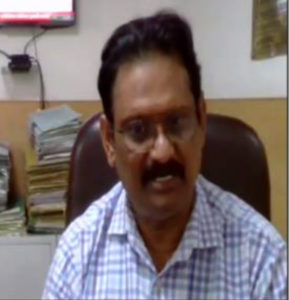 CLFMA’s Second Online Webinar on the AHIDF with Government of India started with Opening Remarks & Introduction by Dr. S.K. Dutta, Joint Commissioner, Department of Animal Husbandry & Dairying, Govt. of India. He briefed on the AHIDF (Animal Husbandry Infrastructure Development Scheme) of Rs.15000 Crores, under which, animal feed component was also included. He said that, the scheme enables the beneficiary to take the benefit of 90% the loan from the Bank, on which, 3% interest subvention is provided by the GOI., apart from this there is also a provision for availing 25% of the total borrowings as credit guarantee.
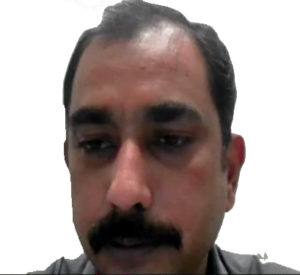 A short movie on AHIDF scheme was played during the Webinar to give a glimpse of the entire Scheme. Shri. Sadique Akhtar, Team Leader extended his thanks to the participants. He welcomed Shri. Neeraj Kumar Srivastava, Hon’ble Chairman of CLFMA. Shri. Suresh Deora, Hon’ble Secretary of CLFMA. He has also thanked Mr. Divya Kumar Gulati, Dy. Chairman of CLFMA and all the participants & Dr. Lipi Sairiwal, Assistant Commissioner, Department of Animal Husbandry & Dairying, Govt. of India to participate in this program. He welcomed all the participants and the member of CLFMA for giving their valuable time to participate in the webinar.
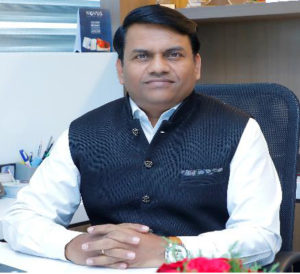 Chairman, Mr. Neeraj Kumar Srivastava introducing CLFMA OF INDIA to the panelists and participants and gave a presentation on “Emerging Trend and Prospects of Feed Manufacturing”. He said that, CLFMA was very enthusiastic about this Webinar as the AHIDF scheme of Rs.15,000 Crores floated by GOI., and the same is very beneficial for the upliftment of the Livestock Industry.
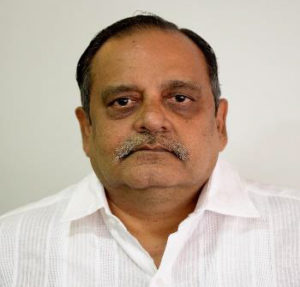 Closing Remark was made by Shri. Suresh Deora, Hon. Secretary of CLFMA. He said the, AHIDF fund was a very good project for people in Industry whether they are Farmers, Section 8 companies, Proprietor, Partnership Firm, etc., as they can avail interest subvention of 3% on 90% of the Loan. He appreciated Dr. Lipi Sairiwal for presenting the detailed guidelines of the scheme.





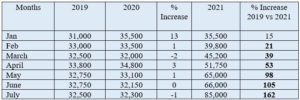
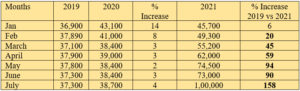
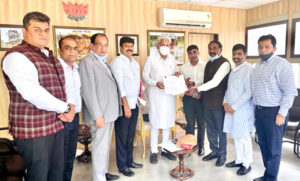
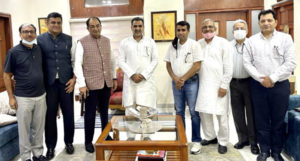
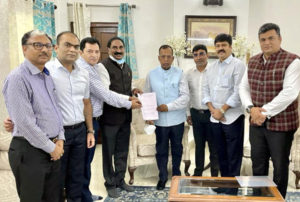
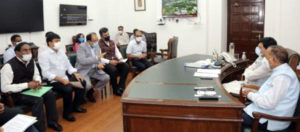
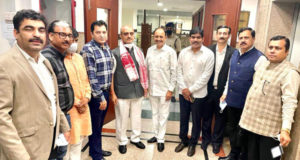
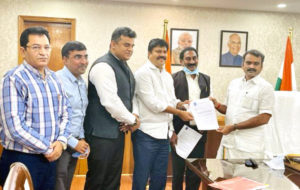




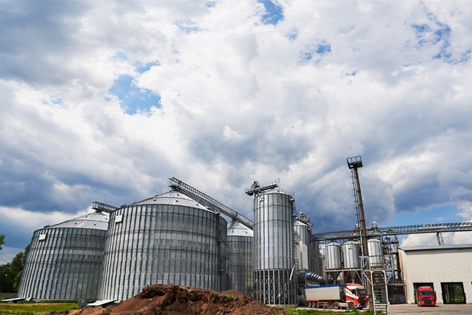

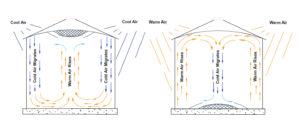
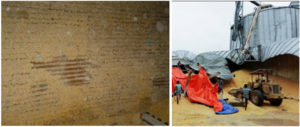
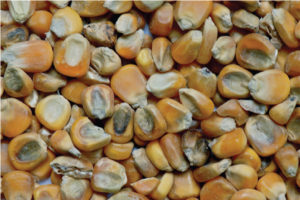
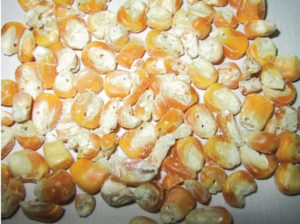
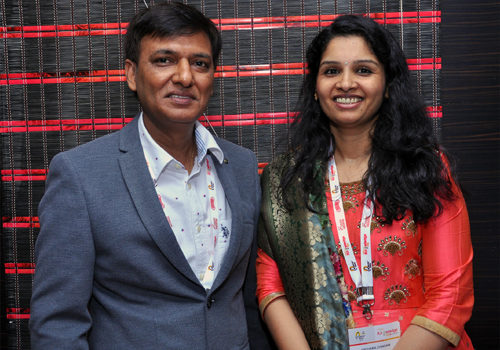

 Extensive field research by our team to know the functionality across from farm to hatchery and therefore the breeding cycle enabled us to spot the pain areas of the Poultry Industry because it is labor intensive and technology primitive. With the arrival of niche technologies like Internet of things we could demonstrate the added value of sensors making a hatchery smarter for sensing and monitoring. To usher in connectivity and develop advanced technology which is agnostic to existing machinery within the farm was challenging. we’ve designed, developed product and is patent pending and that we are the primary company to implement IoT technology at farm level from India.
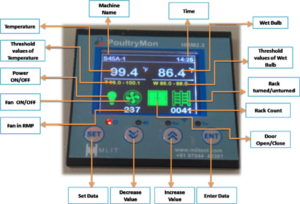 As IoT remains in its nascent stage and evolving at a rapid pace. It has been challenging for us to seek out expert resources in development of our hardware and also local production partner. After few iterations of design and functionality, we’ve standardized our offering now. The potential of disrupting Poultry sector and introducing innovation which may benefit the top farmer and may inaugurate improvements both in productivity and quality is what kept us going albeit we are boot strapped.
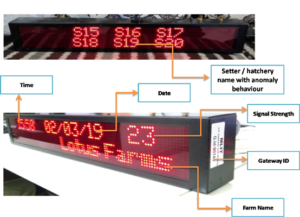 PoultryMon is actual time far flung tracking answer for Poultry hatcheries and farms for green control and manage of the essential situations all through the hatch cycle enhancing yield and quality. Making hatcheries and farms smarter thru actual time anomaly detection and predictive upkeep for elevated performance and optimizing productivity.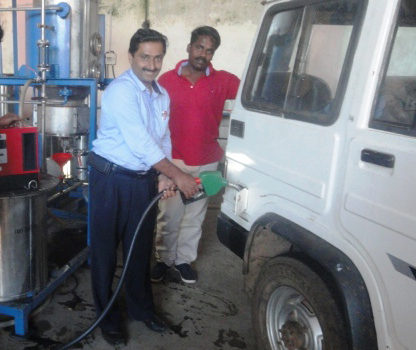

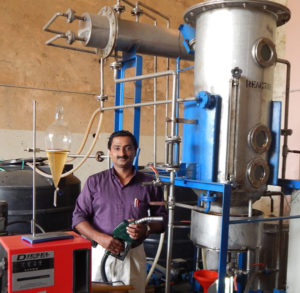



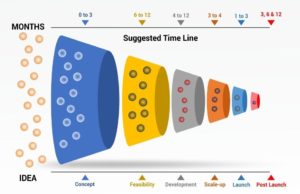
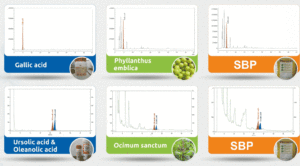
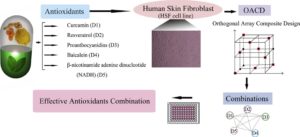
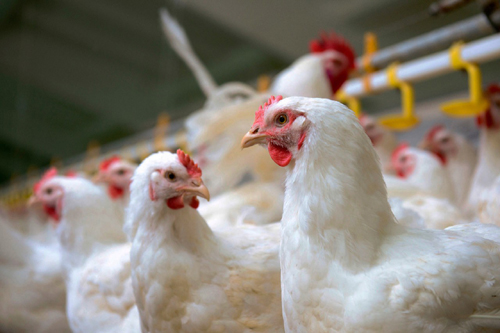

 As schools were closed, mid-day meals including eggs were stopped. Government should give eggs to police, doctors, nurses and other staff of hospitals, Jails, government offices. Poultry meat and eggs should be served in canteens of companies. There is need of development of ready to eat, ready to cook dishes. Poultry sector should learn from dairy sector about how to do value addition and marketing of products. Placements should be planned as per demand. There should be unity among poultry companies working in particular area. New talent should be attracted towards poultry farming.