
Summary – Managing stress involves identifying our beliefs and making those smaller changes. In this article the author draws analogy from football to explain the simple concepts.
Several of my clients keep asking me as to how could they manage stress. They seem to think they are overwhelmed. In this article I intend to provide some simple techniques that could help you manage stress. I will be using the research done regarding Penalty shoot outs in football to explain the concepts. For more on this research pl read the article cited in the end. Before that, let us accept that stress free life is not possible and some amount of stress is indeed beneficial as it keeps us on our toes.


Self-limiting belief – England believe that Penalty shootout is just a lottery and is completely dependent on chance. This is in fact partially true. But what is also true is that penalty shoot requires skill, positive approach, your energy and motivation levels. No wonder England is below average in Penalty shootout conversions by good 10 percentage points. They dread shoot outs as the memories of crushing defeats linger in their mind.

Believe in your ability and focus on what you could do in the given situation. Look for such self-limiting beliefs. For instance, if you believe managers are task masters, even a simple instruction from your manager you may find it imposing.

Focus on the goal and not the obstacle.
Psychologists say, the player after placing the ball in the spot should not look at the goal keeper for long. Instead look for the top right or left corner of the goal post as historically the chances are scoring are very high if you hit there compared to shots closer to the ground.

The more you focus on the obstacles, you lose focus on what you intend to achieve and spend most of your time on the hurdles.

Take the issues head on and don’t run away
Players are trained not to show their back to the goal keeper as it will give the goal keeper subtle clues as to what the striker is going to do. So they place the ball at the spot and walk backwards facing the goal post. Learn to face issues with confidence and learn from these situations.

Avoiding them, procrastination or denying offer little help as the issue will ultimately haunt you sooner.

Don’t be impulsive. Take your time
Players who took less than 200 milliseconds for the shot after the whistle of referee have only succeeded 57% of time while those took about a second were successful 80% of the time.

Take a deep breath. Visualise the best possible outcome and give it your best. You are more prone to make mistakes when you are in a hurry.

Always focus on best possible outcome rather than setbacks.
Study suggests that when the player takes the kick which would result in a win, he/she is successful 90% of the time. While a player who takes the kick where missing would lead to defeat, he/she is successful only 57% of the time.

You need to fill your mind with things like how does the best outcome looks like and what could you do to get there. Too much focus on loss aversion might result in higher chances of failure and frustration.

Managing stress comes by practice and you working on your beliefs. It happens over a period of time. Keep focused and keep making improvements. You will emerge successful. There is a quote which goes like this “difficult roads lead to beautiful destinations”. Think about beautiful destinations, journey becomes less stressful. Choice is ours.

About the author:
Mr. Pattabiraman Nagarajan is a HR professional, Consultant, trainer and an ICF certified coach. Has managed organization change and aligned HR practices to ensure business growth. He holds master degree in Social work and a PG diploma in Business management from IIM Trichy. He could be reached at npattabiraman@relyonus.in

Previous article by Author: Leading In Adversity- Leaders Need To Change Their Belief

WPSA BB Logo

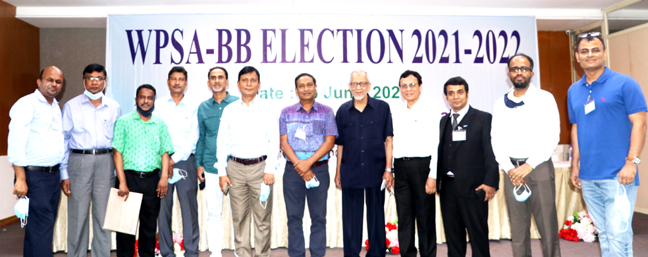
June 26, 2021: In the election of the Executive Council of the World’s Poultry Science Association-Bangladesh branch, Moshiur Rahman has been elected President and Md. Mahabub Hasan has been elected General Secretary.

Names of Executive Council for the term 2021-2022 was announced by the Chairman of the Election Commission, Prof. Dr. Nur Mohammad Talukder.

Elected Members at WPSA Bangladesh

Kazi Zahin Hasan has been elected as the senior Vice-President of the newly elected executive council. Vice-President. Md. Sirajul Haque and Jahidul Islam; Mohammad Faizur Rahman (Fayez) as Joint General Secretary and Treasurer. Dr. Biplob Kumar Pramanik has been elected. Dr. has also been selected as a member of the Veterinary Science category. Md. Al Amin, Dr. Md. Nurul Islam Shaon and Dr. Md. Ghiyasuddin. Dr. has been elected as a member in the animal husbandry category. Nathuram Sarkar, Dr. ABM Khaleduzzaman and Md. Asaduzzaman Mezbah. Selected in the industry category – Shah Fahad Habib, Md. Shaheen Shah and Shamsul Arefin Khaled.

Direct election of members in Veterinary category only was held today. Others have been elected unopposed.

  • Dr. Md. Al Amin, KAM Business Leader, Elanco Bangladesh Ltd.
  • Dr. Md. Nurul Islam Shaon, Head of Sales, Animal Health Division, Incepta Pharmaceuticals Ltd.
  • Dr. Md. Ghiyasuddin, former Chief Scientific Officer, BLRI
  • Dr. M Nazrul Islam, Managing Director, Advanced Bioproducts Ltd.;

After the announcement of the results, General Secretary of the outgoing committee. Ali Imam congratulated the newly elected members and thanked the Election Commission member Prof. to conduct the election smoothly. Nur Mohammad Talukder, Professor Abedur Reza and Dr. He expressed his sincere gratitude to Rahim Uddin Ahmed.

Source: Bangladesh Poultry & Fish

Catalyst LifeSciences Pvt. Ltd., the quality certified multi-divisional organization dedicated to the development and marketing of innovative and value added nutritional solutions, is looking for Key Account Managers for North and West India for Poultry segments.  Also looking for progressive Distributors / Dealers in animal nutrition business.

Email: support@catalystlifesciences.in
Tel: +91 892 988 1235
Website: http://catalystlifesciences.in

Catalyst LifeSciences is an ISO 9001:2015, ISO 14001:2015 and HACCP compliance certified organization with more than 30 years of collective professional experience in the animal healthcare and nutrition industry with successfully diversified strategic business units for Aquaculture, Poultry, Equines, Ruminants, Companion pets and Crop Protection segment.


Vacancy


INFAH Invitation to Exclusive Webinar.

Date: 6 July 2021  Time: 11 am (IST)

To Join: Click HERE

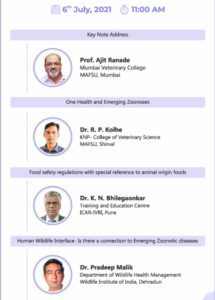
Program Details:


Webinar Speakers


Indian Federation of Animal Health Companies popularly known as INFAH is the united progressive force of companies & non-profit organizations working towards animal health care. INFAH heads strong with 52 member companies belonging to different genres of animal husbandry industry of India right from feed manufacturers, medical support systems to researchers.

Created to promote ethical practices and enhance Animal health Industry’s value and contribution in the society, INFAH also offers a dynamic platform to create awareness about controlling diseases, provide effective treatments and improve overall productivity of animals.

One of the major challenges of the poultry farmers are the diseases and damages caused by it in the sector and this causes huge losses and failures year after year. “Disease free poultry production is the only way to increase farmer’s income”.

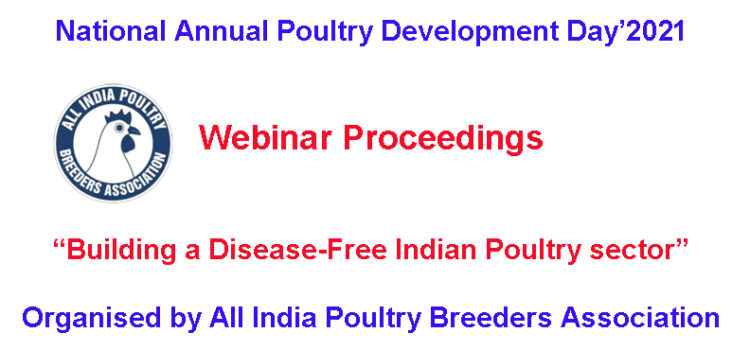
All India Poultry Breeders Association (AIPBA) organized a webinar on the topic “Building a Disease-Free Indian Poultry sector” on 22nd June 2021 in online mode. The objective was to discuss the concern of diseases and problems faced by the stakeholders with the policymakers of the Ministry of Fisheries, Animal Husbandry and Dairying, Government of India, in an attempt to develop disease-free Indian Poultry sector.

This was the biggest poultry webinar in the country with participation of more than 1500 poultry farmers through webinar’s app and 3572 poultry farmers through Facebook and YouTube. Also, representatives associated with the poultry sector and from the Ministry of Fisheries, Animal Husbandry and Dairying, Govt. of India (GoI), ICAR and other stakeholders participated in the event.

The webinar was hosted and conducted by Shri Gulrez Alam, Secretary, AIPBA & Director, IB Group.

Shri Bahadur Ali
Shri Bahadur Ali

Delivering the opening remarks, Shri Bahadur Ali, Chairman, AIPBA and M.D. of IB Group welcomed all panelists and officers of the Animal Husbandry Deptt. including Dr Praveen Malik, Animal Husbandry Commissioner, Dr O. P. Choudhary, Jt. Sect. (NLM/PC), Shri Upamanyu Basu Jt. Sect. (LH), invited as special guests.

Shri Bahadur Ali said that the concerns of the farmers should be discussed before with the policymakers of the GoI to overcome the problems of the poultry sector. He said that from Dec 2019 onwards, the situation has remained very difficult for the poultry farmers. He thanked the Ministry of Fisheries, Animal Husbandry and Dairying, GoI for extending all possible help, yet there still were many problems in the sector. “Today, through this webinar discussions, policymakers, Scientist and poultry sector representatives will be able to exchange ideas for a better understanding of the problems of poultry disease and to provide steps towards appropriate solutions”.

Shri Suresh Chitturi R

Welcoming all the participants, Shri Suresh Chitturi R, Vice President, AIPBA said that about 5 million farmers are associated with the poultry sector and the sector also provides direct and indirect employment to more than 10 million people. The webinar was very important for poultry industry because the poultry farmers could now discuss their problems directly with the policymakers with a hope of a proper solutions.

Dr Praveen Malik
Dr Praveen Malik

As a special guest Dr Praveen Malik, Animal Husbandry Commissioner, GoI, while addressing stated that few diseases like Influenza and Mycoplasma in Indian Poultry often trouble the farmers and such diseases should be eradicated instead of just controlling it. For this, the biosecurity, hygiene and proper waste management must be followed. The poultry sector must cooperate with the government to make the poultry sector disease-free.


Dr O. P. Choudhary
Dr O. P. Choudhary

By taking forward the subject Dr O. P. Choudhary, Jt. Secretary (NLM/PC) Animal Husbandry Department expressed various steps taken by the government to help poultry farmers and also said that it is very important to develop vaccines following OIE standard to avoid disease occurrence. This basic need for the poultry sector must be discussed in detail with probable solutions.


Shri Upamanyu Basu
Shri Upamanyu Basu

Shri Upamanyu Basu, Jt. Secretary (LH), Deptt. of Animal Husbandry said that vaccination is very important because it is the most effective way to control any viral disease from the root, but along with vaccination, all the scientific methods and steps should be taken by farmers and poultry sector for maintaining the hygiene, which is important and required for overall betterment of the sector.

Prof. P.K. Shukla
Prof. P.K. Shukla


Sh. Vijay Sardana
Sh. Vijay Sardana

The moderator of the webinar Prof. P.K. Shukla, Dean and Registrar DUVASU Veterinary University, Mathura and former Joint Commissioner, GOI, and Mr Vijay Sardana, Advocate, Techno-legal expert and Advisor, AIPBA conducted the respective technical sessions webinar efficiently.


In Panel Discussion-1, “Diseases in Poultry and its impact on Poultry Farming and Farmers’ Income”, leading poultry sector names participated.

Shri G. B. Sundararajan

Shri G. B. Sundararajan, MD, Suguna Foods Pvt. Ltd. said that there are many uncertainties in the poultry sector. The poultry farmer doesn’t know whether he will get the right price for his birds the next day. Due to the rumors about the poultry, small farmers suffer the most. And the diseases further add problems to growth. The Govt. should do something to end the uncertainty to support poultry farmers.


Mr Balram Singh Yadav
Mr B.S. Yadav

Raising important issues, Mr Balram Singh Yadav, MD, Godrej Agrovet Ltd. said that the poultry sector needs to think from the consumer’s point of view also so that the image of the poultry sector can be improved further. In the last 1-2 years, the poultry sector has suffered a loss of about 25-30 thousand crores every year, because whenever any viral outbreak is there, be it covid or bird flu, poultry sector is affected badly due to misinformation and lack of consumers education.

Dr R.K. Jaiswal
Dr R.K. Jaiswal

Talking about the technical aspects, Dr R.K. Jaiswal, President, IB Group shared that in the last few years, there has been a rapid spread of viral diseases that cannot be stopped through biosecurity alone. LPAI (low pathogenic avian influenza), is one of the main diseases, due to which thousands of farmers lost crores of rupees. There has been massive mortality mainly due to the non-availability of useful vaccine against this disease. It is an industry demand that, like other countries, early permission for the development or import of useful vaccine in India must be given and the correct antigen be provided to the vaccine manufacturers by collaborating with NISHAD (National Institute of High-Security Animal Diseases) Bhopal and there should be a mass vaccination done in poultry too in the whole country like Covid vaccination. This will be the first step for the betterment of poultry farmers.

Paul Gittens
Paul Gittens

Mr Paul Gittens, Advisor, Aviagen India, said that biosecurity and proper vaccines are the basic needs of the animal protein sector. Keeping the health of the birds in mind the government should allow the production and vaccination against those diseases so that the poultry sector can be protected from Avian Influenza etc.

Mr G.S. Bisla
Mr G.S. Bisla

Mr Gurminder Singh Bisla, President, Broiler Breeders Association North (BBAN) said that Avian Influenza is the most damaging disease problem of the poultry sector in North India and said that vaccination is the most effective way to prevent it. Due to spread from migratory birds to poultry birds, there is nothing farmers can do except vaccination. It is also very important to correct the policy for the poultry sector concerning disease control.


Panel Discussion-II – “Possible alternatives to reduce the adverse effects of Poultry Diseases”.

Dr S.K. Garg
Dr S.K. Garg

The session was moderated by Sh. Vijay Sardana. To initiate the discussion, Dr S.K. Garg, former VC, DUVASU Veterinary University, Mathura said that the vaccine should be developed after studying the pattern of disease occurrence in the poultry sector in different parts of the country.

Government should make such labs that can detect and diagnose these diseases and be able to forecast easily. Talking about the poultry feed, the number of antibiotics used by some feed manufacturers should be avoided because they reduce the export quality of meat.

Suresh S Honappagol
Dr. Suresh S Honappagol

Suresh S Honappagol, former VC, Karnataka Veterinary University and former Animal Husbandry Commissioner, GoI, shared that the poultry sector was well organized but at the time of any emergency, due to unavailability of data, the planning process is hampered.

He suggested a serious effort to collate all data and proposed National Poultry Register be prepared so that proper decision and relief be provided to the farmers whenever necessary.

Dr Ashok Kumar
Dr Ashok Kumar

Dr Ashok Kumar, ADG (AH), ICAR, New Delhi said that the poultry sector could benefit by using modern technology and by creating more awareness among the farmers about biosecurity and good practices.

Dr A.K. Tiwari
Dr A.K. Tiwari


Talking about disease surveillance, diagnostics, and forecasting, Dr A.K. Tiwari, Director, CARI, Izatnagar, shared that only migratory birds were not responsible for all diseases. With the right research and proper and timely interventions, the diseases of poultry can be prevented. It is necessary to maintain biosecurity and hygiene.

Dr N.K. Mahajan
Dr N.K. Mahajan

Dr N.K. Mahajan, Member of Empowered Committee to monitor Animal Health, Animal Husbandry Department, and GoI said that broiler, breeder, and layer all are three categories of birds. These viral diseases cause a lot of damage, but to avoid it, giving a lot of antibiotics causes more damage. Vaccination is the only option to avoid this loss along with following other important measures like biosecurity and hygiene.

Mr Jagbir Singh Dhal

Delivering the closing remarks, Mr Jagbir Singh Dhal, President, AIPBA thanked all the panelists, poultry experts, and farmers for joining the webinar and expressed hope that this discussion will help in making the right policies in the interest of the poultry sector.

All the panelists were unanimous that there should be biosecurity, hygiene, and most importantly vaccination in the poultry sector so that the small farmers of our poultry sector can avoid the massive economic loss caused by the disease.

All the officers present from the Animal Husbandry Department supported AIPBA webinar initiative and assured that all the key points of the webinar would be considered for redressal.

Follow-up Activity:
Based on the outcome of the webinar, AIPBA will take up the relevant issues with policymakers to ensure that the development of the poultry sector continues and poultry farmers and related stakeholders like corn farmers and soybean farmers should also continue to benefit from the poultry sector.

All India Poultry Breeders Association was formed in 2004-5 (restructured 2020-21) with the objectives – To make Indian Poultry Atma Nirbhar and produce world class Indian Poultry Protein. – Ensure that all industry stakeholders, associations are connected through a single platform. – To Enable and provide Technological advancements to the industry. – To act as a Bridge between Indian policymakers and Industry for Poultry Industry Policy matters in overall industry coverage.

Office Bearers of the Association

– Chairman: Shri Bahadur Ali
– President: Shri Jagbir Dhull
– Vice President: Shri Suresh Chaturi
– Secretary: Shri Gulrez Alam
– Executive Director: Dr AK Rajput
– Treasurer: Dr Rama Krishna

Novus Logo

Chennai, Tamil Nadu – June 10th, 2021 – Novus Animal Nutrition (India) Pvt. Ltd. hired Dr. Shaveta Sood as National Sales Manager – North, West & Central India. Dr. Shaveta will be responsible for sales function for North, West & Central India region reporting to Neeraj Kumar Srivastava, Managing Director – South Central Asia.

Dr. Shaveta Sood brings with her 13 years of experience working across the sales, marketing, and product management functions with companies like Vetina Healthcare, Pranav Agro, Polchem hygiene and Animal Husbandry department, Himachal Pradesh. In her last assignment she was titled Business Unit Head – Poultry Business with Vetina Healthcare. She holds a master’s degree in animal nutrition from college of Veterinary and Animal Sciences, Palampur and completed Senior Management Programme with IIM, Kolkata. Dr. Shaveta, said I am delighted to be part of a wonderful Novus family and would like to express my deep gratitude. A great place with good work culture and wonderful team. I look forward to bringing my experience, skills, and network of contacts to help build on its sterling reputation.

Neeraj Kumar Srivastava, MD of Novus Animal Nutrition (India) Pvt. Ltd., said we are very excited to have Dr. Shaveta Sood on board, with her experience, technical knowledge, and management capabilities will complement our growing team.

Source: Novus Animal Nutrition (India) Pvt. Ltd.

Natural is future 2.0 is a webinar series powered by Natural Remedies Pvt. Ltd., where we invite eminent speakers across the globe to share their thoughts on the most relevant topics of the animal health industry. In the month of May, we invited Mr. Vijay Sardana, a member of the commodity derivatives advisory committee for SEBI, the Government of India as a guest speaker.

Mr. Vijay Sardana
Mr. Vijay Sardana

His discussion was aimed at providing the poultry farming community with an insight into the unprecedented fluctuations in the prices of raw materials for the poultry feed industry especially soybean & maize in the past few months.

“BUSINESS IS ALL ABOUT RISK-TAKING, MANAGING UNCERTAINTIES, AND TURBULENCE” BY GAUTAM ADANI

“RISK COMES FROM NOT KNOWING WHAT YOU ARE DOING” BY WARREN BUFFETT.

Mr. Sardana started his talk with these quotes. It is needless to say that his talk was about risk management which is the key to the growth of any organization. He pointed out that the Indian poultry industry has been able to manage issues such as feed conversion ratio (FCR) and disease control on par with the international poultry industry, but lags in financial risk management. And that it is time to change perspectives and have more informational discussions around cash flow, finance, and other business management aspects of poultry for a better resilient, sustainable and profitable future.

He emphasised the fact that any business must have an expense management strategy, revenue generation strategy, and risk management strategy, to generate profits. With his personal experiences, he explained the importance of developing one’s market intelligence, through understanding people dynamics, identifying local market sensors, and developing a network of market intelligence, which would give a deeper understanding of the market and help to make more calculated decisions in their businesses. Here are some of the key questions posed by participants and their answers by Mr. Sardana.

Why is there a fluctuation in the raw material prices? What are the major domestic and international factors? How will it vary in COVID times? And how to do risk management?
Mr. Sardana suggested that the poultry owners should visualize the industry from different perspectives for a better understanding of the rise in prices. The reason for the rise in the prices could firstly be due to the imbalance in the demand and supply in the market; secondly, the competing forces who may not necessarily be in the poultry or oil industry (the major players) but from the financial business who might use commodity as an asset and stock it for a better market price; looking at it from different perspectives and not only from the poultry or oil industry will give a better understanding of the situation. The scenario is the same irrespective of the national or international market since profit maximization is the goal. A better understanding of the players in the market will help to foresee the market trends and plan a better risk management strategy.

What are your thoughts on using insect proteins, and other alternatives along with Soya to manage the cost and mitigate the sudden hike in prices?
He immediately pointed out that the free-range or backyard poultry mostly survives by consuming insects and producing higher quality eggs, so why not.

Is the Government under discussion for granting duty-free import of 1.2 million metric tons of Soybean? Will this shipment be allowed, and when during this covid situation?
Mr. Sardana mentioned that it is under serious consideration but when it will be approved is uncertain. On the other hand, he urges the poultry industry players to contact international non-GM (genetically modified) soybean meal suppliers and be prepared if at all the Government should issue such a notice. So that one has done their research while waiting for the Government notification. Also to keep a business plan ready, while looking for other resources instead of figuring things out at a later stage.

Is the use of soap sticks, glycerol, and blood meal good for a high oil and fat diet? Would it be economically viable?
Mr. Sardana suggested the poultry owners should stride carefully in these lines. Since it is a decision a nutritionist should make as several aspects need to be considered. These supplements would change the fatty acid profile of the diet. Also, its implications on FCR need to be considered. The use of low-price alternatives may need to be compensated with the inclusion of other ingredients into the formulation to keep up the nutrient requirements, finally ending up costing more.

Due to the high prices of protein sources the suppliers are adulterating the raw material with things like Melamine. What kind of negative impact would it have on the broiler and breeder’s performance?
Mr. Sardana pointed to the obvious and said that the FCR would suffer. Since the poultry bird physiology doesn’t consider the level of protein on the label of the packaging; all that matters to them is the amino acid profile. He advised the poultry farm owners to be cautious before signing agreements with vendors and to put up a penalty clause in it. He also urged the poultry farmers to get involved, and make personal visits to the suppliers, and do random sampling of the raw materials based on the FCR and inspect the suppliers instead of looking at the reports. He said, “Do thorough research before selecting the right vendor.”

Why was there a sudden increase in Soymeal DOC (De-oiled cakes) without any speculation, this year?
According to him, there is an imbalance in demand and supply chain. He speculated the following three reasons: firstly, the forecasted production of 12.25 million ton of Soybean for this year was not accurate; The export of Soybean DOC this year was twice as compared to last year; Maybe there has been an increase in protein (Soya) based diet consumption in humans, due to the pandemic. The data for which is yet to be calculated, but can be speculated based on behaviour pattern.

The prices that we are comparing in the Indian market, are non-GM (genetically modified) Soya and in the international market is GM Soya, when will the Indian Government allow GM Soya into the market and any strategy for the future?
Mr. Sardana suggested to analyse this objectively, the cost of GM Soya in the international market last year (2020) was Rs. 26,000 per ton while non-GM Soya in India was Rs. 36,000-38,000 per ton during the season. In such a scenario if GM Soya is allowed into the Indian market, what should happen to the Indian farmers. This will have serious implications.

When will the Soya prices come down to normal?
He asked the farmers to wait for the coming season, about 5 months more. He also advised the poultry farmer to manage their business strategies accordingly, probably by placing fewer birds to reduce the pressure.

It was an insightful discussion where Mr. Sardana, started his talk with the importance of understanding the market and strategizing for risk management; he reminded the simple basics of business, the demand-supply chain; and also gave examples from his experiences in strategizing for the unknown risks that one might encounter. To watch the talk, click Natural is Future 2.0: Webinar with Mr. Vijay Sardana – YouTube

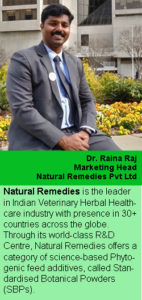
Author: Dr Raina Raj, Head of Marketing, Natural Remedies Pvt. Ltd.

There is no magic bullet for gut health. Whilst no single non-antibiotic product that is currently available on the market appears to be able to fully replace the functional effects of AGPs and can match similar gut health conditions. There are a variety of products that operate on similar axes and may form part of a multi-factorial displacement strategy for good gut health.

Antibiotic Free

As per Law of diminishing returns, AGPs as well as alternative therapeutics or other agents will have improved functionality in populations of animals with poor performance and in diets with compromised nutritional value. Up late there has been so much of research on gut health benefits of enzymes. In this article, we will try to discuss on the same.

Exogenous enzymes and intestinal microbiome:

Inclusion of exogenous enzymes shift the site of digestion to anterior intestinal segments thereby ‘starving’ the microbiome of the posterior gut, producing fermentable oligosaccharides from previously largely inert fibrous material with a beneficial effect on intestinal pH and enterocyte proliferation. Also, use of enzymes improve the integrity of intestinal mucin, increase gastric residency of feed, reduced inflammatory responses and other beneficial effects on immune function and resilience.

Stomach Pain Illustration

Enzymes and enteric resilience:

Consideration of exogenous protease effects in reduction of undigested dietary and endogenous protein flow to the caudal gut, reduced inflammatory effects associated with proteinaceous antinutrients and improved gut tensile strength and tight junction integrity. Thus, exogenous enzymes may improve the stability of the gut by reducing substrate for putrefactive organisms, increasing substrate for beneficial fermentative organisms, and enhancing the ability of the intestine to defend itself against unwanted bacterial Colonization.

Use of enzymes stabilize endogenous losses:

Nonetheless, it is apparent that Xylanase, phytase and Protease influence both the digestibility of ingested nutrients and the secretion and loss of endogenous nutrients. Accurate partitioning of the value of feed enzymes between exogenously derived benefits and those of an endogenous persuasion is important to ensure additivity of nutrient release (or matrix) values. Exogenous enzymes may be effective agents in maintenance of gut health through promotion of a more stable mucin layer.

Role of enzymes in gastric emptying:

Xylanase addition to both a maize/wheat-based and a maize-based diet resulted in an increase in peptide YY (PYY) concentration in the serum of broilers. As PYY is one of the hormones responsible for gastric emptying it is possible that xylanase may influence passage rate of feed, or residence time in the gastric phase of digestion, possibly via the ileal brake mechanism. The ileal brake mechanism is a control system that detects increased fermentation in the hind gut via VFA production by the microflora and stimulation of the enterocytes. When xylanases are added to poultry diet they generate xylo-oligomers which are more readily fermented in the hind-gut than their source polymers, stimulating ileal-brake effects and PYY.

Enzymes alter bacterial fermentation:

Elevated caecal temperature was observed in birds fed xylanase of approximately 1.5 °C, effects that imply increased fermentative activity. Altered substrate flow to the hind gut may originate from increased nutrient removal from the intestine by the host and a change in fermentable substrate for the resident bacteria in the posterior gut.

Enzyme influences immune proteins:

The amino acid profile of acute phase and other immune proteins are also known. A challenge (pathological or environmental) that increases the need for protective measures such as acute phase proteins or mucin, will have a somewhat calculable influence on amino acid requirements and the ideal ratio between amino acids may change.

Enzyme Combination Suiting Best For Gut

Whilst some biomarkers for like mucin flow or digestibility in general do exist it may be necessary to use more low-tech approaches such as measurement of litter moisture, water intake, excreta characteristics (moisture, consistency, colour, pH), observation of animal behavior and so on. The more information is available on the relative health and performance of the population and diet characteristics the more bespoke the enzyme recommendation can become.

Droppings Pics

In the absence of such inputs then an enzyme solution should ideally be broad-spectrum but comprised of individual activities that are specifically monitored and guaranteed (thermotolerant, measurable and so on). Activities that have been shown to improve nutrition and health status include Xylanase, Glucanase, Arabinofuranosidase, Amylase, Protease, Phytase, Pectinase, Mannanase and Alpha-galactosidase.

It is likely that not all of these enzymes will be required but a reasonable admixture that covers a wide range of substrates is logically useful and will assist the animal to manage the intestinal environment and ensure stability. Use of Phytase, Xylanase and Protease is crucial in maintaining performance and reduction of variation among growing birds in Indian conditions providing support to gut health.

##

For references, questions and feedback write to , Bangalore. Email id is novellife.bangalore@gmail.com and contact no Landline +91 (0)80-41326221 Mob– +91 96113 37444)

Novel Life Consultant(This article is a work of Novel Life Consultant and is for public information purpose only. This has been written to share knowledge on poultry nutrition and is not a legal information or statement. Reference to any specific product or entity doesn’t constitute an endorsement or recommendation by the company. The views expressed by the writer are their own and their appearance does not imply an endorsement of them or any entity they represent.)


Natural Remedy Logo

Natural Remedies is spreading its wings to new geographies and is growing at a rapid pace.

In the last year, we performed exceptionally well and look forward to growing at an accelerated pace in the upcoming years.

Helming this growth is no easy task, and this requires the insight and ability of a veteran in this field.

In this regard, Mr. K. Narender Reddy is being promoted as the Chief Operating Officer from his current role of Commercial Director.

Mr. Reddy has been with Natural Remedies for over 30 years and has risen to this position from being a Veterinary Sales Representative.

Mr. Reddy will be leading the organisation by building a strong culture that embodies the vision, and values that NRPL stands for.

In this new role as the COO, apart from sales, marketing, formulation & development functions, he will take care of the entire operations for providing strong customer support. He will also oversee strategic customer success and relationships in Asia Pacific and European markets. He will also spearhead the operations in the Australia, UK and US markets as Natural Remedies continues into its next phase of growth.

We wish Mr. K. Narender Reddy the very best as he takes up this monumental responsibility.

Source: www.naturalremedy.com